

Knowledge
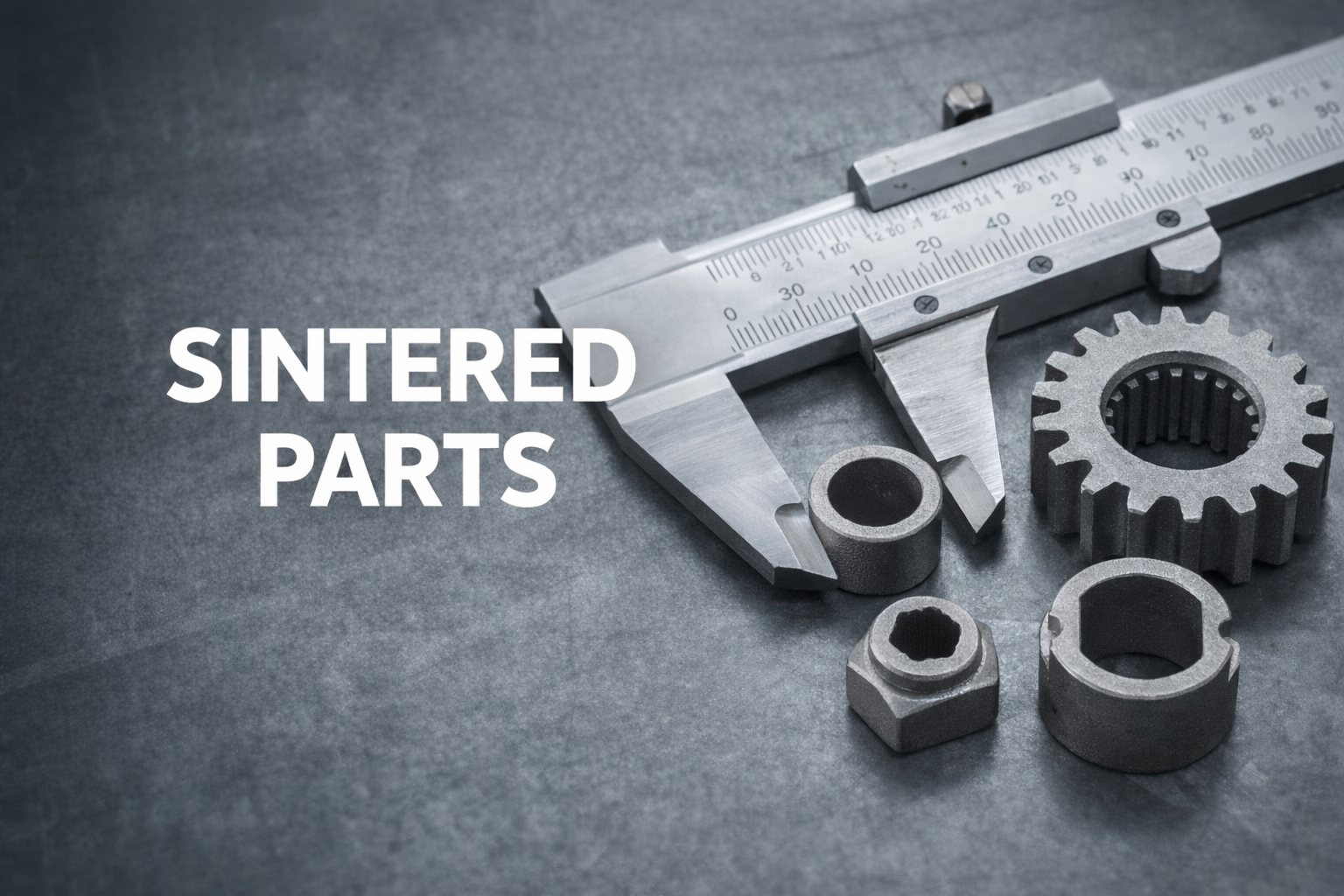
How the Sintering Process in Metallurgy Shapes Final Part Performance
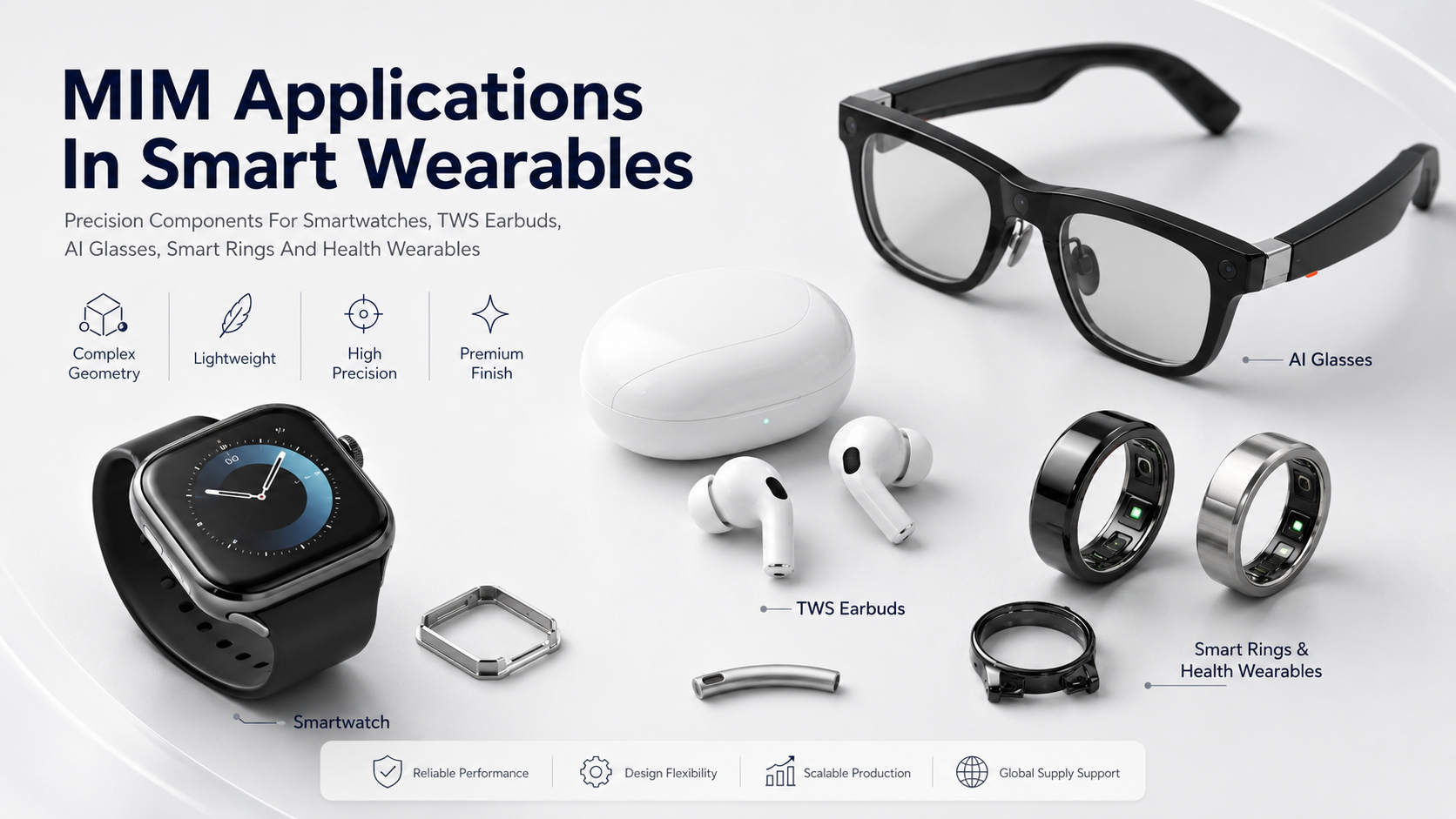
Metal Injection Molding(MIM) for Smart Wearables: Smaller Parts, Stronger Designs
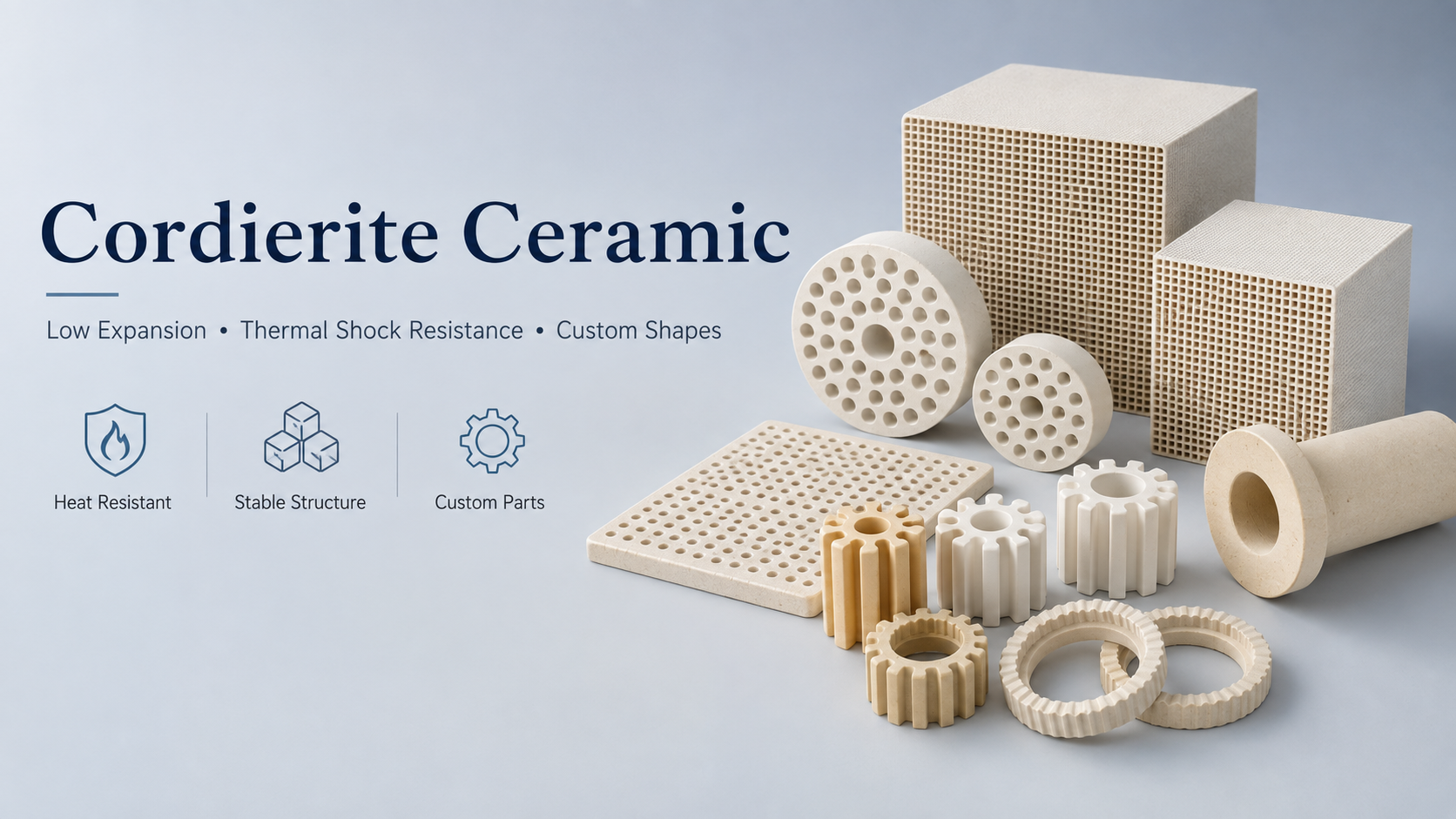
Understanding Cordierite Ceramic from Material Properties to Custom Parts
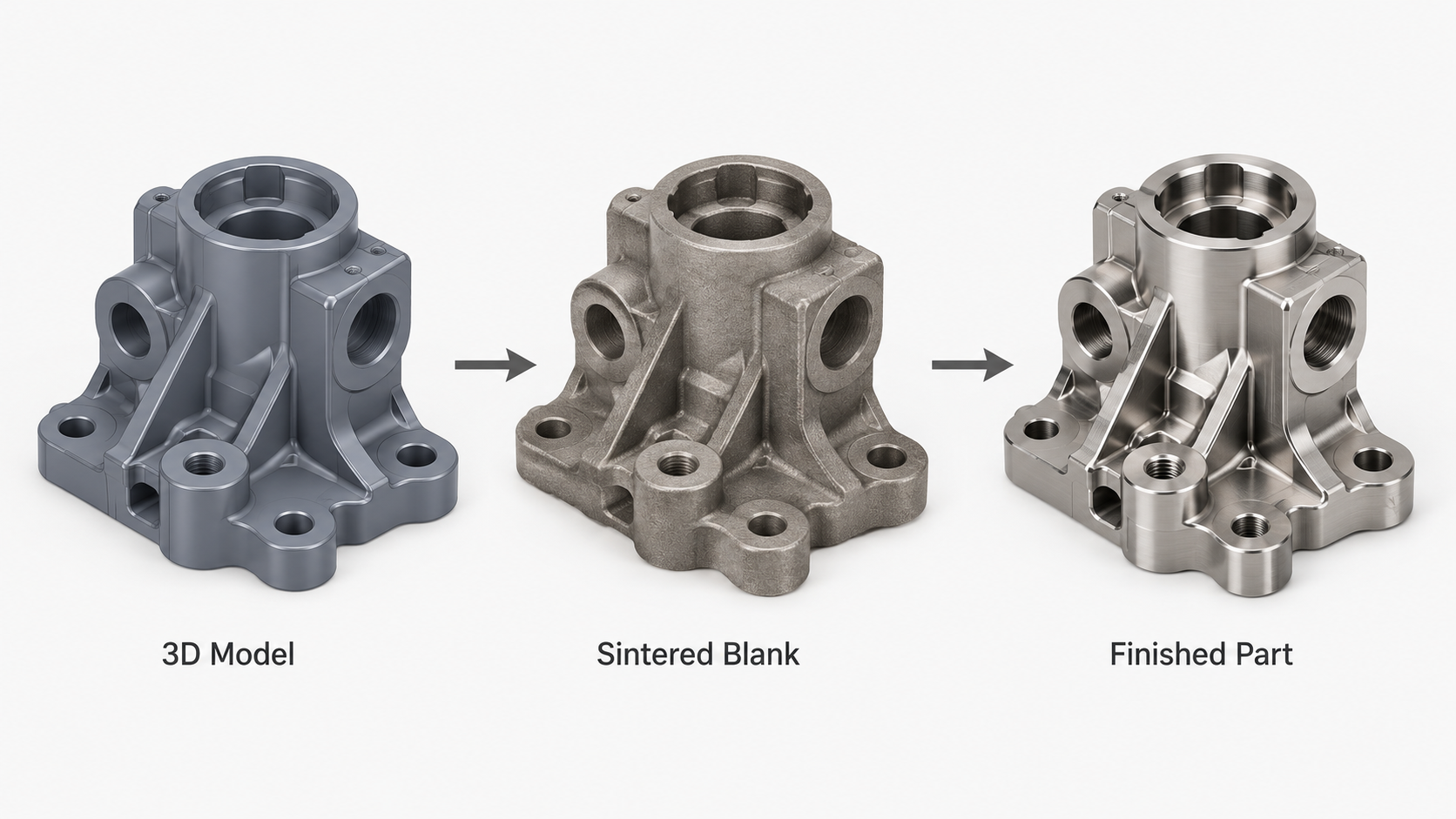
Metal Powder Compaction and MIM Manufacturing for Complex Metal Parts
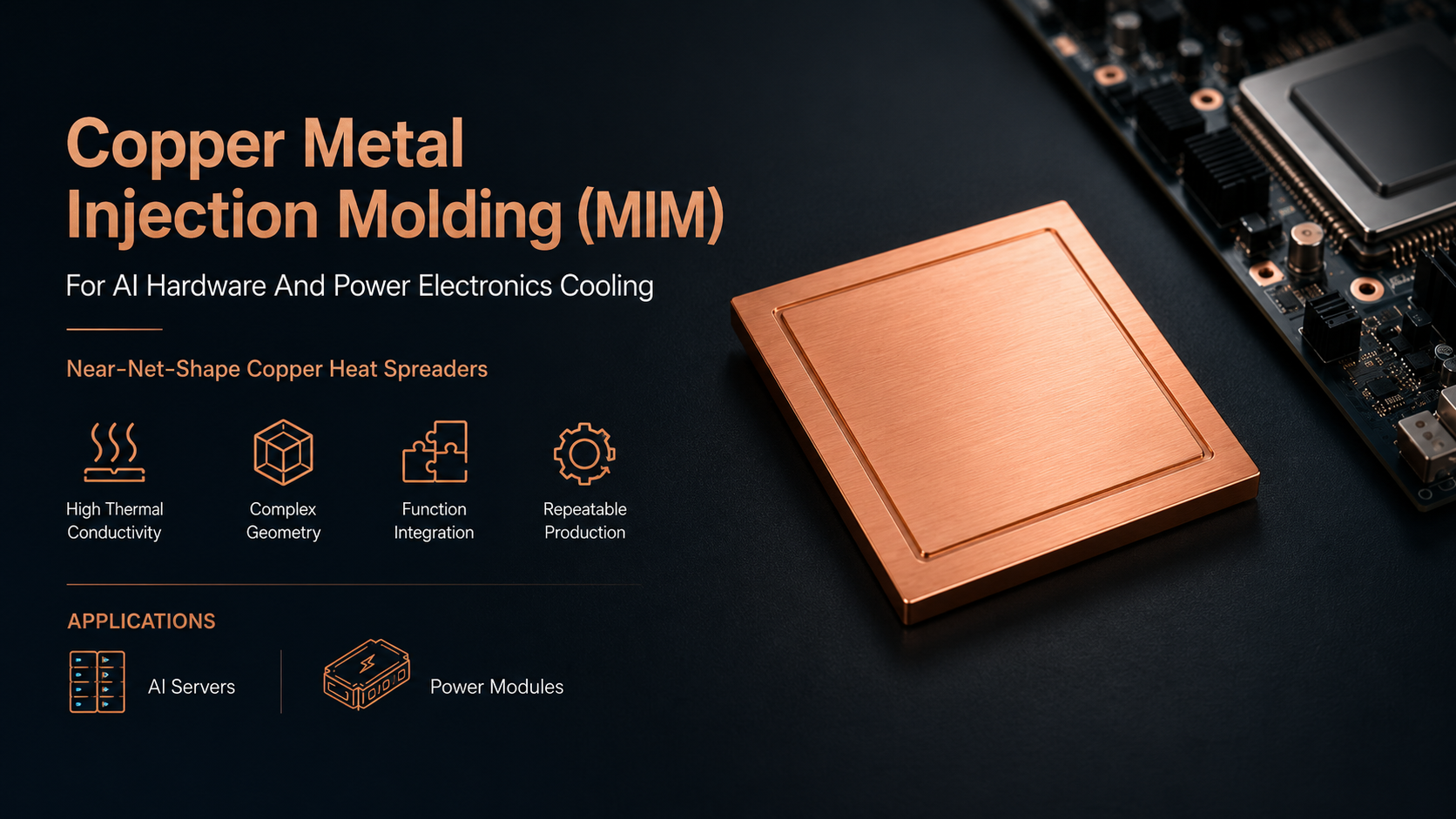
Copper Metal Injection Molding (MIM) for AI Hardware and Power Electronics Cooling
Read this article for everything you want to know about copper MIM. Even better, XY-GLOBAL will share the real-world case study with you. Send your copper MIM part drawing, and our skilled engineering team will provide you with free, professional DFM evaluation and cost-saving advice tailored to your project.
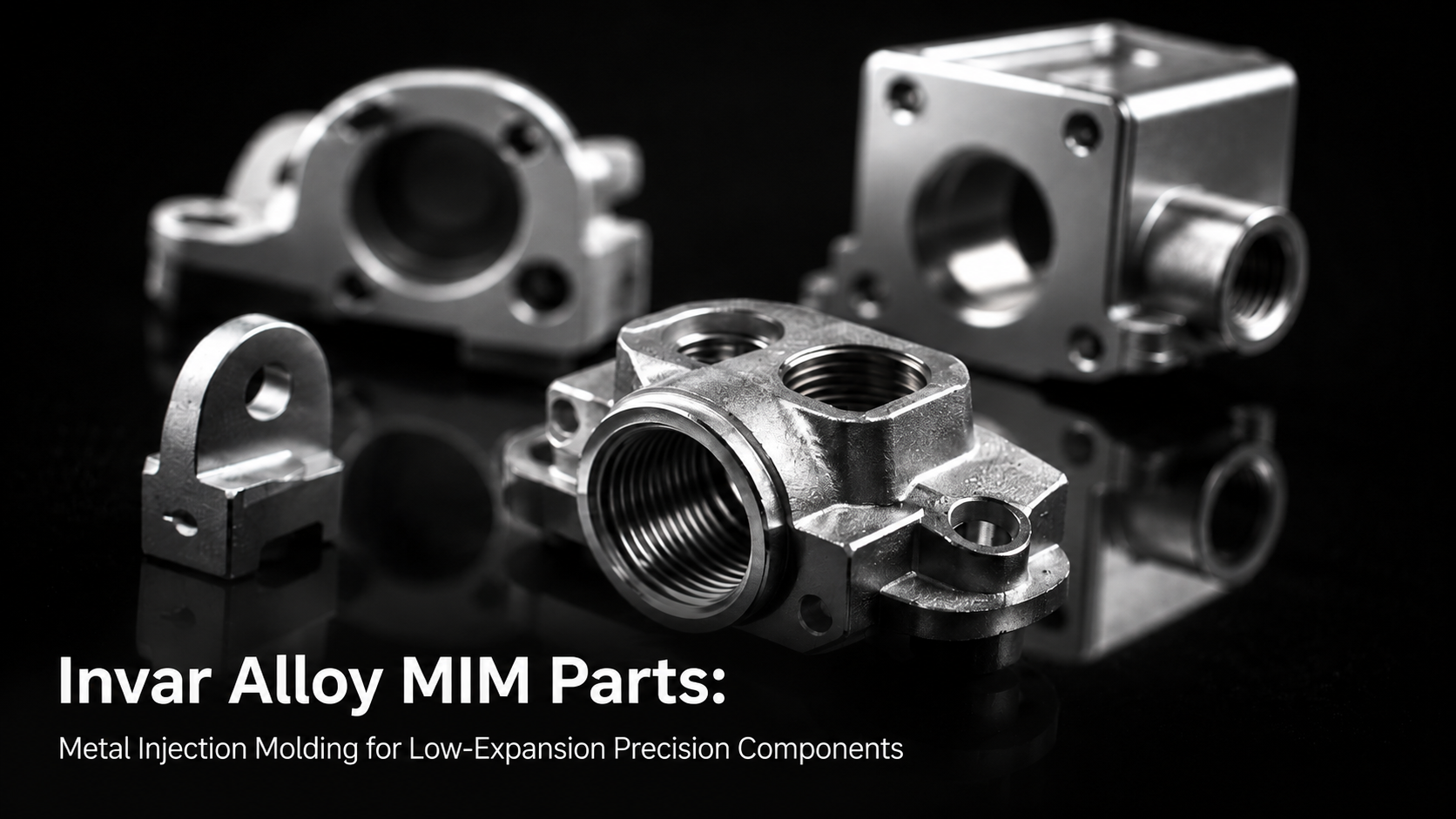
Invar Alloy MIM Parts: Metal Injection Molding for Low-Expansion Precision Components
This article explains what Invar (FeNi36) alloy is and why its near-zero coefficient of thermal expansion makes it essential for optical, aerospace, semiconductor, and precision instrument components. It covers whether and how Invar can be metal injection molded, the process flow and sintering challenges specific to this nickel-iron alloy, typical applications, and design guidelines. The target reader is a design engineer, R&D lead, or procurement manager at an optics, semiconductor equipment, aerospace, or precision instrumentation company evaluating MIM as a production route for Invar components.
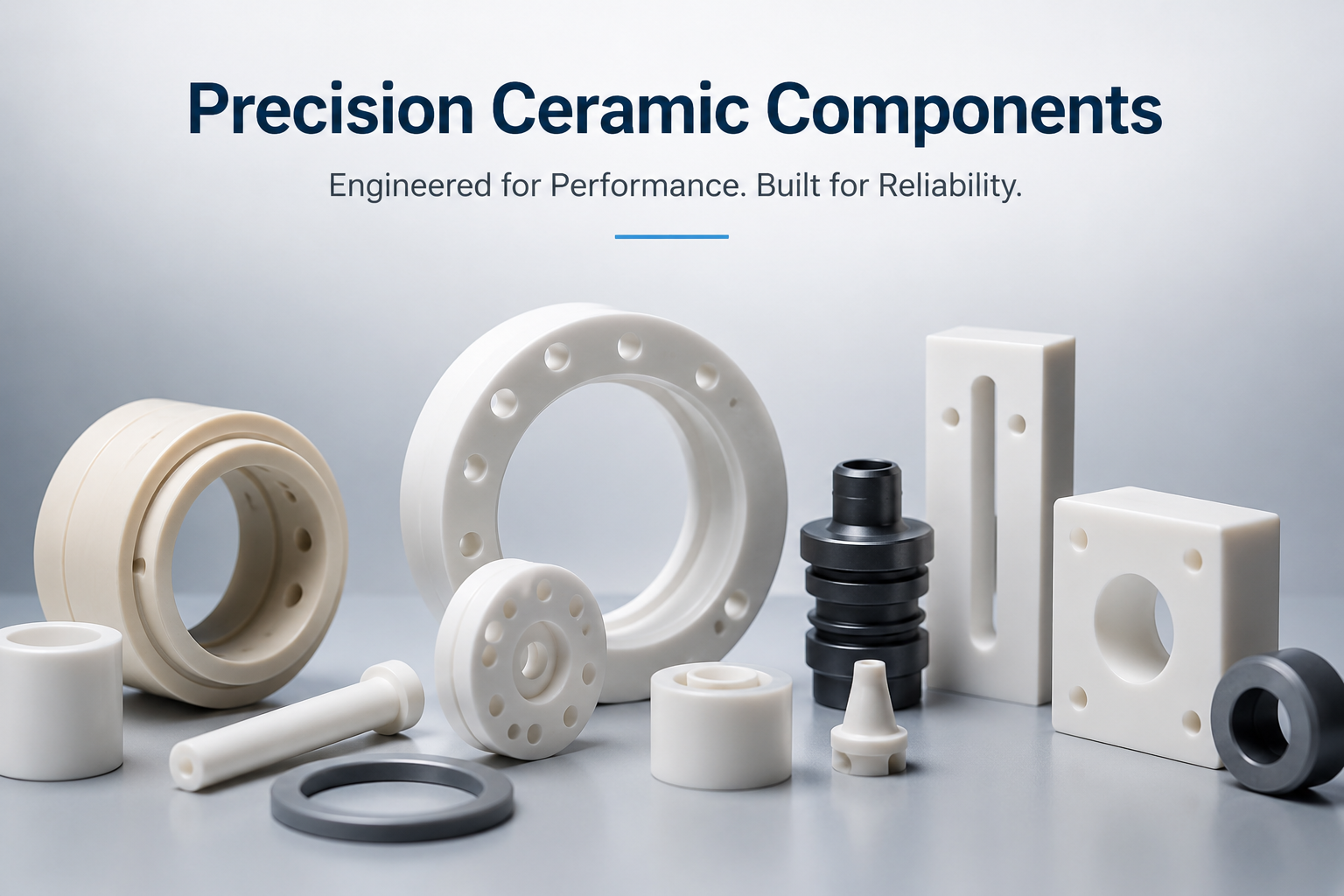
Precision Ceramic Components for High-Performance Industrial Applications
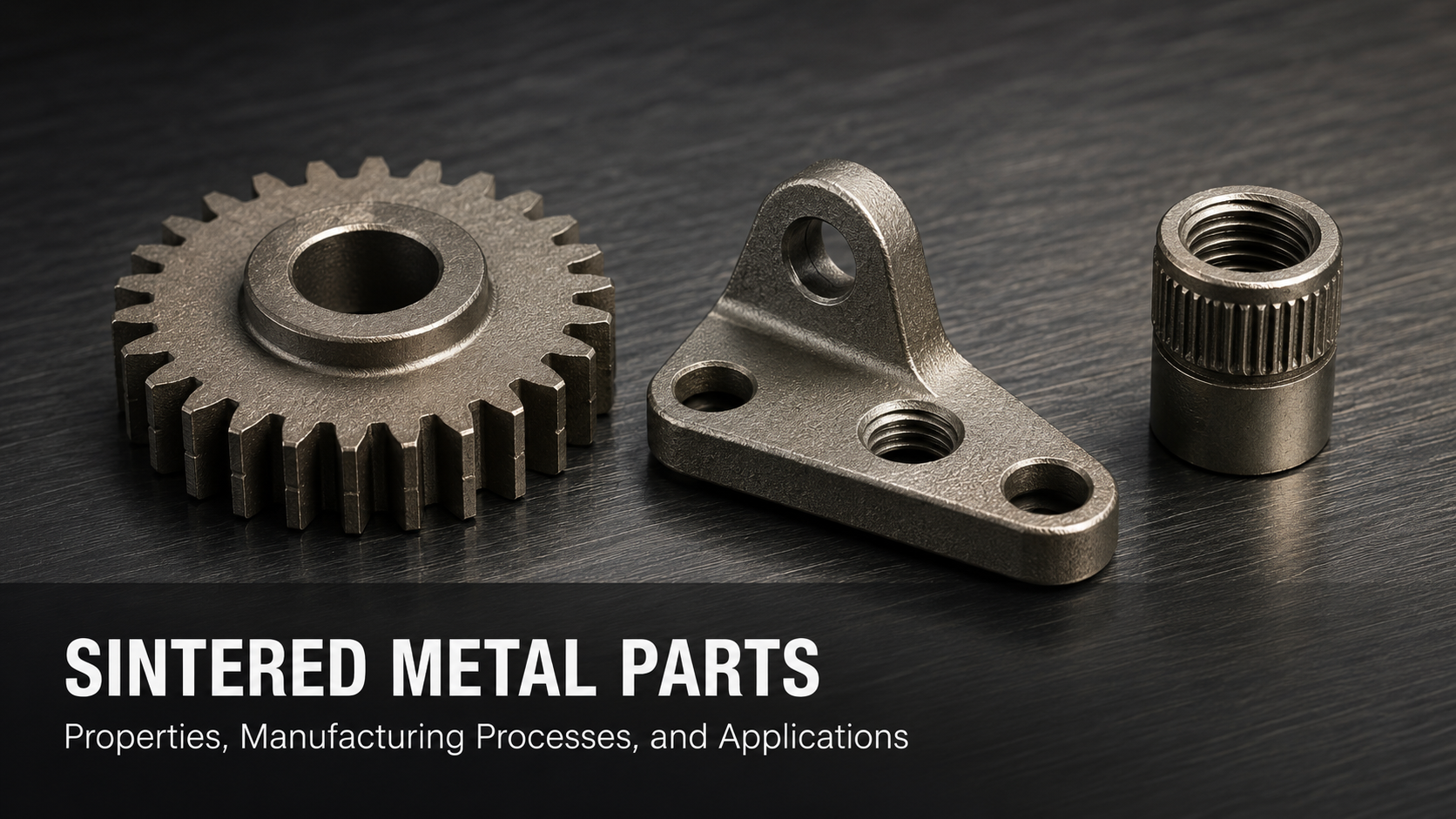
Sintered Metal Parts: Properties, Manufacturing Processes, and Applications
Sintered metal parts are produced by heating compacted metal powder below the melting point, bonding particles through atomic diffusion to form a dense metal component. Two manufacturing routes dominate: Metal Injection Molding for complex three-dimensional geometry at high density, and powder metallurgy pressing for high-volume simple shapes at lower cost. This article explains how sintering works, what properties sintered metal parts achieve, how MIM and PM pressing compare, which materials are available, and the applications where sintered parts outperform cast or machined alternatives. Engineers evaluating powder metallurgy manufacturing routes and procurement teams specifying sintered components will find the process selection and material guidance needed to make informed decisions.
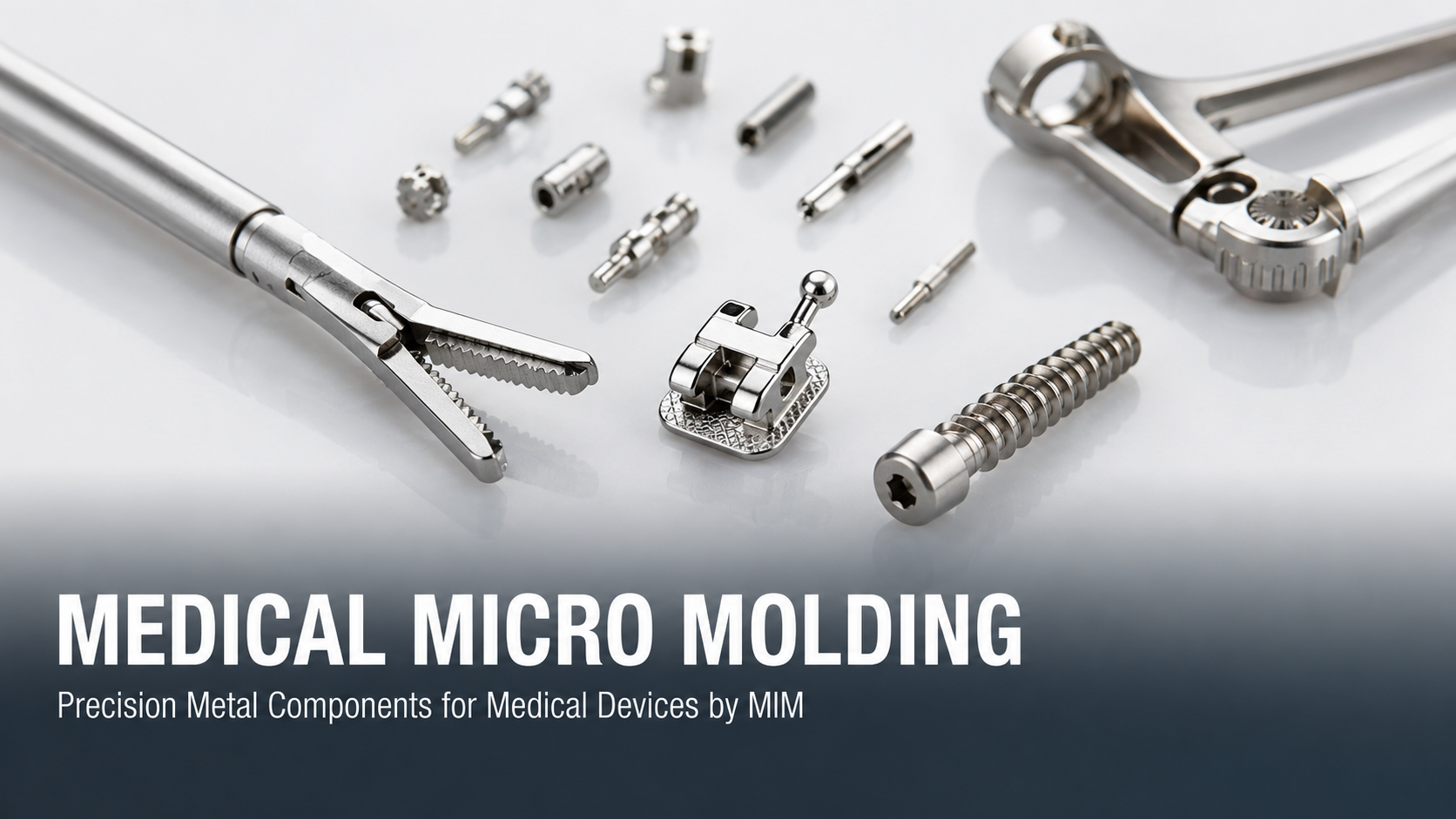
Medical Micro Molding: Precision Metal Components for Medical Devices by MIM
Metal Injection Molding is the leading production process for complex, miniature metal components used in minimally invasive surgical instruments, orthopedic devices, dental tools, and drug delivery systems. This article explains what medical micro molding means in the context of MIM, why MIM outperforms machining and alternative processes at micro scale, which biocompatible materials are used, and the design and quality considerations that apply to medical-grade micro components. Engineers specifying precision metal parts for regulated medical devices will find material selection guidance, design rules, and quality compliance context relevant to their development process.