Knowledge

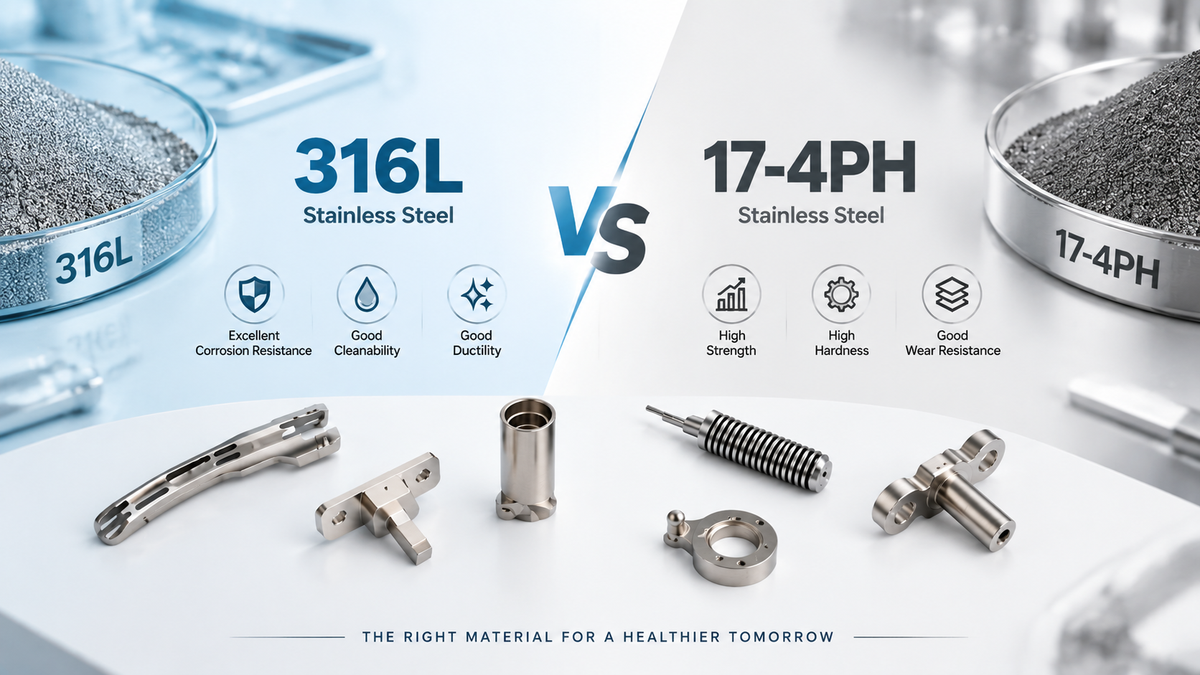
316L Vs 17-4PH for Medical Metal Injection Molding (MIM) Parts
316L Vs 17-4PH for Medical Metal Injection Molding (MIM) Parts
316L and 17-4PH are commonly used stainless steel grades for medical parts. Both work well with metal injection molding. Both are widely used for small, complex stainless steel components. But they are not interchangeable. In a real medical device, a...

Read more

Top 10 Powder Metal Suppliers

Top 10 Powder Metal Suppliers

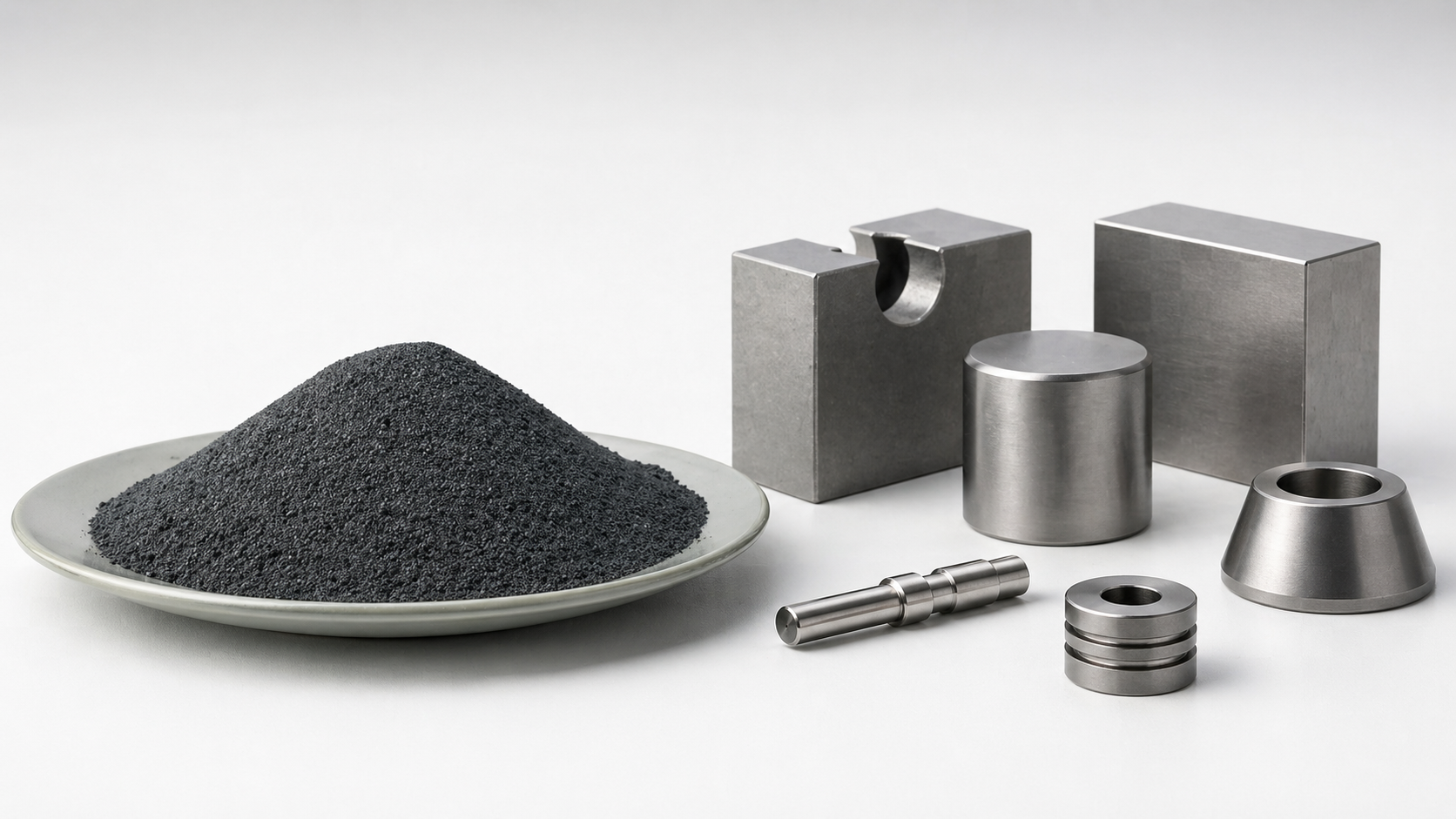
In my extensive research, I have meticulously compiled a list of the top 10 powder metal suppliers. This list is based on thorough analysis of Google search results, industry reports, and customer reviews. These companies are recognized for their exceptional...

Read more

Dental Sintering Furnace for Reliable Zirconia Sintering
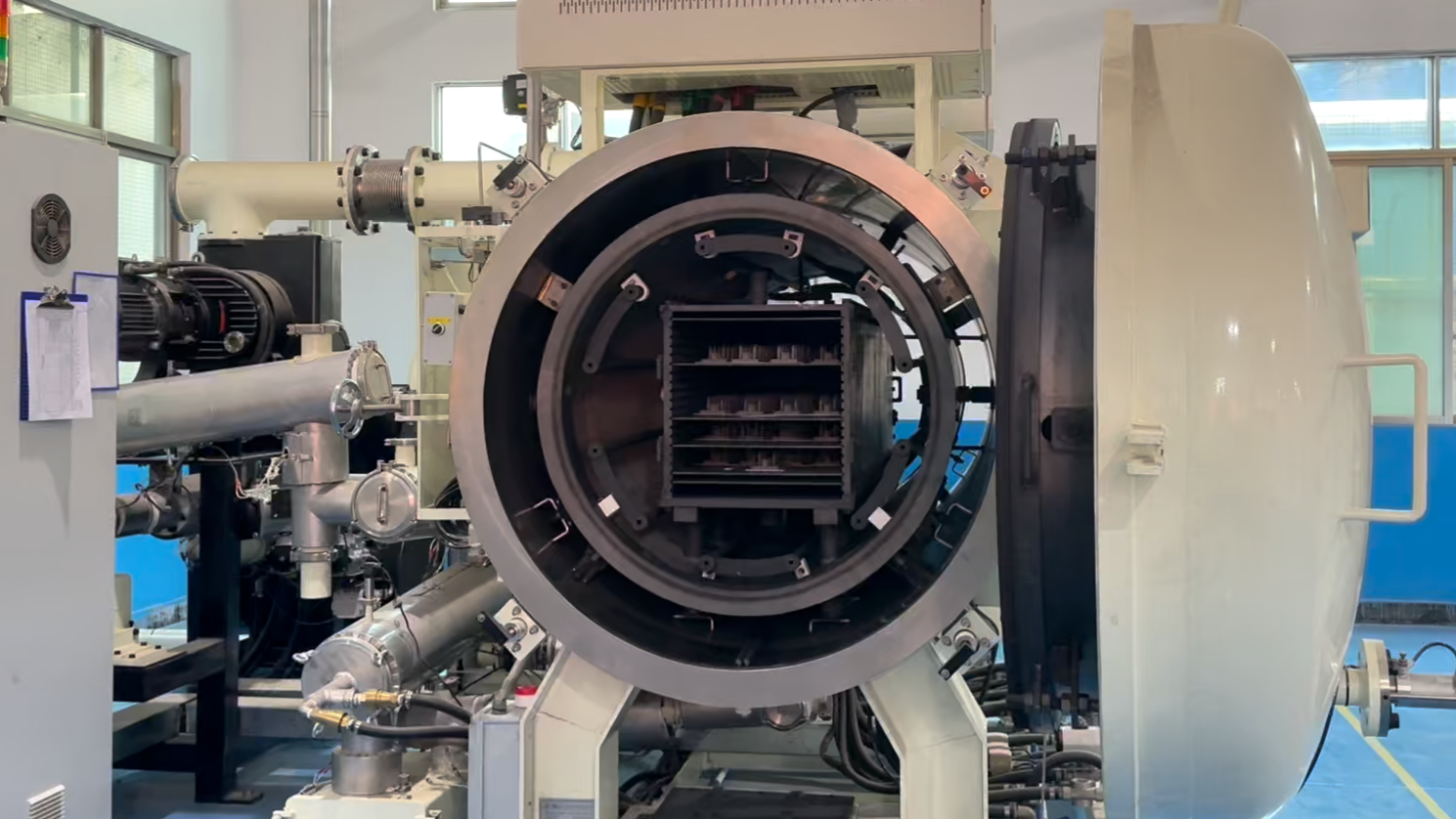
Dental Sintering Furnace for Reliable Zirconia Sintering

Zirconia usually requires high-temperature sintering, typically around 1,400°C–1,600°C depending on the material. During sintering, temperature stability is important because uneven heating may affect: Final dimensions Strength Color consistency Restoration quality A well-designed dental sintering furnace provides: Accurate temperature control Uniform...

Read more

Common Problems in Powder Metallurgy Processing
Common Problems in Powder Metallurgy Processing

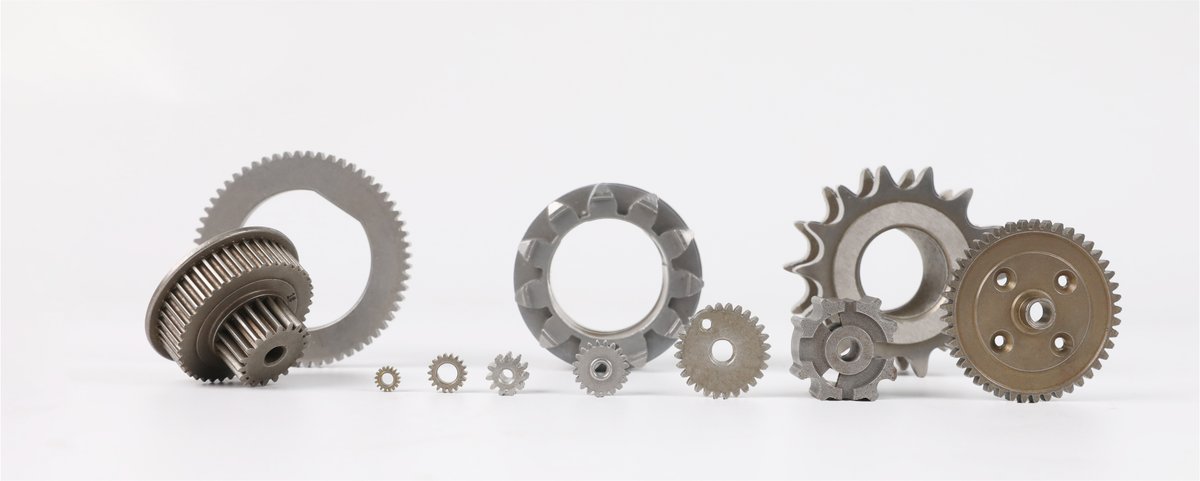
Powder metallurgy is a manufacturing process that uses metal powder, or a mixture of metal and non-metal powder, as raw material. Parts or materials are produced through compaction and sintering. It is commonly used for components that are close to...

Read more

Why Engineers Are Replacing Metal Parts With Zirconia Ceramic Components
Why Engineers Are Replacing Metal Parts With Zirconia Ceramic Components

Small Zirconia Parts Require More Than Just High-Performance Materials In medical devices, semiconductor equipment, and precision automation systems, more engineers are turning to zirconia ceramic components as alternatives to traditional metal parts. The reason is not simply higher hardness. In...

Read more

Ceramic Plunger Material Guide: Zirconia, Alumina, and Silicon Carbide vs. Metal Plungers

Ceramic Plunger Material Guide: Zirconia, Alumina, and Silicon Carbide vs. Metal Plungers

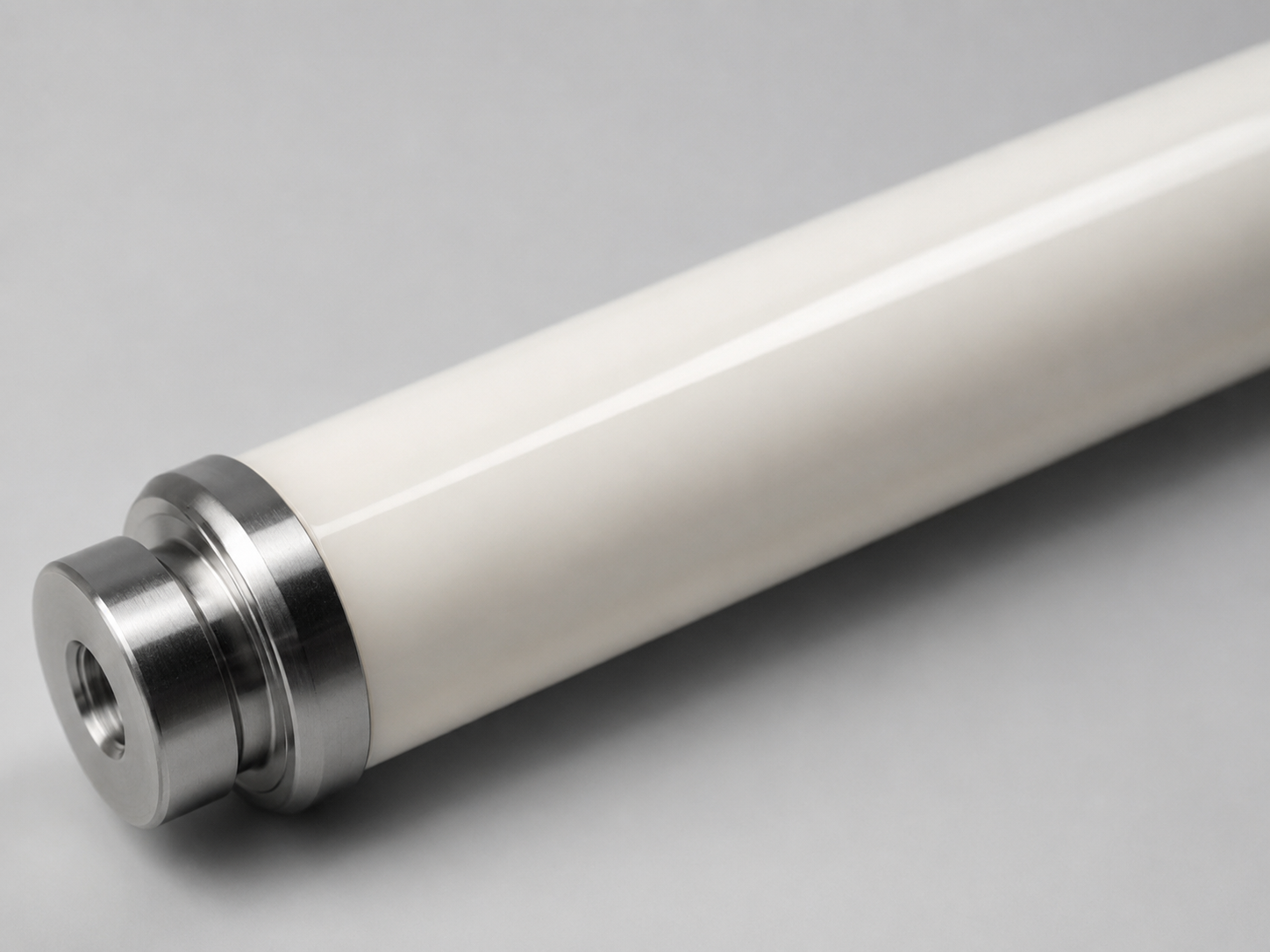
This article helps pump engineers and buyers choose the right plunger material for reciprocating pumps by comparing ceramic options — zirconia, alumina, and silicon carbide — against traditional tungsten carbide and stainless steel plungers. It explains why metal plungers commonly fail in corrosive or abrasive service, breaks down the mechanical and chemical properties that separate each ceramic material, and covers the design parameters (diameter tolerance, straightness, surface finish) that determine plunger performance regardless of material. The target reader is a pump design engineer or maintenance buyer deciding which plunger material fits a specific fluid, pressure, and duty cycle.
 

Read more

Ceramic Plunger Sleeve Assembly for Metering Pumps | Selection Manufacturing Guide

Ceramic Plunger Sleeve Assembly for Metering Pumps | Selection Manufacturing Guide

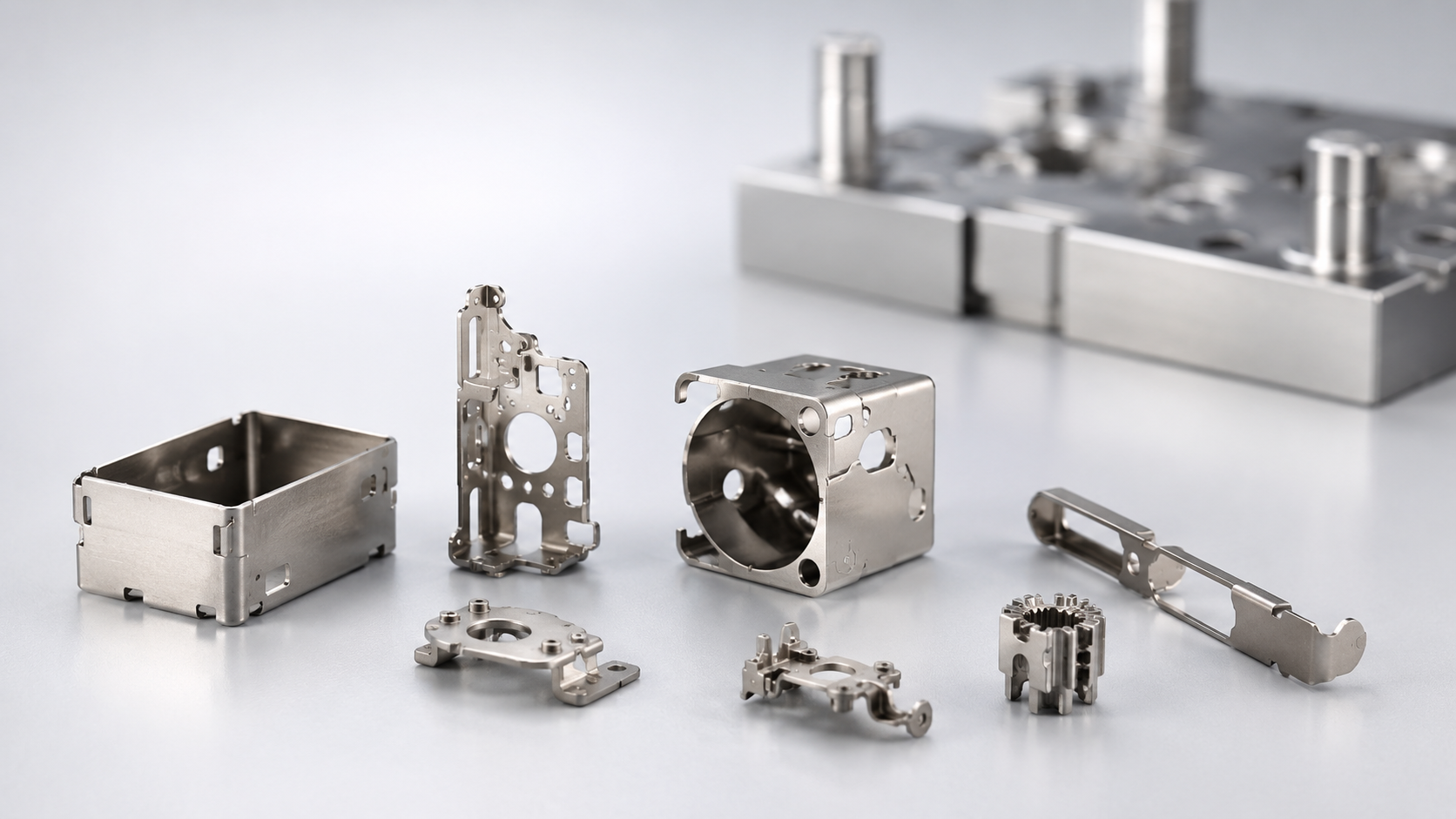
Focusing on metering pump leakage, unstable flow and rapid wear issues, this guide introduces custom ceramic plunger sleeve assemblies. It covers material comparison, plunger-sleeve clearance design, matched manufacturing benefits, key precision specifications, typical applications and common sourcing errors, offering technical support for new equipment development and metal plunger upgrading.
Read more

Small Precision Thin Wall Metal Injection Moulding for Complex Parts
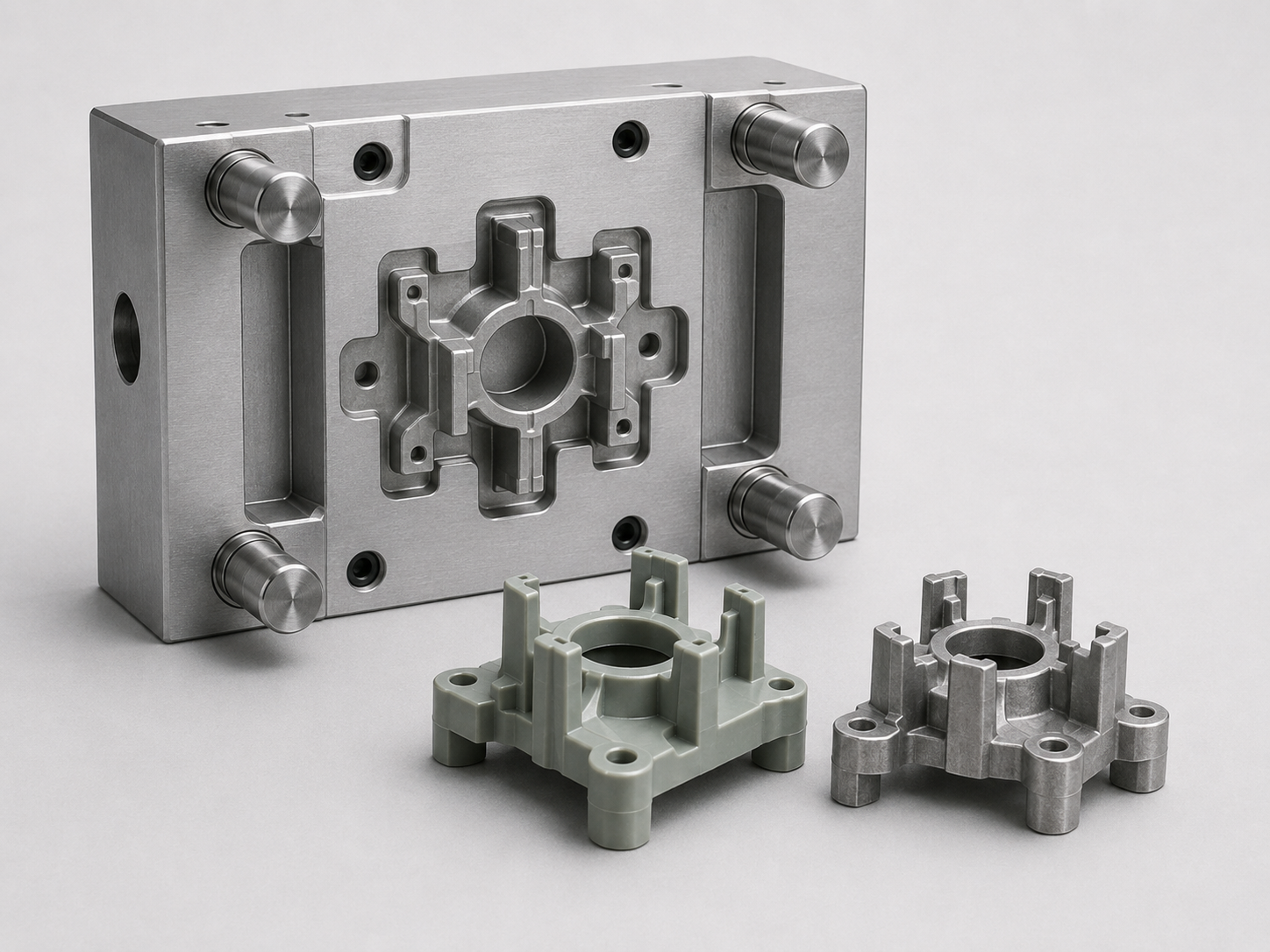
Small Precision Thin Wall Metal Injection Moulding for Complex Parts

For small metal parts with thin walls, complex geometry and high annual volumes, CNC machining can become expensive and inefficient. XY-GLOBAL provides small precision thin wall metal injection moulding services for customers who need compact metal components with repeatable dimensions,...

Read more

Reduce MIM Tooling Risks with DFM and Shrinkage Compensation

Reduce MIM Tooling Risks with DFM and Shrinkage Compensation

Learn how DFM and MIM mold shrinkage compensation help reduce tooling changes, sintering deformation, and dimensional risks before mass production.

Read more