

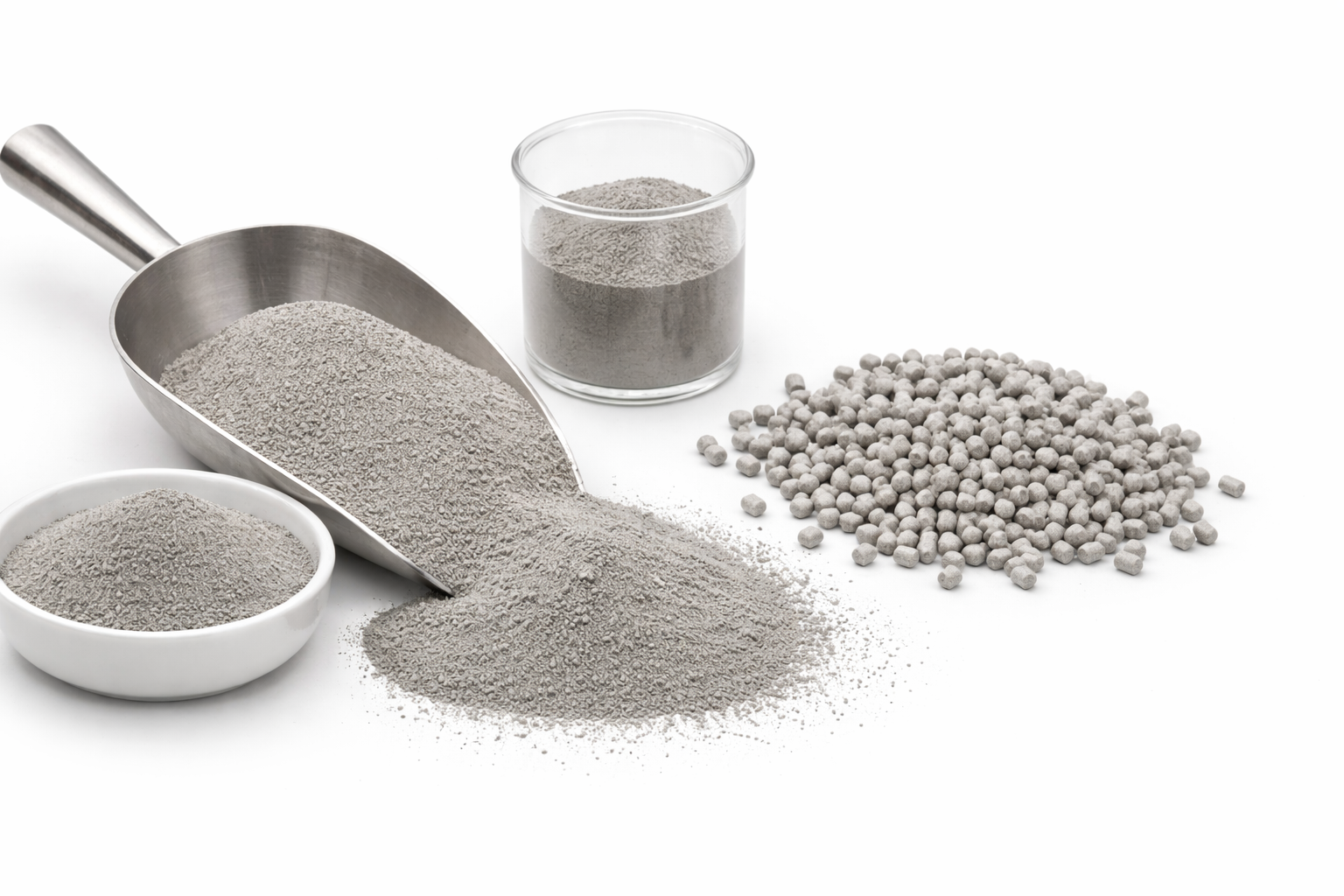

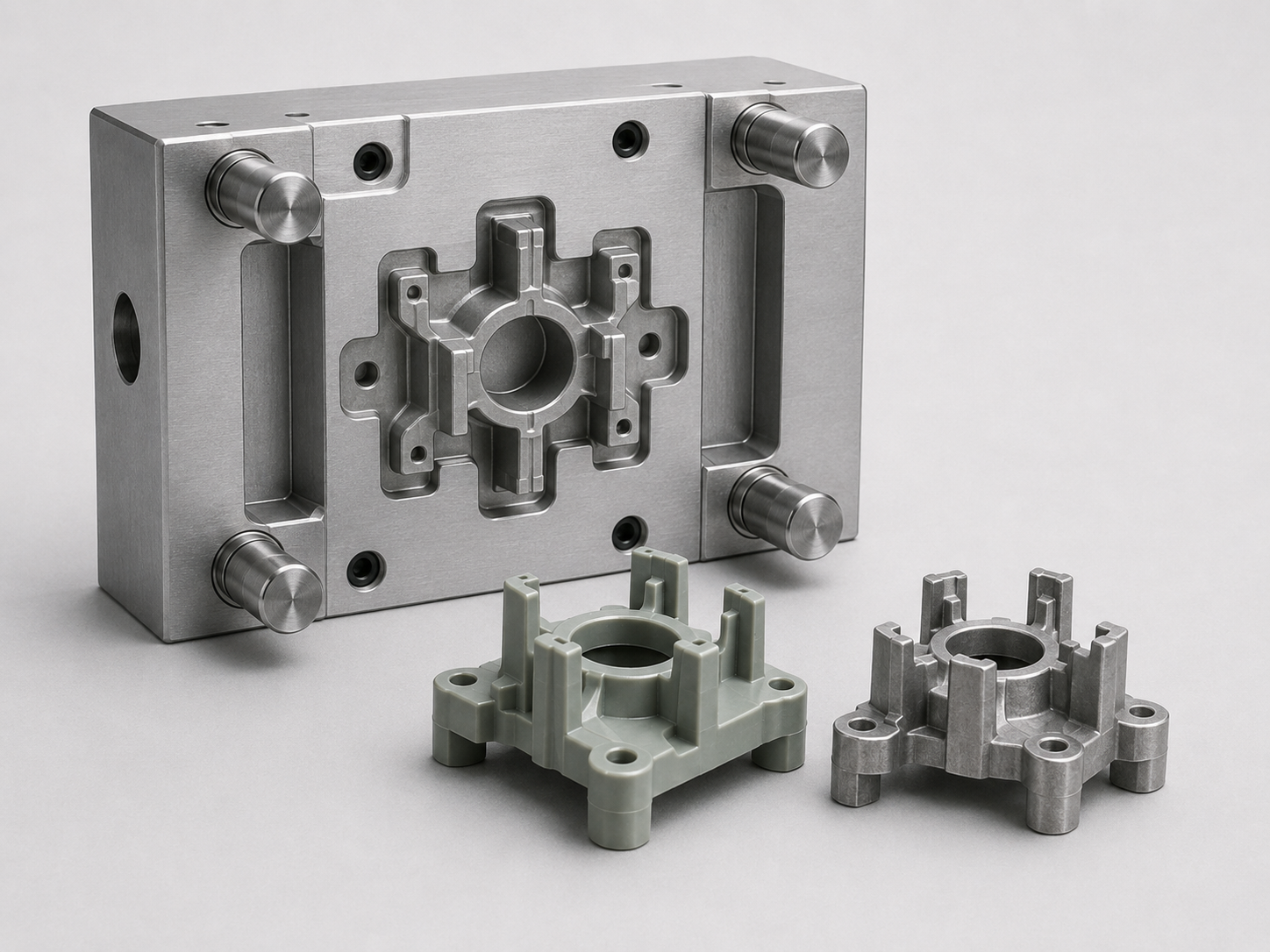
1. ¿Qué es el material MIM?

2. Ventajas de los materiales MIM
- Rendimiento avanzado del material: MIM ofrece propiedades similares a las forjadas: el 316L alcanza 550 MPa de resistencia a la tracción y 45% de elongación (95% del rendimiento forjado), al tiempo que utiliza >95% de aleaciones costosas como el titanio y el Inconel, superando con creces la eficiencia del material del 40% del CNC.
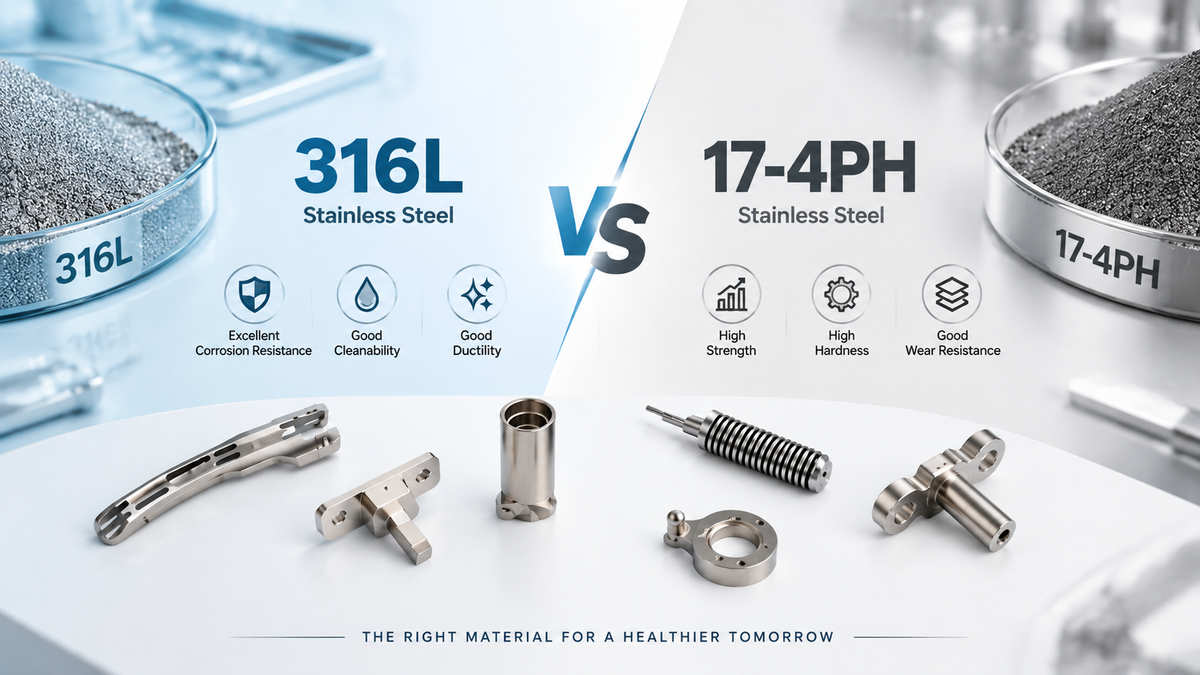
- Geometrías complejas con libertad de ingeniería: Produzca formas 3D intrincadas (socavados, paredes delgadas de 0,3 mm o más, microcaracterísticas) utilizando más de 50 aleaciones, desde el 316LVM de grado médico hasta el 17-4PH de alta resistencia (1200 MPa), imposibles o demasiado costosas de fabricar mediante mecanizado o fundición tradicionales.
- Precisión y consistencia microestructural: La estructura isotrópica de grano fino (97-99% de densidad) garantiza tolerancias de ±0,3% en la producción de alto volumen, con superficies sinterizadas de Ra 1,2 μm que requieren un acabado mínimo, lo que elimina los defectos de fundición como la porosidad o los problemas de flujo de grano.
- Rentable a escala: El alto costo inicial de las herramientas produce costos por pieza entre un 60 y un 70% por debajo del CNC para componentes complejos, aprovechando un desperdicio de material casi nulo y superficies listas para la producción que reducen las operaciones secundarias en más del 50% en comparación con las fundiciones.
3. Opciones y selección de materiales MIM
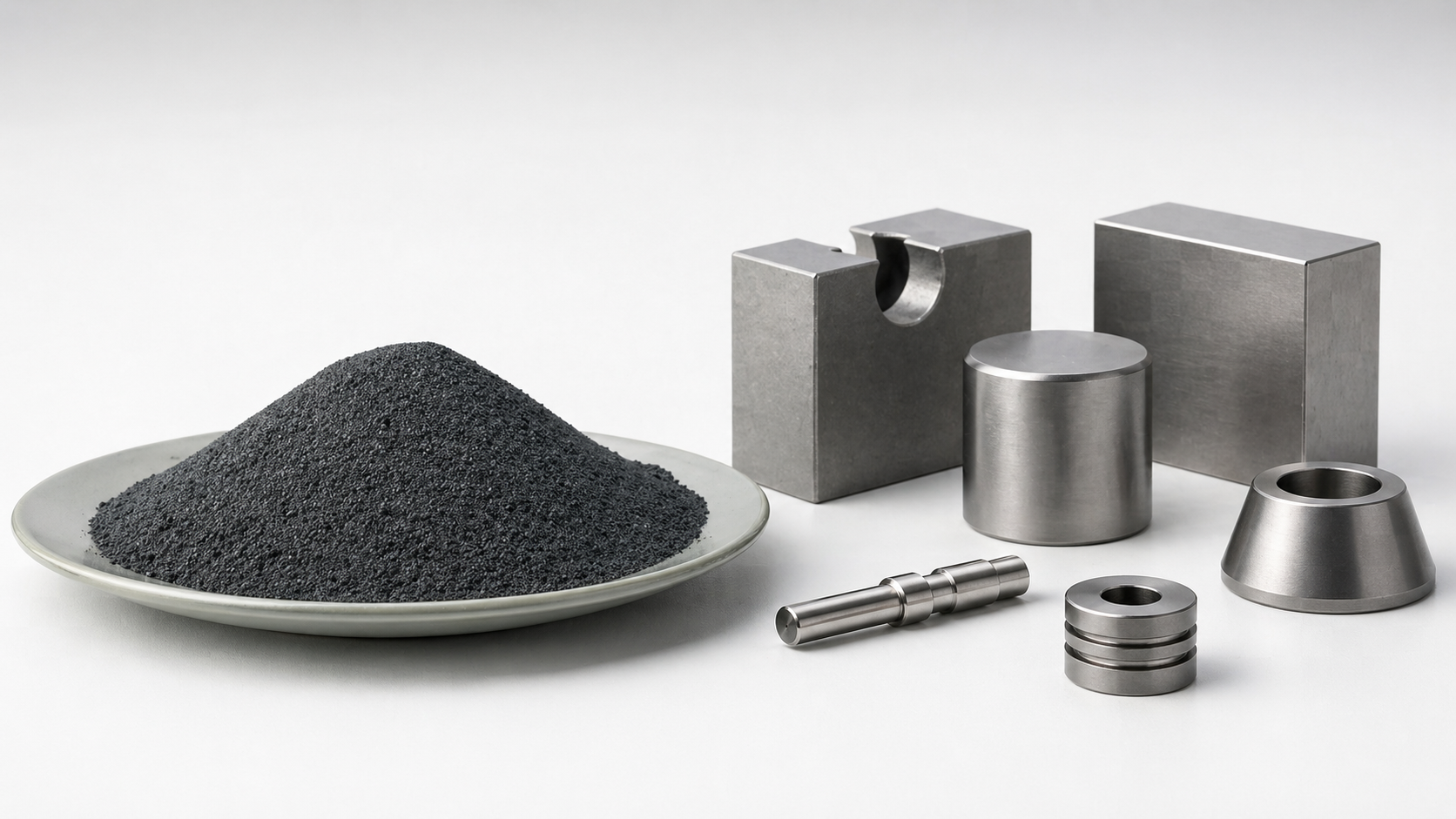
La versatilidad del moldeo por inyección de metales reside en su amplia gama de opciones de materiales.
3.1 Tipos de materiales MIM
MIM ofrece más de 50 aleaciones de ingeniería, categorizadas por aplicación y rendimiento. Puede elegir la perfecta para sus necesidades.
Serie de acero inoxidable
Según Research Nester (2025) e IMARC Group (2024), el acero inoxidable domina las aplicaciones de materiales MIM, representando aproximadamente el 38-52% de la cuota de mercado.
Aleaciones de titanio y refractarias
Las aleaciones de titanio y refractarias son materiales MIM de primera calidad para aplicaciones de alta gama como implantes y piezas aeroespaciales, siendo el Ti-6Al-4V la opción más popular.
Aceros para herramientas
Si busca aplicaciones de alto desgaste, los aceros para herramientas como el M2/M4 son la opción de material MIM ideal para herramientas de corte y matrices.
Superaleaciones a base de níquel
¿Necesita algo para calor extremo o productos químicos agresivos? El Inconel 718 y superaleaciones de níquel similares son lo que MIM utiliza para esas turbinas aeroespaciales y piezas industriales resistentes.
3.2 Selección de materiales MIM y precisión de tolerancia
3.3 Selección de materiales MIM y rugosidad superficial (Ra)
4. Propiedades químicas de los materiales MIM comunes
-
Acero inoxidable (SS316L): Excelente resistencia a la corrosión y buena resistencia a altas temperaturas.
-
Aleaciones de titanio: Alta resistencia y resistencia a la corrosión, especialmente en entornos hostiles.
-
Aleaciones de níquel: Con resistencia a altas temperaturas, estos materiales son ideales para aplicaciones aeroespaciales.
5. Industrias y artículos fabricados con MIM comunes
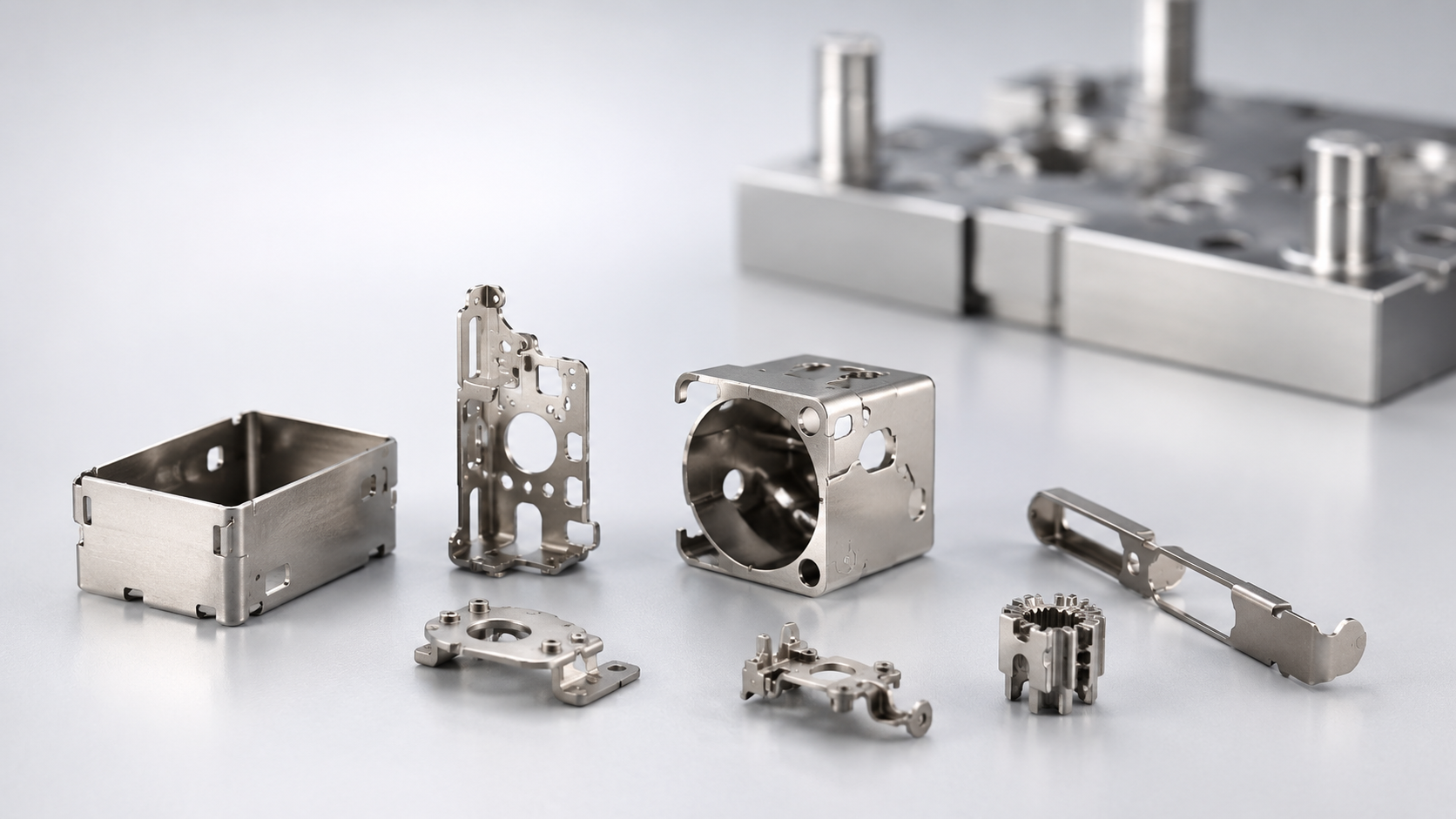
Aplicaciones verticales de la industria
-
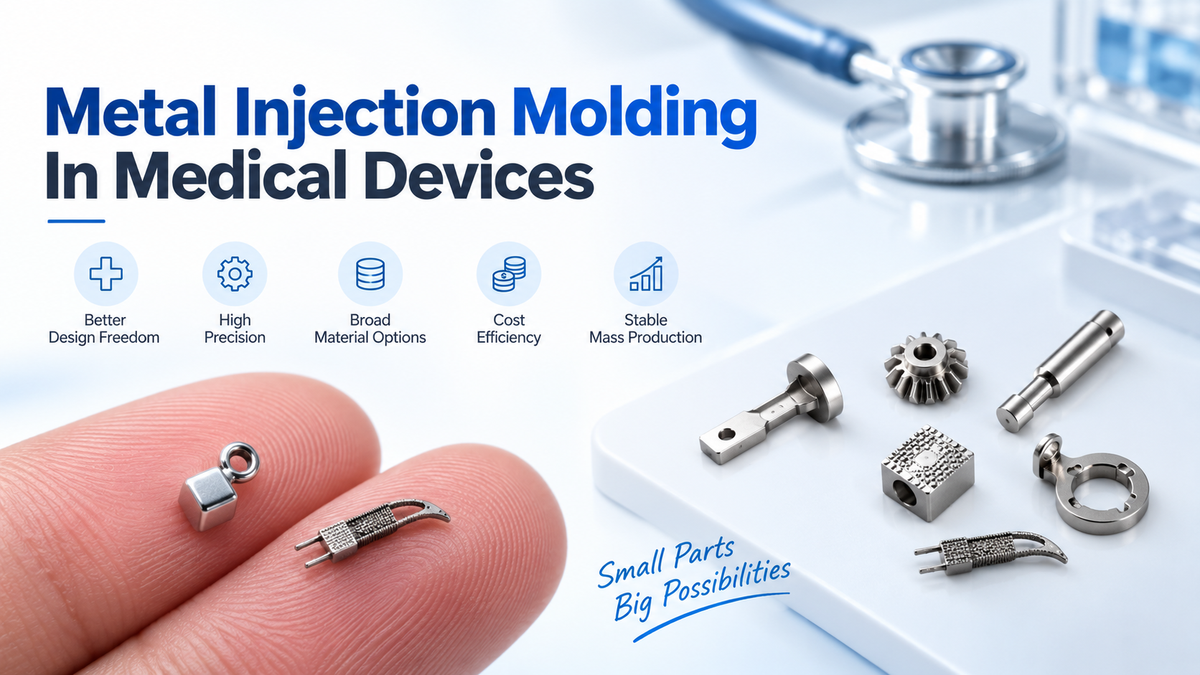
Dispositivos médicos: MIM es ideal para crear piezas intrincadas como instrumentos quirúrgicos, implantes y componentes biocompatibles. Las propiedades clave del material para dispositivos médicos incluyen biocompatibilidad, resistencia a la corrosión y compatibilidad con la esterilización.
-
Aeroespacial: Componentes como álabes de turbina, soportes y sujetadores se fabrican utilizando materiales MIM. Los materiales aeroespaciales requieren rendimiento a alta temperatura, resistencia a la fatiga y baja densidad.
-
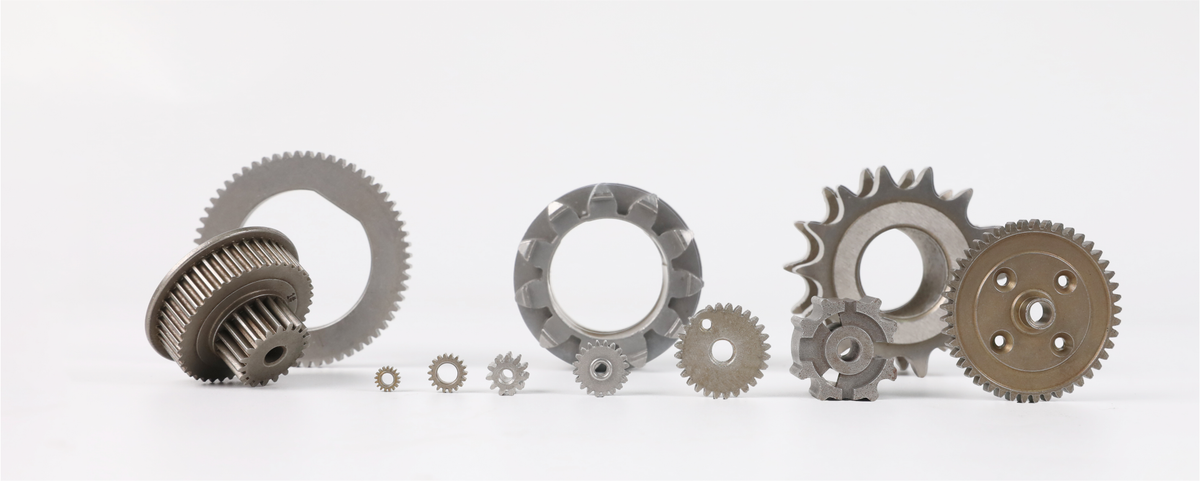
Automotriz: MIM se utiliza ampliamente para fabricar piezas como engranajes, sensores y válvulas. Para los componentes automotrices, propiedades como el rendimiento magnético, la dureza y la resistencia al desgaste son esenciales.
-
Electrónica de consumo: MIM puede fabricar piezas como conectores y carcasas. En esta industria, la precisión, la estética y la conductividad térmica son cruciales.
6. Materiales MIM que ofrecemos
En XY-GLOBAL, ofrecemos soluciones integrales de materiales MIM diseñadas para igualar la integridad mecánica de los componentes forjados.
| Familia de materiales | Aleaciones específicas | Aplicaciones típicas | Ventajas clave |
|---|---|---|---|
| Acero inoxidable | 17-4PH, 316L, 420SS | Dispositivos médicos, hardware electrónico, aeroespacial | Alta resistencia tratable térmicamente, no magnético resistente a la corrosión, dureza y resistencia al desgaste superiores |
| Aleaciones de titanio | Ti-6Al-4V ELI, Ti puro | Implantes médicos, aligeramiento aeroespacial | Relación resistencia-peso ultraalta, biocompatibilidad perfecta, grano fino con 98% de densidad |
| Aleaciones de cobre | Cu, W-Cu | Disipación de calor electrónica, conexiones conductoras | 95% IACS de conductividad eléctrica, alta conductividad térmica, baja expansión |
| Aleaciones de tungsteno | Aleación pesada de W puro | Penetradores militares, pesaje de precisión | 17 g/cm³ de densidad, excelente tenacidad al impacto, estabilidad a alta carga |
| Metales duros | WC-5Co, WC-10Co | Brocas de corte, moldes resistentes al desgaste | Ultra dureza HV1800, tenacidad antichipping, vida útil de la herramienta duplicada |
| Acero para herramientas | M2, M42, T15 | Herramientas de corte, moldes de precisión | Dureza en caliente y resistencia al desgaste HRC63-68, formas complejas cercanas a la forma final |
| Acero de baja aleación | Serie 1000, 52100 | Rodamientos, piezas mecánicas | Cementación, alta resistencia al desgaste y la fatiga, 60% de ahorro de costos |
| Materiales magnéticos blandos | Fe-3%Si, Fe-50%Ni | Bobinas electromagnéticas, relés | Baja pérdida de núcleo, alta permeabilidad, rendimiento equivalente a la forja |
7. Preguntas frecuentes sobre materiales MIM
1. ¿Qué es MIM?
Los materiales MIM ofrecen una excelente resistencia al desgaste, estabilidad a altas temperaturas, fuerte resistencia a la corrosión y una biocompatibilidad superior para aplicaciones exigentes.
Compartir:
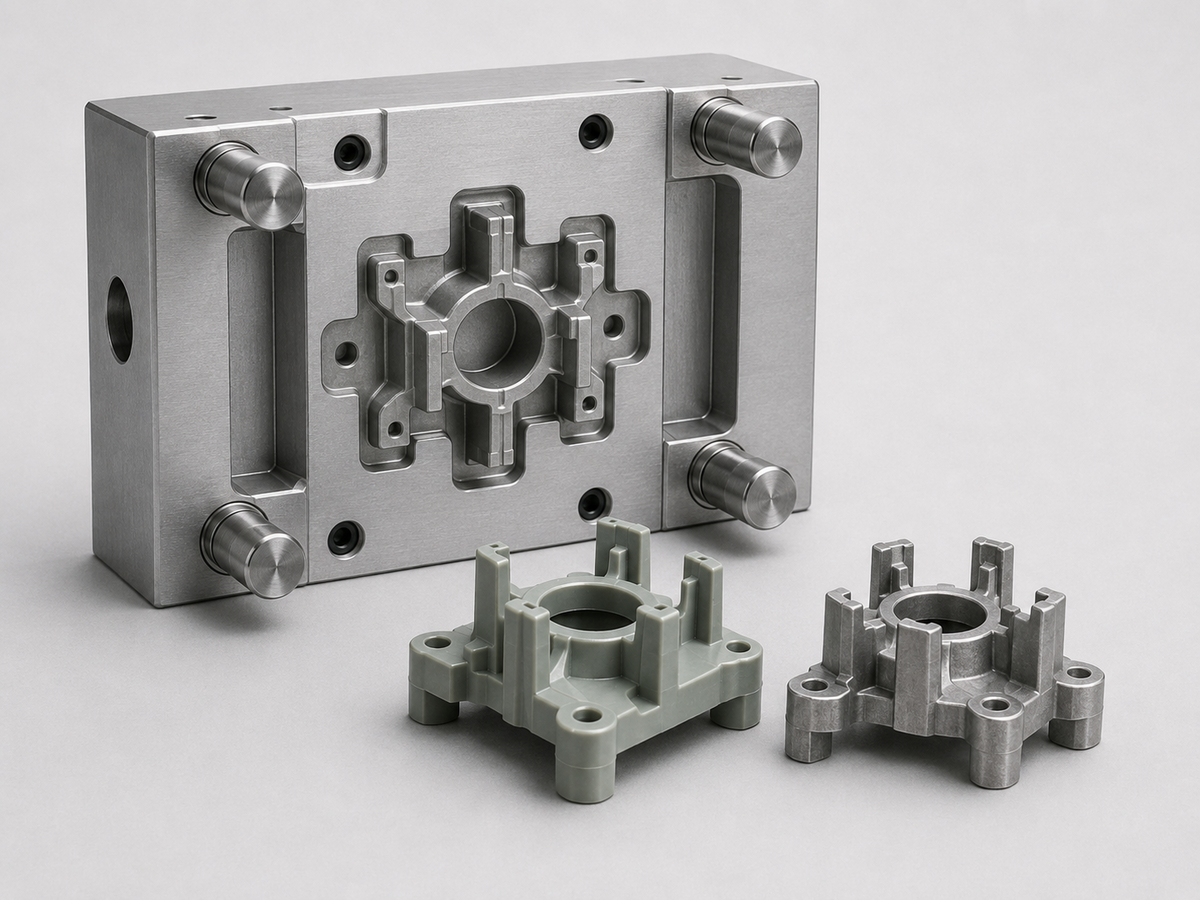
Metalurgia de polvos metálicos: No es el proceso adecuado para cada pieza, pero sí uno sólido para las piezas correctas.
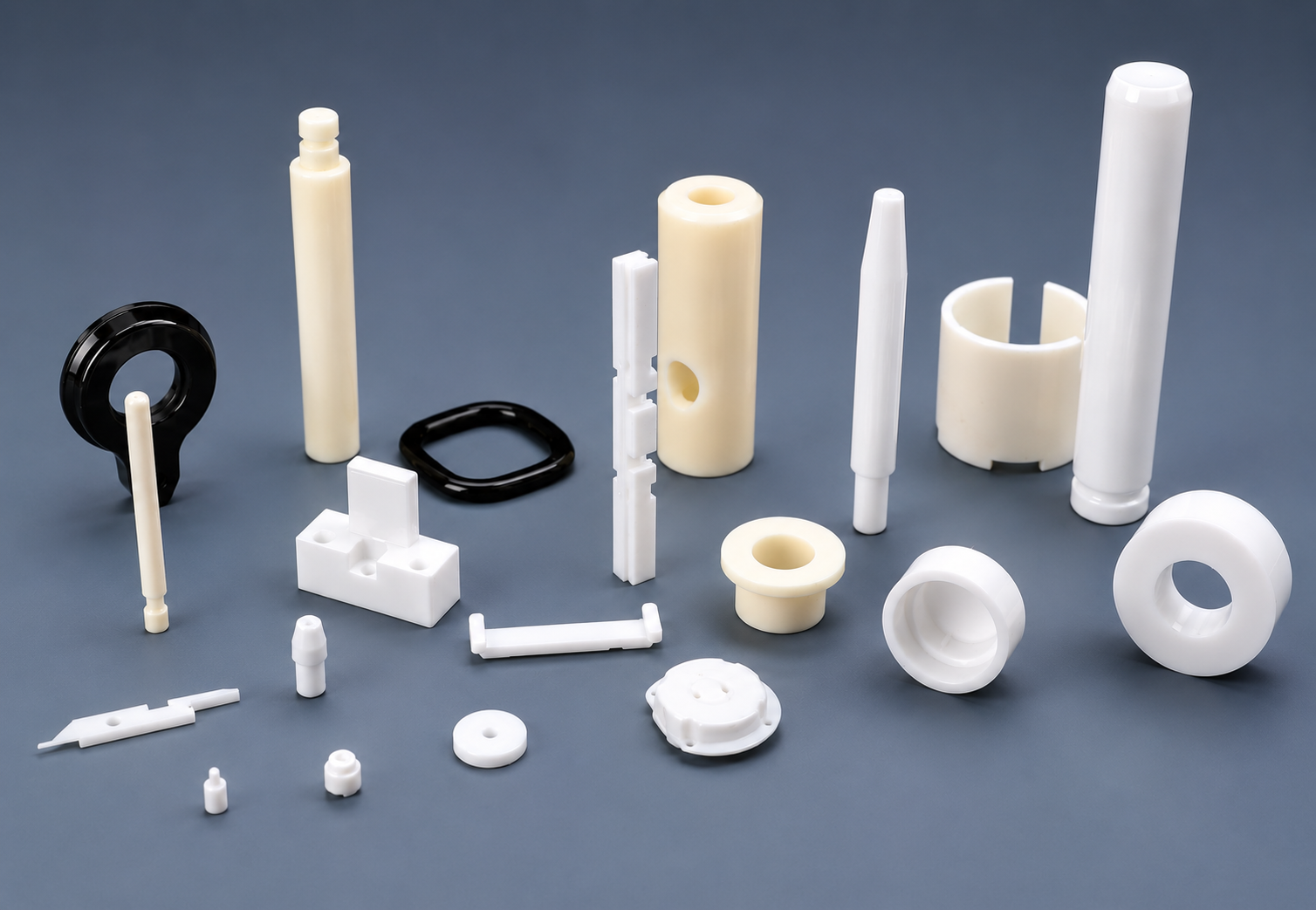
Aplicación de moldeo por inyección de cerámica: una guía completa de soluciones industriales