

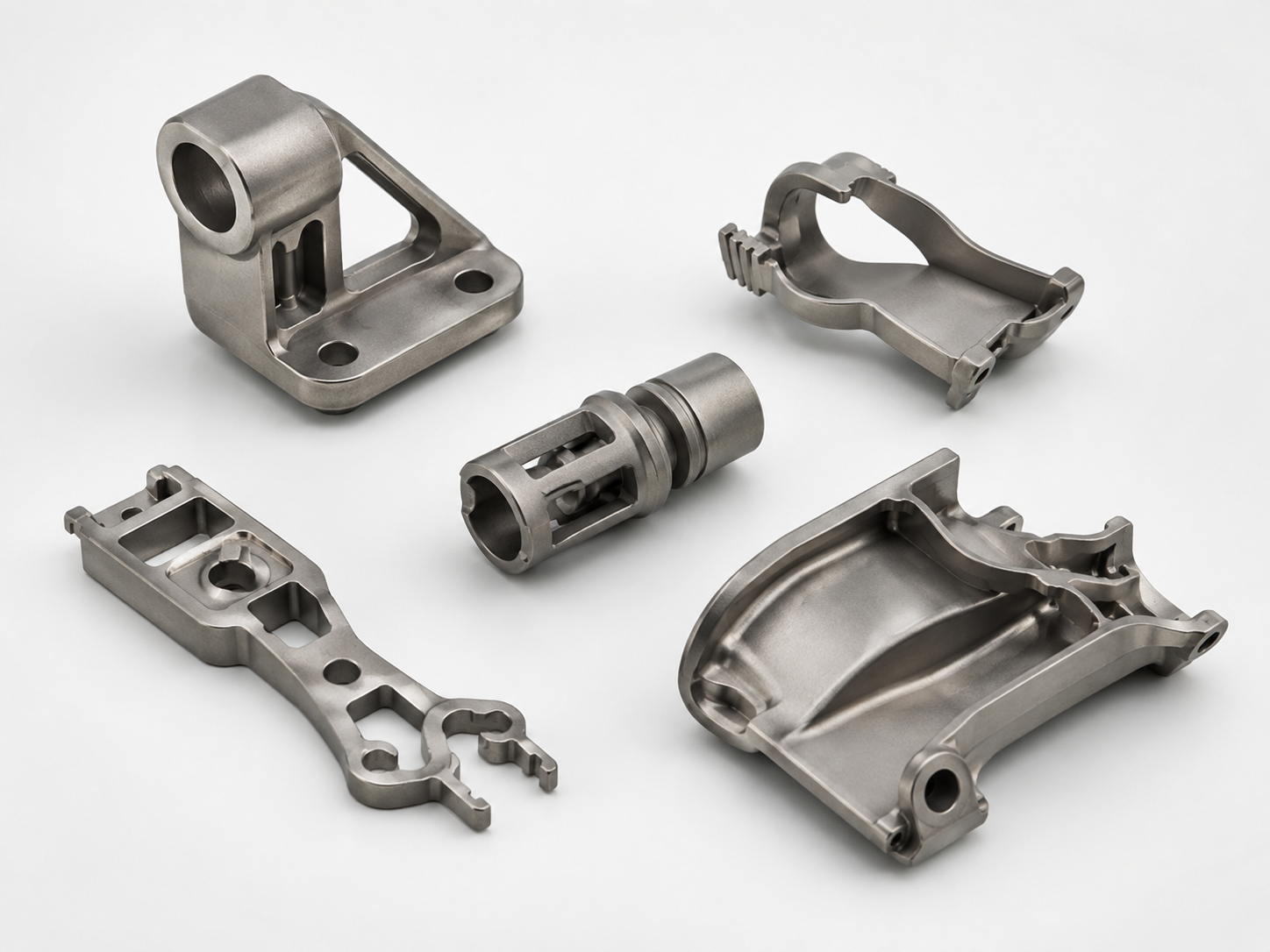
Cuando los clientes buscan moldeo de titanio, a menudo buscan una forma práctica de producir piezas de titanio pequeñas y complejas en cantidades repetibles. En la fabricación, esto generalmente se refiere al moldeo por inyección de metal de titanio, también conocido como Titanium MIM o TiMIM.
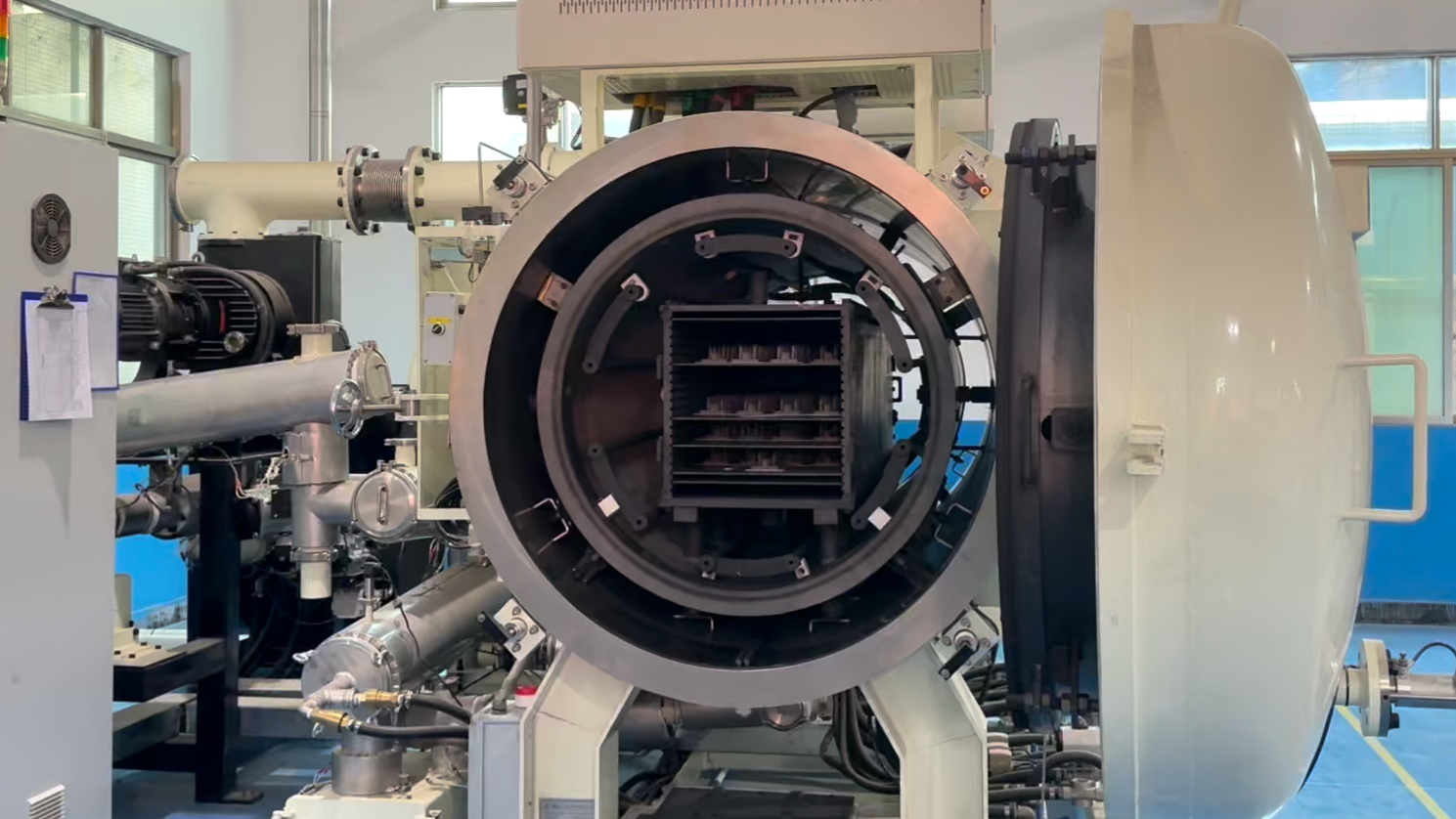
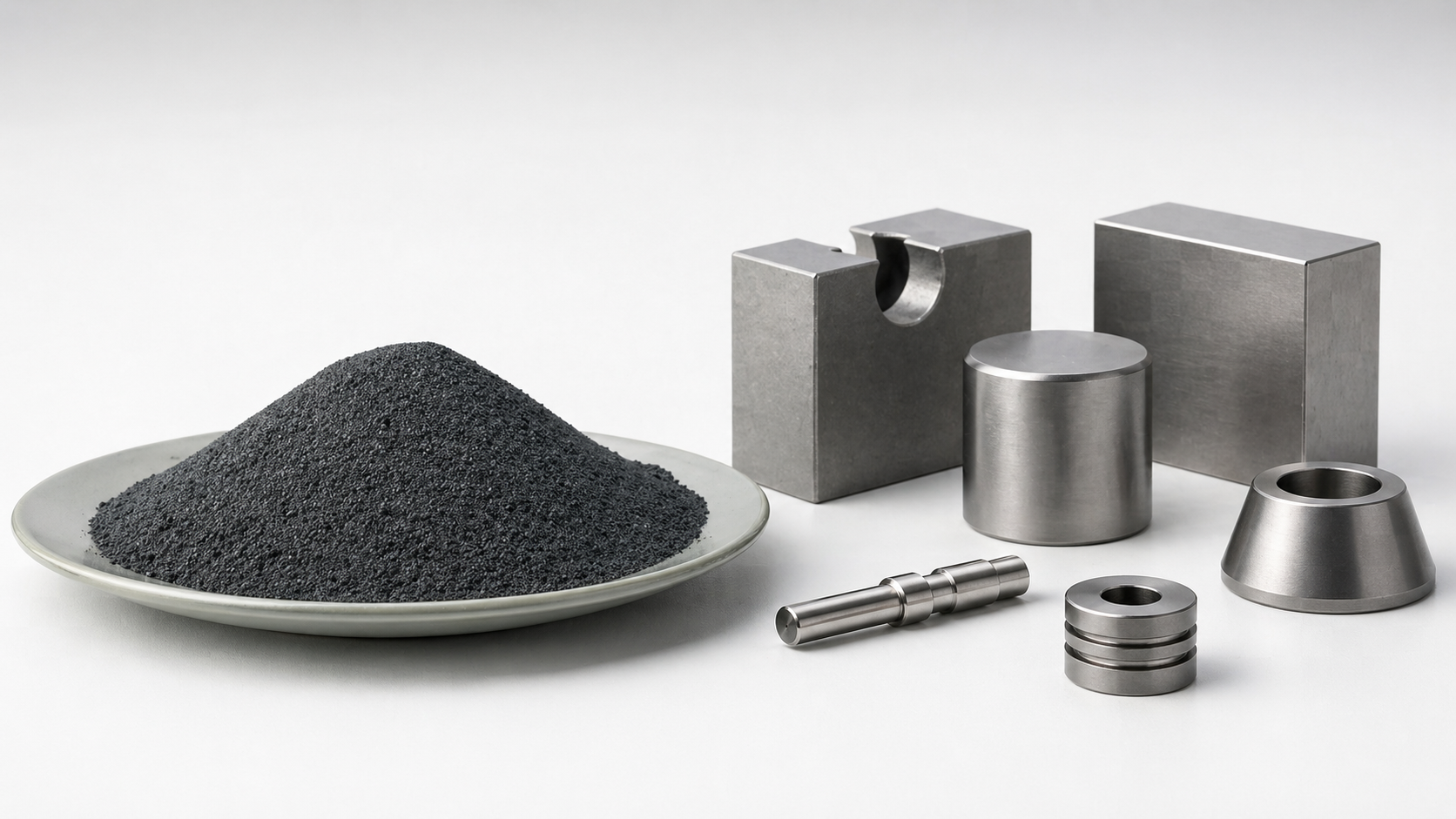
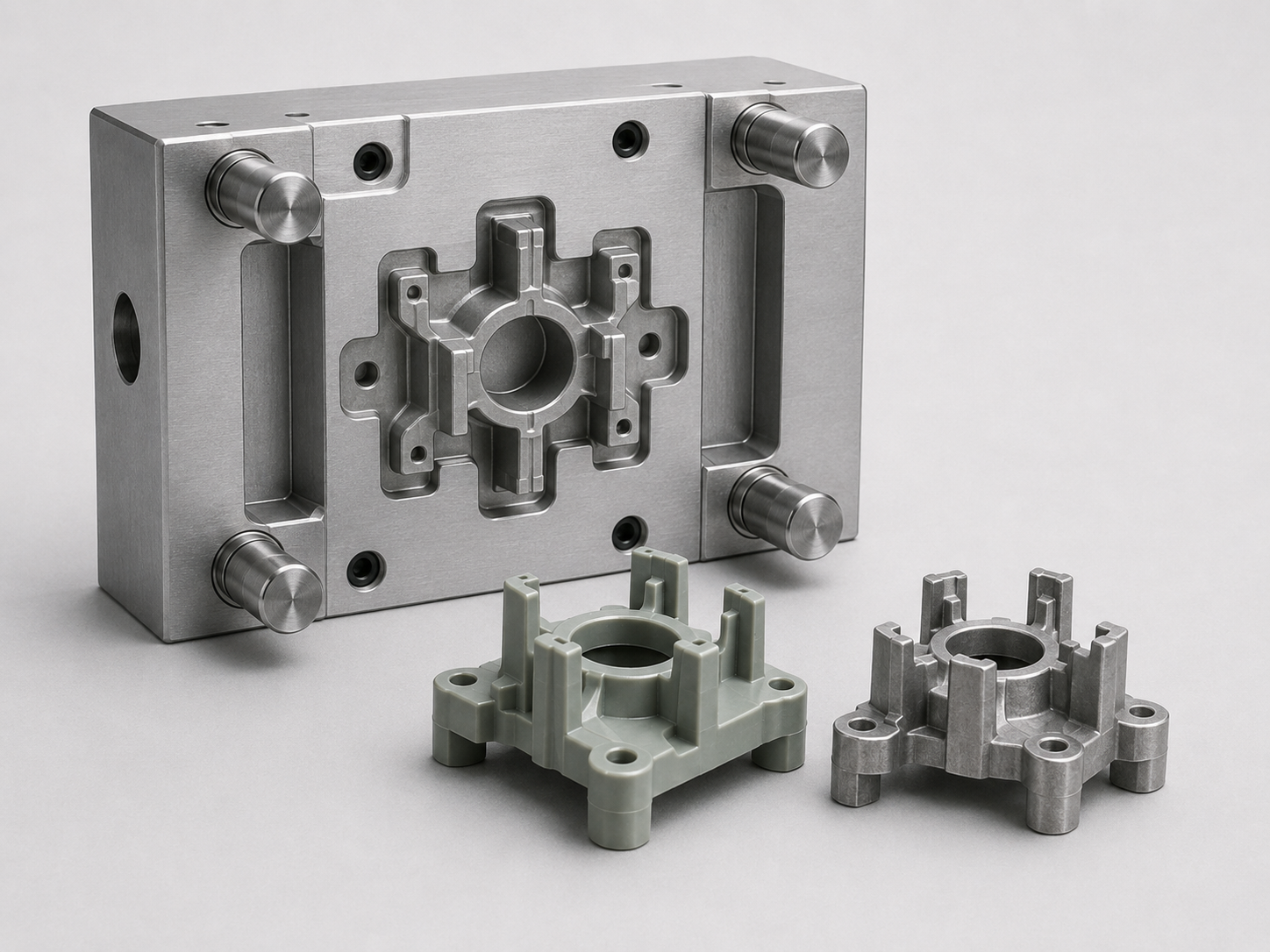
El MIM de titanio no es lo mismo que el moldeo por inyección de plástico. Utiliza polvo de aleación de titanio mezclado con un aglutinante para crear la materia prima. La materia prima se moldea por inyección en una pieza casi acabada, luego pasa por desaglomeración, sinterización y mecanizado o acabado secundario cuando es necesario.
Para componentes de titanio pequeños y complejos con una demanda de lotes estable, el MIM de titanio puede reducir el tiempo de mecanizado CNC y el desperdicio de material. Sin embargo, no es adecuado para todas las piezas de titanio. El proceso correcto depende del tamaño de la pieza, la geometría, la cantidad, las tolerancias críticas y los requisitos de la aplicación.

¿Cuándo es adecuado el MIM de titanio?
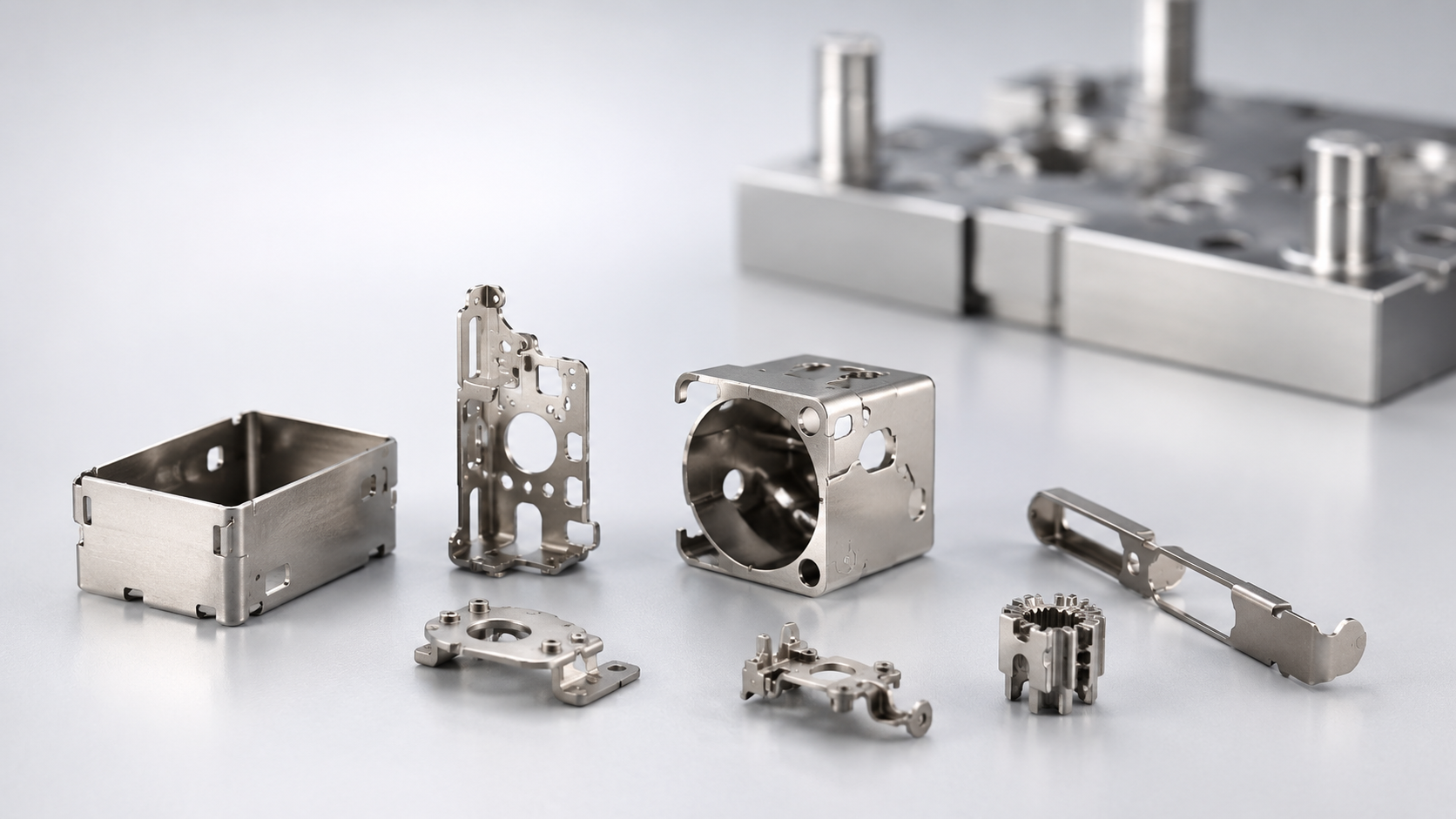
El MIM de titanio suele considerarse para piezas de titanio pequeñas y complejas donde el mecanizado CNC se vuelve ineficiente o costoso debido a múltiples configuraciones, alta remoción de material o características difíciles.
Las piezas típicas de MIM de titanio pueden incluir:
- Pequeños soportes, clips, conectores y piezas estructurales de titanio
- Componentes de precisión para dispositivos o instrumentos médicos
- Piezas de titanio ligeras para dispositivos electrónicos
- Piezas con agujeros, ranuras, escalones, paredes delgadas o superficies curvas
- Pequeños componentes de titanio que requieren una producción repetida estable
Si la pieza es simple, grande, de bajo volumen o aún cambia con frecuencia, el mecanizado CNC puede ser más flexible. El MIM de titanio se vuelve más atractivo cuando el diseño es estable y la demanda pasa de prototipos a cientos, miles o producción de mayor volumen.
En términos simples, el MIM de titanio no se trata principalmente de hacer una pieza más barata. Su valor radica en producir piezas de titanio pequeñas y complejas de manera más eficiente en lotes repetibles.

Material común: Ti-6Al-4V
Ti-6Al-4V es una de las aleaciones de titanio comúnmente utilizadas para piezas de MIM de titanio. Se selecciona por su relación resistencia-peso, resistencia a la corrosión y rendimiento mecánico general.
Se puede utilizar para componentes industriales de precisión, piezas de dispositivos médicos, componentes aeroespaciales y piezas estructurales electrónicas de alta gama. Para aplicaciones médicas, aeroespaciales u otras aplicaciones de alta exigencia, la calidad del material, las propiedades mecánicas, el estado de la superficie, los estándares de inspección y los requisitos de certificación deben revisarse antes de la producción.
Para orificios críticos, superficies de ensamblaje, áreas de sellado o características de alta precisión, es posible que aún se requiera mecanizado CNC secundario, rectificado, pulido u otros procesos de acabado después de la sinterización.

MIM de titanio vs. piezas de titanio mecanizadas por CNC
El mecanizado CNC es adecuado para prototipos, piezas de bajo volumen, geometría simple, tolerancia local ajustada y proyectos donde el diseño aún puede cambiar. Es flexible y no requiere herramientas.
El MIM de titanio es más adecuado para piezas pequeñas y complejas con una demanda de lotes estable. Puede formar la mayor parte de la geometría compleja durante la etapa de moldeo, reduciendo la cantidad de mecanizado secundario y el desperdicio de material de titanio.
Sin embargo, el MIM de titanio requiere herramientas, por lo que el costo inicial y el tiempo de desarrollo son más altos que los de los prototipos CNC simples. Para proyectos en etapa inicial, a menudo es mejor verificar el diseño mediante mecanizado CNC primero. Una vez que el diseño es estable y el volumen se aclara, el MIM de titanio puede evaluarse para la producción por lotes.
Un enfoque práctico es:
Utilizar el mecanizado CNC para la validación temprana.
Utilizar el MIM de titanio cuando el diseño es estable y se requiere producción repetida.
Caso de aplicación: Pieza estructural de precisión pequeña de Ti-6Al-4V
En un proyecto típico, un cliente necesitaba un pequeño componente estructural de titanio utilizado dentro de un dispositivo de precisión. El tamaño de la pieza era aproximadamente de 12 mm × 8 mm × 4 mm, con un espesor de pared local de alrededor de 0,6–0,8 mm. El diseño incluía orificios de montaje, escalones de posicionamiento y superficies curvas.

Si se mecanizara completamente por CNC, la pieza requeriría múltiples configuraciones y un largo tiempo de mecanizado. La tasa de remoción de material de titanio también sería alta.
Después de revisar el dibujo, sugerimos desarrollar la pieza mediante MIM de titanio Ti-6Al-4V. El cuerpo principal y la geometría compleja podrían formarse primero mediante MIM. Después de la sinterización, los orificios críticos y las superficies de ensamblaje se terminarían mediante mecanizado secundario.
La primera etapa incluyó 50 muestras de prototipos para pruebas de ensamblaje. Después de que el cliente confirmó el ajuste y la función, el proyecto pasó a un lote piloto de 1.000 piezas. Durante la producción, los principales puntos de control incluyeron:
- Dimensiones críticas de los orificios
- Planitud de la superficie de ensamblaje
- Control de rebabas y bordes afilados
- Control de deformación por sinterización
- Limpieza de la superficie y consistencia de la apariencia
Este caso demuestra que el MIM de titanio no tiene por qué reemplazar completamente al CNC. Una solución mejor a menudo es utilizar MIM para el cuerpo complejo casi a la medida, y luego utilizar el mecanizado secundario solo para las características que afectan directamente el ensamblaje y la función.

Lo que necesitamos para una cotización de MIM de titanio
Para evaluar si una pieza de titanio es adecuada para el moldeo por inyección de metal de titanio, proporcione la siguiente información:
- Dibujo 2D con tolerancias y dimensiones críticas
- Modelo 3D, como STEP, STP, X_T o IGS
- Requisito de material, como Ti-6Al-4V
- Cantidad de prototipos, cantidad de lotes piloto y demanda anual
- Aplicación y entorno de trabajo
- Dimensiones críticas de ensamblaje
- Requisitos de acabado superficial o limpieza
- Informes de inspección, certificados de material u otros documentos de calidad si son necesarios
Si no está seguro de si el MIM de titanio es adecuado para su pieza, puede enviarnos el dibujo y la cantidad estimada primero. Podemos revisar la geometría, el tamaño, la tolerancia y el volumen de producción para ayudar a determinar si el mecanizado CNC o el MIM de titanio es la mejor ruta de fabricación.
Preguntas frecuentes
¿Se puede fabricar titanio mediante moldeo por inyección de metales?
Sí. La aleación de titanio se puede procesar mediante moldeo por inyección de metales para producir piezas pequeñas y complejas. Los términos comunes incluyen MIM de titanio, moldeo por inyección de metales de titanio, TiMIM y moldeo por inyección de titanio.
¿El MIM de titanio siempre es más barato que el mecanizado CNC?
No. Para prototipos de bajo volumen, el mecanizado CNC suele ser más flexible. El MIM de titanio es más adecuado para piezas pequeñas y complejas con una demanda de lotes estable. La ventaja de costo depende de la geometría de la pieza, el material, la cantidad y los requisitos de mecanizado secundario.
¿Qué aleación de titanio se usa comúnmente para el MIM de titanio?
Ti-6Al-4V es una de las aleaciones de titanio comúnmente utilizadas para piezas de MIM de titanio. Es adecuado para componentes estructurales pequeños que requieren un rendimiento ligero, resistencia a la corrosión y buenas propiedades mecánicas.
¿Las piezas de MIM de titanio necesitan mecanizado secundario?
Algunas piezas sí. El MIM puede formar geometrías complejas casi a la medida, pero los orificios críticos, las superficies de ensamblaje, las áreas de sellado o las características de alta precisión pueden requerir mecanizado CNC, rectificado, pulido u otros procesos de acabado.
¿Pueden cotizar si solo tengo un dibujo?
Sí. Puede enviar un dibujo 2D, un modelo 3D, el requisito de material y la cantidad estimada. Revisaremos la estructura de la pieza, la tolerancia y el volumen para evaluar si el MIM de titanio es adecuado para su proyecto.

Compartir:
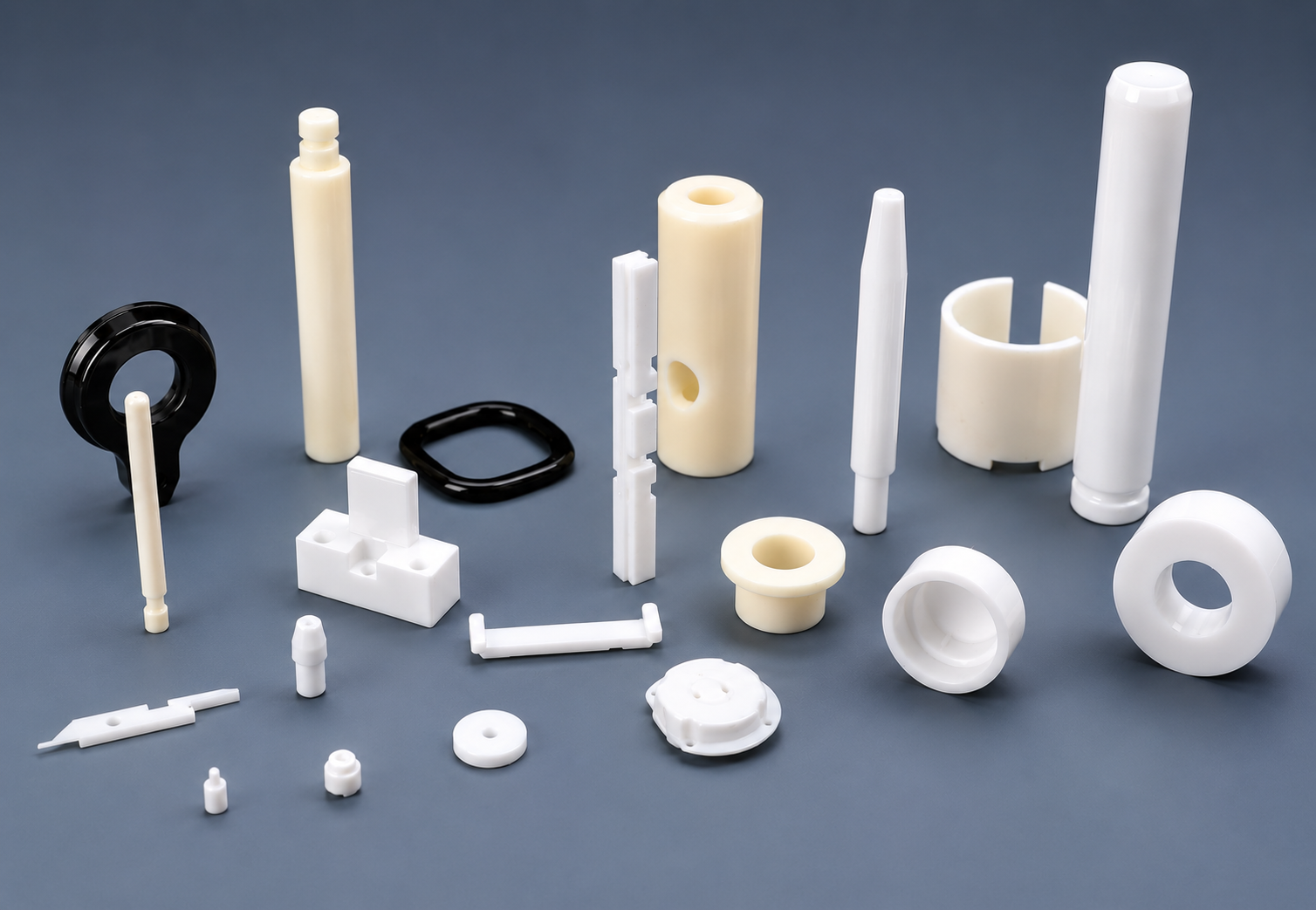
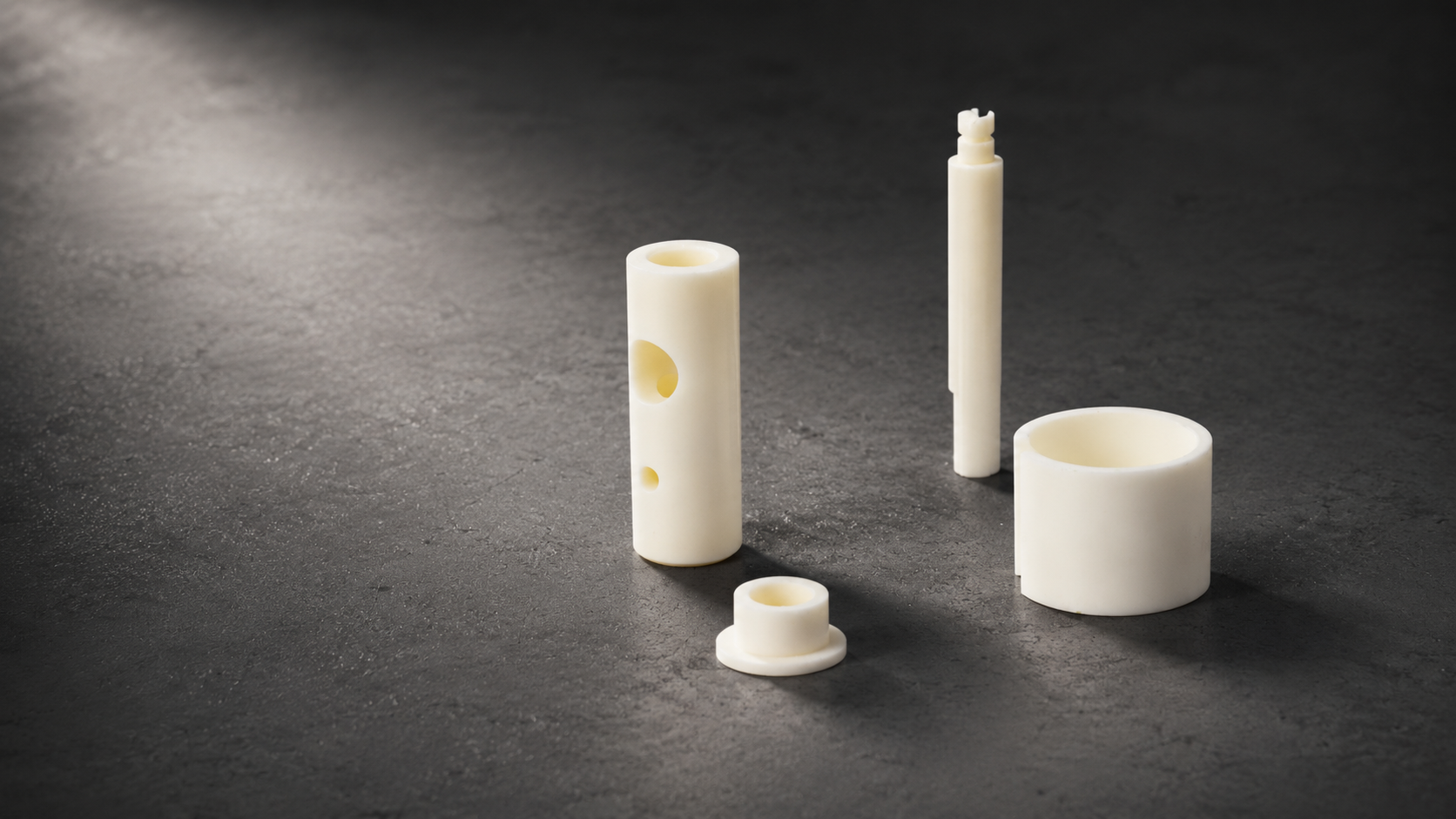
Piezas Cerámicas a Medida para Aplicaciones de Precisión, Resistentes al Calor y al Desgaste
Componentes personalizados de aislamiento cerámico para sondas de termómetros inalámbricos para carne