

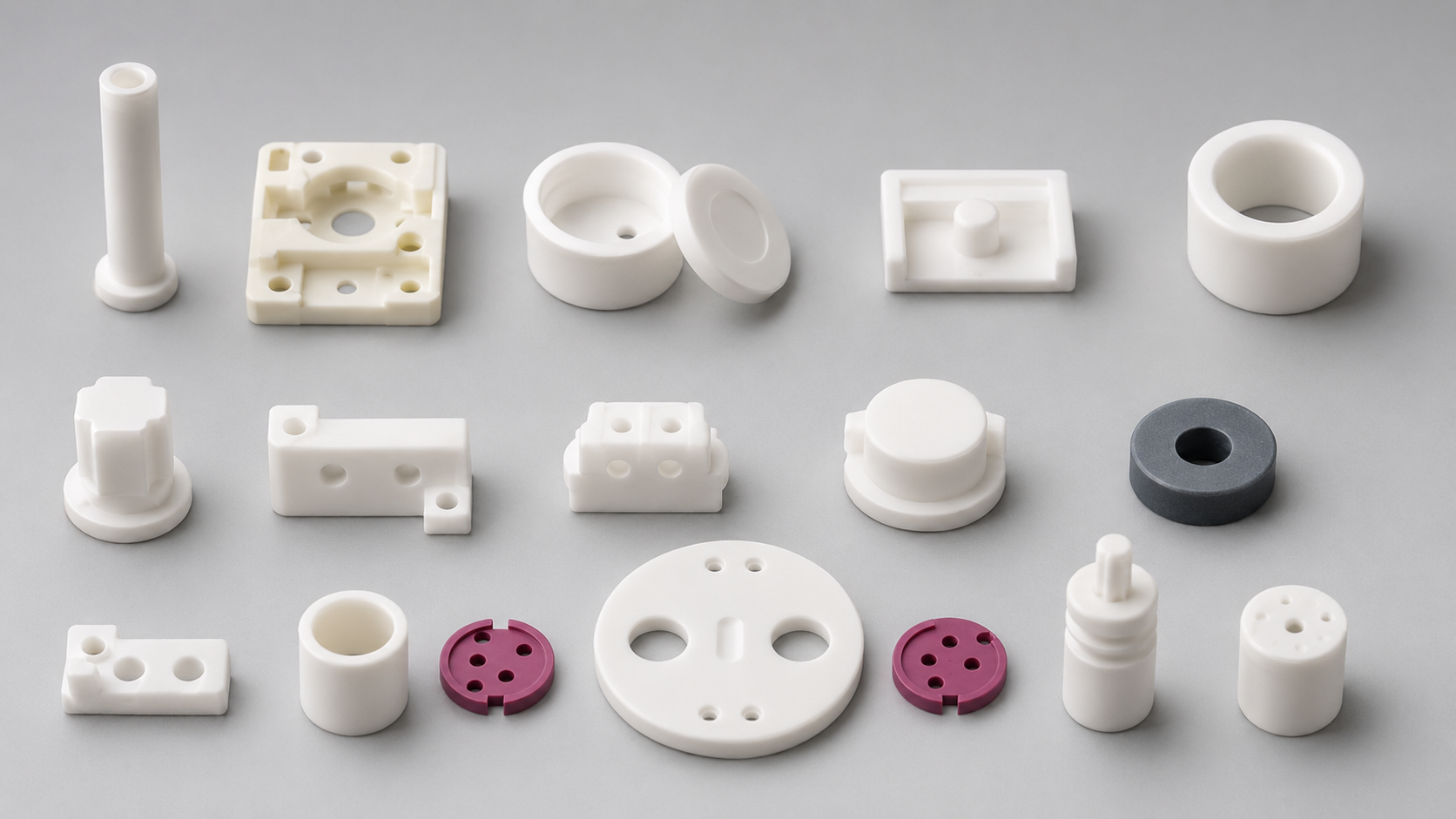
Производитель керамических деталей для прецизионных изделий на заказ
Один из производителей керамических деталей, специализирующийся на высокоточных, индивидуальных керамических компонентах от прототипов до массового производства. Достижение допуска ±1 мкм и чистоты поверхности Ra≤0,01 мкм с помощью CIM, ЧПУ, шлифования и других технологий. Запросите ценовое предложение или загрузите свой чертеж для быстрого получения образца и инженерной оценки.
- Сертификаты ISO 9001 и ISO 13485
- Бесплатный анализ DFM и 0 MOQ
- Быстрое создание прототипа и короткие сроки изготовления
Процесс производства керамических деталей
Начиная от выбора и формовки сырья и заканчивая спеканием и прецизионной доводкой, производство керамических деталей напрямую влияет на прочность, точность и долговечность готовых керамических изделий. XY-GLOBAL, как опытный производитель керамических деталей, сочетает опыт в области материалов и производства для создания керамических деталей со стабильным качеством, надежными сроками поставки и высокой производительностью деталей.
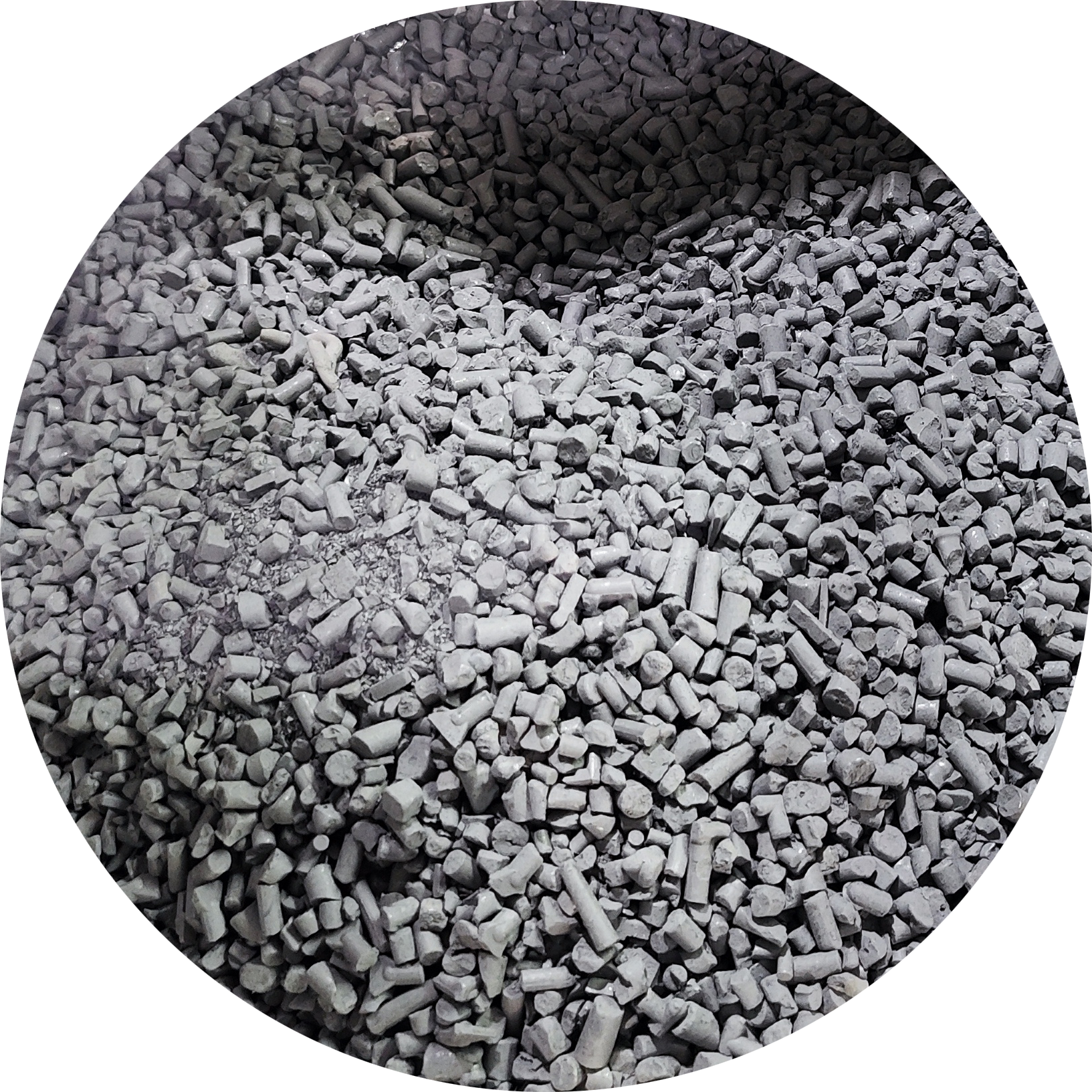
Приготовление порошка
Керамические порошки отбираются и готовятся в соответствии с требуемыми свойствами материала, такими как прочность, износостойкость, изоляция, теплопроводность или коррозионная стойкость.
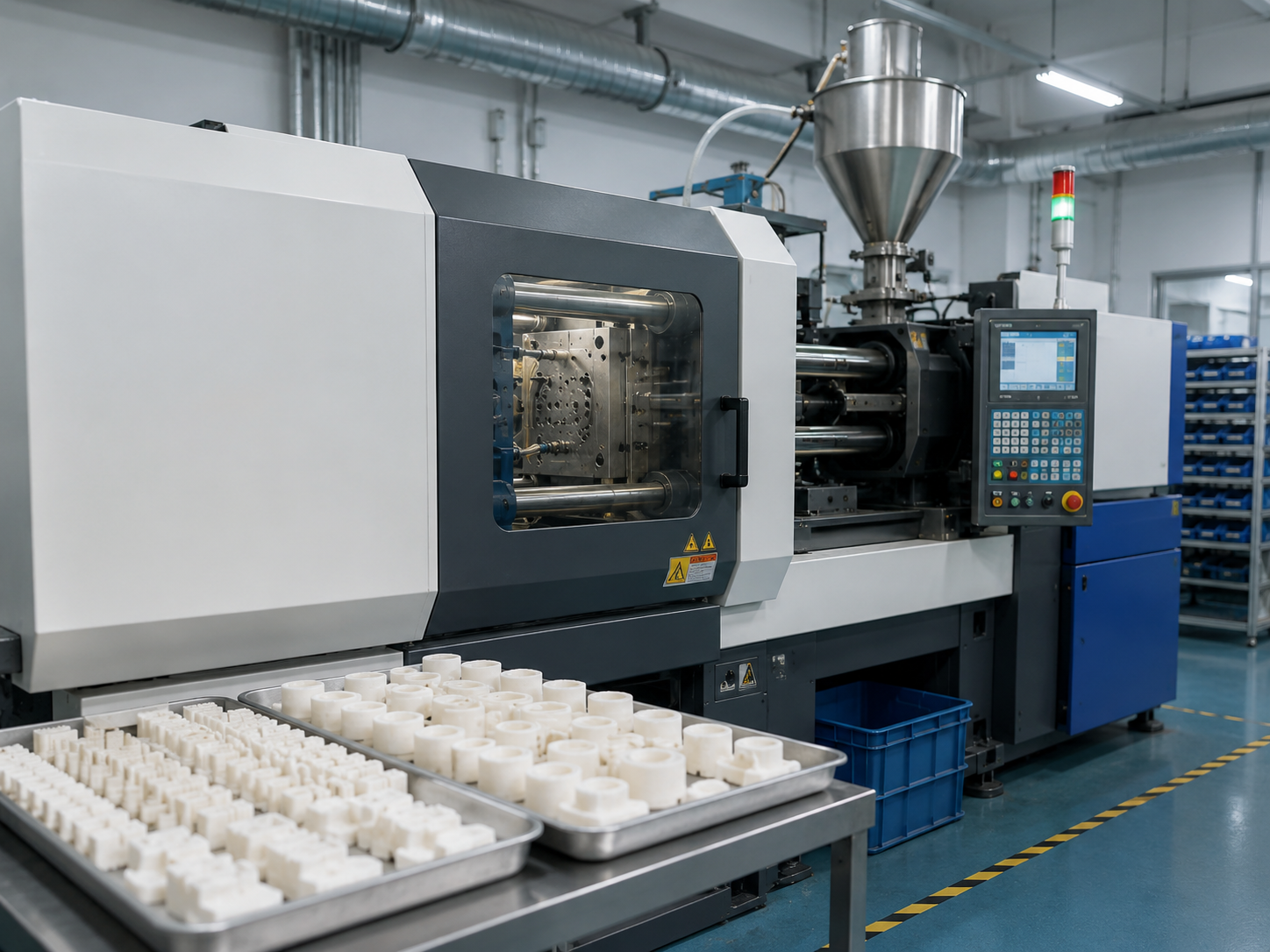
Формирование
Полученный керамический материал формуется в сырое тело с помощью подходящих методов формования, таких как прессование, керамическое литье под давлением, экструзия или другие процессы формования.
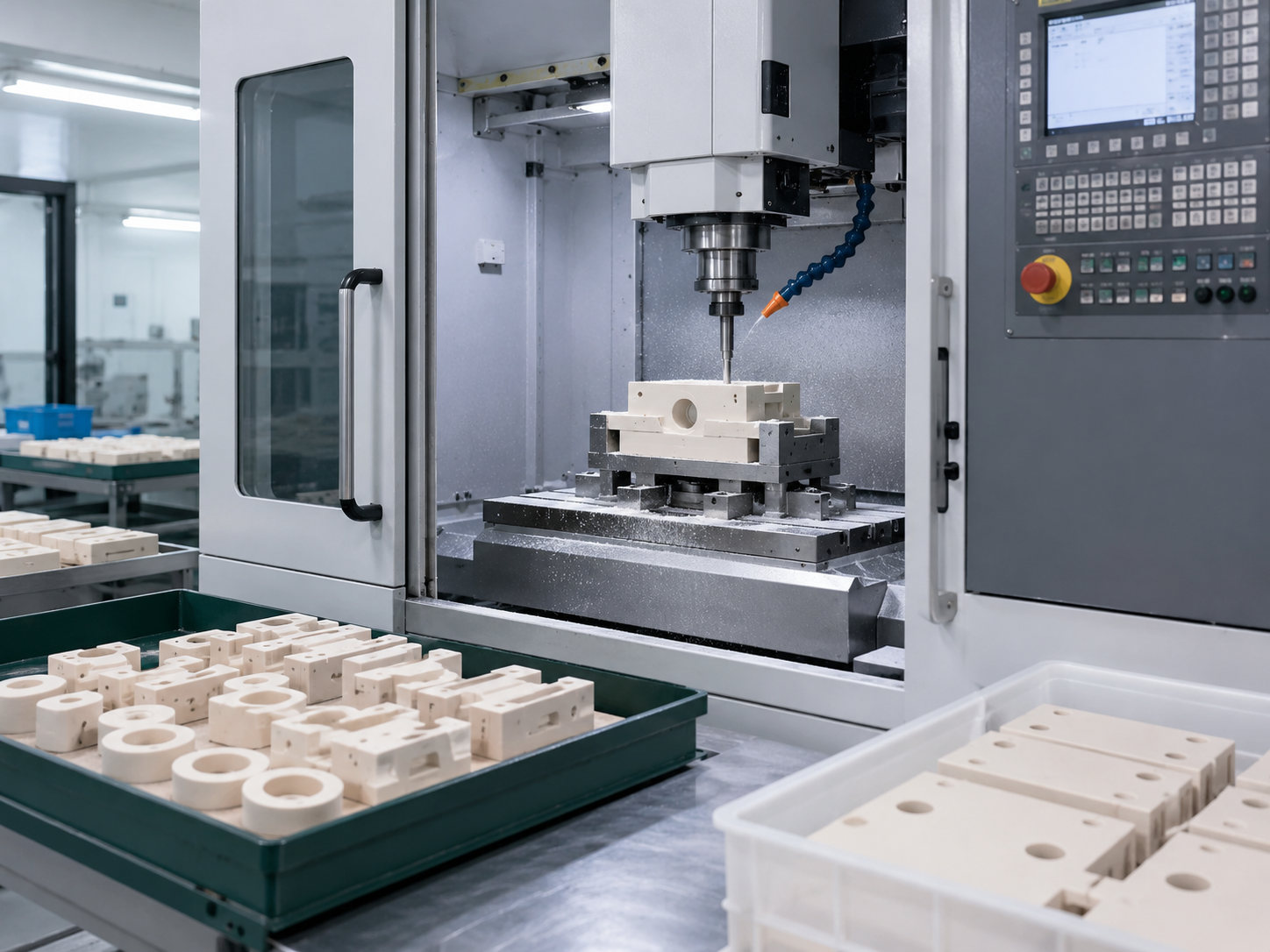
Экологичная обработка
До спекания, "зеленая" механическая обработка может использоваться для создания отверстий, пазов, ступеней или грубых структурных элементов, пока керамический корпус все еще легче поддается обработке.
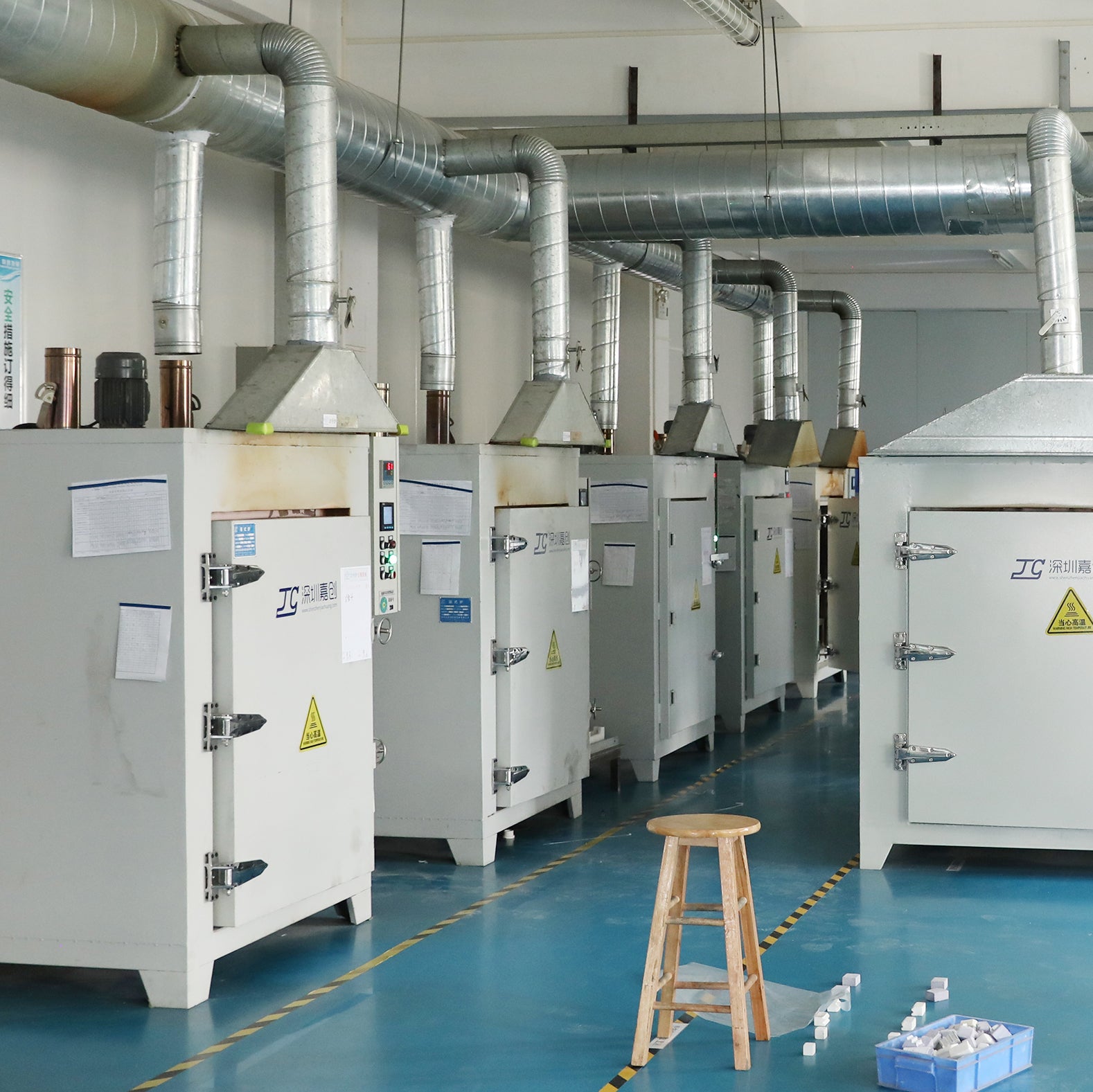
Удаление привязки
Если во время формования используются связующие вещества, то перед спеканием они удаляются в процессе отжига или выжигания.
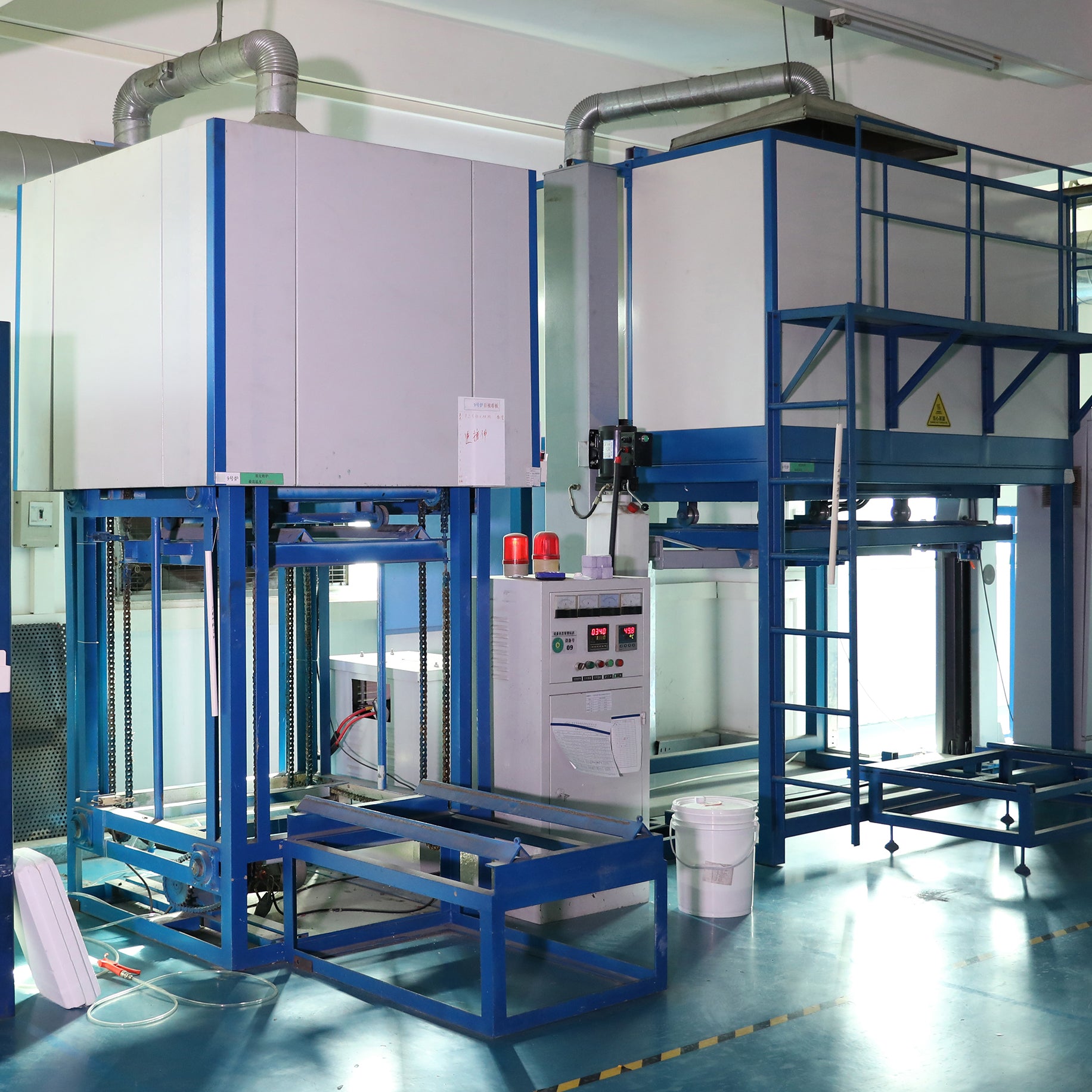
Спекание
Керамическая деталь обжигается при высокой температуре для достижения уплотнения, прочности, твердости и окончательных характеристик материала.
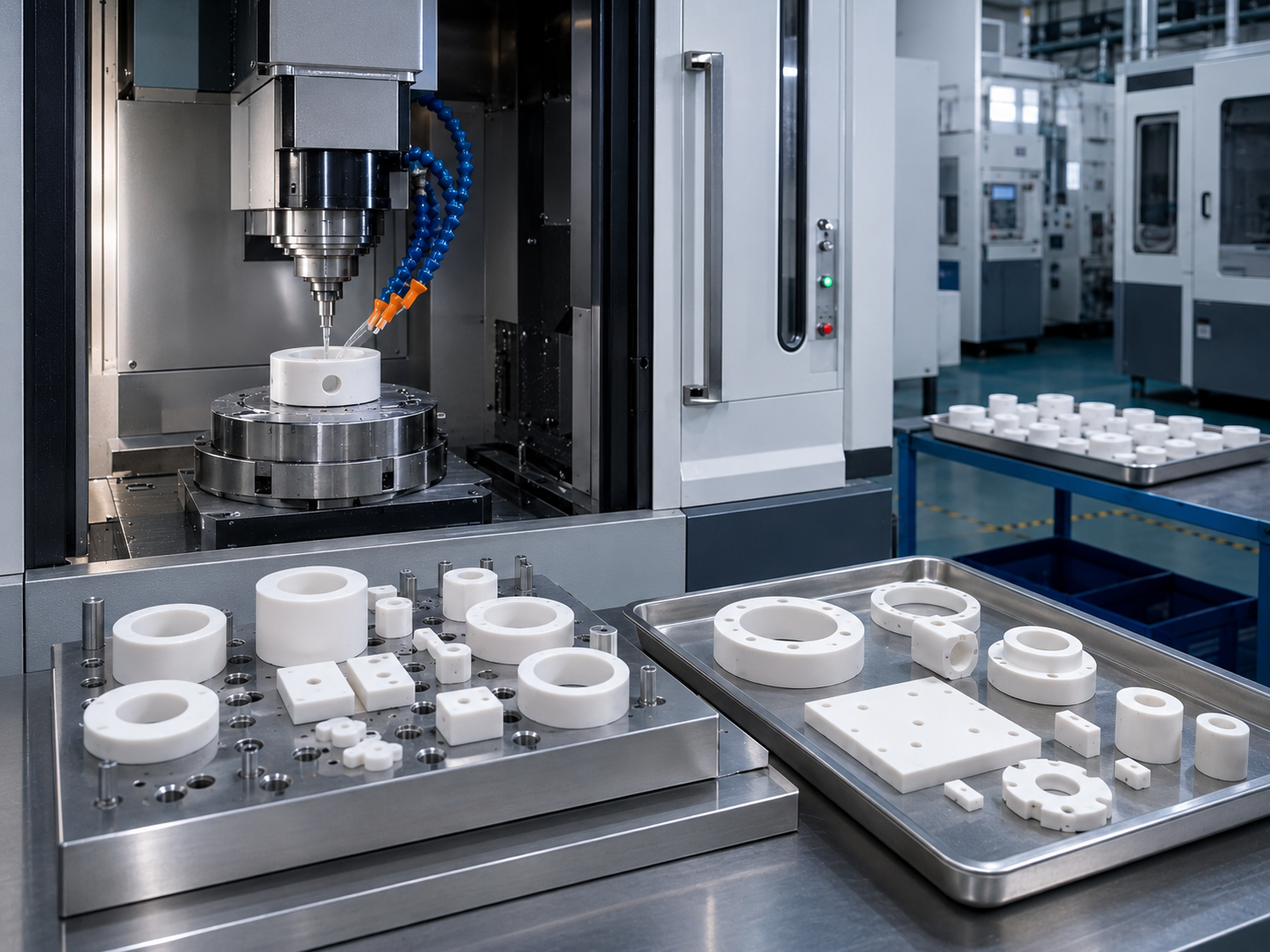
После механической обработки
После спекания для контроля критических размеров, чистоты поверхности и сборочных элементов можно использовать такую финишную обработку, как механическая обработка на станках с ЧПУ, шлифование, притирка, полировка, сверление или другие виды финишной обработки.
Custom Manufactured Ceramic Parts Technical Capabilities
Материалы для производства керамических деталей, с которыми мы работаем
Правильный выбор керамического материала имеет решающее значение для эксплуатационных характеристик детали, технологичности механической обработки, контроля затрат и долгосрочной надежности. В XY-GLOBAL мы можем помочь в оценке выбора материала и поддержке производства нестандартных керамических деталей из таких материалов, как широко используемый оксид алюминия, а также керамика с низким или нулевым коэффициентом теплового расширения, например кордиерит.
Оксид алюминия (Al₂O₃)
Оксид алюминия — один из наиболее широко используемых материалов для изготовления керамических деталей на заказ благодаря его хорошим электроизоляционным свойствам, износостойкости, коррозионной стойкости и экономичности производства. Он обычно используется для изготовления керамических изоляторов, втулок, проставок, направляющих, сопел и промышленных изнашиваемых деталей.
Диоксид циркония (ZrO₂)
Керамика из диоксида циркония обладает высокой прочностью, отличной ударной вязкостью, хорошей износостойкостью и потенциально гладкой поверхностью. Она подходит для прецизионных керамических валов, втулок, гильз, штифтов, медицинских компонентов и износостойких механических деталей.
ЦТА (оксид алюминия, упрочненный диоксидом циркония)
Керамика ZTA, или керамика на основе оксида алюминия, упрочненного диоксидом циркония, сочетает в себе свойства износостойкости и изоляции оксида алюминия с улучшенной вязкостью диоксида циркония. Она обычно используется для керамических изнашиваемых деталей, направляющих, пластин, конструктивных элементов и керамических деталей, работающих под высокой нагрузкой.
Нитрид кремния (Si₃N₄)
Керамика из нитрида кремния обладает высокой прочностью, хорошей термостойкостью, низкой плотностью и отличной механической надежностью в сложных условиях эксплуатации. Она обычно используется для подшипников, роликов, валов, высокотемпературных деталей и прецизионных механических компонентов.
Нитрид алюминия (AlN)
Керамика из нитрида алюминия ценится за ее высокую теплопроводность в сочетании с электроизоляционными свойствами. Она широко используется в полупроводниковом оборудовании, электронных компонентах, теплоотводящих элементах, подложках и системах терморегулирования.
Карбид кремния (SiC)
Карбидокремниевая керамика обладает отличной износостойкостью, коррозионной стойкостью, высокой твердостью и высокотемпературной стабильностью. Она часто используется для механических уплотнений, деталей насосов, сопел, износостойких плит, химически стойких компонентов и керамических деталей, предназначенных для работы в суровых условиях.
Кордиерит (Mg₂Al₄Si₅O₁₈)
Керамика из кордиерита известна своим низким коэффициентом теплового расширения, хорошей термостойкостью и электроизоляционными свойствами. Она обычно используется для изготовления термостойких опор, изоляционных деталей датчиков, компонентов печей, деталей горелок и керамических деталей, подвергающихся многократному нагреву и охлаждению.
Керамика с низким/практически нулевым коэффициентом расширения
Керамические материалы с низким или почти нулевым расширением предназначены для применений, требующих отличной стабильности размеров при изменении температуры. Они часто используются для прецизионных креплений, оптических опор, метрологических компонентов, деталей, связанных с полупроводниками, и термически стабильных конструктивных элементов.
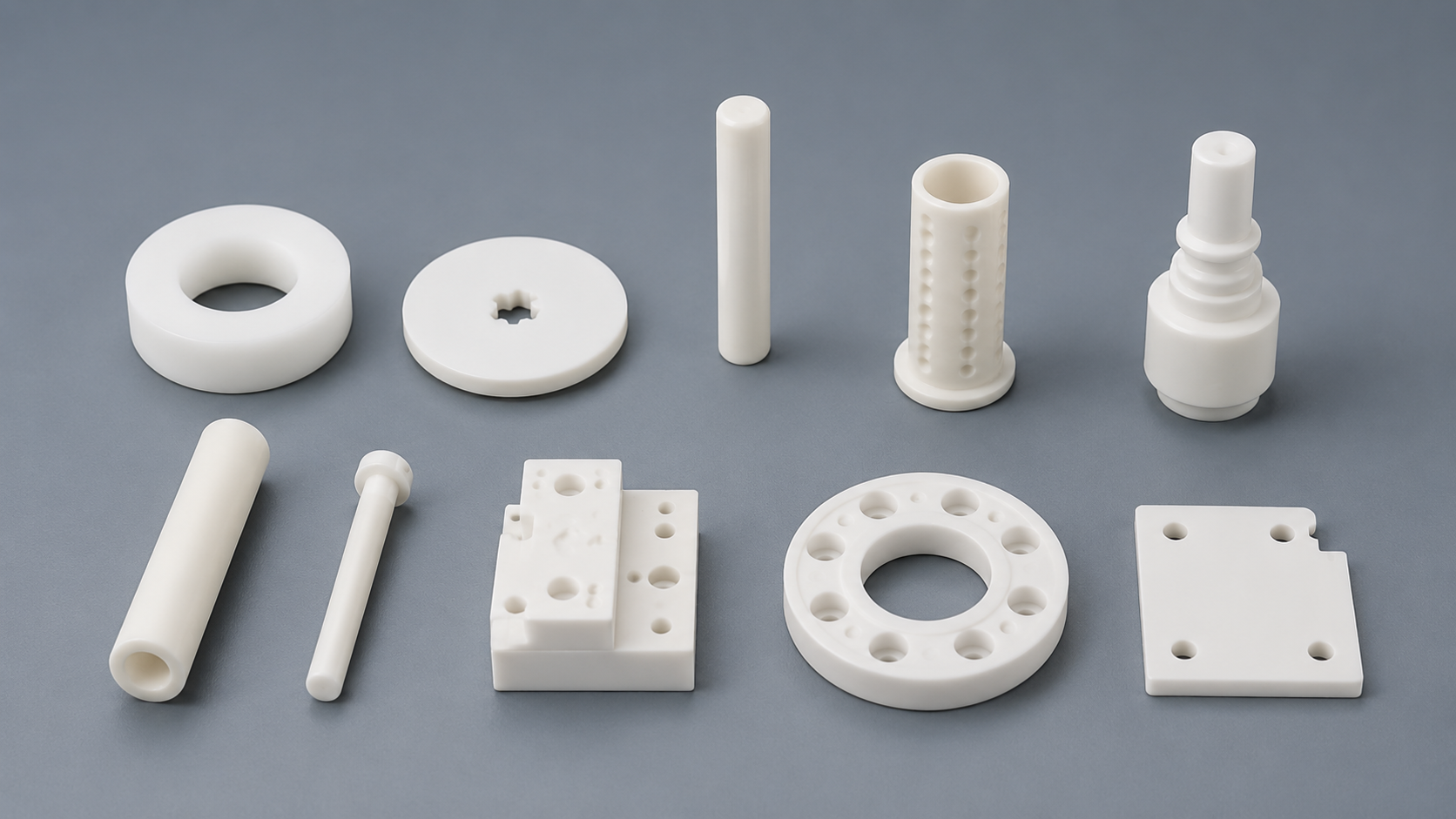
Применение керамических деталей промышленного производства
Изготовленные на заказ керамические детали используются в тех случаях, когда металл, пластик или стандартные компоненты не могут соответствовать требованиям по изоляции, износостойкости, термической стабильности, коррозионной стойкости или точности размеров.
XY-GLOBAL — один из ведущих производителей керамических деталей в Китае, специализируется на производстве керамических компонентов для медицинской, полупроводниковой, электронной, оптической и различных других высокотехнологичных отраслей промышленности.
| Industry | Key Ceramic Components |
|---|---|
| Medical Devices | Precision structural parts, pump components, insulators, guides |
| Semiconductor | Fixtures, wafer handling tools, high-purity insulating parts |
| Electronics & Electrical | Substrates, thermal management components, bushings, insulators |
| Optical & Laser | Low-expansion supports, precision spacers, holders |
| Industrial Machinery | Nozzles, shafts, rollers, wear-resistant plates, bushings |
| Automation | Positioning parts, guides, lightweight structural components |
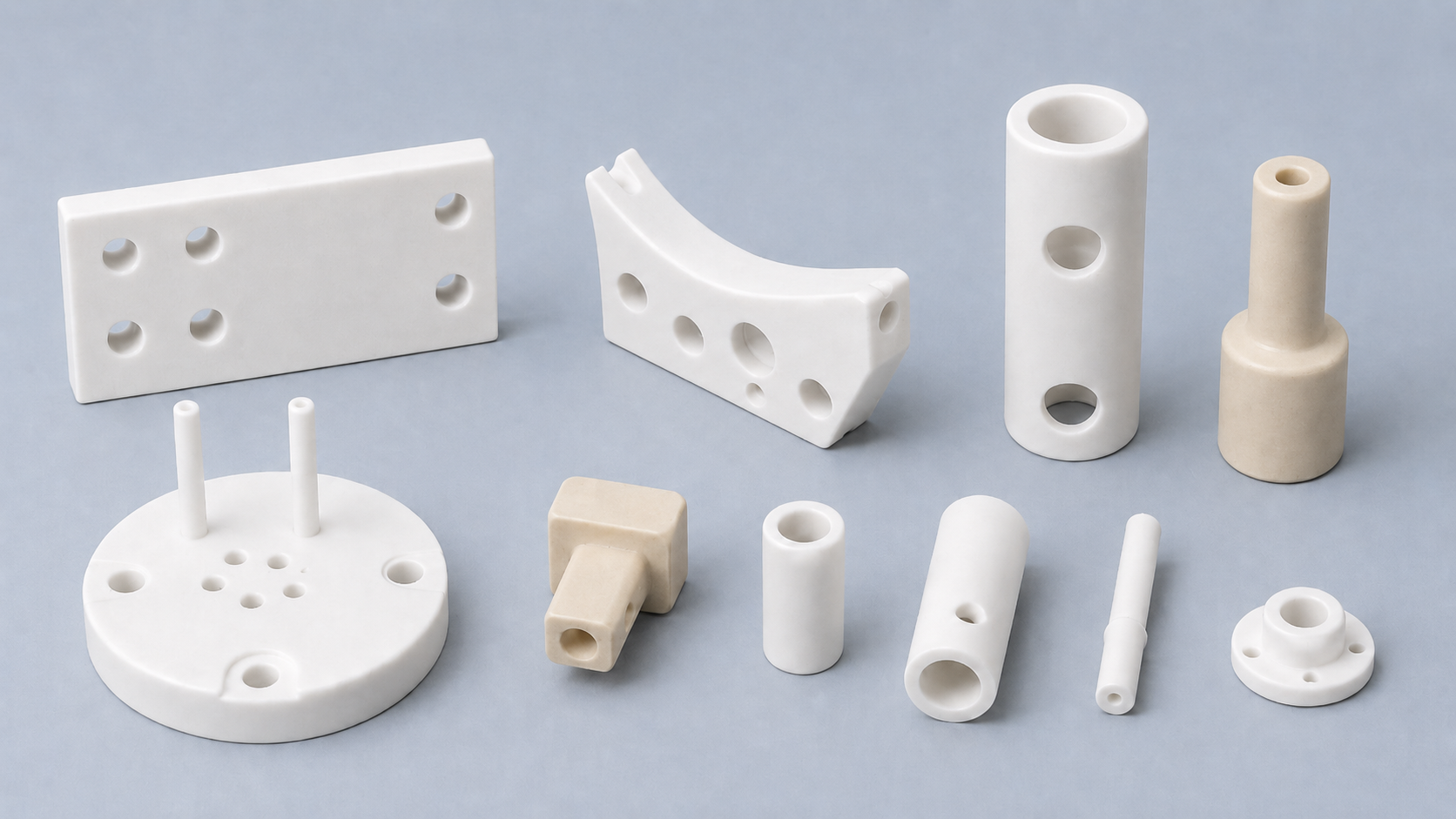
Изготовление керамических деталей на заказ
Являясь производителем керамических деталей на заказ, мы поддерживаем производство керамических деталей на заказ нестандартных форм, с жесткими допусками и из специальных материалов. От прототипов керамических деталей до мелкосерийного и серийного производства, мы помогаем превратить индивидуальные керамические конструкции в компоненты, пригодные для производства.
Оборудование для изготовления керамических деталей на заказ
Как производитель прецизионных керамических деталей, компания XY-GLOBAL использует различное производственное и пост-технологическое оборудование для поддержки изготовления керамических компонентов на заказ от прототипа до серийного производства. В зависимости от материала, геометрии детали, допуска, качества поверхности и количества, мы можем выбрать подходящее оборудование для формования керамики, удаления связующего, спекания, механической обработки на станках с ЧПУ, прецизионной шлифовки, притирки, полировки и контроля качества.
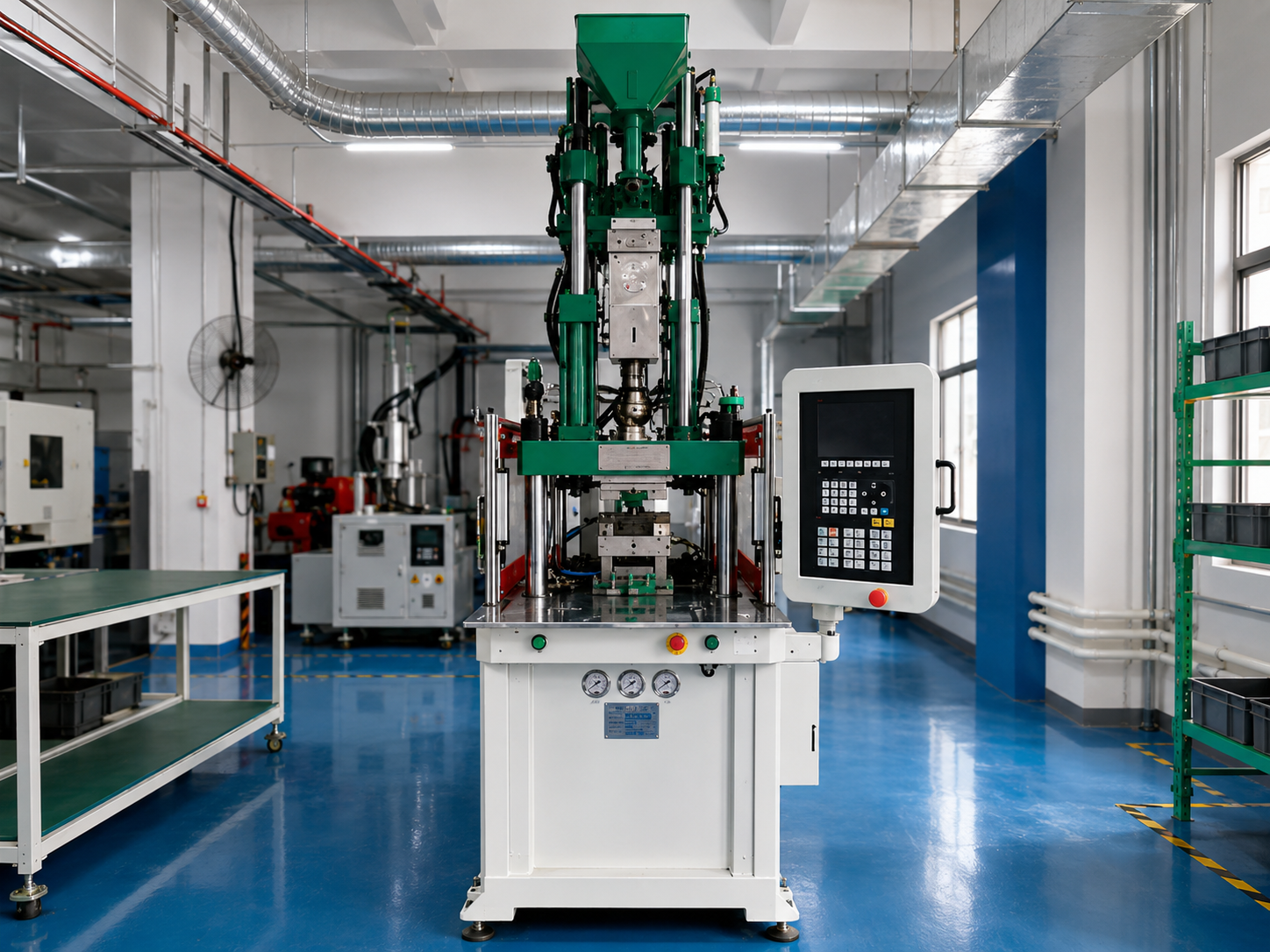
Вертикальный термопластавтомат
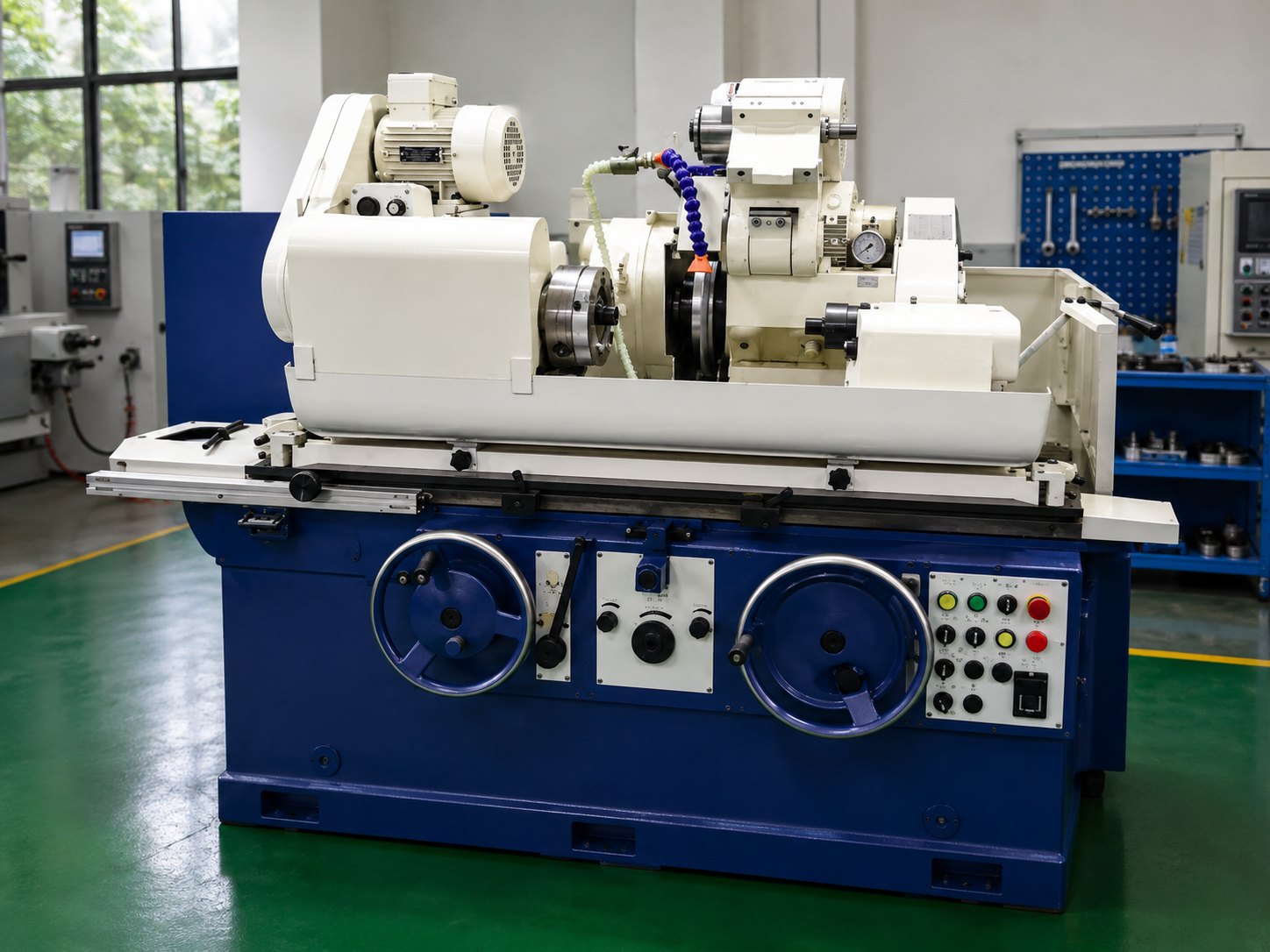
Шлифовальный станок
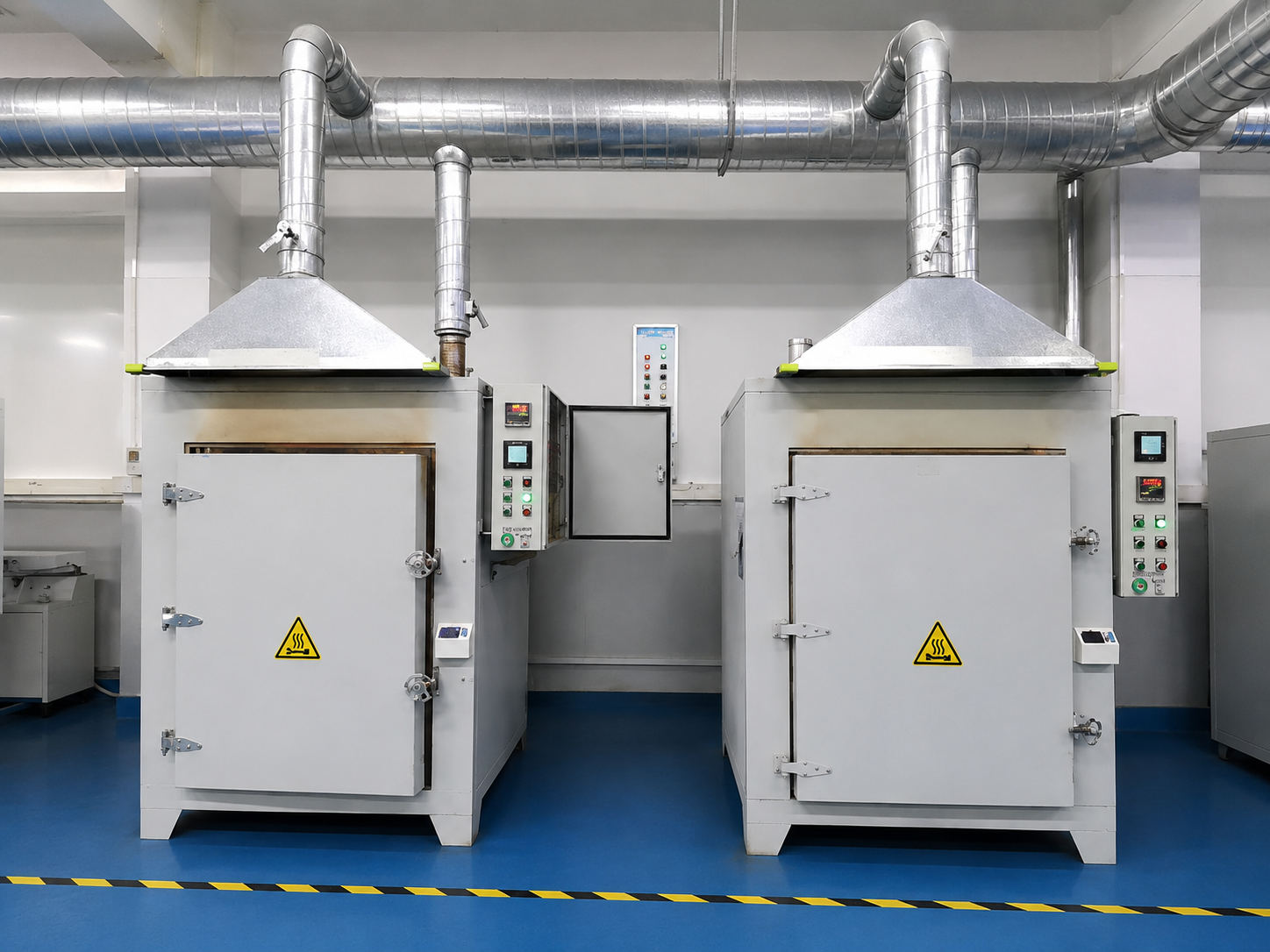
Печь для удаления связующего
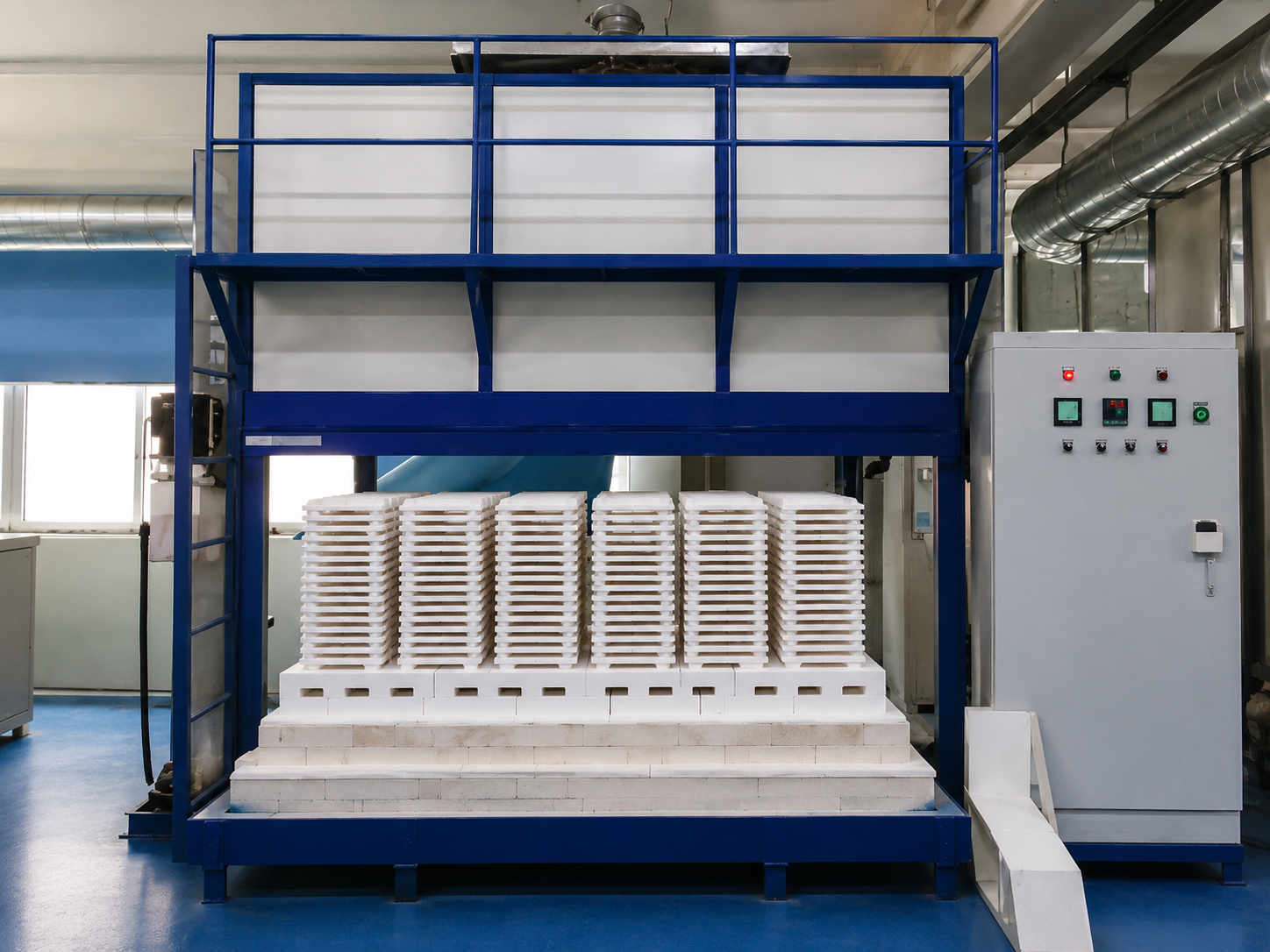
Печь для спекания

Пятиосевой гравировальный станок
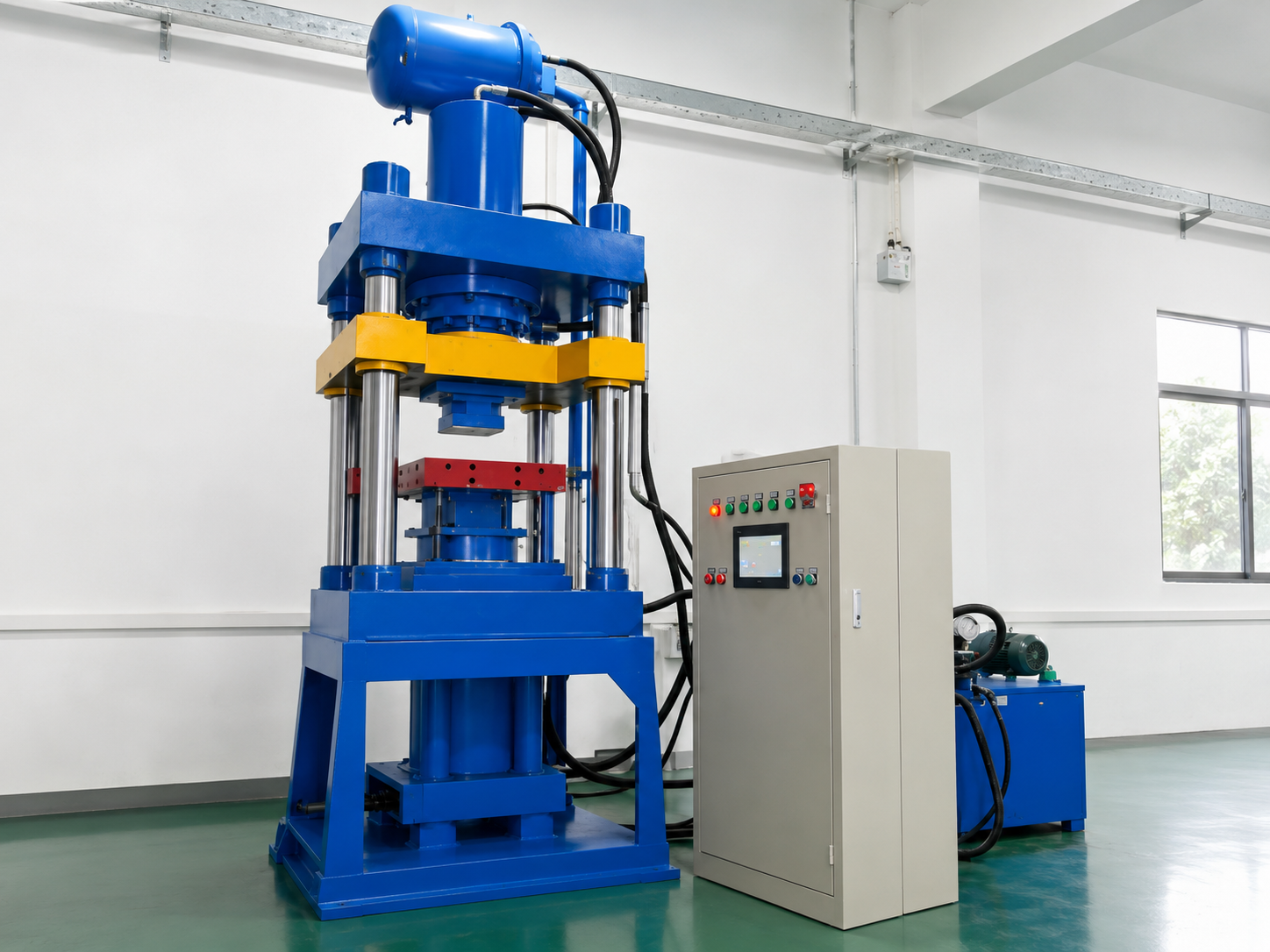
Машина для сухого прессования
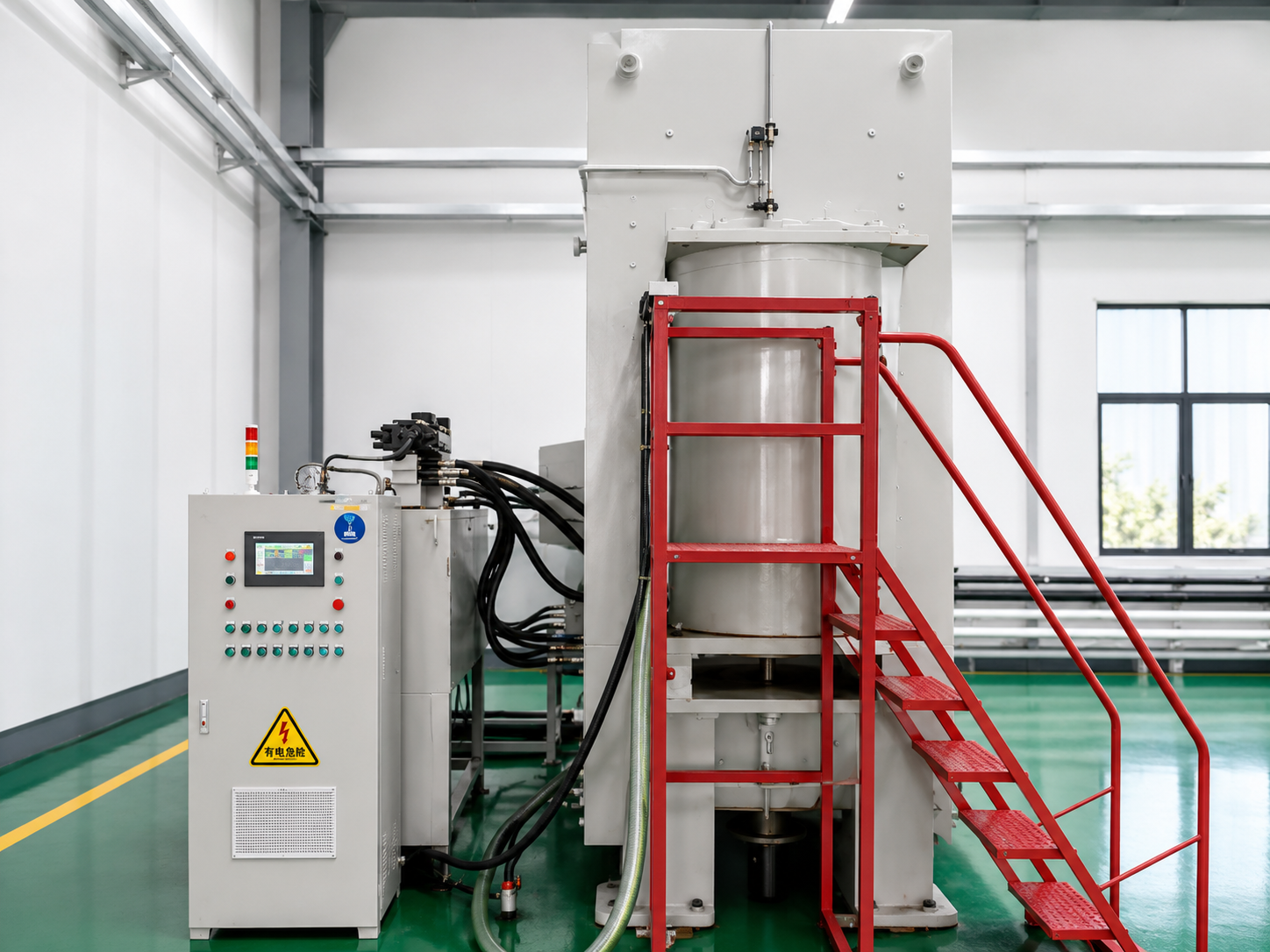
Установка холодного изостатического прессования (ХИП)
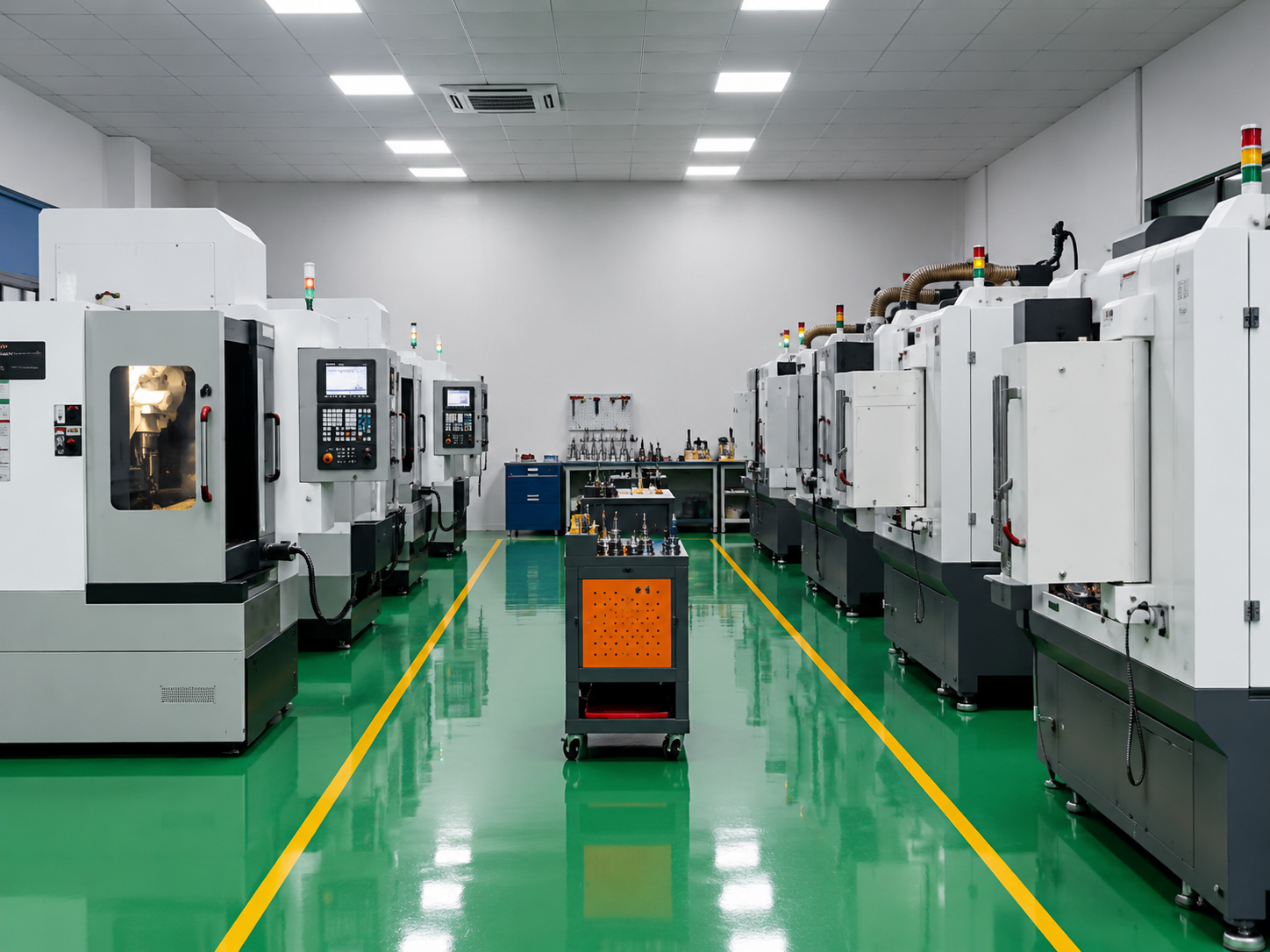
Оборудование для станков с ЧПУ
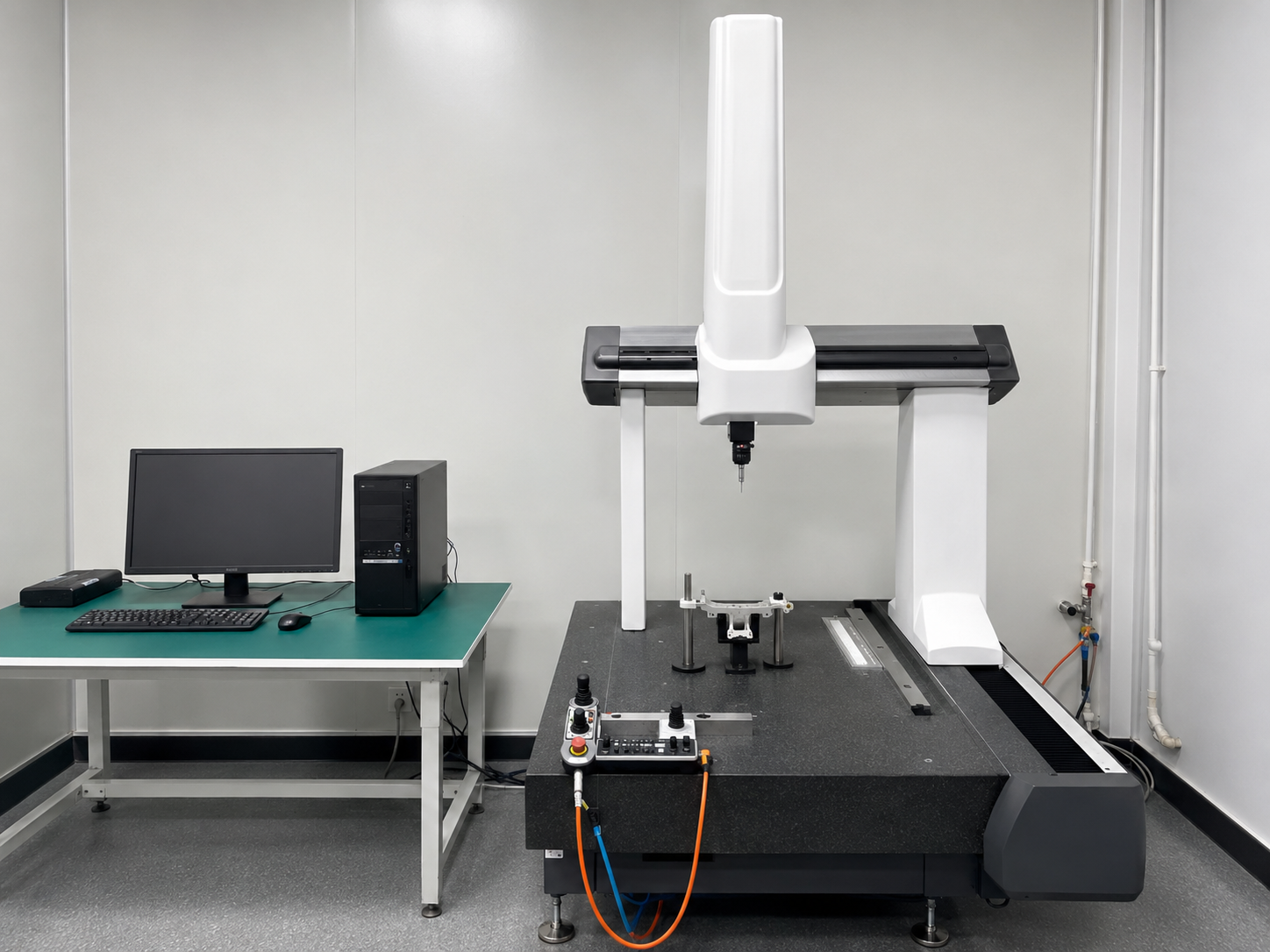
Координатно-измерительная машина (КИМ)
Часто задаваемые вопросы производителей керамических деталей
1. Какие производственные процессы вы используете для изготовления керамических деталей?
В зависимости от конструкции детали и объемов производства мы можем использовать литье керамики под давлением, прессование, «зеленую» механическую обработку, спекание, керамическую обработку на станках с ЧПУ, 3- и 5-осевую обработку, алмазное шлифование, притирку, полировку и другие операции финишной обработки после спекания. Для высокоточных керамических компонентов после спекания часто требуется механическая обработка на станках с ЧПУ и шлифование для контроля критически важных размеров.
2. Какую точность вы можете достичь для прецизионных керамических деталей?
Для отдельных критических элементов допуски до ±0,001 мм могут быть достигнуты с помощью прецизионного шлифования или механической обработки после спекания. Достижимый допуск зависит от керамического материала, размера детали, геометрии, толщины стенки, поведения при спекании, возможности механической обработки и метода контроля.
3. Можете ли вы изготовить прототипы керамических деталей перед массовым производством?
Да. Мы поставляем опытные керамические детали для проверки конструкции, испытания материалов, функциональных испытаний и оценки сборки. Сроки изготовления прототипов зависят от наличия материала, сложности детали, требований к допускам, а также от того, требуется ли инструментальная оснастка или последующая механическая обработка.
4. Есть ли у вас минимальный объем заказа на изготовление керамических деталей по индивидуальному проекту?
Мы предлагаем гибкую поддержку без фиксированного минимального объема заказа для изготовления керамических деталей на заказ. Заказчики могут начать с единичных образцов, небольших партий или прототипов, прежде чем переходить к серийному или массовому производству. Для формованных керамических деталей стоимость оснастки и объем производства будут оцениваться исходя из требований проекта.
5. Можете ли вы изготовить керамические детали по моим чертежам?
Да. XY-GLOBAL производит керамические детали на заказ на основе 2D-чертежей, 3D-файлов, образцов или требований к применению. Наша команда может рассмотреть ваш проект, потребности в материалах, требования к допускам, чистоту поверхности и количество, прежде чем рекомендовать подходящий производственный процесс.
6. Вы предоставляете DFM-анализ (анализ технологичности конструкции) для керамических деталей, изготовленных на заказ?
Да. XY-GLOBAL предоставляет DFM-анализ (анализ технологичности конструкции) для керамических деталей по индивидуальному заказу перед их расчетом стоимости и производством. Наша команда инженеров может проанализировать ваши 2D-чертежи, 3D-файлы, образцы, требования к допускам, потребностям в обработке поверхности и условиям применения, чтобы оценить выбор материала, возможность формования, усадку при спекании, допуск на механическую обработку, риски, связанные с тонкими стенками, конструкцию отверстий и требования к последующей механической обработке.