

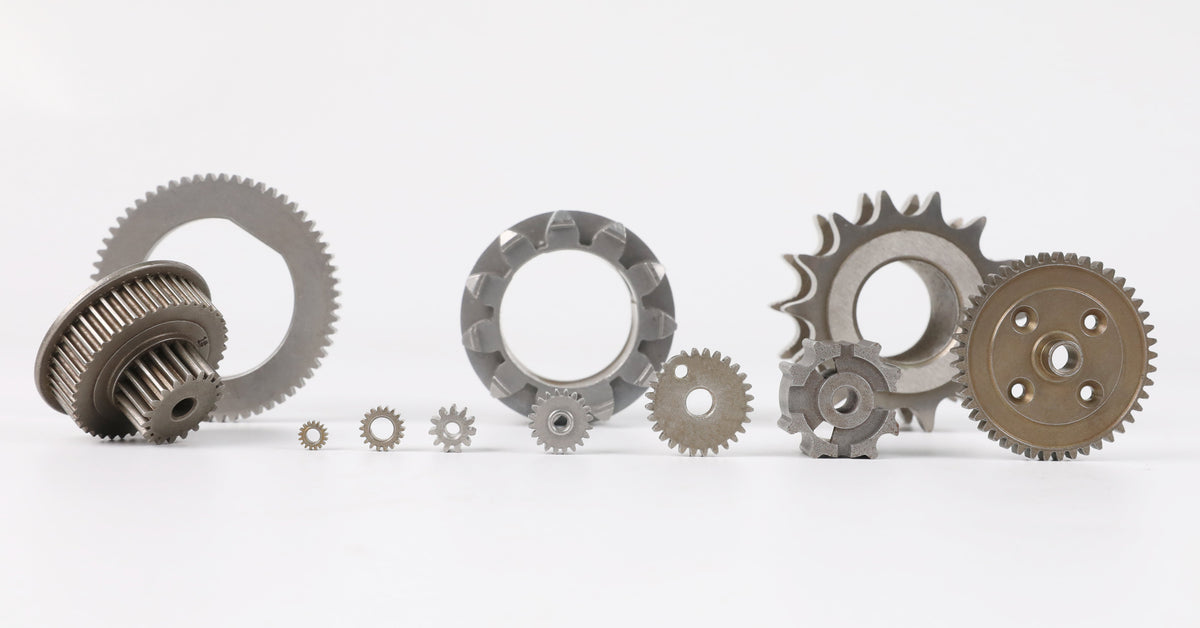
Powder Metallurgy vs Casting: How to Choose the Right Process
Short answer: Powder metallurgy (PM) compacts metal powder in a die and sinters it below the melting point. It wins on material utilization, tight as-sintered tolerances, controlled porosity, and high-volume cost. Casting melts metal and pours it into a mold. It wins on part size, complex hollow geometry, and alloy freedom. If your part fits in a press and repeats at volume, PM is usually cheaper. If your part is large, thin-walled, or geometrically intricate, cast it.

The rest of this article is the working detail behind that paragraph — the comparison table, the cost curves, and the five questions that settle the decision.
How Each Process Actually Works
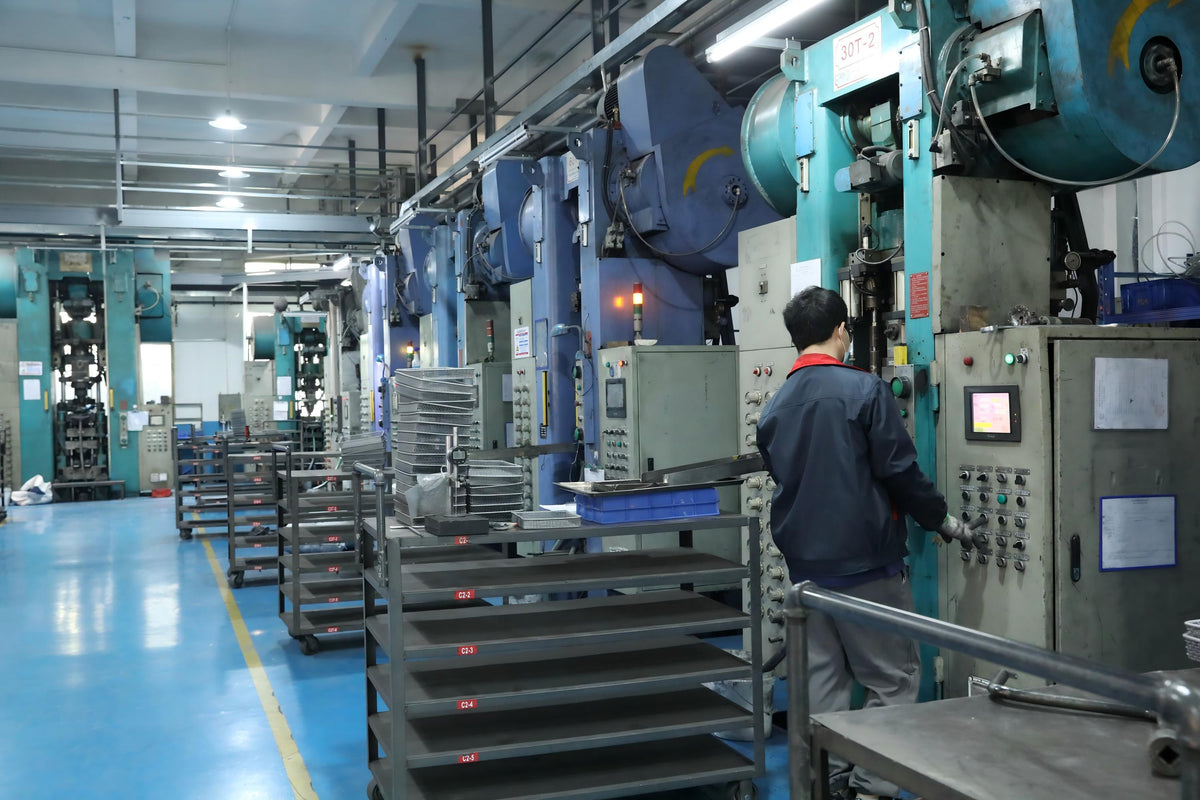
Powder metallurgy starts with metal powder — iron, copper, stainless steel, nickel, or a pre-alloyed blend. The powder is mixed with a lubricant and pressed in a rigid die at high pressure (typically 400–800 MPa) into a "green" compact with enough handling strength to survive transfer. That compact then goes into a sintering furnace and is held below the melting point of the base metal, where atomic diffusion bonds the particles into a continuous solid. Optional secondary steps — sizing, repressing, heat treating, oil impregnation, resin sealing, machining — finish the part.
Casting starts with liquid metal. Molten alloy is poured or injected into a mold cavity and solidifies. The three processes you will actually be quoted on are:
- Die casting — molten aluminum, zinc, or magnesium injected into a steel die at high pressure. Fast cycles, excellent surface finish, thin walls, high volume.
- Investment casting — a wax pattern is coated in ceramic, the wax is burned out, and molten metal fills the shell. Complex geometry and reactive or high-temperature alloys, with no draft requirement.
- Sand casting — molten metal poured into a sand mold. Large parts, low tooling cost, coarse finish, generous machining allowance.
The fundamental difference is thermal: PM never melts the metal, so it never fights shrinkage from liquid to solid. Casting does, which is why castings carry draft angles, risers, and shrinkage allowance.
Head-to-Head Comparison
|
Criterion |
Powder Metallurgy (PM) |
Die Casting |
Investment Casting |
Sand Casting |
|
Forming principle |
Press + sinter below melting point |
High-pressure injection of melt |
Ceramic shell from wax pattern |
Gravity pour into sand |
|
Typical materials |
Iron, copper, stainless, nickel, low-alloy steels, tungsten carbide |
Aluminum, zinc, magnesium |
Steels, stainless, superalloys, bronze |
Iron, steel, aluminum, bronze |
|
Part size |
Small to medium (press-limited) |
Small to medium |
Small to medium |
Small to very large |
|
Geometric freedom |
Limited — 2D profile extruded in press direction, no undercuts |
High, but draft required |
Highest, including internal passages |
Moderate to high |
|
As-formed tolerance |
Tight (often ±0.1% or better) |
Tight |
Moderate |
Loose, machining required |
|
Wall thickness |
Must be relatively uniform |
Thin walls possible |
Thin walls possible |
Thick sections |
|
Porosity |
Intentional and controllable |
Usually a defect |
Low, but shrinkage porosity possible |
Common, often a defect |
|
Surface finish |
Good to very good |
Excellent |
Good to excellent |
Coarse |
|
Tooling cost |
High |
High |
Low to moderate |
Lowest |
|
Material utilization |
Very high — near-net shape, minimal scrap |
High |
Low to moderate |
Low |
|
Best volume band |
~5,000 to 1,000,000+ pcs/yr |
~10,000 pcs/yr and up |
~100 to 10,000 pcs/yr |
1 to 1,000 pcs/yr |
|
Heat treatment |
Possible (sinter hardening, quench) |
Limited by alloy |
Yes |
Yes |
Numbers above are typical industry ranges and vary by alloy, part size, and supplier capability. Treat them as a starting point for quotes, not as specifications.
Where Powder Metallurgy Wins
1. Material utilization. PM is a near-net-shape process. Powder that is not compacted is recovered and reused, and there is no gate, riser, or sprue to cut off and remelt. On expensive alloys, that difference shows up directly in the unit price.
2. As-sintered precision. Because the die defines the geometry and sintering shrinkage is predictable, PM parts often come out of the furnace at tolerances that would require machining on a casting. Fewer secondary operations means lower cost and shorter lead time.
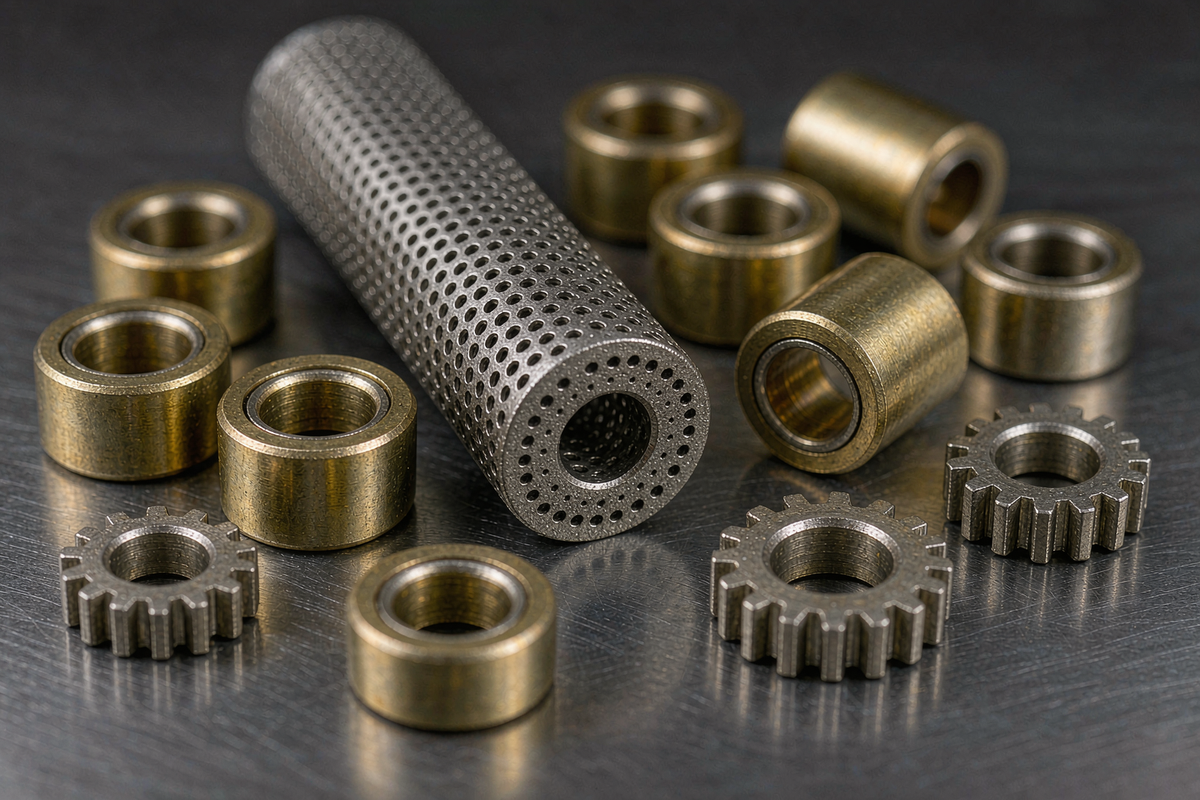
3. Controlled porosity — the capability casting cannot match. PM can hold a deliberate, connected porosity of roughly 10–25%. That is what makes oil-impregnated bronze bushings self-lubricating, and what makes sintered metal filters and flow restrictors possible. A casting cannot be made porous on purpose; porosity in a casting is a defect.
4. Repeatability at volume. Once the tool is qualified, PM produces identical parts cycle after cycle with little operator dependence — attractive for automotive, power tool, and appliance programs where PPAP discipline matters.
5. Alloys that resist melting. Tungsten carbide, copper-tungsten, and certain composite or immiscible systems cannot be economically cast. PM is the standard route.
Note on terminology: "powder metallurgy" and "sintered metal" describe the same family of processes from different angles — powder metallurgy is the method, sintered metal is the result. If a supplier quotes "powdered metal parts," they mean PM.

Where Casting Wins
1. Size. Press tonnage caps PM part size. Large housings, pump bodies, and structural frames are casting territory.
2. Hollow and re-entrant geometry. PM cannot produce undercuts or internal cavities in the press direction — the part must eject from a rigid die. Investment casting can produce internal passages that no die could release.
3. Alloy freedom. Aluminum and magnesium — the backbone of lightweight design — are die casting metals, not mainstream PM metals. High-temperature superalloys are investment casting metals.
4. Low tooling for low volume. For 200 parts, a sand or investment casting needs a pattern or wax tool costing a fraction of a PM die, and the per-part premium is smaller than the amortized tooling difference.
5. Pressure tightness. For leak-critical hydraulic and pneumatic bodies, a sound casting (or a vacuum die casting) outperforms a porous PM part unless the PM part is resin-impregnated or copper-infiltrated.
The Cost Question: Tooling vs Unit Price
Buyers usually ask which process is cheaper. The honest answer is that the two cost curves cross, and where they cross depends on your volume.
|
Annual volume |
Tendency |
|
Under ~1,000 pcs |
Casting — PM tooling cannot be amortized |
|
~1,000–5,000 pcs |
Investment casting, or PM if the geometry is simple and tolerances are tight |
|
~5,000–50,000 pcs |
PM becomes competitive and often leads |
|
50,000+ pcs |
PM is usually the low-cost route for parts that fit a die |
Two costs are easy to miss on a spreadsheet:
- Secondary machining. A casting that needs three machined faces may cost more than a PM part that needs none, even at a higher piece price.
- Scrap and rework. Casting defects — gas porosity, shrinkage, inclusions — show up after the value has been added. PM scrap is largely recoverable powder and rejected compacts.
Ask every supplier for a landed cost comparison that includes tooling amortization, secondary operations, and expected scrap rate, not just the piece price.
Material Selection Matrix
|
Requirement |
First choice |
Why |
|
Self-lubricating bearing or bushing |
PM (bronze or iron-copper) |
Controlled porosity holds oil |
|
Filtration or flow restriction |
PM (sintered stainless or bronze) |
Pore structure is the function |
|
Lightweight structural housing |
Die casting (Al / Mg) |
Alloy availability and thin walls |
|
Complex internal passage |
Investment casting |
Wax pattern releases where a die cannot |
|
High-volume small gear or cam |
PM |
Near-net tooth form, no hobbing |
|
Large one-off frame |
Sand casting |
Tooling cost and size |
|
Wear part in abrasive service |
PM with alloy addition, or cast + hardface |
Depends on load path |
|
Leak-tight hydraulic body |
Casting, or PM + impregnation |
Porosity must be closed |
A Five-Question Decision Checklist
- Does the part fit a press? If projected area and tonnage exceed practical press capacity, stop — cast it.
- Is there an undercut or internal cavity? If yes, PM cannot release it. Cast, or redesign the part into two pieces.
- What is the annual volume? Below a few thousand pieces, casting tooling almost always wins.
- Is porosity a feature or a defect? If the part must hold oil or filter fluid, PM is the only answer. If it must hold pressure, cast or plan for impregnation.
- How many faces need machining? Count them before comparing quotes. The process that needs fewer secondary operations usually wins on landed cost.
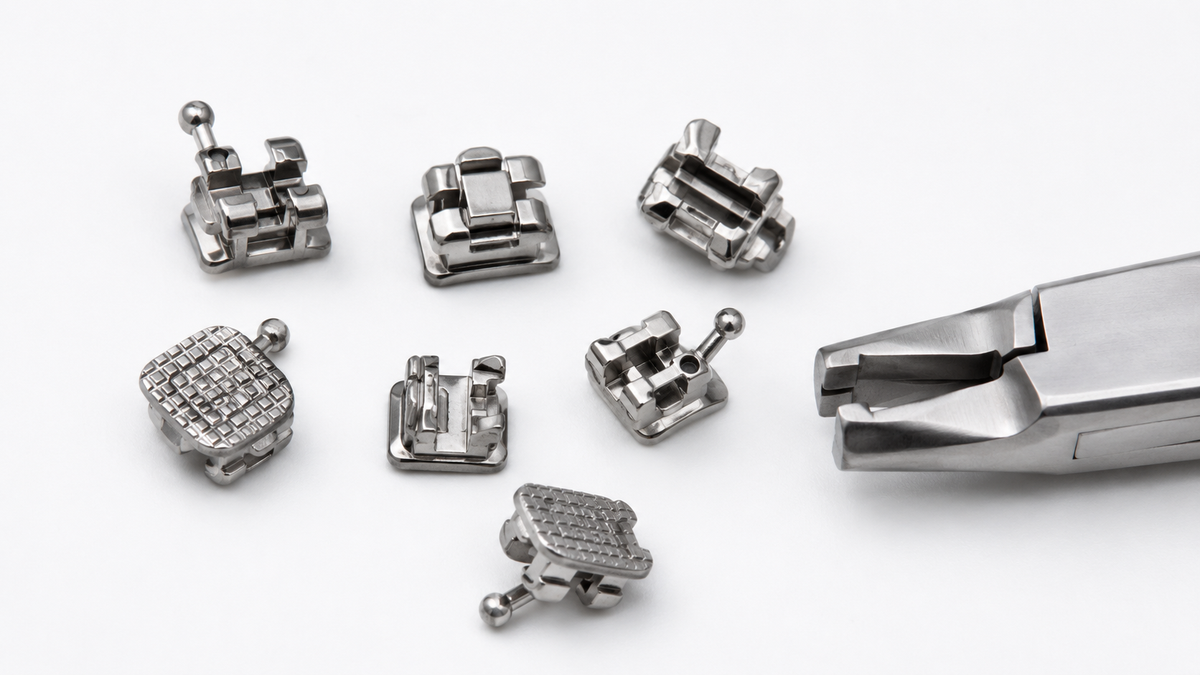
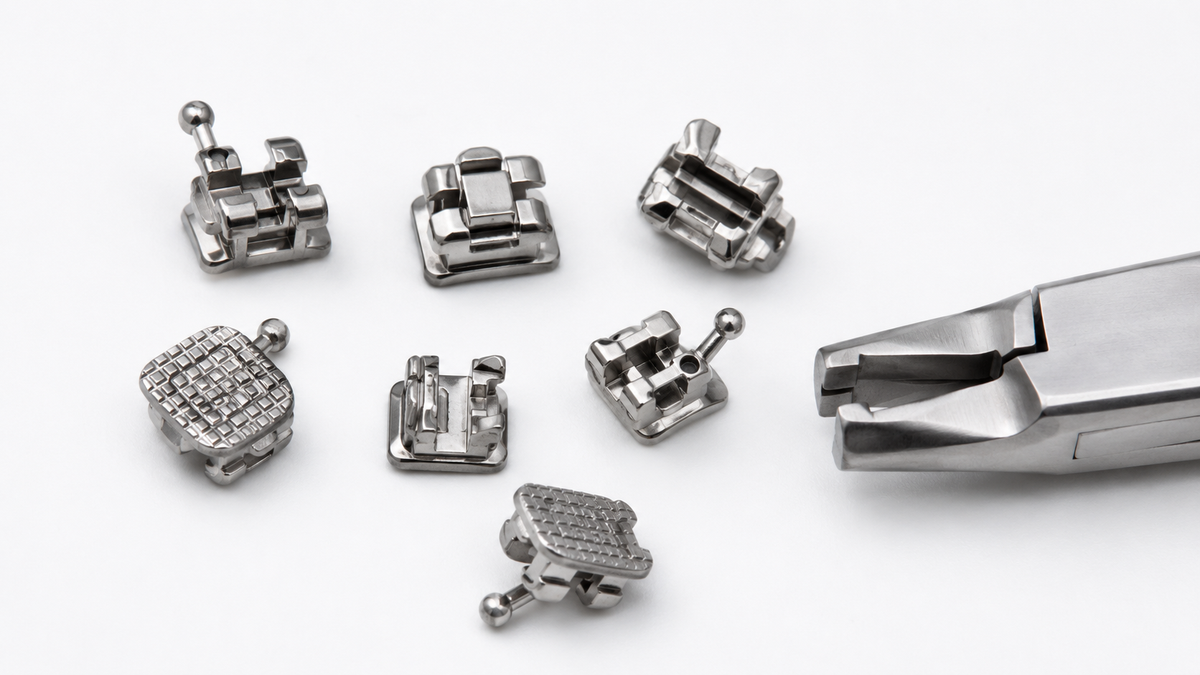
If the answers point in different directions, the part is a candidate for metal injection molding (MIM) — a PM variant that handles small, complex, high-volume parts with more geometric freedom than press-and-sinter, at a higher per-part cost.
FAQ
Is powder metallurgy stronger than casting?
Not categorically. As-sintered PM parts typically have lower ductility and impact resistance than wrought or sound cast material because of residual porosity. But PM alloys can be sinter-hardened, heat treated, or powder-forged, which closes much of the gap. The right question is which process meets your load case at an acceptable cost, not which is universally stronger.
Can powder metallurgy replace a casting?
Often, yes — if the part fits a die, has uniform wall sections, and runs at volume. It usually cannot replace a casting with undercuts, internal passages, or large size. A redesign that splits a casting into two PM parts sometimes beats both options on cost.
Is die casting a type of powder metallurgy?
No. Die casting injects liquid metal into a die. PM presses solid powder into a die and sinters it. The tooling looks similar, the metallurgy is completely different.
Why are castings machined but PM parts often are not?
Casting processes need draft, shrinkage allowance, and machining stock to remove surface defects. PM is net-shape by design, so as-sintered surfaces are often functional as-is.
Which process is better for the environment?
PM generally consumes less energy per part and generates far less scrap, since it never melts the metal and recovers overspray powder. Casting has the advantage of highly recyclable process scrap. Both compare favorably to machining from bar stock, which removes the majority of the material as chips.
Next Step
If your part is small, runs at volume, and needs tight tolerances or controlled porosity, send the drawing for a PM feasibility review — wall thickness, press direction, and tolerance stack are the three things that decide whether PM is viable.
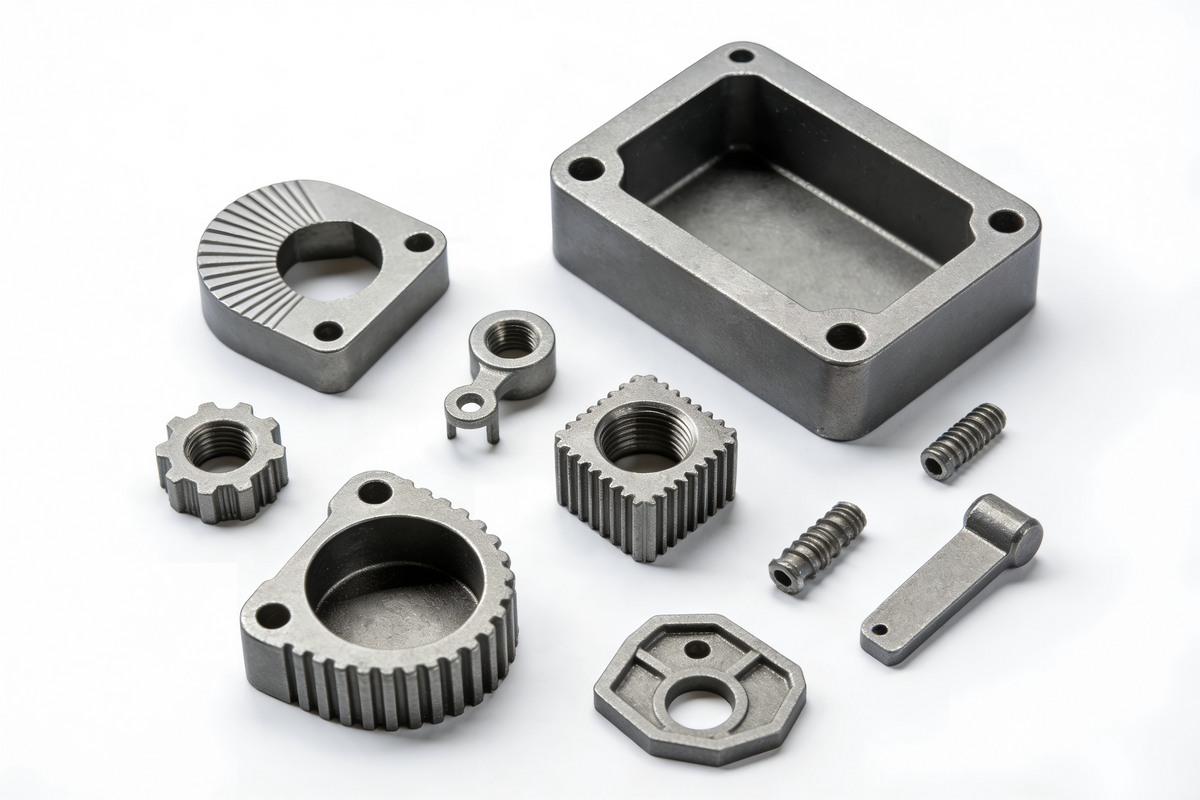
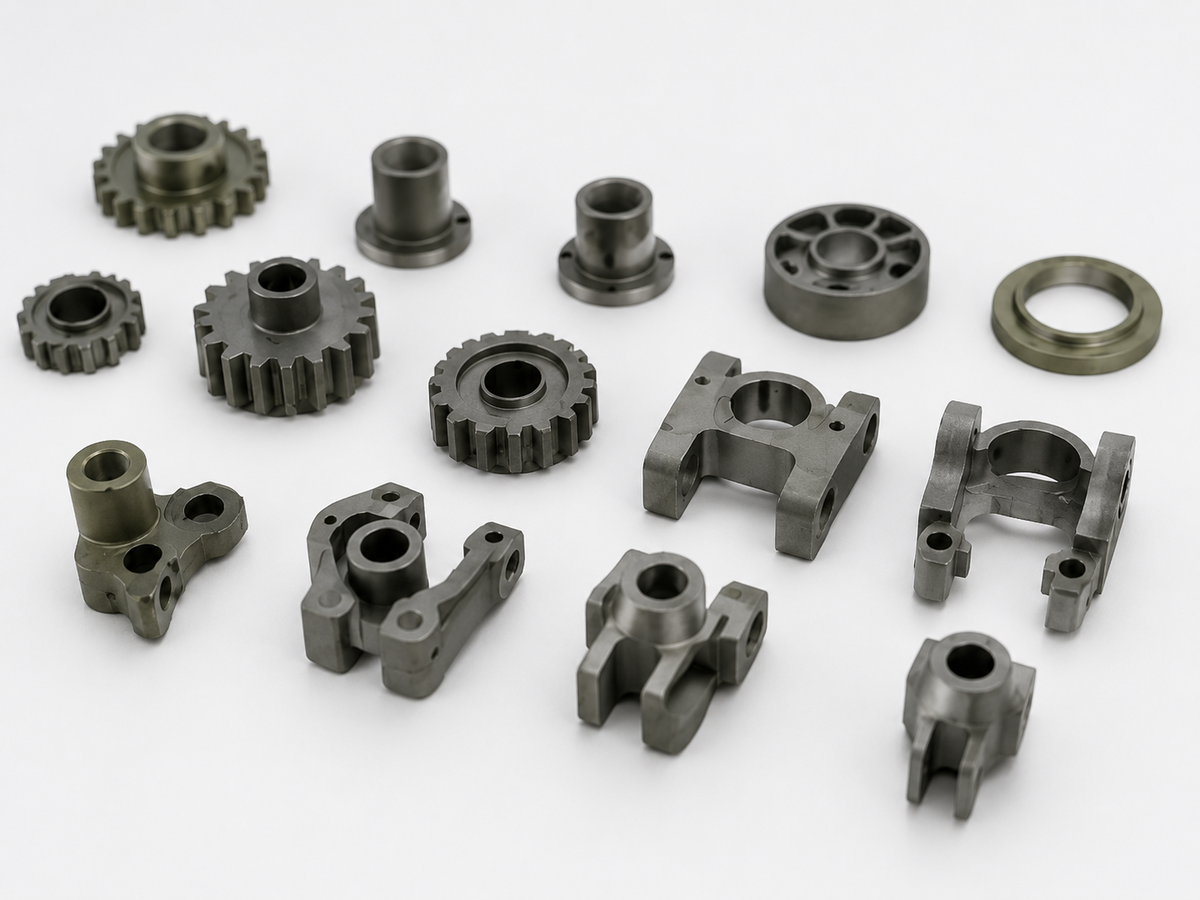
[Company] manufactures custom sintered metal components — bushings, gears, structural parts, and sintered filters — from iron, copper, and stainless powder systems.
Publishing notes
- Internal links: link "sintered metal vs powdered metal" clarification to the terminology page; link "sintered filters" and "oil-impregnated bushings" to their product pages; link MIM mention to the MIM capability page.
- Schema: add
FAQPagemarkup for the five questions above, andArticlewithaboutpointing to Powder Metallurgy and Casting.
- Suggested featured snippet target: the "Short answer" paragraph and the head-to-head table.
- Add one original photo or diagram of your own press/sinter line — process articles rank better with proprietary visuals than with stock imagery.
Делиться:
Metal powder pressing: how the process works, and when MIM is a better fit