

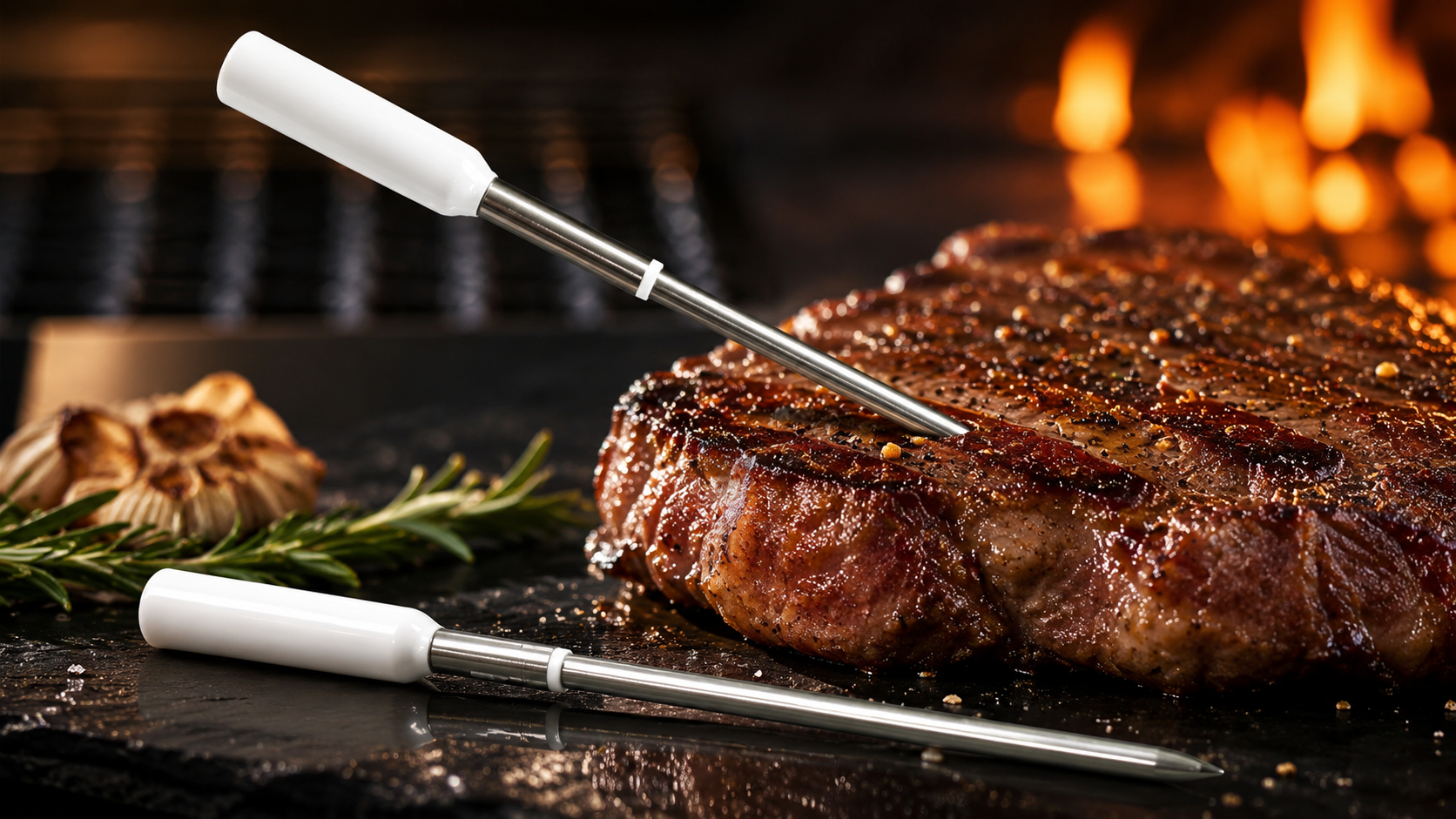
Wireless meat thermometer probes are small, but their ceramic parts can affect heat insulation, electrical insulation, assembly fit, handle feel, and long-term reliability. In a compact probe structure, ceramic components may need to work with a stainless steel probe tube, internal sensor, sealing area, and outer housing.
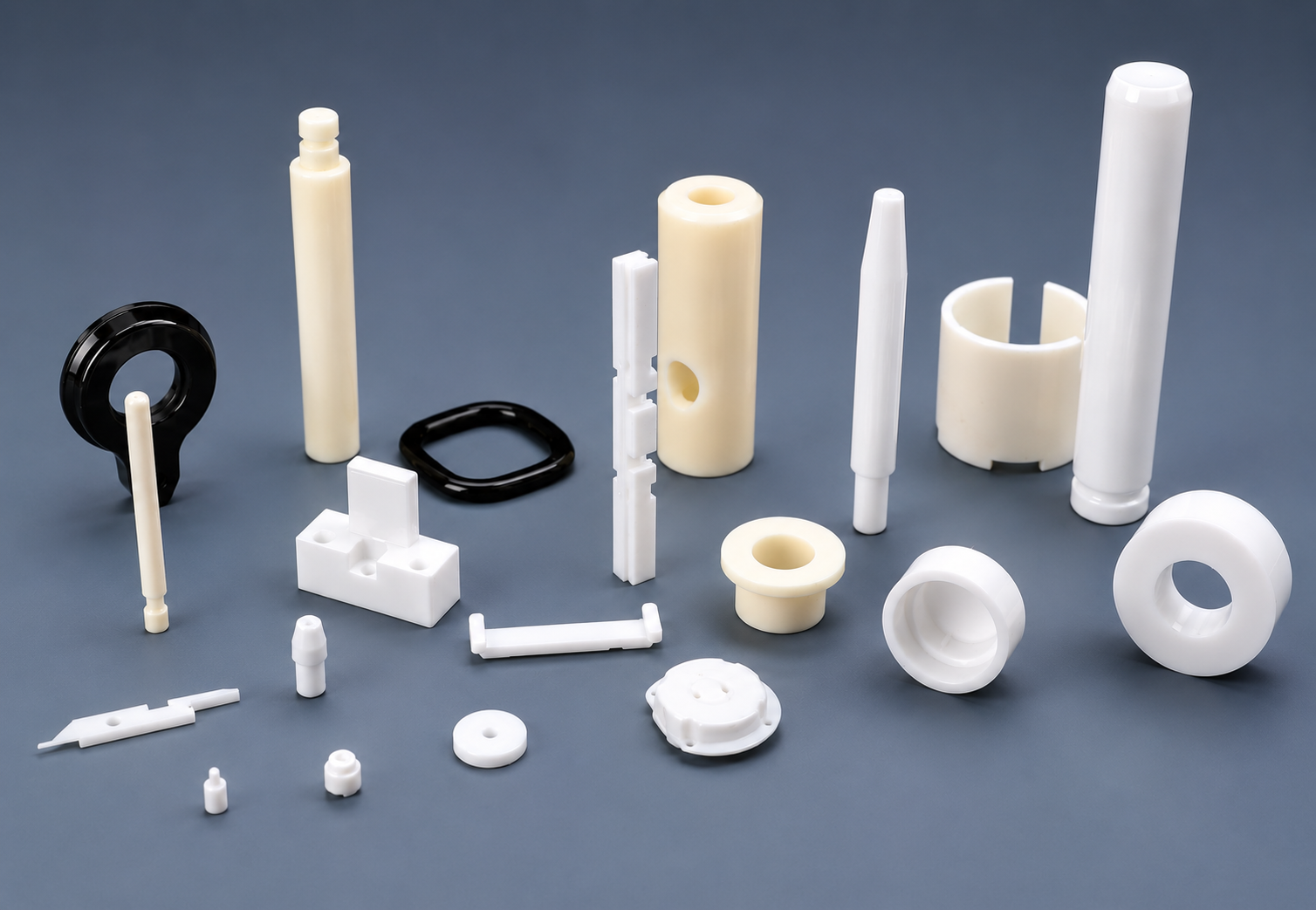
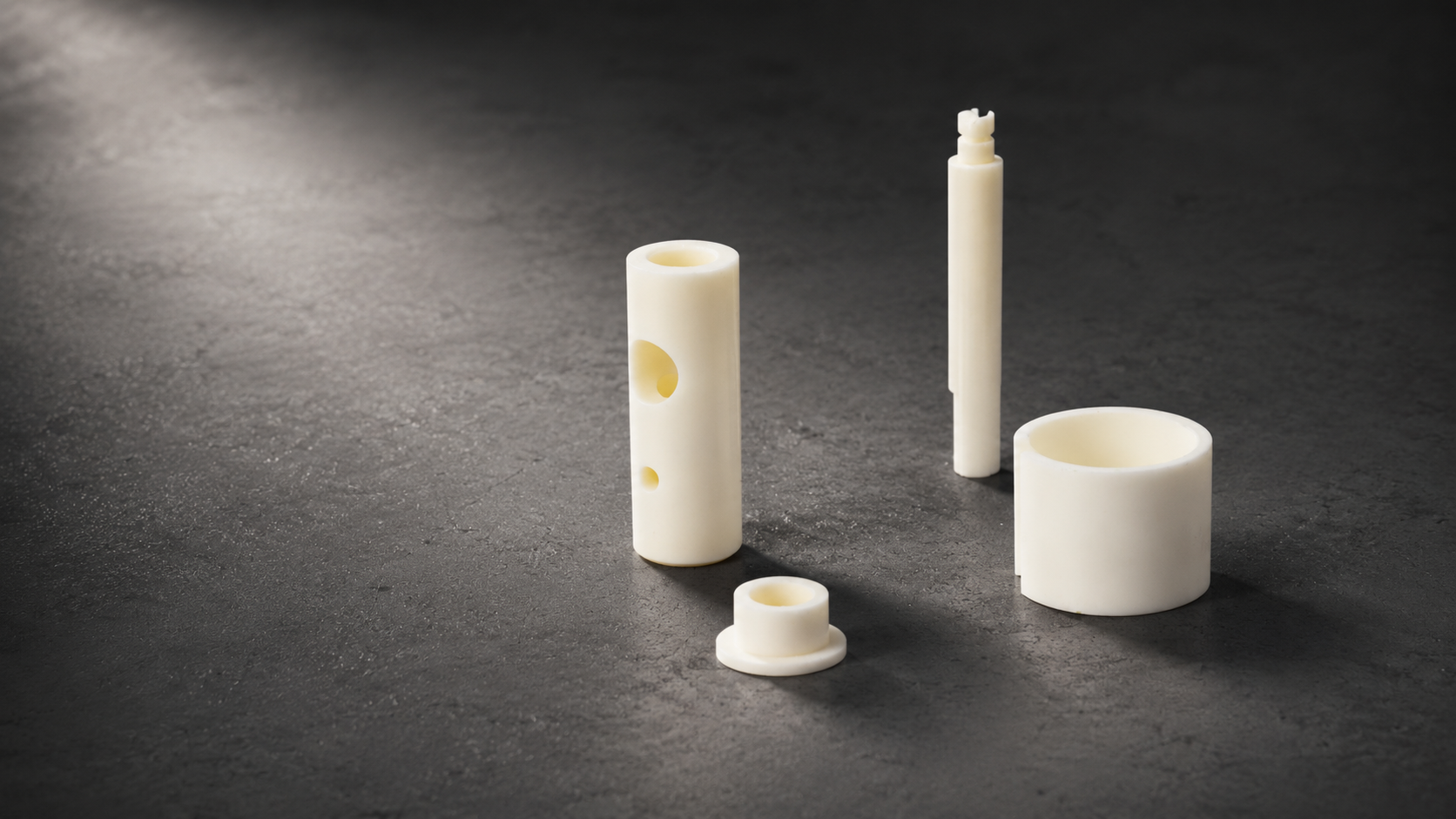
As a custom parts manufacturer with more than 15 years of precision manufacturing experience, XY-GLOBAL supports custom ceramic structural parts based on customer drawings, 3D files, samples, and assembly requirements. For wireless meat thermometer probes, we can help develop ceramic handles, ceramic insulating rings, insulating sleeves, spacers, sensor support parts, and other small ceramic components used in high-temperature or insulation-related areas.
This article explains why ceramic parts are used in thermometer probe assemblies, what should be reviewed before production, and how XY-GLOBAL can support material selection, forming process evaluation, tolerance control, and batch production feasibility.

Why Ceramic Is Used In Meat Thermometer Probes
Wireless meat thermometer probes are commonly used in BBQ grills, ovens, smokers, air fryers, and smart kitchen devices. The probe tip works close to heat, while the rear section may contain sensor connections, sealing structures, electronic parts, or wireless transmission components.
Plastic parts may deform, age, or lose surface quality after long-term heat exposure. Metal parts offer strength, but they conduct heat quickly and may not be suitable for all insulation areas. Ceramic materials can offer a better balance of heat resistance, electrical insulation, dimensional stability, and product appearance.
For mid-to-high-end probe designs, ceramic can also improve the product’s appearance and hand feel. This makes it suitable for handle areas, probe-to-handle transition areas, internal insulation structures, positioning parts, and sensor support components.

Technical Case: Ceramic Handle And Insulating Ring For A Wireless Meat Thermometer Probe
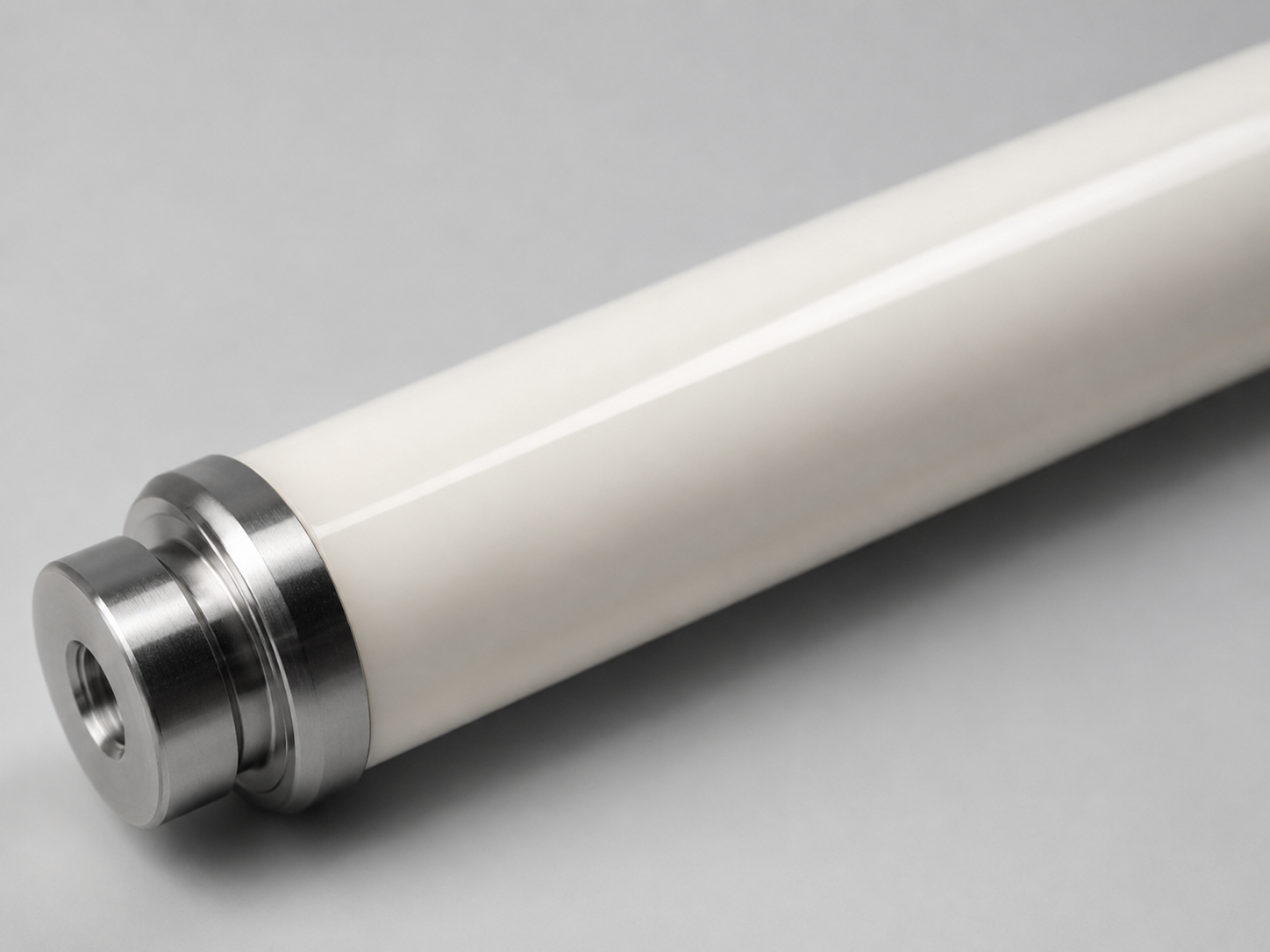
In one wireless grill thermometer probe project, the customer needed two rear ceramic components: a ceramic handle and a ceramic insulating ring located near the front of the handle. This area had limited space and needed to match the stainless steel probe tube, internal sensor structure, sealing area, and hand-contact section.
The ceramic handle was designed as both a functional and appearance part. It needed to help reduce heat transfer from the metal probe, provide insulation around the rear structure, and maintain a smooth, premium appearance. Since the handle was an exposed part, edge design, surface quality, color consistency, and impact risk all needed to be reviewed before tooling.
The ceramic insulating ring was smaller, but its tolerance requirements were critical. It sat between the metal probe and the handle, so the inner diameter, outer diameter, concentricity, and fitting step directly affected assembly stability. If the fit was too tight, the ceramic part could crack during assembly. If the clearance was too large, the probe could become loose or off-center after repeated heating and cooling.

For this type of project, the key issue is not only whether the shape can be made. The more important question is whether the part can be produced with stable dimensions, proper assembly fit, and repeatable quality from prototype to batch production.
Before mold development, XY-GLOBAL can help review:
| Review Item | What We Check |
| Material Selection | Alumina, zirconia, or other suitable ceramics based on heat resistance, insulation, strength, appearance, and cost |
| Structure Design | Wall thickness, sharp corners, radii, steps, weak areas, and assembly stress points |
| Tolerance And Fit | Inner hole, outer diameter, mating surface, concentricity, and key assembly dimensions |
| Secondary Machining | Whether ID grinding, OD grinding, lapping, or other finishing is needed after sintering |
| Forming Process | CIM, dry pressing, hot casting, isostatic pressing, or precision machining feasibility based on geometry and quantity |
| Batch Stability | Shrinkage control, process repeatability, and transition from prototype validation to batch production |
This early review helps customers reduce trial-and-error during development and prepare the ceramic part design for more stable production.
Ceramic Material Selection
Material selection should depend on working temperature, insulation requirements, strength, appearance, assembly structure, and production quantity. For meat thermometer probe ceramic parts, alumina and zirconia are usually the more practical material directions.
Alumina Ceramic
Alumina ceramic is commonly used for insulating sleeves, ceramic washers, spacers, sensor support parts, and internal insulation structures. It offers good electrical insulation, heat resistance, and relatively controlled cost, making it suitable for functional ceramic parts inside probe assemblies.
For parts that are mainly used for insulation, support, or internal positioning, alumina is often a practical and cost-effective option.
Zirconia Ceramic
Zirconia ceramic is more suitable for exposed ceramic components, such as ceramic probe handles, visible ceramic rings, or appearance-related structural parts. It offers better toughness, smoother surface quality, refined appearance, and a more premium hand feel.
For mid-to-high-end thermometer probe designs, zirconia can be considered when the customer wants better appearance, stronger brand differentiation, or improved impact resistance compared with more common ceramic materials.
If the material has not been confirmed, XY-GLOBAL can help evaluate a practical material and process route based on the drawing, assembly position, appearance requirement, and working environment.
What To Provide Before Quotation
To evaluate your ceramic probe component accurately, please send 2D drawings, 3D CAD files, samples, or reference photos. It is also helpful to provide the working temperature range, application environment, material requirements, surface finish requirements, prototype quantity, batch quantity, and key tolerance notes.
For ceramic handles, insulating rings, sleeves, and positioning parts, assembly information is especially important. Please share the mating dimensions or reference structure of the stainless steel probe tube, housing, sealing part, or internal sensor area if available.
Why Choose XY-GLOBAL
XY-GLOBAL focuses on custom precision ceramic structural parts. According to part geometry, tolerance requirements, material properties, and production quantity, we can support CIM ceramic injection molding, dry pressing, isostatic pressing, ceramic hot casting, and precision ceramic machining.
Our service is not only about manufacturing ceramic parts according to drawings. Before tooling or batch production, we can help review material selection, structure design, tolerance feasibility, shrinkage control, secondary machining needs, and production stability.
If you are developing wireless meat thermometer probes, BBQ temperature probes, smart kitchen temperature sensors, or other high-temperature sensor assemblies, send your drawings, 3D files, samples, or assembly requirements to XY-GLOBAL. Our team can help evaluate the ceramic component solution and provide technical support with a fast quotation.
Share:
Titanium Metal Injection Molding for Custom Titanium MIM Parts
MIM Watch Parts: Metal Injection Molding for Precision Timepiece Components