


Cuando la gente busca fabricantes de piezas cerámicas, a menudo tienen un problema muy específico.
Normalmente no es solo "necesitamos cerámica".
Es más como:
-
"Nuestra pieza metálica se corroe demasiado rápido."
-
"Este componente necesita aislamiento eléctrico."
-
"La temperatura es demasiado alta para los materiales convencionales."
-
"Necesitamos estabilidad dimensional en condiciones extremas."
La cerámica entra en juego cuando los materiales tradicionales alcanzan sus límites.
Pero no todos los fabricantes de piezas cerámicas son iguales, y no todos los componentes cerámicos se producen de la misma manera.
Veamos qué sucede realmente entre bastidores.

Un Escenario Real: Cuando el Metal No Era Suficiente
Un cliente de la industria electrónica se puso en contacto con nosotros con un problema recurrente.
Utilizaban componentes de aluminio mecanizados con precisión en un entorno de pruebas de alta frecuencia. Con el tiempo, las piezas experimentaron:
-
Degradación de la superficie
-
Interferencia eléctrica
-
Inestabilidad térmica
Cambiar a acero inoxidable no resolvió el problema.
Lo que necesitaban era:
-
Aislamiento eléctrico
-
Alta resistencia al desgaste
-
Estabilidad dimensional
-
Control de tolerancia estricto
Fue entonces cuando la cerámica avanzada se convirtió en la solución.
Lo Que Producen Realmente los Fabricantes de Piezas Cerámicas
Los fabricantes modernos de piezas cerámicas atienden a industrias como:
-
Equipos semiconductores
-
Dispositivos médicos
-
Sistemas aeroespaciales
-
Electrónica
-
Automatización industrial
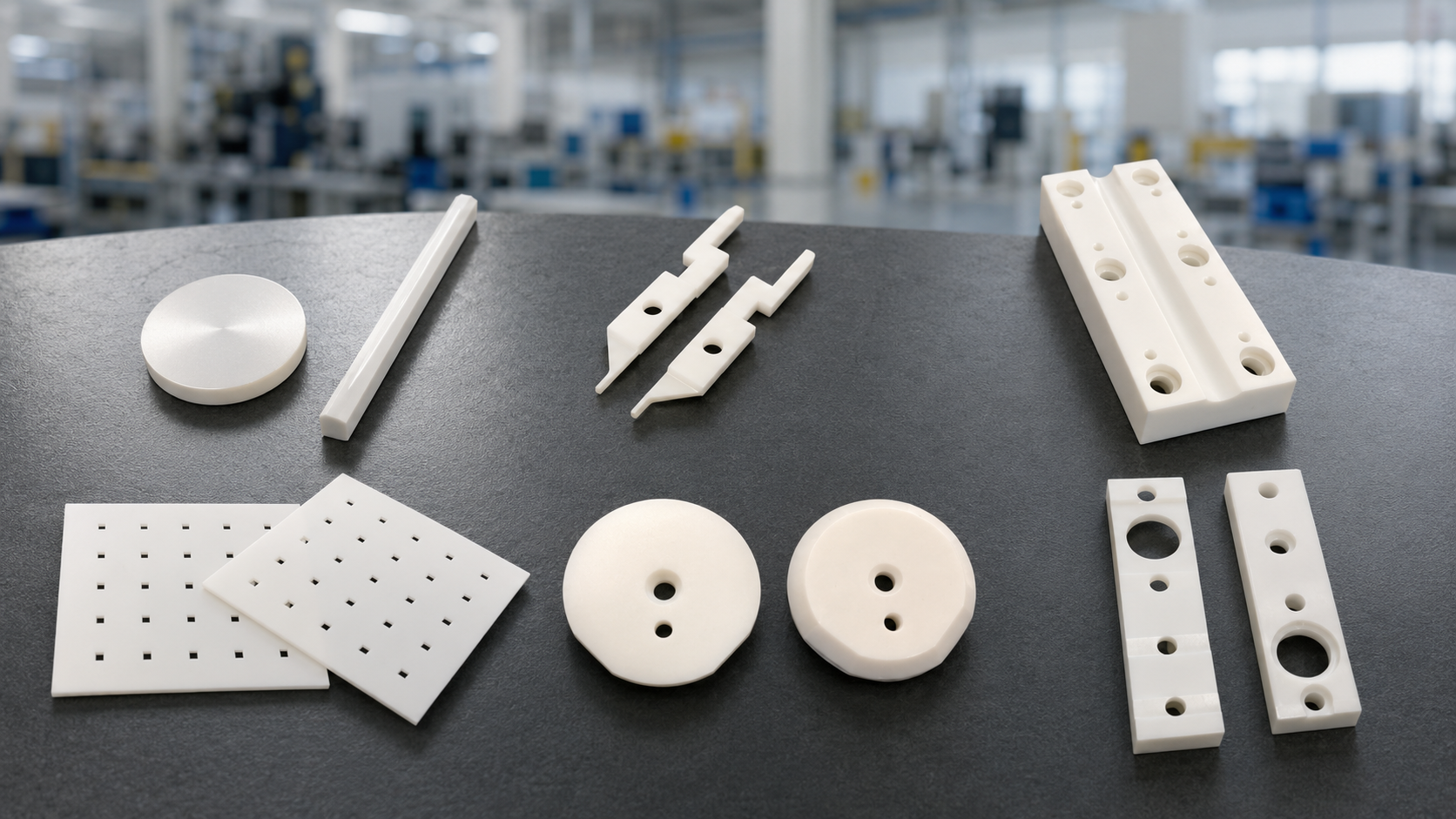
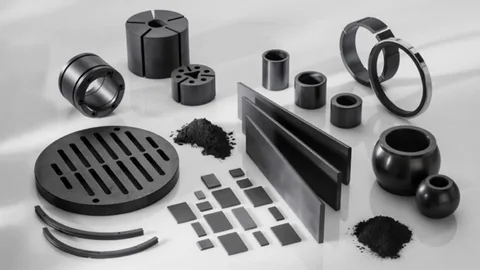
Los componentes cerámicos comunes incluyen:
-
Aislantes
-
Asientos de válvula
-
Manguitos resistentes al desgaste
-
Sustratos
-
Componentes de bombas
-
Marcos estructurales en sistemas de alta temperatura
Pero la diferencia clave radica en cómo se producen esas piezas.

Mecanizado Cerámico Tradicional vs. Moldeo por Inyección de Cerámica
Muchas personas imaginan que las cerámicas se cortan o se muelen a partir de bloques. Ese es un método, pero no siempre el más eficiente.
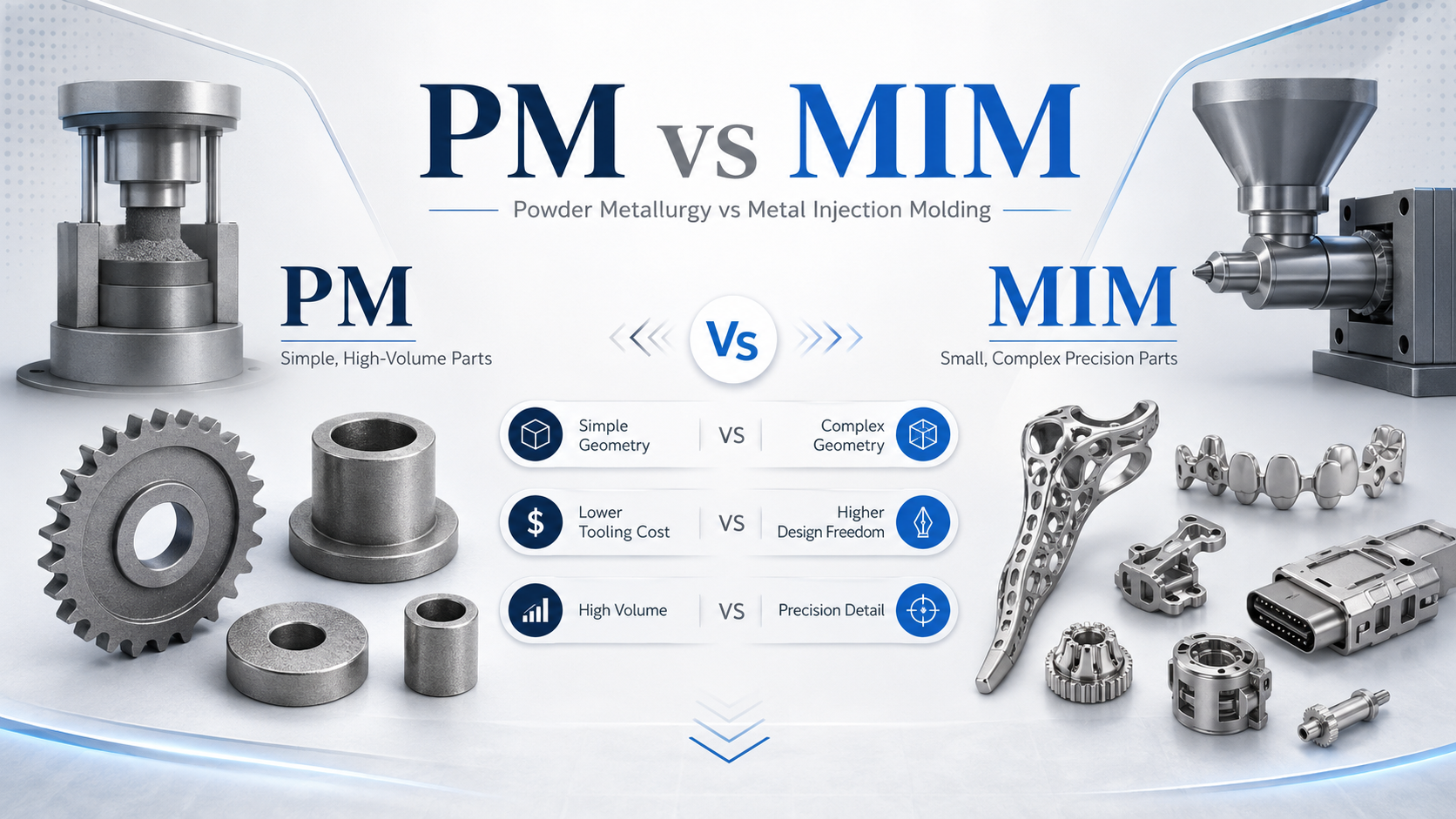
Aquí hay una comparación simplificada:
| Proceso | Mecanizado Tradicional | Moldeo por Inyección de Cerámica (CIM) |
|---|---|---|
| Ideal para | Bajo volumen, geometría simple | Formas complejas, volumen medio a alto |
| Eficiencia de costos | Mayor por pieza | Menor a escala |
| Complejidad geométrica | Limitada | Excelente para formas intrincadas |
| Acabado de superficie | Depende del rectificado | Buena consistencia después de la sinterización |
| Repetibilidad dimensional | Buena | Muy estable en producción por lotes |
El moldeo por inyección de cerámica (CIM) permite a los fabricantes producir piezas cerámicas complejas, pequeñas y de alta precisión de manera más eficiente.
Esto es especialmente importante en industrias donde las tolerancias y la repetibilidad son importantes.

Por Qué la Precisión Importa en la Fabricación de Cerámica
A diferencia de los metales, las cerámicas:
-
Son frágiles
-
Se contraen durante la sinterización
-
No pueden ser fácilmente remodeladas después de la cocción
Esto significa que los fabricantes de piezas cerámicas deben controlar:
-
Calidad del polvo
-
Composición del aglutinante
-
Parámetros de moldeo
-
Ciclos de desaglomerado
-
Perfiles de temperatura de sinterización
Incluso una pequeña desviación puede afectar:
-
Densidad
-
Resistencia mecánica
-
Precisión dimensional
Por eso la producción de cerámica avanzada requiere no solo conocimientos de materiales, sino también experiencia en el control de procesos.
Dónde Encajan los Fabricantes de MIM / CIM
En MIM Supplier, trabajamos con ambos:
-
Moldeo por inyección de metales (MIM)
-
Moldeo por inyección de cerámica (CIM)
Muchos clientes que buscan fabricantes de piezas cerámicas en realidad buscan:
-
Componentes de precisión miniaturizados
-
Estructuras resistentes a altas temperaturas
-
Componentes aislantes eléctricos
-
Geometrías complejas que el mecanizado no puede lograr fácilmente
CIM permite la producción de:
-
Características finas
-
Paredes delgadas
-
Componentes de precisión a microescala
-
Producción en masa repetible
Y en muchos ensamblajes, las piezas cerámicas se combinan con componentes metálicos MIM.
Por ejemplo:
-
Aislantes cerámicos combinados con marcos de acero inoxidable
-
Insertos cerámicos resistentes al desgaste combinados con carcasas metálicas
-
Ensamblajes híbridos en sistemas médicos o electrónicos
Las tecnologías a menudo trabajan juntas.
Una Tendencia Creciente: Reemplazar Piezas Mecanizadas con Cerámicas Moldeadas
En varios proyectos recientes, los clientes hicieron la transición de:
Alúmina mecanizada por CNC → a → piezas moldeadas por inyección de cerámica
¿Por qué?
Porque a escala:
-
El costo de la herramienta fue compensado por un menor costo por pieza
-
La geometría se optimizó
-
La consistencia de la producción mejoró
Los fabricantes de piezas cerámicas hoy en día no son solo proveedores, son socios de ingeniería que ayudan a rediseñar componentes para su fabricación.

Consideraciones Finales
Los materiales cerámicos resuelven problemas que los metales no pueden:
-
Aislamiento eléctrico
-
Resistencia a altas temperaturas
-
Resistencia a la corrosión
-
Resistencia al desgaste
Pero producir componentes cerámicos de alta calidad requiere más que solo la elección del material.
Requiere estabilidad del proceso, experiencia en ingeniería y capacidad de fabricación de precisión.
Para las industrias que están llevando al límite el rendimiento, ya sea en aplicaciones médicas, de semiconductores o electrónicas, trabajar con fabricantes de piezas cerámicas experimentados puede marcar la diferencia entre un diseño que funciona... y uno que perdura.




Compartir:
Qué es realmente un fabricante fiable de piezas sinterizadas: Proceso, aplicaciones y guía de selección de proveedores
Compresión isostática: principios, diferencias en los procesos y aplicaciones industriales