

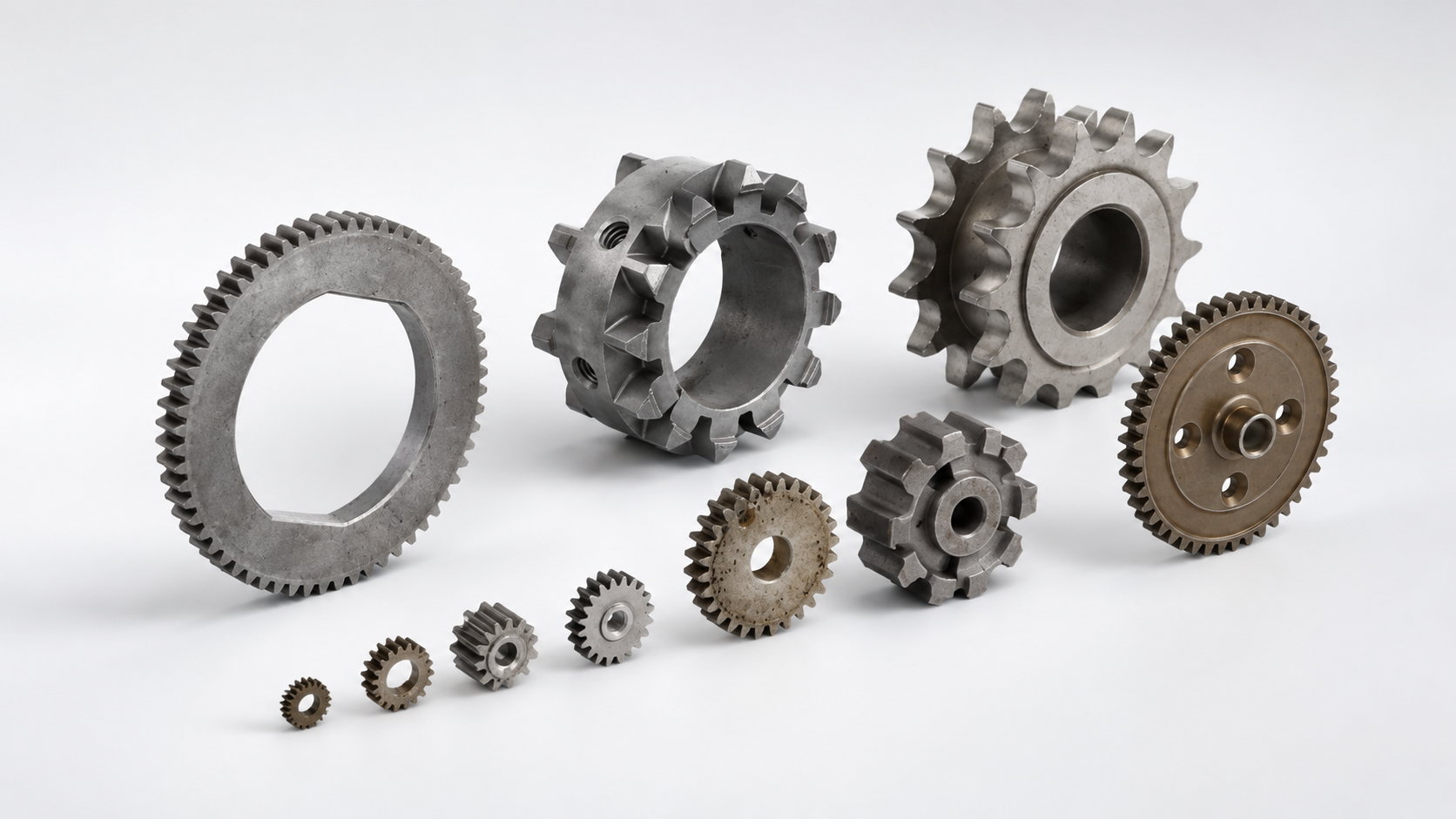
Когда клиенты ищут производителей спеченных металлических изделий, они обычно не просто хотят получить базовое объяснение процесса спекания. В большинстве случаев им нужен поставщик, способный изготавливать металлические детали на заказ по чертежам, контролировать свойства материалов и обеспечивать стабильное производство от образцов до серийных заказов.
Однако «спеченный металл» — это широкая категория. Некоторые производители специализируются на традиционных деталях из порошковой металлургии, некоторые изготавливают спеченные подшипники или фильтры, а другие специализируются на литье металлов под давлением, также известном как MIM. Прежде чем выбирать поставщика, важно убедиться, что его процесс соответствует геометрии вашей детали, материалу, допуску и объему производства.
XY-GLOBAL поддерживает изготовление спеченных металлических деталей на заказ, особенно мелких и сложных спеченных деталей MIM из нержавеющей стали, титанового сплава, вольфрамового сплава и других выбранных металлических материалов. Мы помогаем клиентам пересмотреть выбор материала, возможность спекания, требования к вторичной механической обработке, чистовой обработке поверхности и стандартам контроля перед производством.

Какие типы спеченных металлических деталей мы можем изготовить?
Не все спеченные металлические детали должны изготавливаться одним и тем же способом. Простые формы и крупносерийные конструкционные детали могут быть пригодны для традиционного прессования порошковой металлургии. Мелкие сложные детали с тонкими стенками, отверстиями, пазами, изогнутыми поверхностями и жесткими требованиями к сборке часто лучше подходят для MIM.
XY-GLOBAL больше подходит для таких проектов, как:
| Тип детали | Подходящий процесс | Распространенные материалы |
|---|---|---|
| Мелкие сложные конструкционные детали | MIM | 316L, 17-4PH, Ti-6Al-4V |
| Прецизионные зажимы, кронштейны и соединители | MIM | Нержавеющая сталь, титановый сплав |
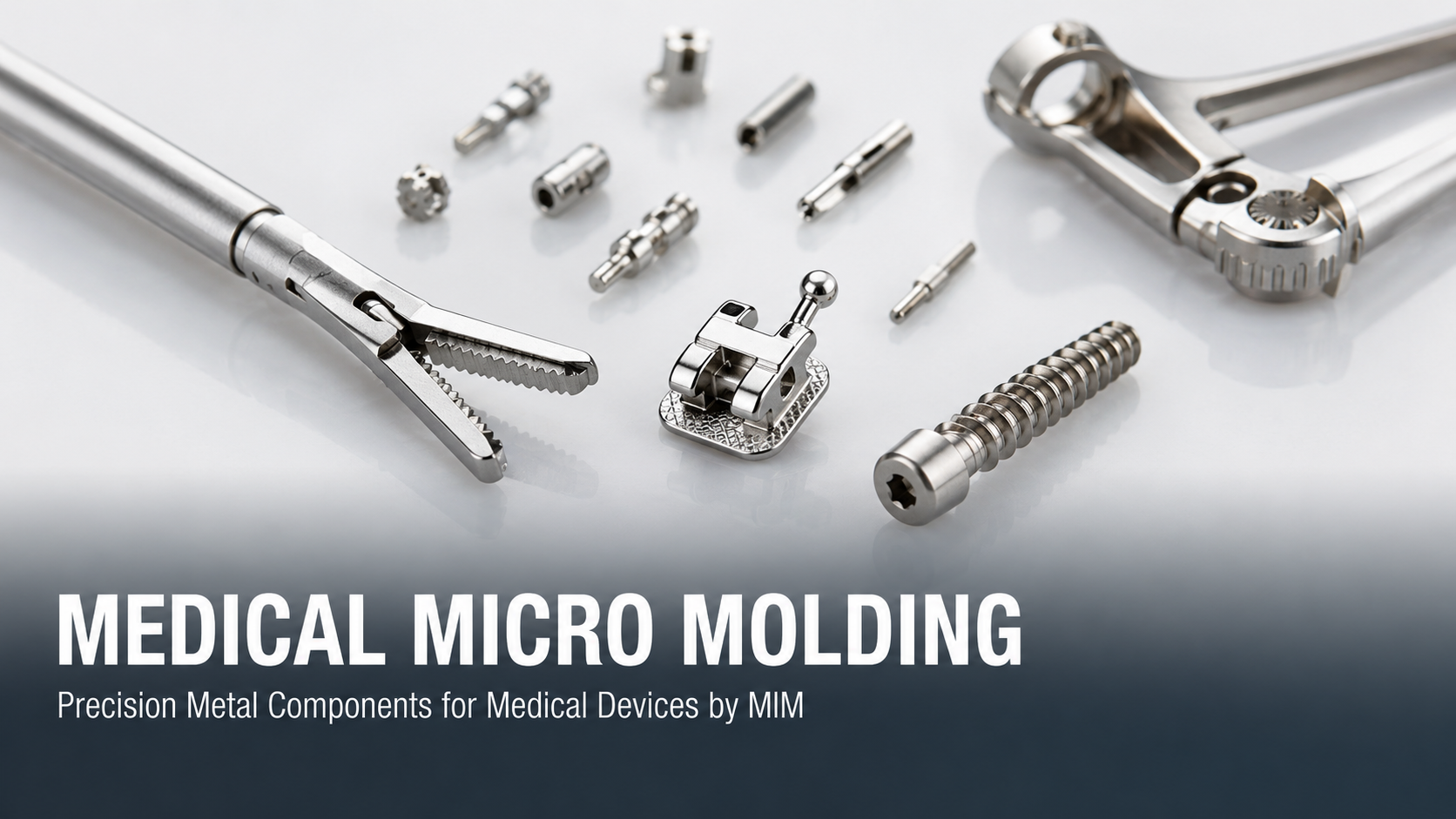
| Мелкие металлические компоненты медицинского назначения | MIM + вторичная обработка | 316L, 17-4PH, титановый сплав |
| Электронные и приборные компоненты | MIM / постобработка | Нержавеющая сталь, медный сплав, титановый сплав |
| Грузики или экранирующие детали высокой плотности | Спекание вольфрамового сплава / MIM | W-Ni-Fe, W-Ni-Cu |
| Автомобильные и промышленные мелкие детали | MIM / порошковая металлургия | Нержавеющая сталь, сплав на основе железа, 17-4PH |
Если деталь простая, большая или требуется в очень малом количестве, то обработка на станке с ЧПУ может быть более гибкой. Если деталь маленькая, сложная и ожидается ее повторное производство в сотнях, тысячах или более высоких объемах, то спекание MIM становится целесообразным.
Порошковая металлургия против спеченных деталей MIM
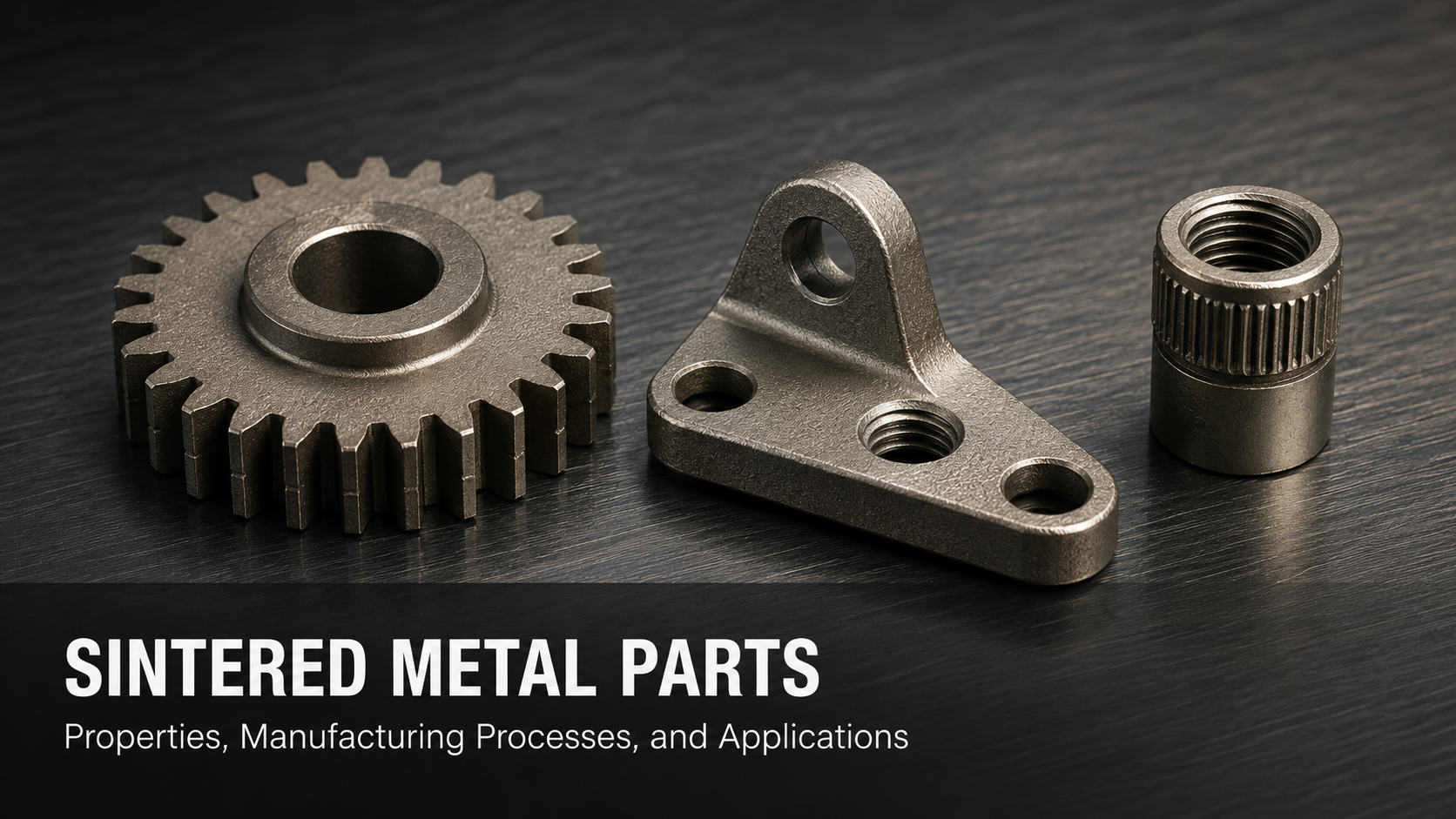
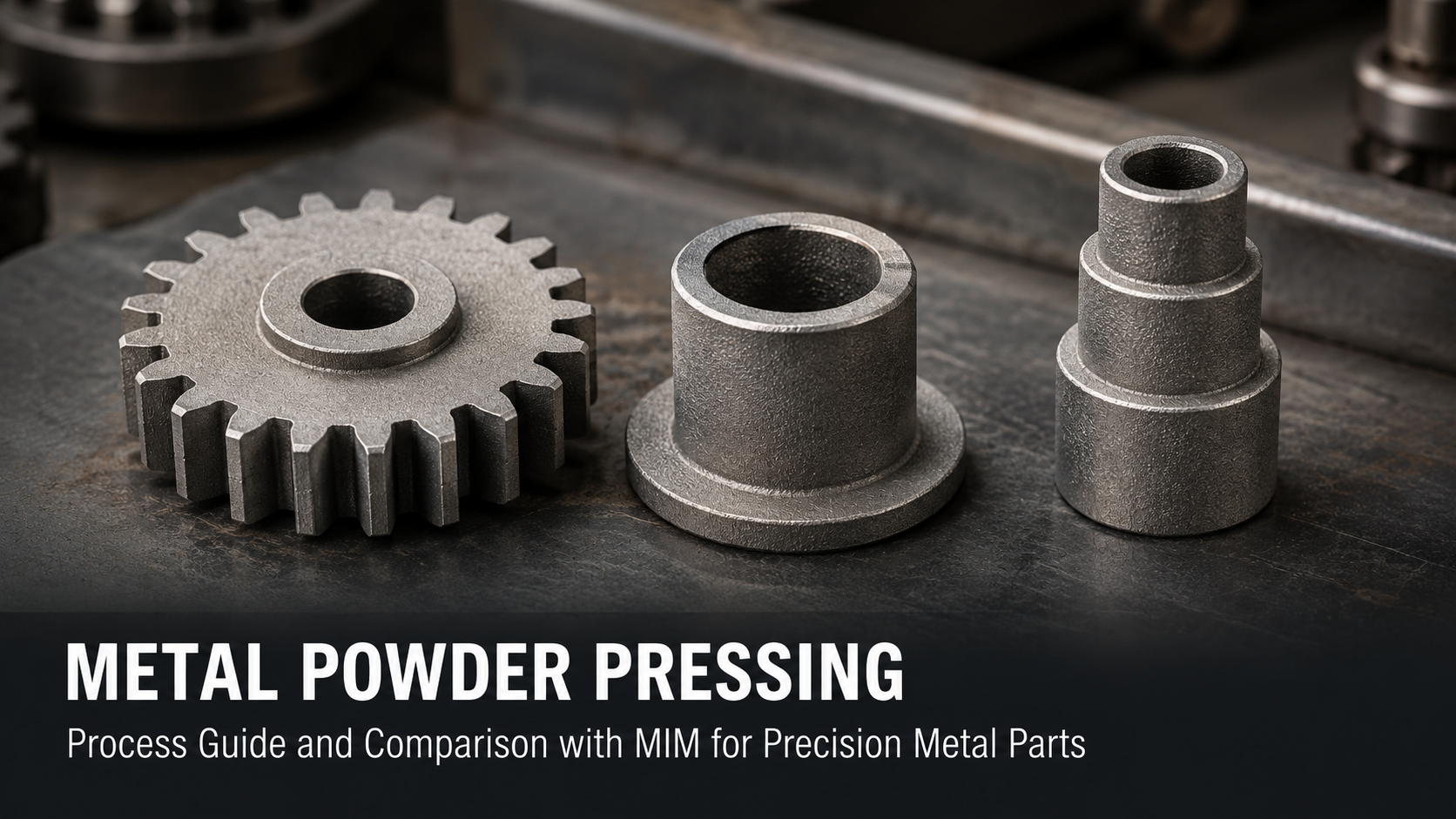
Традиционная порошковая металлургия обычно включает прессование металлического порошка в форму, а затем его спекание. Этот процесс подходит для относительно простых геометрий, таких как шестерни, втулки, конструкционные блоки и промышленные детали большого объема.
MIM использует тонкий металлический порошок, смешанный со связующим, для создания исходного сырья. Исходное сырье инжекционно формуется в сложную форму, затем из него удаляется связующее и он спекается в плотный металлический компонент. Этот процесс подходит для мелких сложных деталей, которые было бы трудно или дорого полностью обработать на станке с ЧПУ.
| Процесс | Лучше всего для | Примечания |
|---|---|---|
| Прессование порошковой металлургии | Простые формы и крупносерийные детали | Экономически эффективно, но геометрия более ограничена |
| Литье металлов под давлением | Малые сложные металлические детали | Подходит для отверстий, пазов, тонких стенок и изогнутых поверхностей |
| Механическая обработка после спекания | Критические отверстия, резьба, плоскостность, монтажные поверхности | Используется, когда требуется локальная точность |
| Термическая обработка / обработка поверхности | Прочность, коррозионная стойкость, внешний вид | Выбирается на основе материала и применения |
Во многих проектах клиентам не нужно сначала выбирать процесс. Лучший подход — отправить чертеж, материал, количество и требования к применению. Затем производитель может оценить, что более подходит: обработка на станке с ЧПУ, порошковая металлургия, MIM или комбинированный процесс.

Распространенные материалы для спеченных металлических деталей на заказ
Различные металлы ведут себя по-разному во время спекания. Усадка, плотность, риск окисления, прочность и сложность последующей механической обработки — все это необходимо учитывать перед производством.
| Материал | Типичные применения | Ключевое соображение |
|---|---|---|
| Нержавеющая сталь 316L | Детали медицинского назначения, электронные компоненты, мелкие детали с коррозионной стойкостью | Хорошая коррозионная стойкость и отработанная технология MIM |
| Нержавеющая сталь 17-4PH | Запирающие детали, компоненты клапанов, механические конструкционные детали | Более высокая прочность после термической обработки |
| Титан Ti-6Al-4V | Легкие детали, компоненты медицинского назначения, прецизионные конструкции | Контроль кислорода и атмосфера спекания важны |
| Вольфрамовый сплав W-Ni-Fe | Противовесы, экранирующие детали, балансировочные блоки | Высокая плотность и контроль усадки |
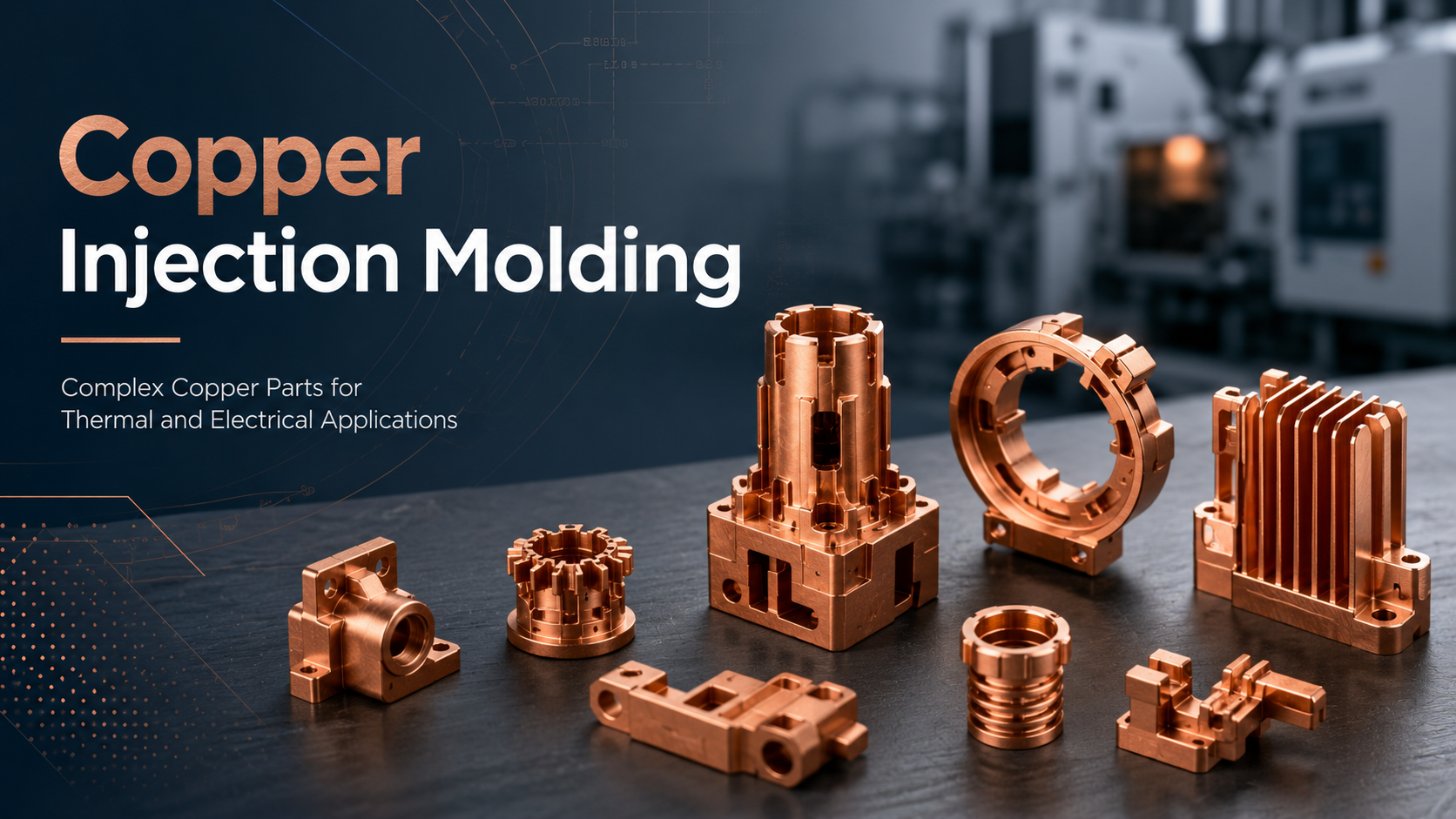
| Медный сплав | Электрические и тепловые компоненты | Проводимость и контроль окисления |
| Сплав на основе железа | Конструкционные детали для автомобильной и промышленной промышленности | Экономически эффективен для массового производства |
В качестве справочной информации, детали MIM часто имеют линейную усадку при спекании около 15%–20%, в зависимости от типа порошка, исходного сырья, конструкции пресс-формы и процесса спекания. Для критических отверстий, резьбы, плоскостности или монтажных поверхностей может потребоваться вторичная механическая обработка или шлифовка после спекания.
Общие контрольные точки включают стабильность размеров, положение отверстий, качество резьбы, плоскостность, перпендикулярность, соосность, шероховатость поверхности, контроль заусенцев, деформацию при термической обработке, плотность материала и однородность внешнего вида.

Почему MIM часто подходит для мелких сложных деталей
MIM не столько направлен на удешевление одной детали. Его ценность проявляется, когда деталь имеет сложную геометрию и стабильный спрос на повторное производство.
Например, небольшой кронштейн из нержавеющей стали, изготовленный на станке с ЧПУ, может потребовать нескольких установок, фрезерования пазов, сверления, контурной обработки и значительного удаления материала. С MIM основная сложная часть может быть сформирована в почти чистую форму, а затем только критические зоны сборки будут обработаны, если это необходимо.
MIM обычно стоит рассматривать, когда деталь имеет:
-
Малый размер
-
Сложную геометрию
-
Отверстия, пазы, ступени или тонкие стенки
-
Длительное время обработки на станке с ЧПУ
-
Стабильный серийный спрос
-
Требования к прочности материала или коррозионной стойкости
-
Повторяющиеся требования к сборке
Для ранних прототипов или проектов, которые все еще часто меняются, обработка на станке с ЧПУ часто более практична. Как только конструкция стабилизируется и спрос станет более ясным, MIM можно оценить для серийного производства.
Пример применения: Малый фиксирующий компонент из 17-4PH
Типичный проект включал небольшой фиксирующий компонент, используемый внутри прецизионного механического устройства. Размер детали составлял примерно 18 мм × 9 мм × 5 мм. Она включала тонкостенные участки, фиксирующий паз, установочные отверстия и изогнутые поверхности. Заказчику требовались хорошая прочность и стабильная однородность сборки для серийного производства.
Если бы деталь была полностью обработана на станке с ЧПУ, паз и изогнутые элементы потребовали бы нескольких установок и более длительного времени обработки. После рассмотрения чертежа мы предложили использовать 17-4PH MIM для формирования основного тела, а затем вторичную обработку критических отверстий и монтажных поверхностей.
Во время изготовления образцов и пилотной партии основными контрольными точками были:
-
Размер установочного отверстия
-
Ширина фиксирующего паза
-
Плоскостность монтажной поверхности
-
Деформация при спекании
-
Изменение размеров после термической обработки
-
Контроль заусенцев и кромок
Этот случай показывает, что MIM не всегда полностью заменяет ЧПУ. Во многих проектах лучшим решением является использование MIM для изготовления сложного тела, близкого к чистой форме, и использование обработки на ЧПУ только для функциональных областей, которые непосредственно влияют на сборку.

Как выбрать производителей спеченных металлических изделий
При выборе производителей спеченных металлических изделий цена не должна быть единственным фактором. Поставщик должен быть способен понимать ваш материал, геометрию, допуски, поведение при спекании и потребности в постобработке.
Перед началом проекта полезно подтвердить:
-
Может ли поставщик обрабатывать требуемый материал
-
Поддерживают ли они MIM, спекание, последующую механическую обработку и чистовую обработку
-
Могут ли они оценить усадку при спекании и риск деформации
-
Могут ли критические отверстия, резьба и монтажные поверхности быть обработаны после спекания
-
Поддерживаются ли образцы и пилотные партии
-
Может ли быть предоставлен анализ DFM перед оснасткой
-
Доступны ли отчеты о проверке, когда это требуется
Для спеченных деталей MIM важен ранний анализ чертежей. Тонкие стенки, острые углы, глубокие отверстия, большие изменения толщины и чрезмерно жесткие допуски могут влиять на формование, удаление связующего, спекание и окончательный контроль размеров.
Как XY-GLOBAL поддерживает проекты по производству спеченных металлических изделий на заказ
XY-GLOBAL поддерживает разработку спеченных металлических деталей и компонентов MIM на заказ на основе чертежей заказчика и требований к применению. Мы анализируем конструкцию детали, материал, объем производства, допуски, чистоту поверхности и потребности в контроле перед тем, как рекомендовать производственный маршрут.
Мы можем поддержать:
-
Детали MIM из нержавеющей стали, включая 316L и 17-4PH
-
Детали MIM из титана, включая Ti-6Al-4V
-
Спеченные детали из вольфрамового сплава для применений с высокой плотностью
-
Мелкие сложные конструкционные детали от образца до серийного производства
-
Механическая обработка на станках с ЧПУ, шлифовка и полировка после спекания
-
Термическая обработка, пассивация, нанесение покрытий и другая чистовая обработка поверхности
-
Контроль размеров, визуальный контроль и отчеты по ключевым размерам
Наша цель — не просто сказать, можно ли изготовить деталь. Мы помогаем клиентам проверить, соответствуют ли материал, структура, количество, допуски и требования к постобработке выбранному процессу.
Что предоставить для расчета стоимости
Чтобы оценить, подходит ли деталь для спекания или MIM, пожалуйста, предоставьте:
-
2D-чертеж с допусками и критическими размерами
-
3D-модель, например, STEP, STP, X_T или IGS
-
Требования к материалу
-
Количество прототипов, количество пилотных партий и годовой спрос
-
Требования к обработке поверхности
-
Требования к термической обработке
-
Функциональные или критически важные для сборки размеры
-
Требования к отчету о проверке
-
Применение или рабочая среда
Если вы не уверены, что именно подходит: обработка на станке с ЧПУ, порошковая металлургия или MIM, вы можете сначала отправить нам чертеж и предполагаемое количество. Мы проанализируем структуру, материал, допуски и объем производства, прежде чем рекомендовать подходящий процесс.
Часто задаваемые вопросы
Что делают производители спеченных металлических изделий?
Производители спеченных металлических изделий производят металлические компоненты из металлического порошка путем формования и спекания. В зависимости от своих возможностей, они могут поддерживать производство деталей из порошковой металлургии, деталей MIM, компонентов из вольфрамового сплава или индивидуальных спеченных конструкционных деталей.
В чем разница между порошковой металлургией и MIM?
Прессование порошковой металлургии больше подходит для простых форм и крупносерийного производства. MIM больше подходит для мелких сложных металлических деталей с отверстиями, пазами, тонкими стенками и сложной геометрией.
Можно ли обрабатывать спеченные металлические детали после спекания?
Да. Критические отверстия, резьба, уплотнительные поверхности, плоскостность и монтажные поверхности могут быть обработаны или отшлифованы после спекания, когда требуется более высокая точность.
Какие материалы можно использовать для спеченных металлических деталей?
Распространенные материалы включают нержавеющую сталь 316L, нержавеющую сталь 17-4PH, титановый сплав Ti-6Al-4V, вольфрамовый сплав, медный сплав и сплавы на основе железа. Правильный материал зависит от прочности, коррозионной стойкости, плотности, веса и потребностей применения.
Как выбрать производителя спеченных металлических деталей?
Выбирайте производителя, который понимает ваш материал, геометрию детали, допуски, усадку при спекании, потребности в последующей обработке, требования к контролю и объем производства.

Делиться:
Примеры сырья MIM для литья металлов под давлением
Циркониевые керамические детали: Изготовленные на заказ компоненты из ZrO2 методом литья под давлением