Умные часы, беспроводные наушники, очки дополненной реальности и фитнес-браслеты стали частью повседневной жизни — это устройства, которые люди носят часами, зачастую каждый день.
Ожидания пользователей также изменились. Устройству уже недостаточно просто отслеживать данные или подключаться к телефону. Оно также должно быть легким, изысканным на вид, выдерживать ежедневное использование и оставаться комфортным в течение длительного времени.
Это создает серьезную производственную проблему. Чем меньше устройство и чем больше функций оно выполняет, тем сложнее становится его внутренняя структура. Традиционные методы производства часто не позволяют одновременно обеспечить миниатюрный размер, надежную прочность и высокое качество отделки.
Именно здесь
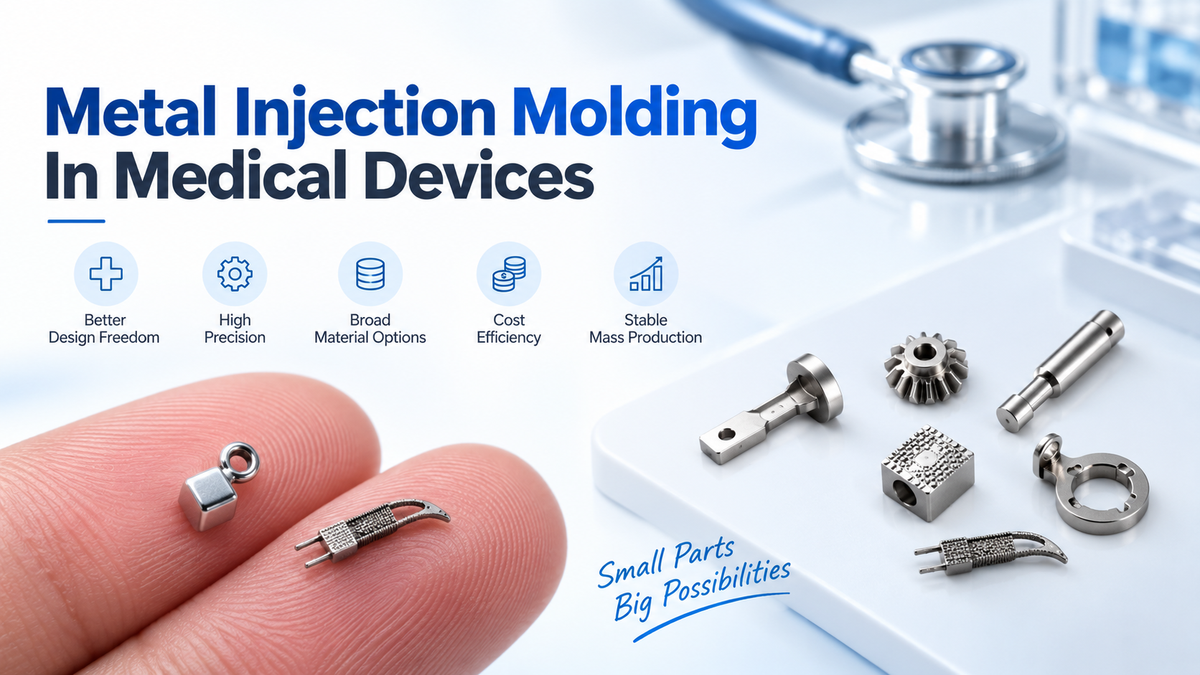
литье металлов под давлением меняет ситуацию. MIM позволяет производить небольшие, сложные металлические детали с прочностью, точностью и качеством поверхности, которые требуются для современных носимых устройств. В результате этот процесс стал важным производственным методом для брендов, стремящихся создавать более тонкие, легкие и конкурентоспособные умные носимые устройства.
Почему MIM хорошо подходит для изготовления компонентов умных носимых устройств
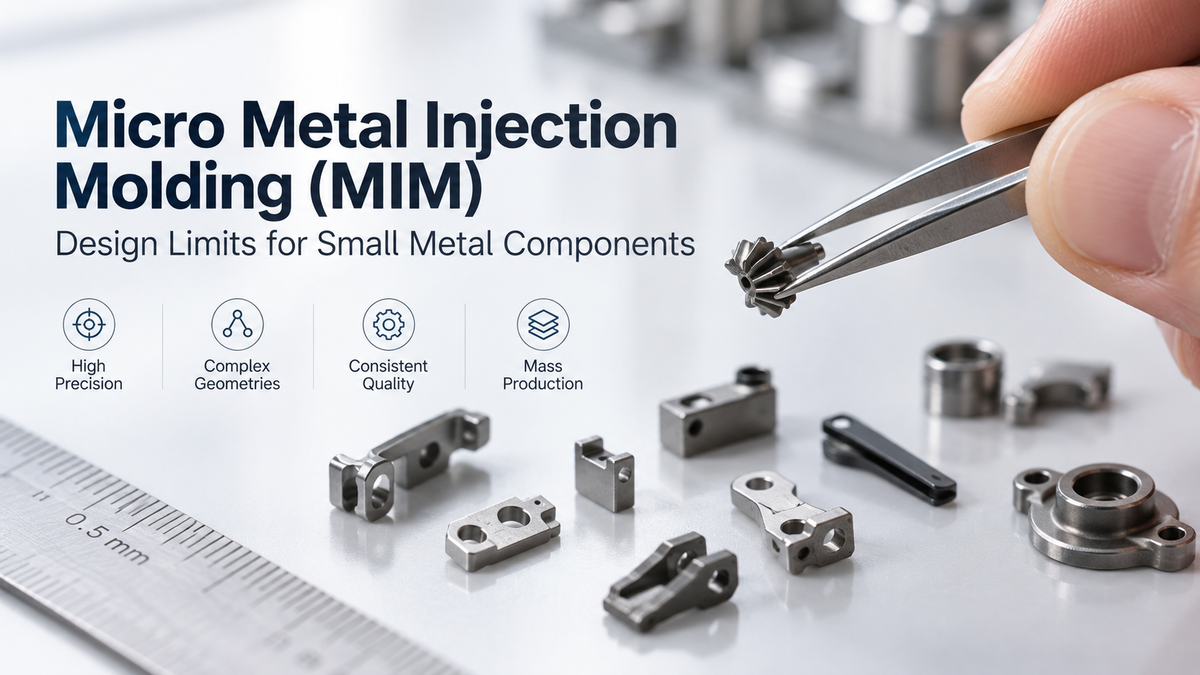
Внутри умных часов, беспроводных наушников, умных очков или фитнес-браслетов пространство крайне ограничено. Металлические компоненты могут иметь размер всего несколько миллиметров, но при этом они должны иметь тонкие стенки, изогнутые поверхности, внутренние отверстия и сложные трехмерные элементы. В то же время они должны оставаться прочными, точными и пригодными для компактной сборки.
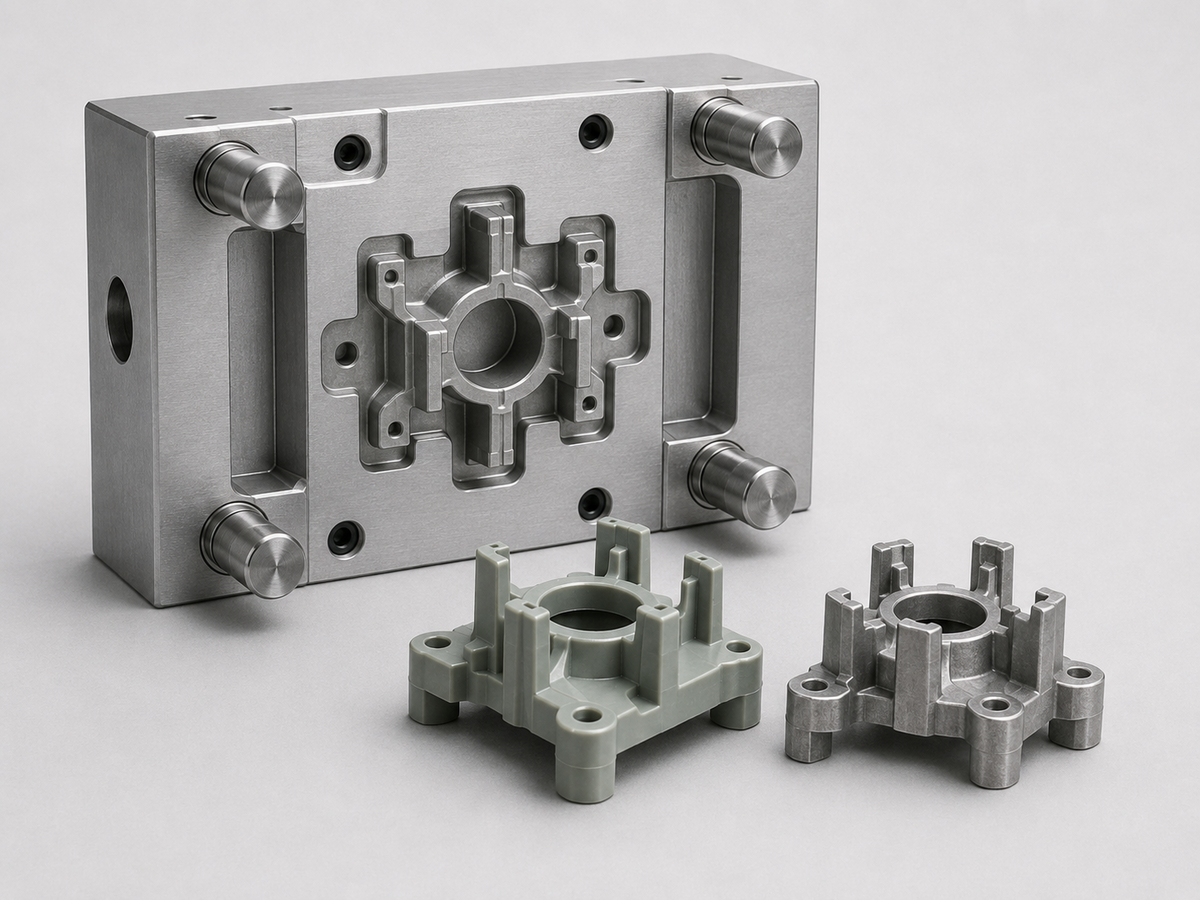
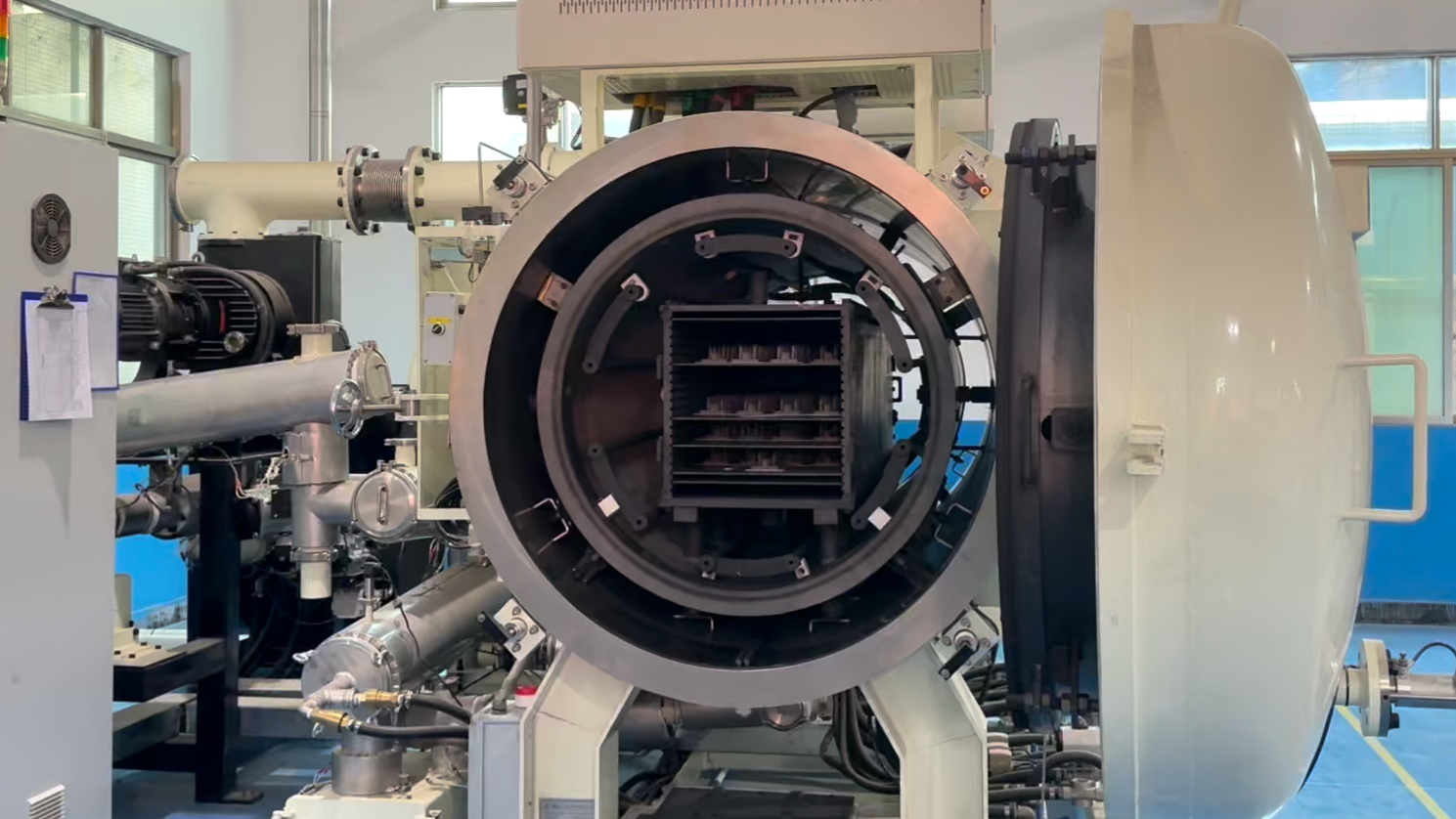
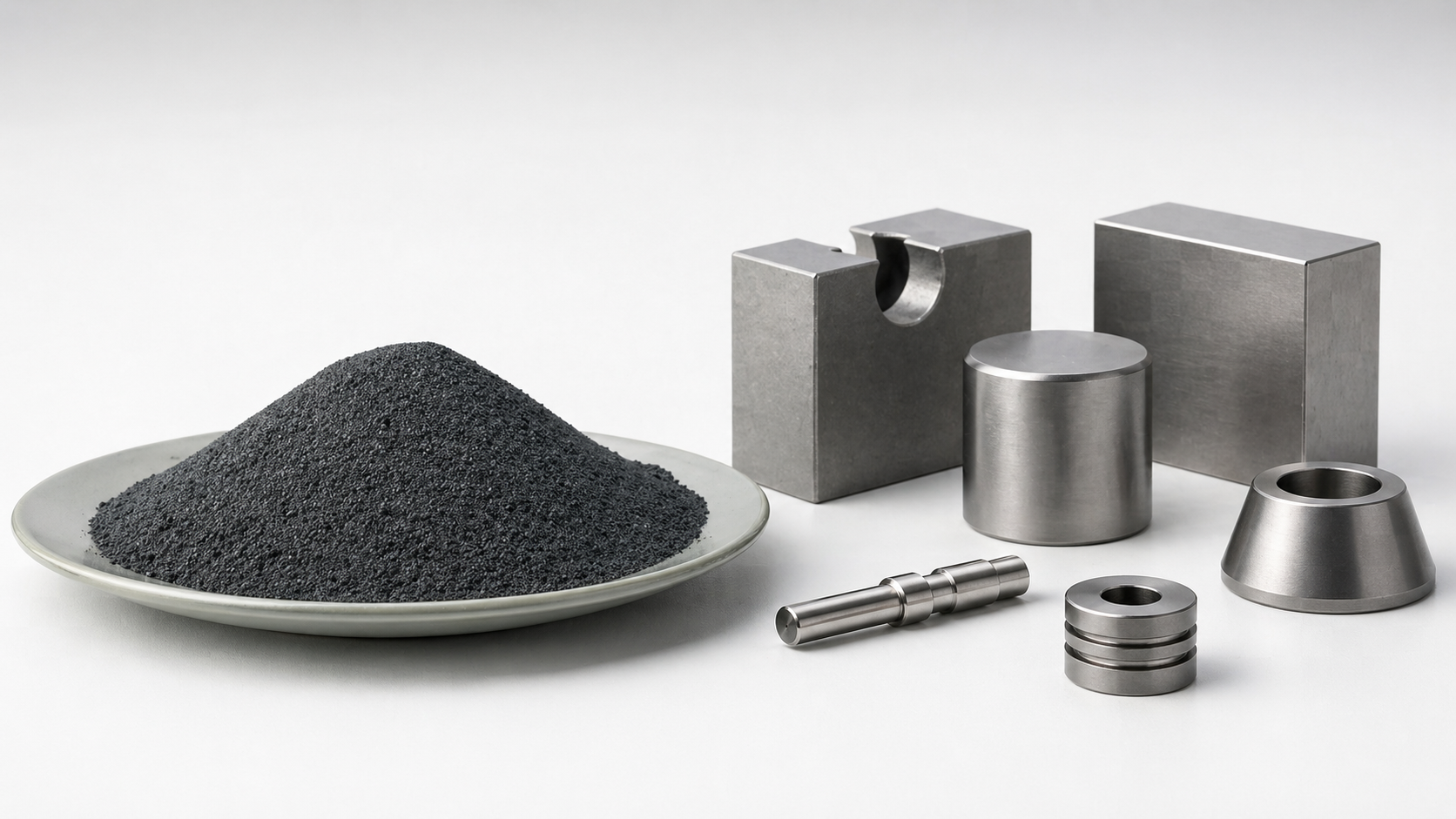
Литье металлов под давлением сочетает в себе свободу дизайна литья под давлением с характеристиками материалов порошковой металлургии. Мелкий металлический порошок смешивается со связующим веществом, впрыскивается в форму, отжигается, а затем спекается в плотный металлический компонент.
Поскольку MIM — это процесс с минимальной последующей механической обработкой, большая часть конечной геометрии может быть создана непосредственно в форме. Изогнутые поверхности, полые секции, небольшие отверстия и нерегулярные профили часто могут быть сформированы как часть одного и того же компонента, что снижает потребность в обширной резке, шлифовке и сборке.
Это делает MIM особенно подходящим для небольших носимых компонентов, которые должны сочетать в себе:
- Миниатюрные размеры
- Тонкие и легкие конструкции
- Сложная трехмерная геометрия
- Стабильные монтажные элементы
- Прочность и долговечность металла
- Изысканный внешний вид поверхности
MIM не просто делает металлические детали меньше. Он дает дизайнерам изделий больше свободы для создания компактных конструкций, которые в противном случае потребовали бы нескольких операций механической обработки и сборки.

Что литье металлов под давлением (MIM) дает небольшим носимым компонентам
Возможность объединения нескольких функций в одной детали
Это часто является самым большим преимуществом литья металлов под давлением для носимых устройств.
Традиционное производство может требовать одного штампованного кронштейна, одного обработанного штифта, одной прокладки и одной фиксирующей детали. MIM может позволить перепроектировать некоторые или все эти функции в один компонент.
Консолидация деталей может помочь сократить:
Это не означает, что каждый узел должен состоять из одной детали MIM. Некоторые детали должны оставаться отдельными по причинам движения, обслуживания или материала.
Возможность заключается в устранении ненужной сложности из сборки, а не в создании ненужной сложности в формованной детали.
Обеспечивает прочность металла в компактной форме
Пластик широко используется в носимой электронике, но он может не обеспечивать достаточной жесткости, износостойкости или прочности резьбы в сильно нагруженных местах.
Это особенно важно для:
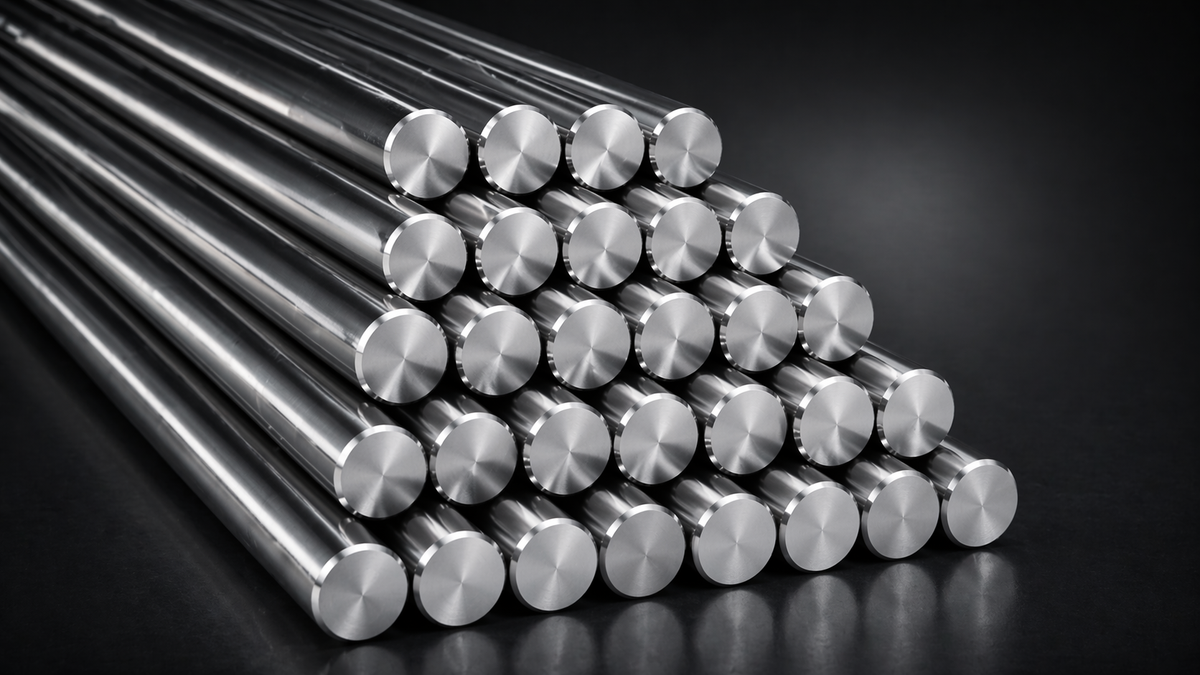
MIM дает дизайнерам доступ к нержавеющим сталям, закаливаемым сплавам и титану без механической обработки каждой детали из цельного блока.
Материал все еще должен соответствовать задаче. Устойчивая к коррозии кнопка, высокопрочный замок и износостойкий шарнир не должны автоматически использовать один и тот же сплав.
Поддерживает серийное производство
Носимые устройства собираются в больших объемах. Небольшое изменение размеров может повлиять на ощущение кнопки, сопротивление шарнира, положение разъема или окончательную сборку.
MIM использует производственные инструменты для повторения одной и той же базовой геометрии в партии. Но важно реалистично оценивать допуски.
Типичная размерная точность после спекания обычно начинается от ±0,3% до ±0,5% от номинального размера. Фактические результаты зависят от сплава, размера детали, распределения стенок, положения затвора и поведения при спекании. Критические элементы могут требовать калибровки, шлифования или последующей обработки на станках с ЧПУ.
Вот как лучше думать о точности литья металлов под давлением:
Не навязывайте чрезвычайно жесткий допуск для каждого размера. Отформуйте общую сложную геометрию, а затем обработайте только те размеры, которые влияют на функцию.
Это обычно создает более стабильный и экономичный производственный маршрут.
Обеспечивает премиальную металлическую отделку
Носимые устройства используются, носятся и видны каждый день. Внешний вид поверхности имеет значение.
В зависимости от материала и требований к продукту, детали MIM могут быть:
-
Полированными
-
Шлифованными
-
Пескоструйными
-
Пассивированными
-
Электрополированными
-
Покрытыми
-
PVD-покрытием
-
Маркированными лазером
Видимые компоненты должны разрабатываться с использованием утвержденных физических образцов. Такие термины, как «зеркальная полировка», «матовая» или «премиальная отделка», могут означать разные вещи для разных команд.
Основной материал, подготовка поверхности, покрытие и стандарт приемки должны быть согласованы до начала производства.
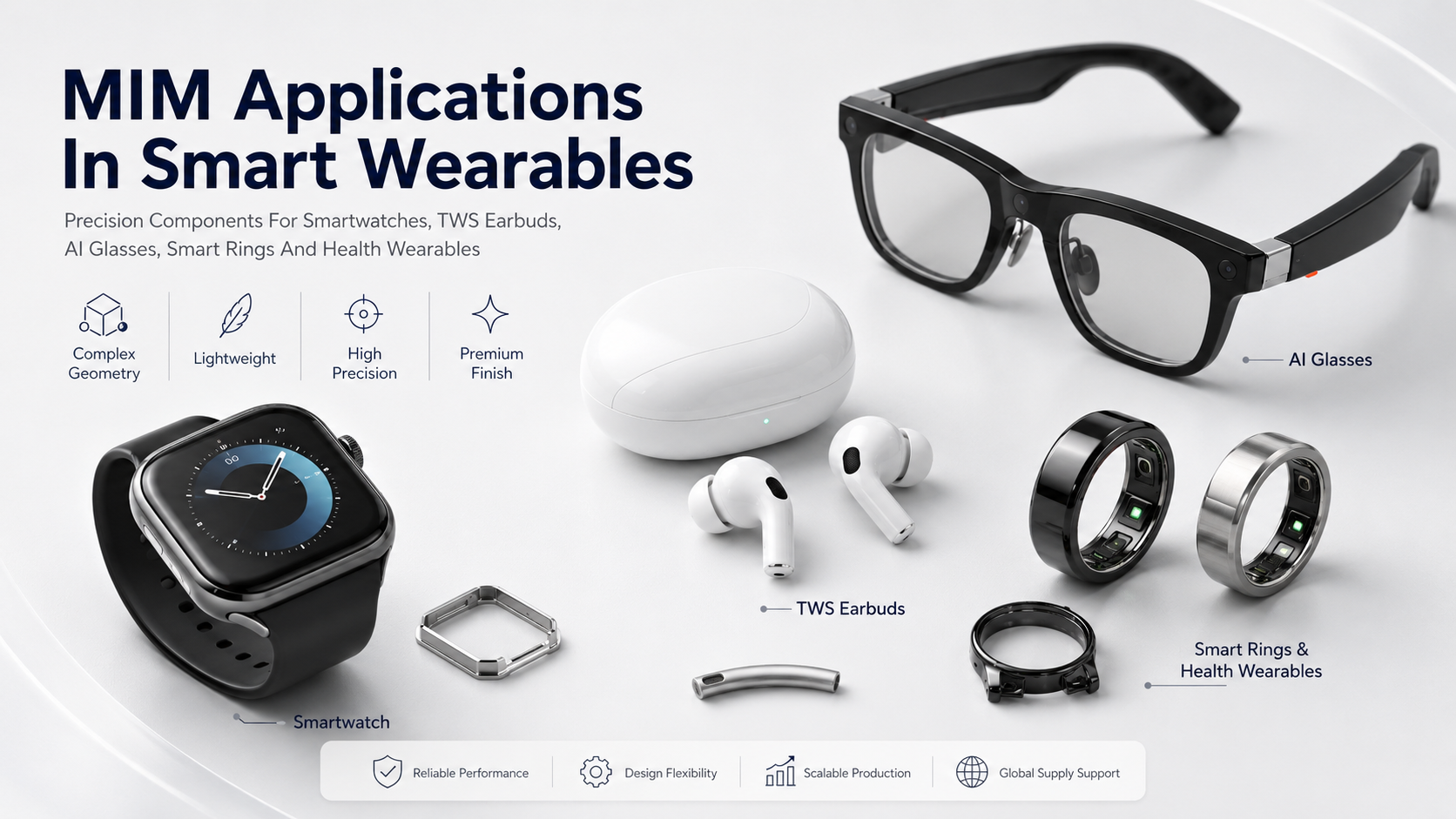
Применение MIM в умных носимых устройствах
Литье металлов под давлением не ограничивается одним типом носимых устройств. Его ценность проявляется везде, где продукт нуждается в небольших металлических деталях со сложной трехмерной геометрией.
Умные часы
Умные часы могут выглядеть просто снаружи, но их кнопки, заводная головка, крепление ремешка и внутренние опоры работают в очень ограниченном пространстве.
Потенциальные детали MIM для умных часов включают:
-
Заводные головки и кнопки
-
Соединители ремешков
-
Застежки и фиксирующие детали
-
Внутренние кронштейны датчиков
-
Конструкционные вставки
-
Малые пружинные и поворотные компоненты
-
Декоративные компоненты из нержавеющей стали
Например, заводная головка может содержать внешний узор захвата, внутреннее отверстие, элемент защиты от вращения и интерфейс для пружины или уплотнения.
Механическая обработка каждой детали возможна. Вопрос в том, остается ли механическая обработка наиболее эффективным способом, когда одна и та же деталь требуется в десятках тысяч экземпляров.
MIM может создавать большую часть геометрии во время формования и спекания. Шлифование, калибровка или механическая обработка на станках с ЧПУ затем могут быть зарезервированы для тех немногих поверхностей, которые действительно требуют более строгого контроля.
Умные очки
Умные очки являются частью более широкого рынка умных носимых устройств, а не отдельной производственной категорией. Однако они являются наглядным примером того, как быстро меняются механические требования.
Оправа должна вмещать камеры, микрофоны, динамики, батареи, зарядные контакты и датчики, при этом выглядя и ощущаясь как обычные очки.
Потенциальные компоненты MIM включают:
-
Шарниры и поворотные детали
-
Механизмы фиксации заушников
-
Кронштейны для камер и датчиков
-
Кнопки и детали для выпуска
-
Опоры зарядных контактов
-
Конструкционные вставки вокруг мест крепления винтов и шарниров
Область шарниров особенно требовательна. Она должна оставаться компактной, плавно двигаться и сопротивляться износу от многократного открывания и закрывания.
Хорошо спроектированный компонент шарнира MIM может объединять в одной детали поворотный элемент, гнездо пружины, опорную поверхность и фиксирующий профиль. Это может сократить количество отдельных деталей и упростить сборку.
MIM не гарантирует автоматически срок службы шарнира. Твердость материала, сопрягаемые поверхности, смазка, нагрузка и циклические испытания по-прежнему имеют значение. Преимущество состоит в том, что этот процесс дает дизайнерам больше свободы для интеграции этих функций в компактную металлическую геометрию.
Наушники TWS и зарядные кейсы
Наушники оставляют очень мало места для внутренних механических компонентов. Их зарядные кейсы также зависят от небольших шарниров, фиксирующих деталей и структурных опор, которые используются многократно.
Возможные применения включают:
-
Компоненты шарниров зарядного кейса
-
Небольшие защелки и фиксирующие детали
-
Опоры динамиков или акустических модулей
-
Внутренние металлические каркасы
-
Кронштейны разъемов
-
Компоненты кнопок
MIM наиболее ценен, когда деталь имеет сложную форму, которая в противном случае потребовала бы нескольких операций механической обработки или отдельных штампованных деталей.
Простой плоский кронштейн все еще может быть лучше произведен методом штамповки. Большая декоративная оболочка зарядного кейса может быть лучше всего изготовлена на станке с ЧПУ или методом литья под давлением. Процесс должен соответствовать компоненту, а не названию продукта.
Умные кольца и носимые устройства для здоровья
Умные кольца и компактные устройства для мониторинга здоровья втискивают датчики, батареи и беспроводные компоненты в еще меньшие пространства.
Потенциальные применения MIM включают внутренние структурные каркасы, опоры датчиков, соединительные детали, миниатюрные застежки и компоненты для зарядки.
Полное внешнее кольцо не является автоматически хорошим кандидатом для MIM. Премиальный внешний корпус с низким объемом производства и требовательными косметическими требованиями может по-прежнему быть более подходящим для механической обработки на станке с ЧПУ.
Литье металлов под давлением имеет наибольший смысл, когда компонент мал, геометрически сложен и предназначен для серийного производства.
Выбор материала MIM для носимой электроники
Не существует единого «материала MIM для носимых устройств». Правильный выбор зависит от прочности, коррозионной стойкости, веса, износостойкости, внешнего вида и стоимости.
| Материал |
Почему его рассматривают |
Типовые компоненты для носимых устройств |
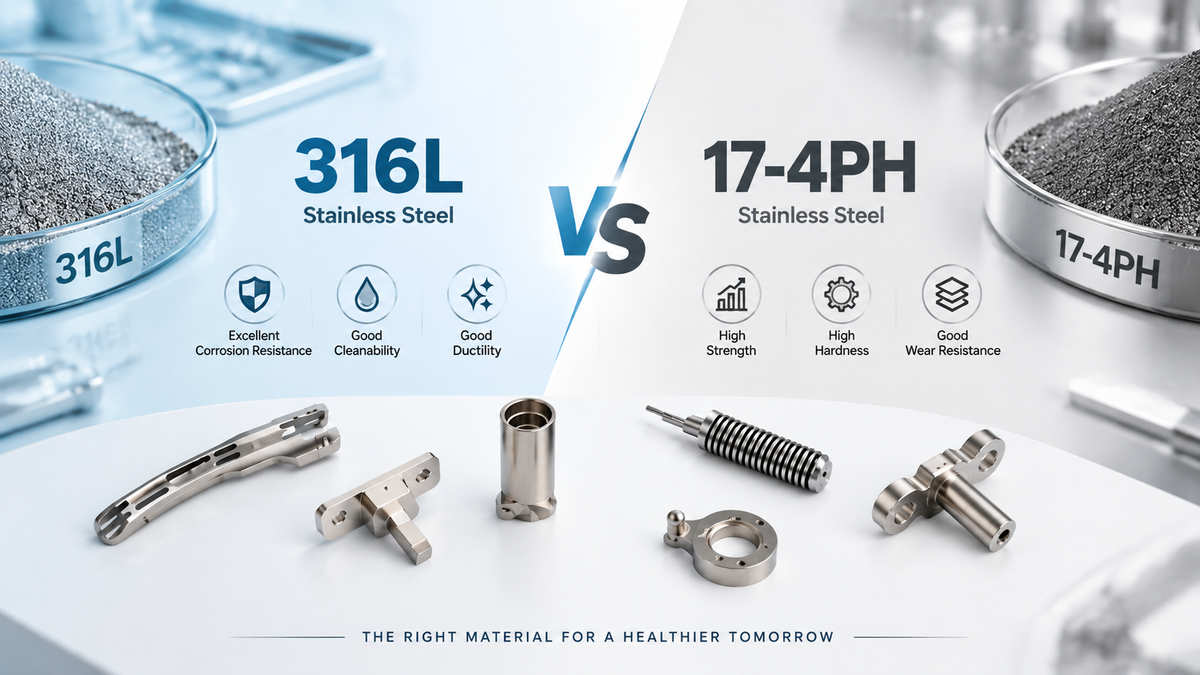
| Нержавеющая сталь 316L |
Хорошая коррозионная стойкость и потенциал полировки |
Кнопки, разъемы, застежки и декоративные детали |
| Нержавеющая сталь 17-4PH |
Высокая прочность после термообработки |
Петли, запорные части и конструкционные элементы |
| Нержавеющая сталь 420/440C |
Повышенная твердость и износостойкость |
Выбранные оси и контактные поверхности |
| Титан Ti-6Al-4V |
Низкая плотность и высокое отношение прочности к весу |
Легкие компоненты премиум-класса |
| Низколегированная сталь |
Хорошие структурные характеристики при более экономичной стоимости материала |
Защищенные внутренние механизмы |
Титан привлекает внимание, поскольку от носимых устройств ожидается легкость. Однако титановое MIM не всегда является лучшим выбором для каждой детали.
Требования к его сырью, удалению связующего, спеканию и контролю кислорода более строгие, чем к обычной нержавеющей стали MIM. Снижение веса должно оправдывать дополнительные затраты на материал и обработку.
Контакт с кожей также требует большего, чем просто выбор знакомого названия сплава. Состав материала, обработка поверхности, долговечность покрытия и применимые нормативные требования должны рассматриваться совместно.
MIM не является решением для каждой детали носимых устройств
Хороший производитель должен быть в состоянии объяснить, когда не следует использовать MIM.
| Требования к детали |
Более подходящий процесс |
| Ранний прототип или часто меняющийся дизайн |
Обработка на станке с ЧПУ |
| Тонкий и относительно плоский металлический компонент |
Штамповка |
| Большой алюминиевый или магниевый корпус |
Литье под давлением |
| Маленькая сложная трехмерная деталь в объеме |
MIM |
| Очень плотная локальная функциональная поверхность |
MIM со вторичной механической обработкой или ЧПУ |
| Премиальный косметический корпус с низким объемом производства |
Обработка на станке с ЧПУ может быть более практичной |
Обработка на станке с ЧПУ обычно является лучшей отправной точкой при разработке продукта. Она позволяет инженерам проверять посадку, движение и внешний вид перед запуском в производство.
Штамповка остается более экономичной для многих плоских зажимов, пружин и экранов.
Литье под давлением обычно является лучшим выбором для более крупных алюминиевых, магниевых или цинковых рам и корпусов.
MIM становится привлекательным, когда дизайн стабилен, компонент мал и сложен, а ожидаемый объем производства может оправдать инвестиции в оснастку.
Использование нескольких процессов в одном носимом продукте является нормальным явлением. Это не признак того, что один процесс потерпел неудачу.
Смарт-часы могут использовать корпус, обработанный на станке с ЧПУ, штампованное внутреннее экранирование и кнопки или разъемы ремешка MIM. Умные очки могут сочетать полимерную раму, детали прототипа с ЧПУ и компоненты шарниров MIM для производства.
Изготовление деталей MIM на заказ для умных носимых устройств в XY-GLOBAL
Каждый компонент носимого устройства начинается с чертежа, но не каждый чертеж готов к MIM.
XY-GLOBAL предлагает изготовление деталей MIM на заказ для умных часов, умных очков, беспроводных наушников и других носимых устройств. Перед началом производства оснастки наши инженеры анализируют толщину стенок, линии разъема, усадку при спекании, риски деформации и критические размеры. Этот процесс DFM помогает определить, какие элементы могут быть отформованы напрямую и где может потребоваться калибровка, шлифовка или финишная обработка на станке с ЧПУ.
Мы обеспечиваем сквозной контроль производства, охватывающий все, от создания оснастки и сырья до удаления связующего/спекания и финишной обработки. Благодаря проверенной масштабируемости и стабильному массовому производству мы помогаем мировым брендам носимых устройств сокращать затраты и ускорять выход на рынок. Мы также поддерживаем точную финишную обработку, обработку поверхности и инспекцию. Мы также можем координировать полировку, пескоструйную обработку, гальваническое покрытие, пассивацию и PVD-покрытие для видимых компонентов носимых устройств.
Имея более чем 15-летний опыт производства и систему менеджмента качества ISO 9001 и ISO 13485, XY-GLOBAL поддерживает проекты от первоначальных образцов до стабильного серийного производства. Наша цель — не просто изготовить деталь, а разработать практический производственный маршрут, который соответствует ее внешнему виду, сборке и требованиям к стоимости.
Будущее MIM в умных носимых устройствах
По мере того, как носимые устройства становятся меньше, умнее и более интегрированными, металлические детали внутри них должны будут обеспечивать большую прочность, точность и функциональность при меньшем объеме. Продолжающиеся достижения в MIM, наряду с более широким использованием титана и других высокоэффективных сплавов, откроют новые возможности для умных часов, умных очков и носимых медицинских устройств.
MIM будет не только поддерживать более легкие и долговечные продукты. Он также предоставит брендам большую свободу в разработке отличительных дизайнов, интеграции большего количества функций и переводе сложных металлических компонентов в серийное производство. В результате литье под давлением металлов, вероятно, будет играть все более важную роль в следующем поколении высокопроизводительных умных носимых устройств.
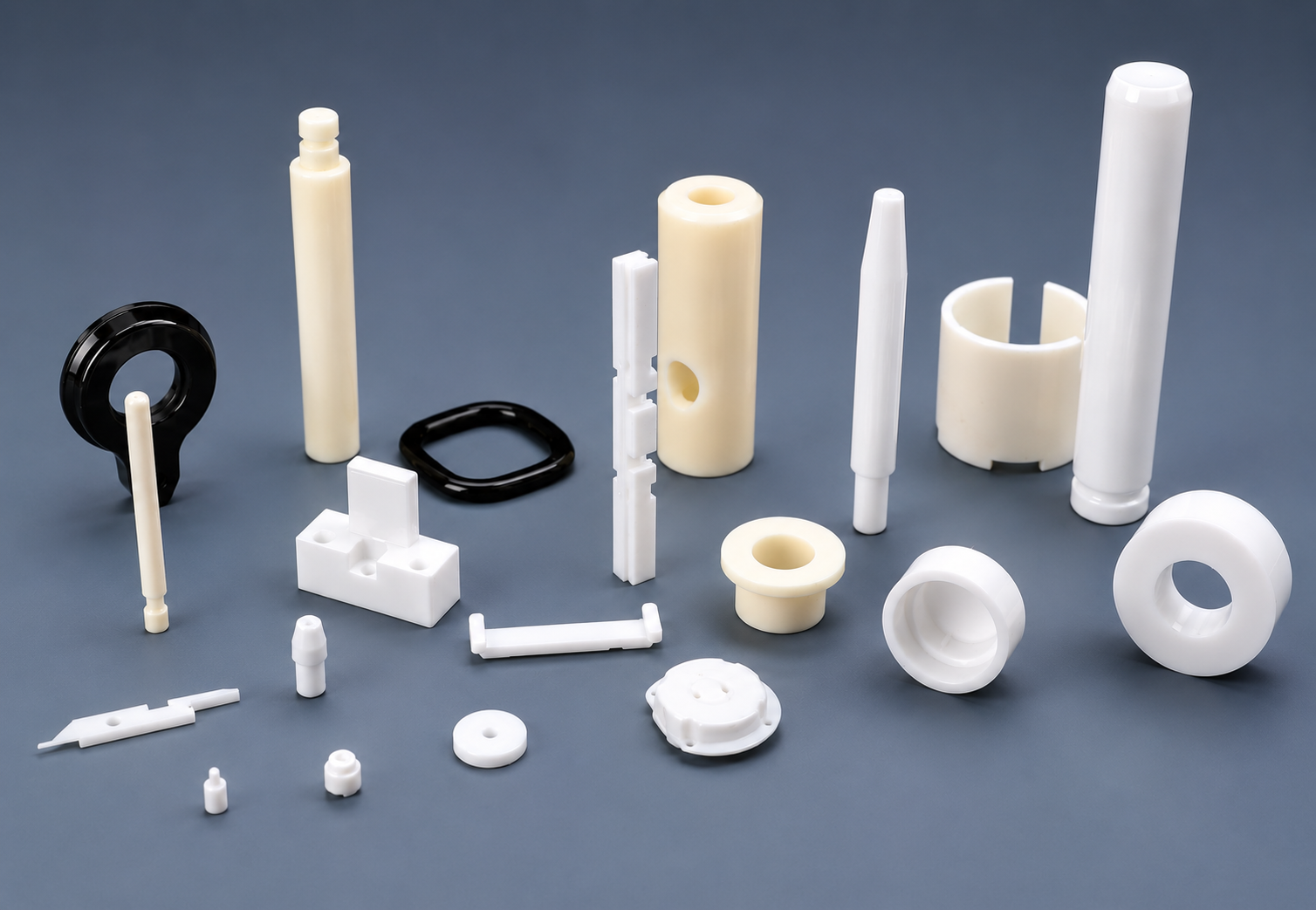
Пожалуйста, присылайте нам свои 2D/3D чертежи, материал, предполагаемый объем и основные требования, чтобы получить профессиональную оценку DFM и ценовое предложение. Для носимых компонентов, которые лучше подходят для керамики — таких как детали, требующие электрической изоляции, высокой износостойкости или гладкой поверхности премиум-класса — ознакомьтесь с нашими услугами по литью керамики под давлением (CIM) на заказ.




Делиться:
Кордиеритовая керамика: от свойств материала до деталей на заказ
Как процесс спекания в металлургии формирует эксплуатационные характеристики конечного изделия