

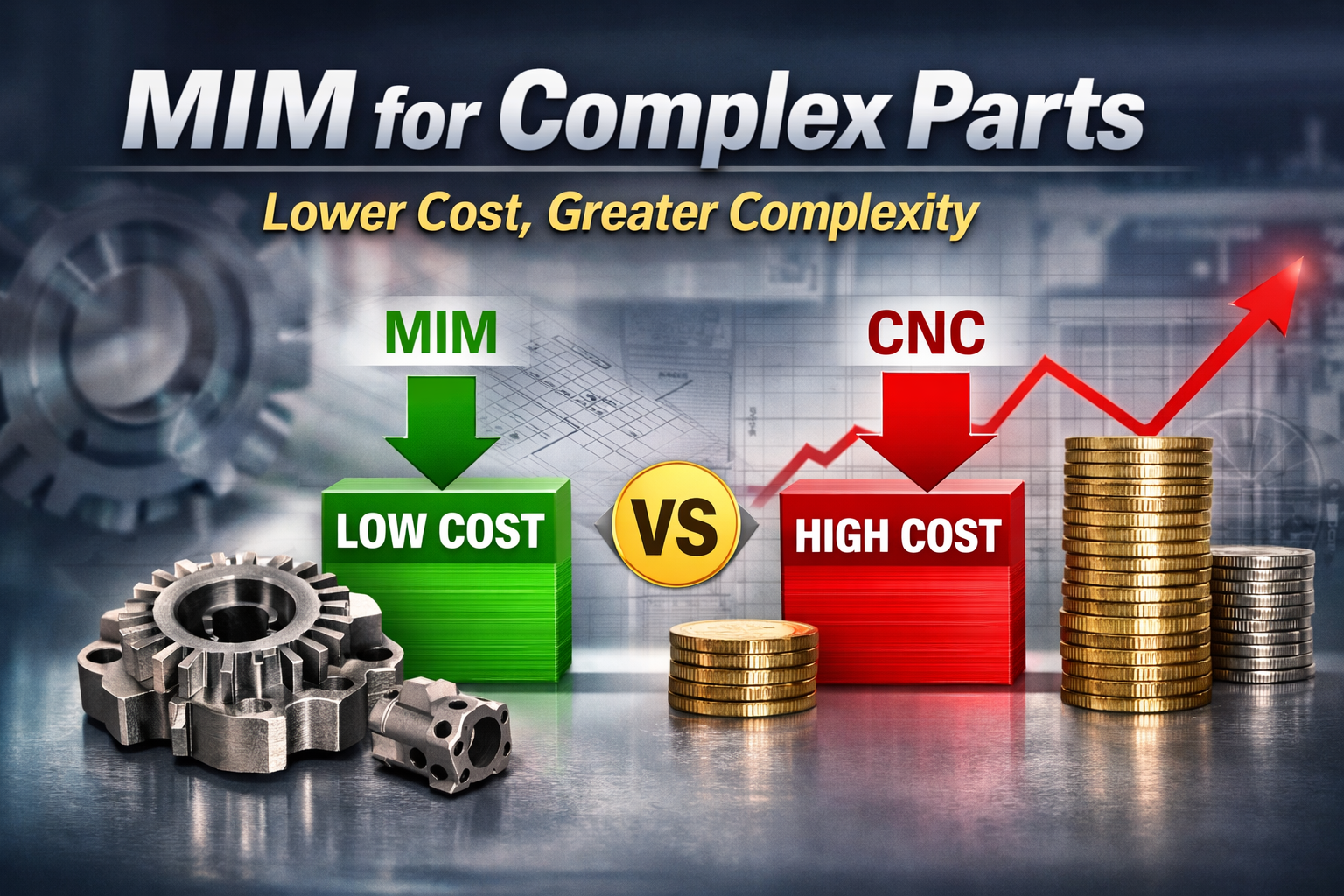
Many engineers assume that a complex metal part will always cost more.
That is often true in CNC machining. More features usually mean more setups, longer machining time, more material waste, and higher inspection pressure.
But in MIM, the logic is different.
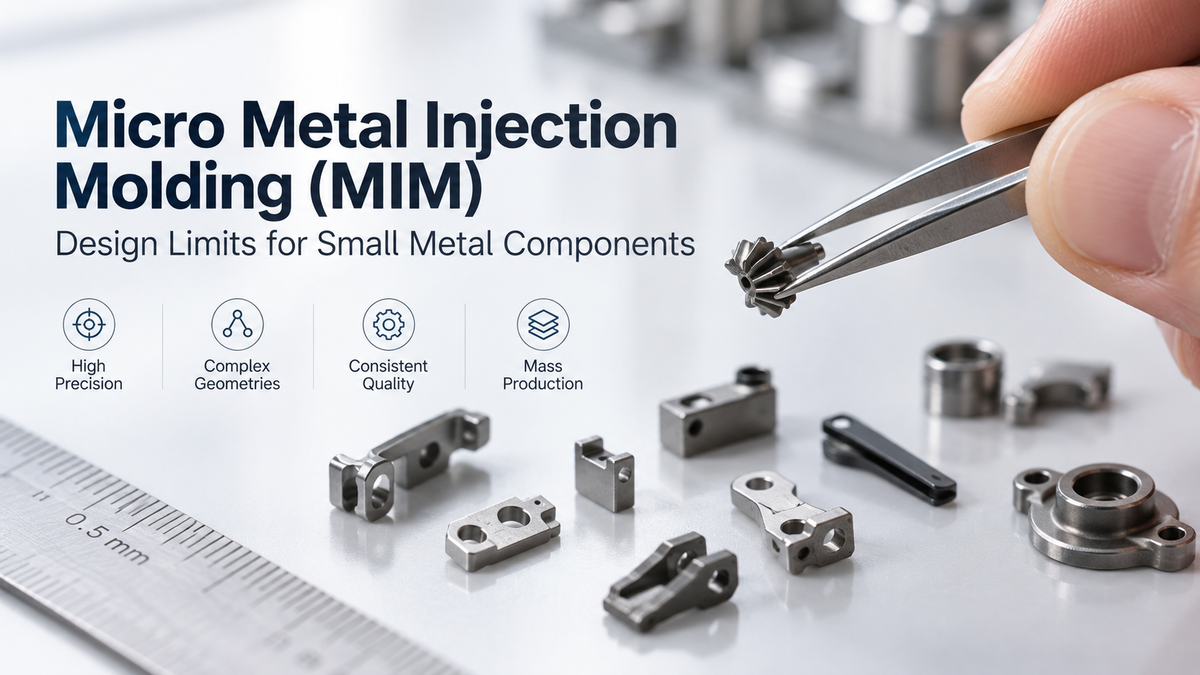
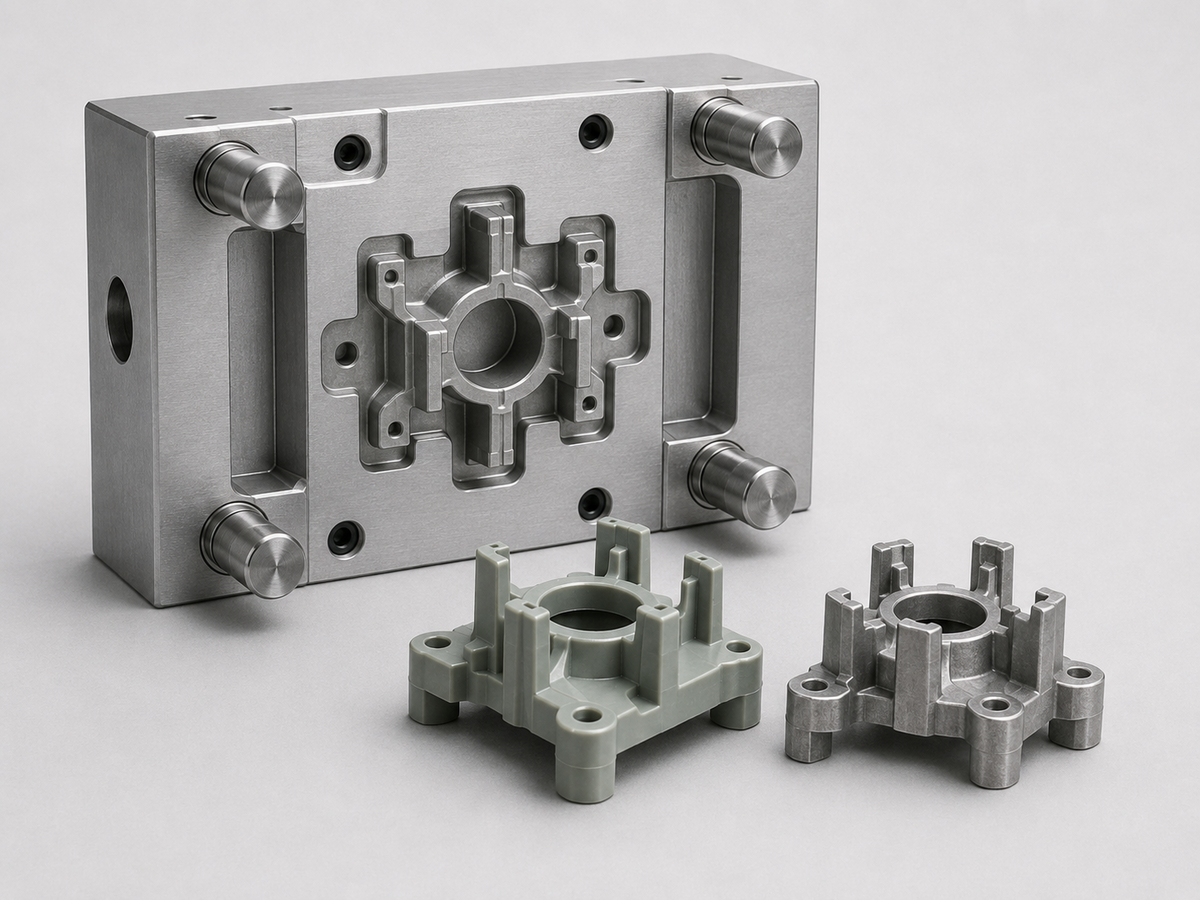
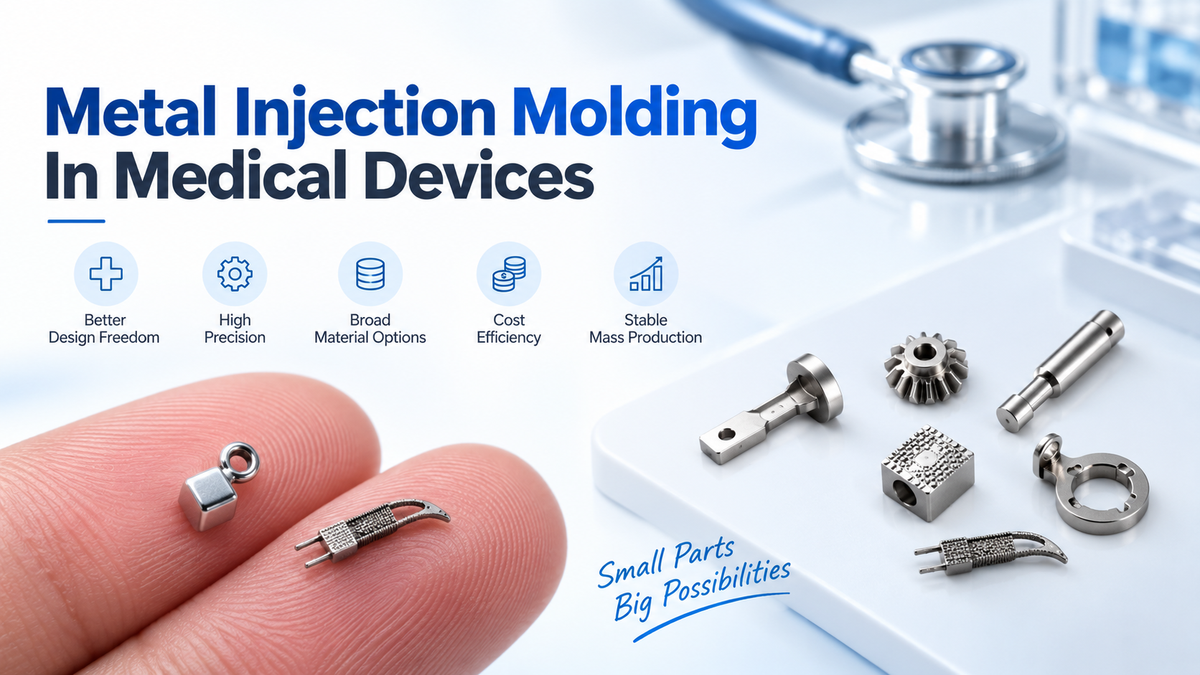
For small, complex metal components, MIM for complex parts can reduce total cost by forming more features directly in one process, with less material waste and fewer secondary operations.

Why MIM Works Well for Complex Parts
The biggest advantage of metal injection molding is not just shape freedom. It is cost control at volume.
Key Advantages of MIM for Complex Parts
-
Near-net shape production
Complex geometry can often be formed close to final shape. -
Less material waste
Much higher material utilization than subtractive machining. -
Fewer machining steps
Less drilling, milling, or secondary finishing on non-critical areas. -
Part consolidation
Several small pieces may be combined into one MIM part. -
Better batch consistency
More stable production for medium to high volumes once the process is validated. -
Lower total manufacturing cost
Especially when the part is small, detailed, and produced in repeat volumes.
MIM vs CNC for Complex Metal Parts
| Item | MIM | CNC Machining |
|---|---|---|
| Best for | Small, complex parts in repeat volume | Prototypes, low volume, open design changes |
| Geometry capability | Strong for intricate shapes and integrated features | Strong, but cost rises with complexity |
| Material utilization | High | Lower, especially for complex shapes |
| Secondary operations | Often reduced | Usually more |
| Assembly reduction | Possible through part integration | Limited |
| Cost trend as complexity increases | Relatively stable within process limits | Usually rises quickly |
| Upfront tooling | Required | Low or none |
| Best volume range | Medium to high volume | Low volume to medium volume |
| Lead time for first tooling | Higher upfront | Faster for first samples |
Where MIM Saves Cost
Cost savings in MIM for complex parts usually come from four areas:
1. Lower Material Loss
CNC removes material.
MIM forms material.
For small stainless steel or alloy components with complex geometry, that difference matters.
2. Fewer Operations
A part that needs multiple machining steps in CNC may be molded with most features already built in.
3. Less Assembly
If 2 to 4 small parts can be redesigned into 1 MIM part, labor and tolerance stack-up both go down.
4. Better Repeatability
Stable volume production helps reduce sorting, rework, and process variation.

Typical Part Features That Fit MIM Well
MIM is often worth evaluating when a part includes:
- thin walls
- small holes or slots
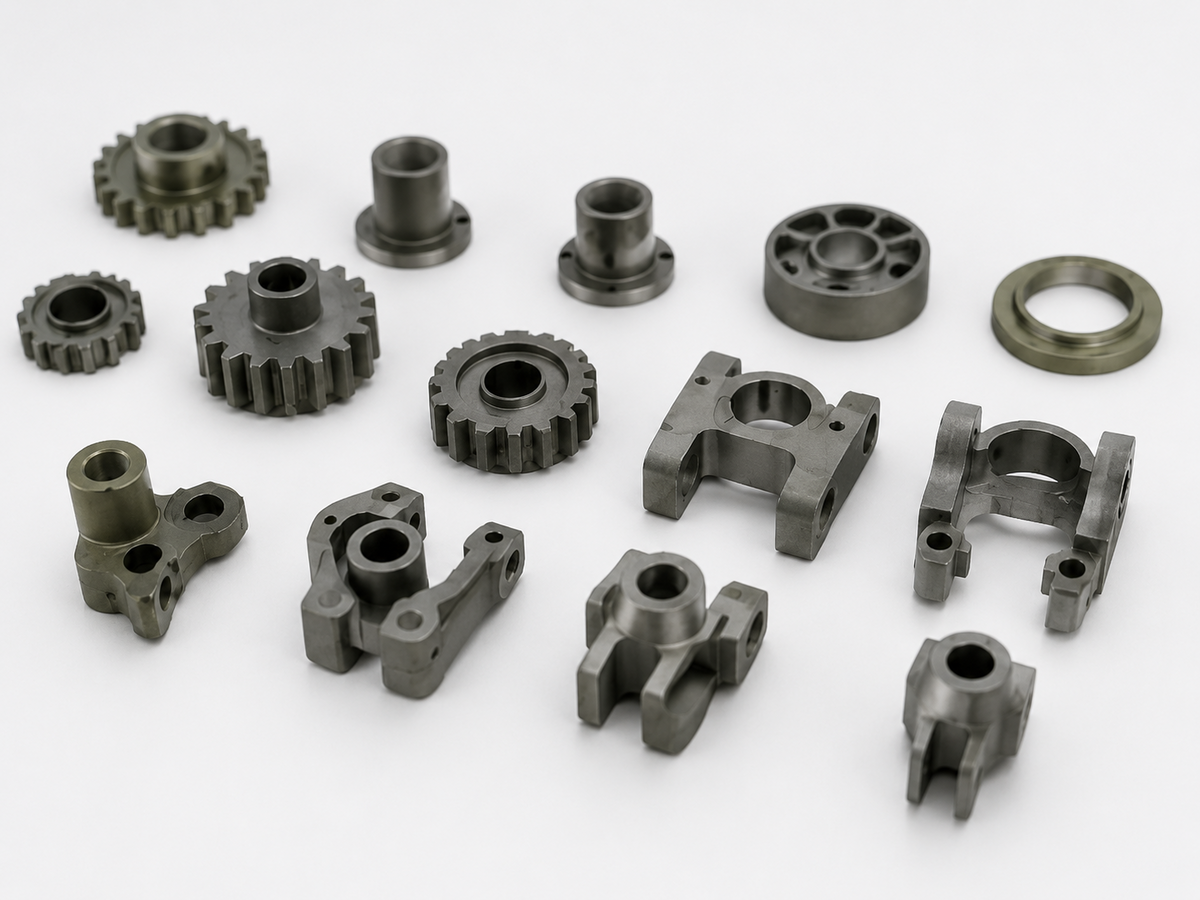
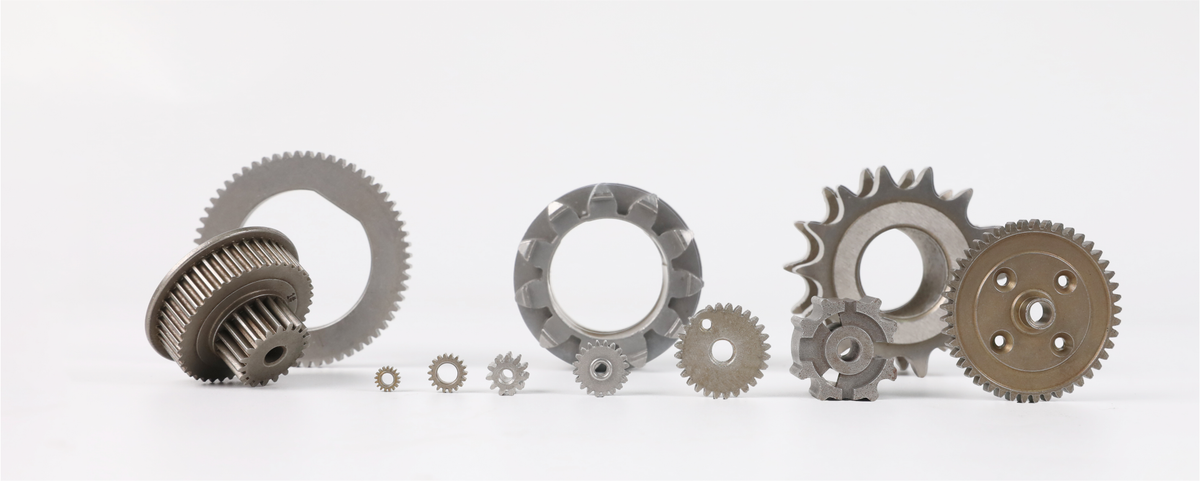
- gears or teeth
- curved or irregular surfaces
- multiple functional features in one body
- small precision geometry that is expensive to machine repeatedly
When MIM Is a Better Choice
MIM is usually a strong option when:
- the part is small and complex
- annual volume is stable
- CNC time is too high
- the current design uses multiple assembled pieces
- material waste is pushing cost up
- the project needs a better balance between function and manufacturing cost
When MIM May Not Be the Right Choice
MIM is not for every part.
It may not be ideal when:
- volume is too low
- the part is too large
- critical tolerances require extensive post-machining
- design changes are still frequent
- tooling investment cannot be justified yet

Quick Comparison: When to Consider MIM
| Situation | Consider MIM? |
|---|---|
| Small part with many complex features | Yes |
| High CNC machining time per part | Yes |
| Medium to high annual demand | Yes |
| Several parts can be merged into one | Yes |
| Prototype stage only | Usually no |
| Very large metal part | Usually no |
| Design not yet stable | Usually no |
Conclusion
A complex metal part is not automatically a high-cost part.
In many cases, the real problem is not the geometry itself, but the manufacturing route.
For small, detailed, repeat-volume components, MIM for complex parts can reduce material waste, machining steps, assembly work, and total production cost.
If your part is becoming expensive because of complexity, it may be time to evaluate MIM instead of continuing to optimize a process that was never the best fit.
Need help evaluating a complex metal part? Contact us to review whether MIM is the right solution for your geometry, volume, and cost target.
Share:
Metal Injection Molding Polishing: Transforming Molded Parts into High-End Mirror Finishes
Metal Injection Molding Materials: Key Material Systems and Powder Selection