

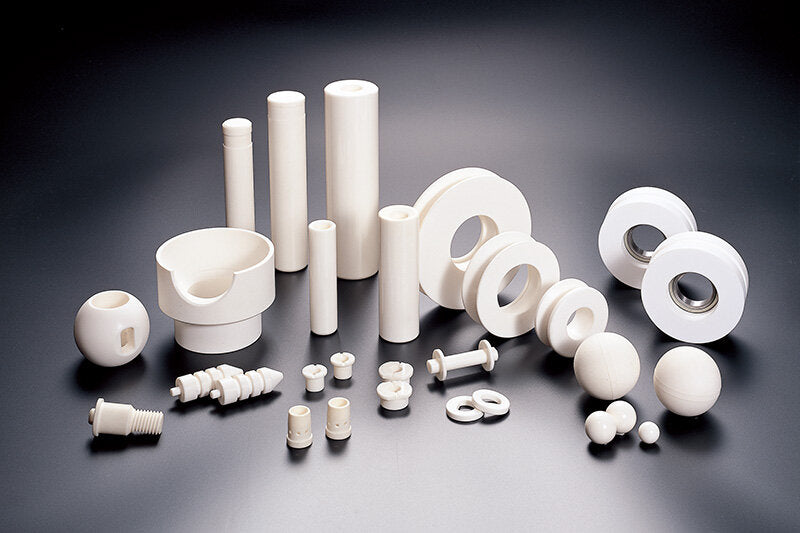
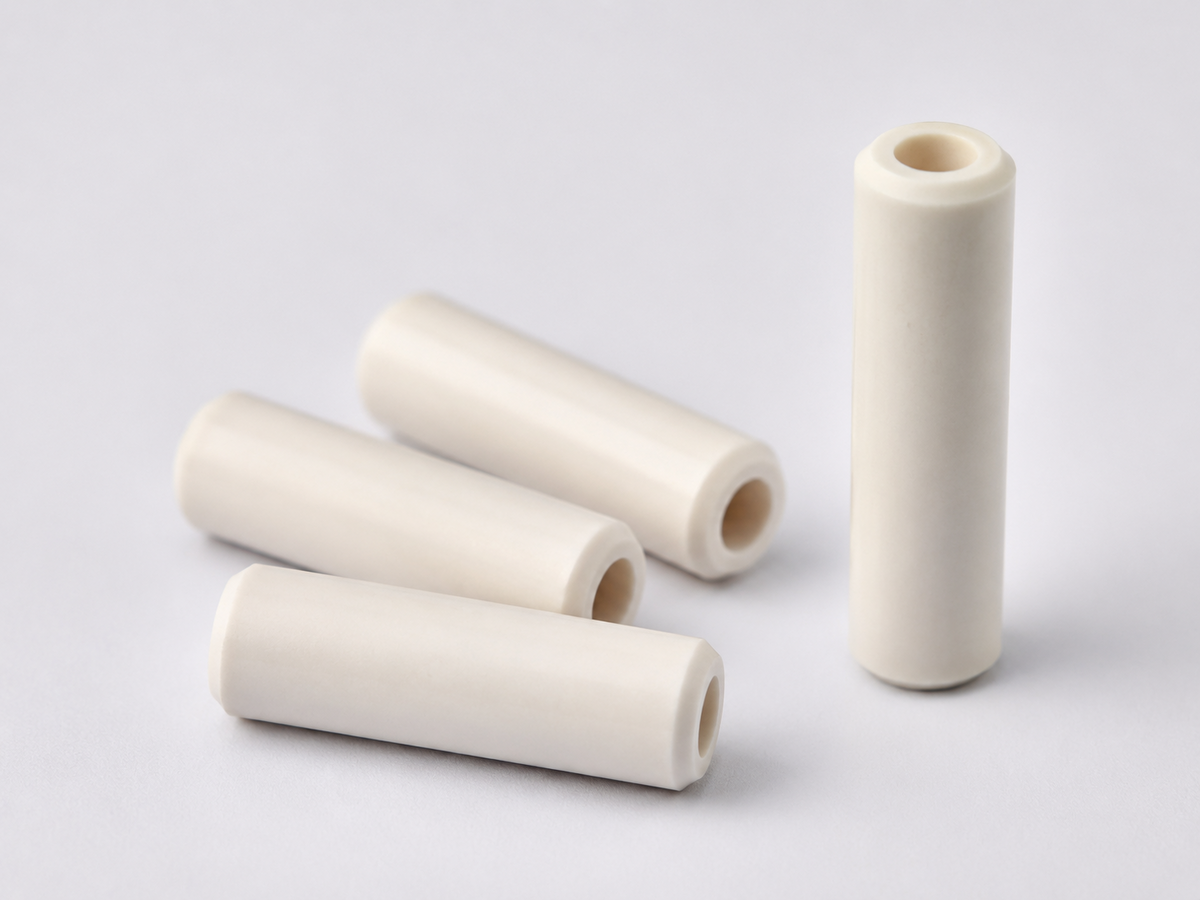
Lo stampaggio a iniezione della ceramica (CIM) è una tecnologia di produzione ad alta precisione ed efficienza per componenti ceramici. È una tecnica rivoluzionaria di produzione avanzata che combina il tradizionale stampaggio a iniezione delle materie plastiche con la metallurgia delle polveri. Per le aziende che desiderano produrre in serie componenti ceramici personalizzati con geometrie complesse, il CIM è diventato la soluzione indispensabile per ottenere risultati di alta precisione su larga scala.

Che cos'è Stampaggio a iniezione della ceramica (CIM)?
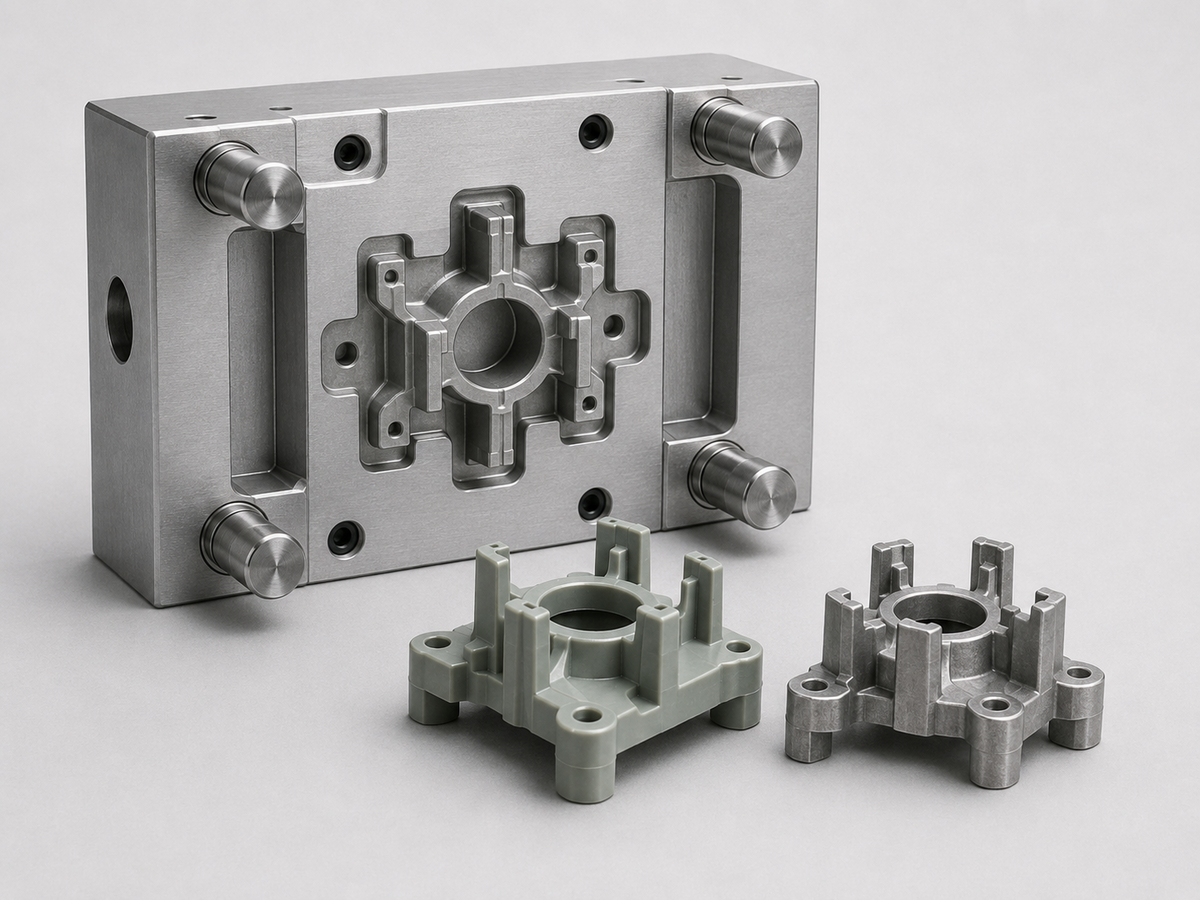
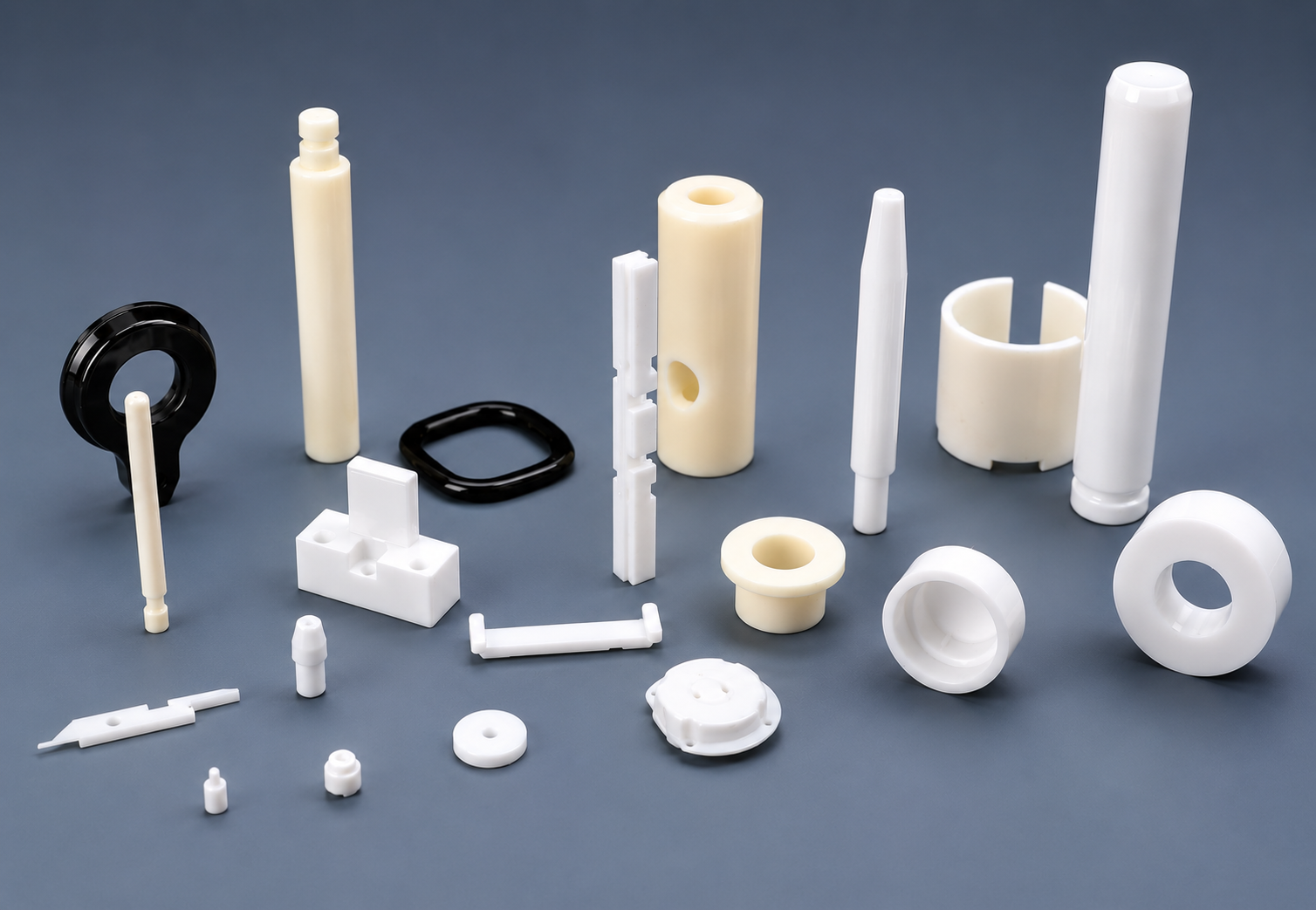
Lo stampaggio a iniezione della ceramica (CIM) è una sotto categoria specializzata dello stampaggio a iniezione di polveri (PIM). Rappresenta una svolta fondamentale perché elimina i limiti geometrici dei metodi convenzionali di formatura della ceramica, come la pressatura a secco o la pressatura isostatica, consentendo la produzione efficiente e ad alta precisione di componenti ceramici piccoli, personalizzati e complessi attraverso un processo Near-Net Shape.

Le quattro fasi del processo CIM: punti di controllo per la precisione
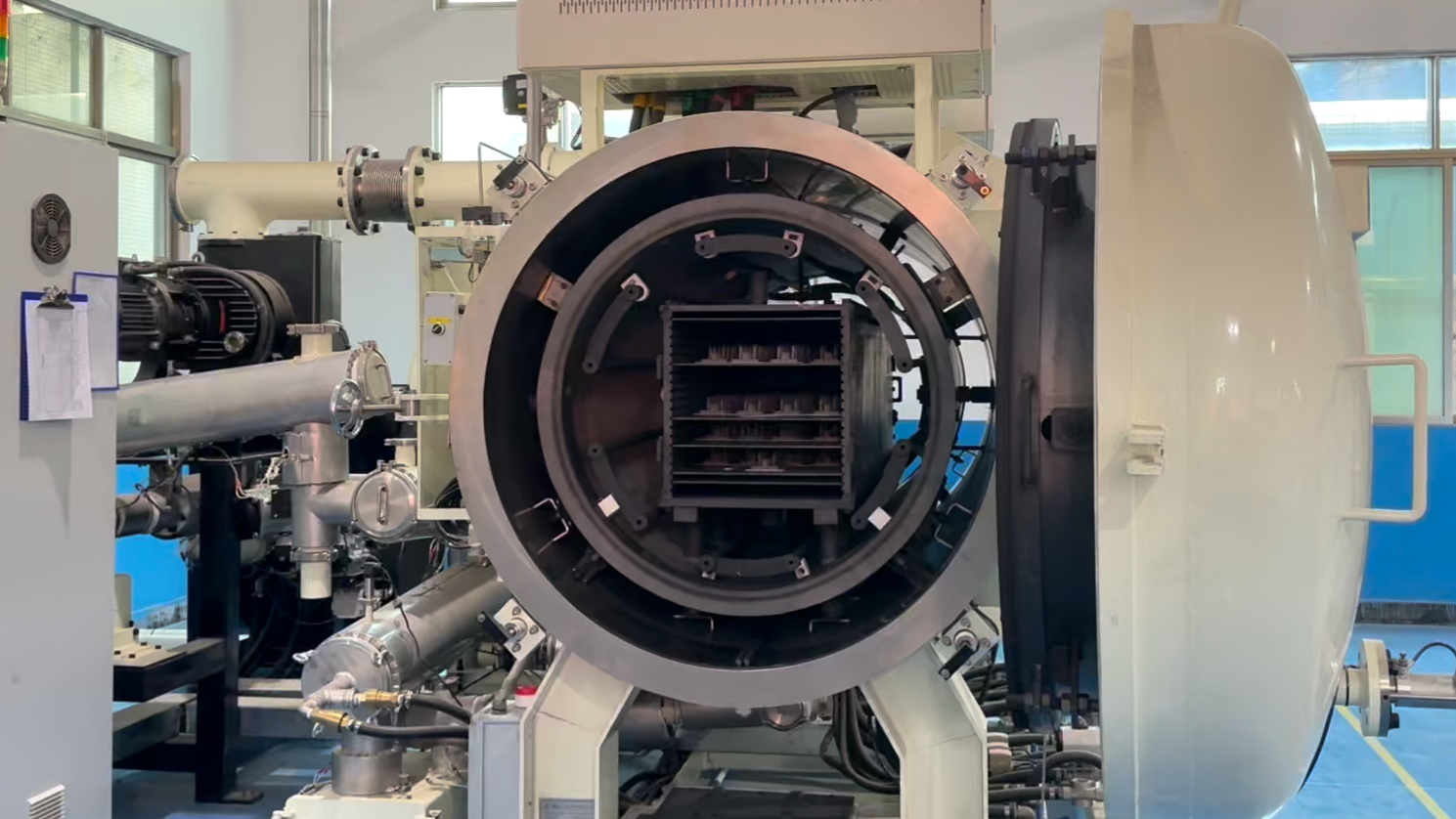
La padronanza del CIM risiede nel controllo meticoloso delle fasi di transizione, in particolare dei passaggi termici e chimici. Di seguito è riportata una panoramica del processo CIM:
| Fase | Scopo | Aspetto principale del controllo tecnico | Risultato chiave |
|---|---|---|---|
| Preparazione del feedstock | Miscelare con precisione la polvere ceramica ultrafine con un legante polimerico | Reologia e omogeneità della miscela | "Feedstock" |
| Stampaggio a iniezione | Iniettare il feedstock nella cavità dello stampo mediante una macchina di precisione per conferirgli la forma | Temperatura dello stampo, pressione e velocità di raffreddamento | "Pezzo verde" |
| Rimozione del legante | Estrarre delicatamente il legante polimerico temporaneo preservando lo scheletro ceramico | Selezione del metodo (solvente, termico, catalitico) e gestione dei tempi | "Pezzo marrone" |
| Sinterizzazione | Riscaldare le particelle ceramiche ad alte temperature per la densificazione e la formatura finale | Curva di riscaldamento e controllo dell'atmosfera per gestire il ritiro volumetrico | Componente ceramico di precisione finale |
Valutazione commerciale: CIM vs. tecnologie concorrenti per la produzione della ceramica
Per gli acquirenti concentrati sull'ottimizzazione dei costi di produzione a lungo termine e delle prestazioni dei materiali, confrontare lo stampaggio a iniezione della ceramica con le alternative è il primo passo verso una decisione aziendale ponderata.
CIM vs. pressatura a secco vs. stampa 3D: un confronto strategico
| Caratteristica/Processo | Stampaggio a iniezione della ceramica (CIM) | Pressatura a secco tradizionale | Stampa 3D ceramica (produzione additiva) |
|---|---|---|---|
| Geometria complessa | Eccellente (elevata precisione, dettagli fini, filettature interne, sottosquadri) | Scarsa (principalmente per geometrie semplici come dischi e tubi) | Eccellente (massima libertà progettuale) |
| Efficienza produttiva | Elevato (particolarmente adatto alla produzione in serie) | Moderato (richiede cicli di pressatura più lunghi) | Basso (adatto a piccoli lotti, prototipi o personalizzazioni) |
| Costo iniziale delle attrezzature | Elevato (richiede stampi in acciaio di precisione) | Moderata | Basso/nullo |
| Costo per pezzo | Bassa (una volta ammortizzato il costo dello stampo) | Moderata | Elevata |
| Densità relativa/prestazioni |
Elevata (>99,5% della densità teorica, prestazioni stabili) |
Elevata (dipende dalla pressione e dalla polvere) | Variabile (dipende dalla tecnologia, ad esempio il binder jetting) |
| Restrizione dei materiali | Ampia applicabilità (ceramiche ossidiche e non ossidiche) | Ampia | Inferiore (sistemi specifici di polveri e leganti) |
I vantaggi commerciali della CIM - Perché scegliere lo stampaggio a iniezione della ceramica?
Lo stampaggio a iniezione della ceramica è apprezzato in vari settori high-end principalmente per i suoi esclusivi vantaggi commerciali e tecnici:
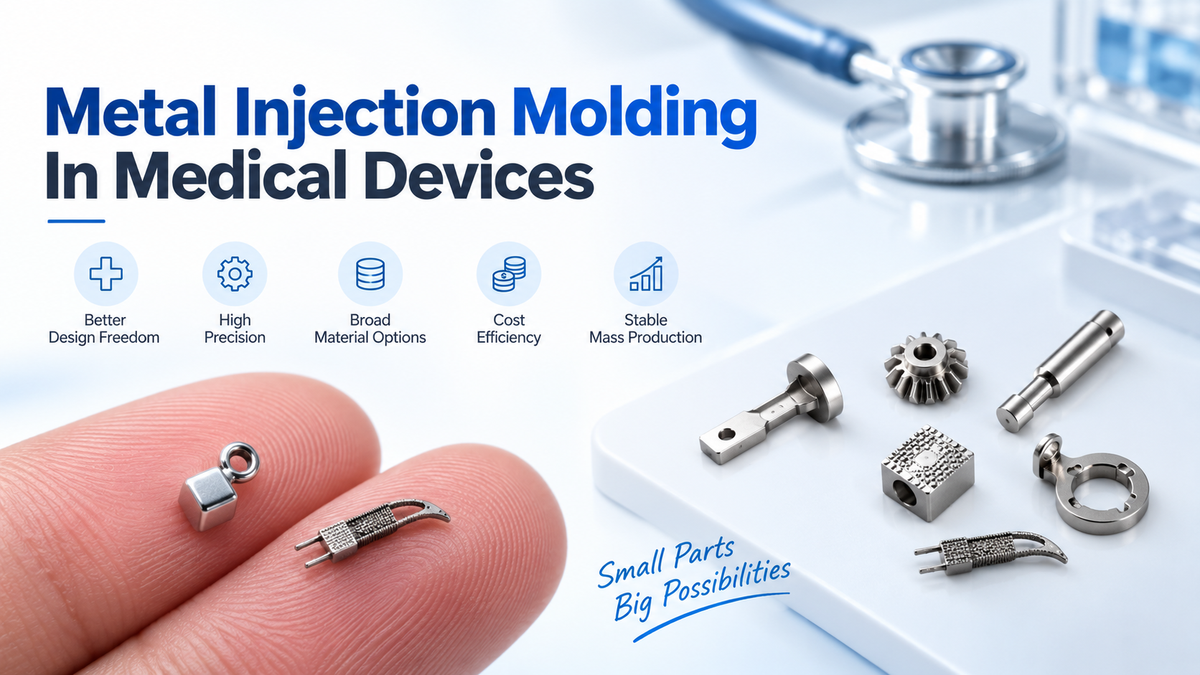
Forme complesse ed elevata precisione: la CIM può produrre componenti ceramici complessi difficili da realizzare con le lavorazioni tradizionali, come pale di turbine, componenti di micropompe, impianti medicali e connettori elettronici.
Convenienza economica e scalabilità: oltre un certo volume di produzione, il costo unitario del pezzo ottenuto mediante CIM è significativamente inferiore rispetto alla lavorazione CNC o alla pressatura a caldo, grazie all'elevato livello di automazione e alla riutilizzabilità delle attrezzature dello stampo.
Finitura superficiale e uniformità: la qualità della superficie del pezzo ceramico grezzo stampato è elevata e la struttura è uniforme, riducendo la necessità di successive operazioni di finitura di precisione come la rettifica e la lucidatura.
Versatilità dei materiali: lo stampaggio a iniezione della ceramica può essere applicato a ceramiche tecniche ad alte prestazioni, tra cui:
Allumina
Zirconia
Allumina rinforzata con zirconia (ZTA)
Nitruro di silicio
Carburo di silicio
Vantaggi e applicazioni dei prodotti CIM: promuovere l'innovazione in tutti i settori
Lo stampaggio a iniezione della ceramica è una tecnologia di produzione fondamentale nei settori high-tech, perché i suoi prodotti soddisfano requisiti prestazionali estremi laddove i metalli o le materie plastiche non sono all'altezza.
| Settore industriale | Il vantaggio principale dei prodotti CIM | Applicazioni tipiche |
|---|---|---|
| Settore medico e odontoiatrico | Biocompatibilità, elevata durezza, proprietà non magnetiche | Protesi dentali (ad esempio, cappette dentali in zirconia), dispositivi medici ceramici, strumenti chirurgici di precisione e componenti per impianti (ad esempio, teste sferiche per articolazioni dell'anca). |
| Elettronica e comunicazioni | Eccellente isolamento elettrico, basse perdite dielettriche, elevata dissipazione termica | Comunicazioni ottiche (ad esempio, ferrule ceramiche di precisione), isolatori per circuiti ad alta frequenza, alloggiamenti per sensori, connettori ceramici e packaging elettronico avanzato. |
| Settore automobilistico e aerospaziale | Resistenza termica estrema, inerzia chimica, elevata resistenza all'usura | Componenti per motori (ad esempio, palette ceramiche per turbocompressori), componenti per sensori di ossigeno, componenti resistenti alle alte temperature e all'usura per sistemi fluidici. |
| Settore industriale e meccanico | Resistenza ultraelevata all'abrasione, resistenza alla corrosione chimica, stabilità dimensionale | Controllo dei fluidi (ad esempio, componenti di micro-pompe ceramiche, valvole ceramiche per il controllo dei fluidi), stantuffi di precisione per sistemi di dosaggio e rivestimenti resistenti all'usura. |
Considerazioni chiave nella scelta di un fornitore CIM: garantire precisione e qualità
Quando cercano un partner per lo stampaggio a iniezione della ceramica, gli acquirenti commerciali devono concentrarsi su specifiche capacità tecniche che influiscono direttamente sulla qualità e sul costo del prodotto finale.
Checklist delle competenze tecniche per la valutazione dei fornitori
-
Esperienza nella progettazione degli stampi (attrezzaggio): L'attrezzaggio di precisione è il fondamento di un CIM di successo. Valuta l'esperienza del fornitore nella fabbricazione di stampi per geometrie di complessità simile a quella del tuo progetto.
-
Controllo della rimozione del legante/sinterizzazione (tolleranza): Informati sulla loro capacità di gestire il significativo ritiro volumetrico. Richiedi una verifica delle loro capacità di controllo delle tolleranze, ad esempio il raggiungimento di specifiche leader del settore come ± 0,3% o migliori.
-
Gestione dei materiali e delle materie prime: Conferma la loro capacità di lavorare i tuoi specifici materiali ceramici ad alte prestazioni. Verifica se utilizzano materie prime ceramiche proprietarie o commerciali, poiché ciò influisce sulla costanza e sulla flessibilità dei materiali.
-
Controllo qualità e certificazione: Verifica solidi protocolli di garanzia della qualità, inclusa la conformità a ISO 9001, IATF 16949 (settore automobilistico) o ISO 13485 (settore medicale). Chiedi come utilizzano i controlli non distruttivi (NDT), come l'ispezione a raggi X, per garantire l'integrità interna dei componenti ceramici finiti.
Stampaggio a iniezione della ceramica - La scelta preferita per la produzione in serie di componenti ceramici complessi
Stampaggio a iniezione della ceramica (CIM) è il processo definitivo per la produzione di componenti ceramici tecnici complessi e ad alta precisione. La sua efficienza senza pari, il basso costo unitario su larga scala e l'eccellente uniformità dei prodotti ne consolidano il ruolo di metodo di produzione preferito in applicazioni esigenti, dagli impianti medicali ai sensori aerospaziali.
Condividi:
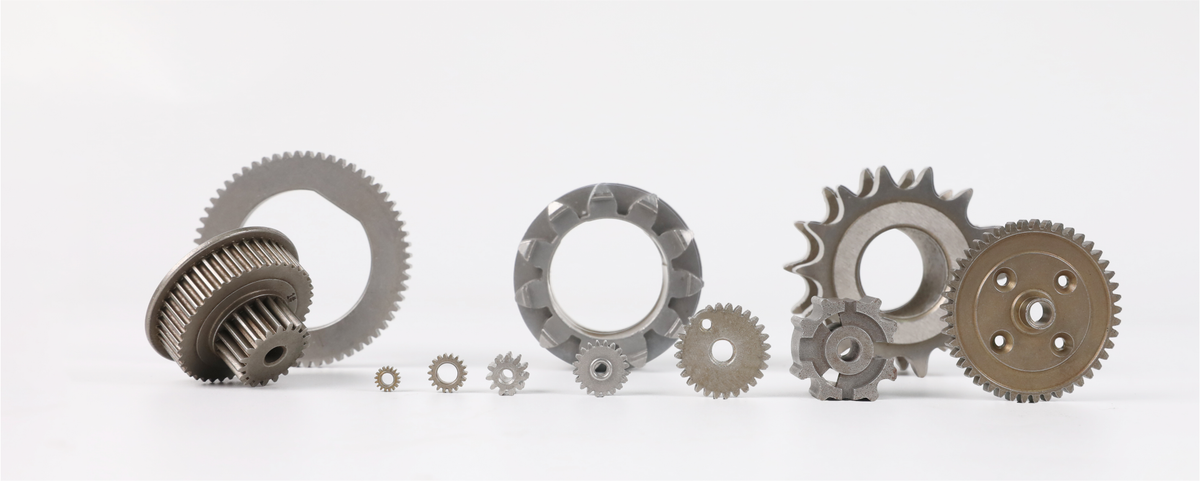
Produttore di componenti sinterizzati: metallurgia delle polveri ad alta precisione per componenti metallici complessi
Ingranaggi in metallo sinterizzato e il processo di atomizzazione