

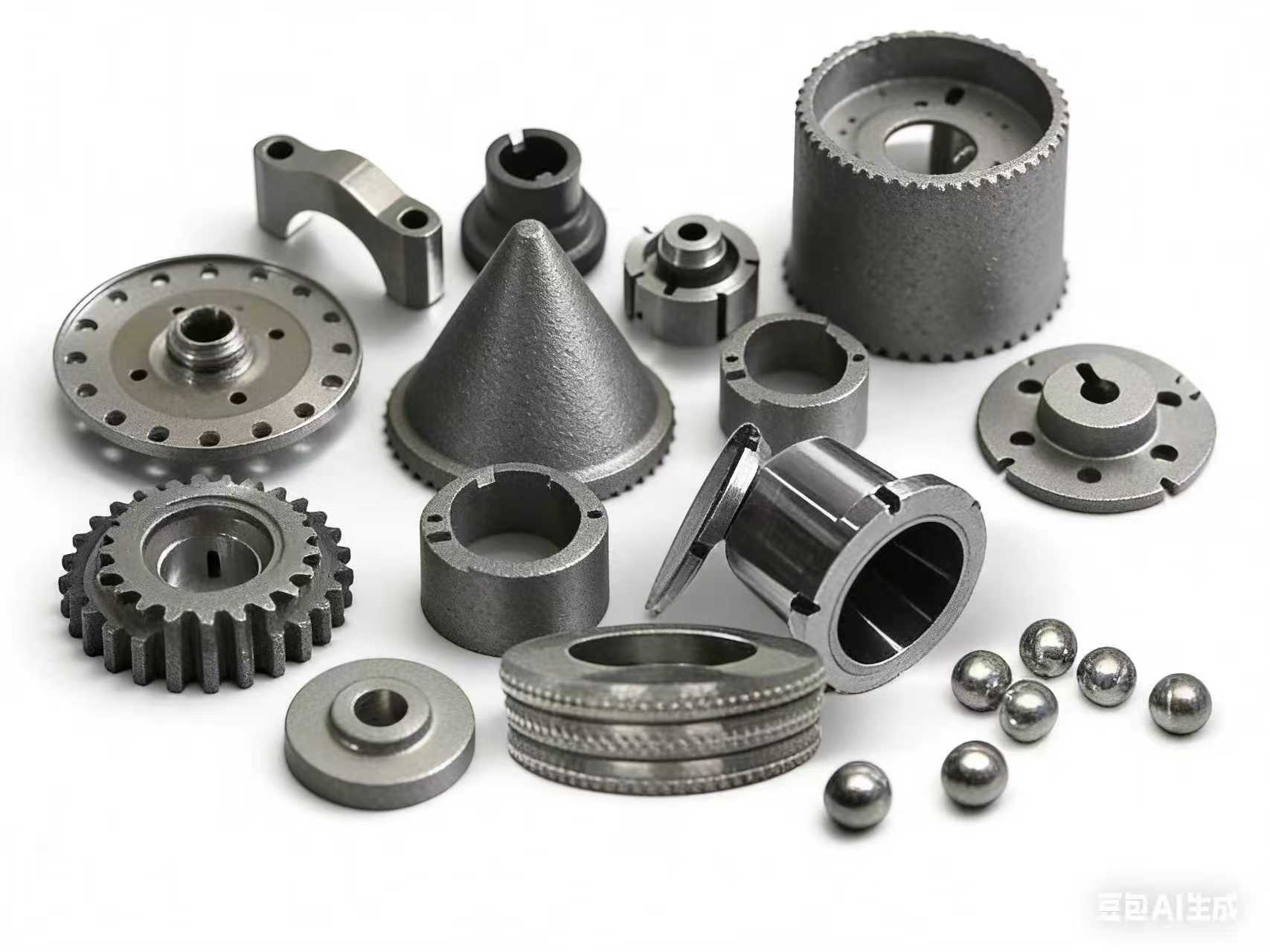

Che cos'è la produzione di componenti metallici in polvere?
Il processo fondamentale della metallurgia delle polveri

1.1 Produzione e miscelazione delle polveri
-
Atomizzazione avanzata:
-
Atomizzazione a gas: produce polveri ad alta sfericità per una densità elevata.
-
PREP (processo con elettrodo rotante al plasma): il nostro standard di riferimento per il titanio, con una sfericità ≥ 98% e un'eccezionale scorrevolezza (≤ 25 s/50g).
-
-
Miscelazione funzionale: oltre alla semplice miscelazione, incorporiamo rivestimenti isolanti organico-inorganici (ossido di alluminio+ resina) per le polveri SMC, garantendo una barriera dielettrica che rimane intatta durante la lavorazione.
1.2 Compattazione (la fase di pressatura)
-
Precisione ad alta pressione: applichiamo pressioni fino a 60 tsi (827 MPa).
-
Compattazione a caldo: per i materiali SMC utilizziamo la compattazione a caldo (120°C) per massimizzare la densità a verde fino a 7.2 g/cm³, preservando al contempo i delicati rivestimenti delle particelle.
-
Fondamento della resistenza alla corrosione: per l'acciaio inossidabile 316L, puntiamo a una densità a verde ≥ 7.4 g/cm³, garantendo che la porosità post-sinterizzazione sia ridotta al minimo per prevenire la corrosione localizzata.
1.3 Sinterizzazione e trattamento termico specializzato
-
Atmosferico Precisione:
-
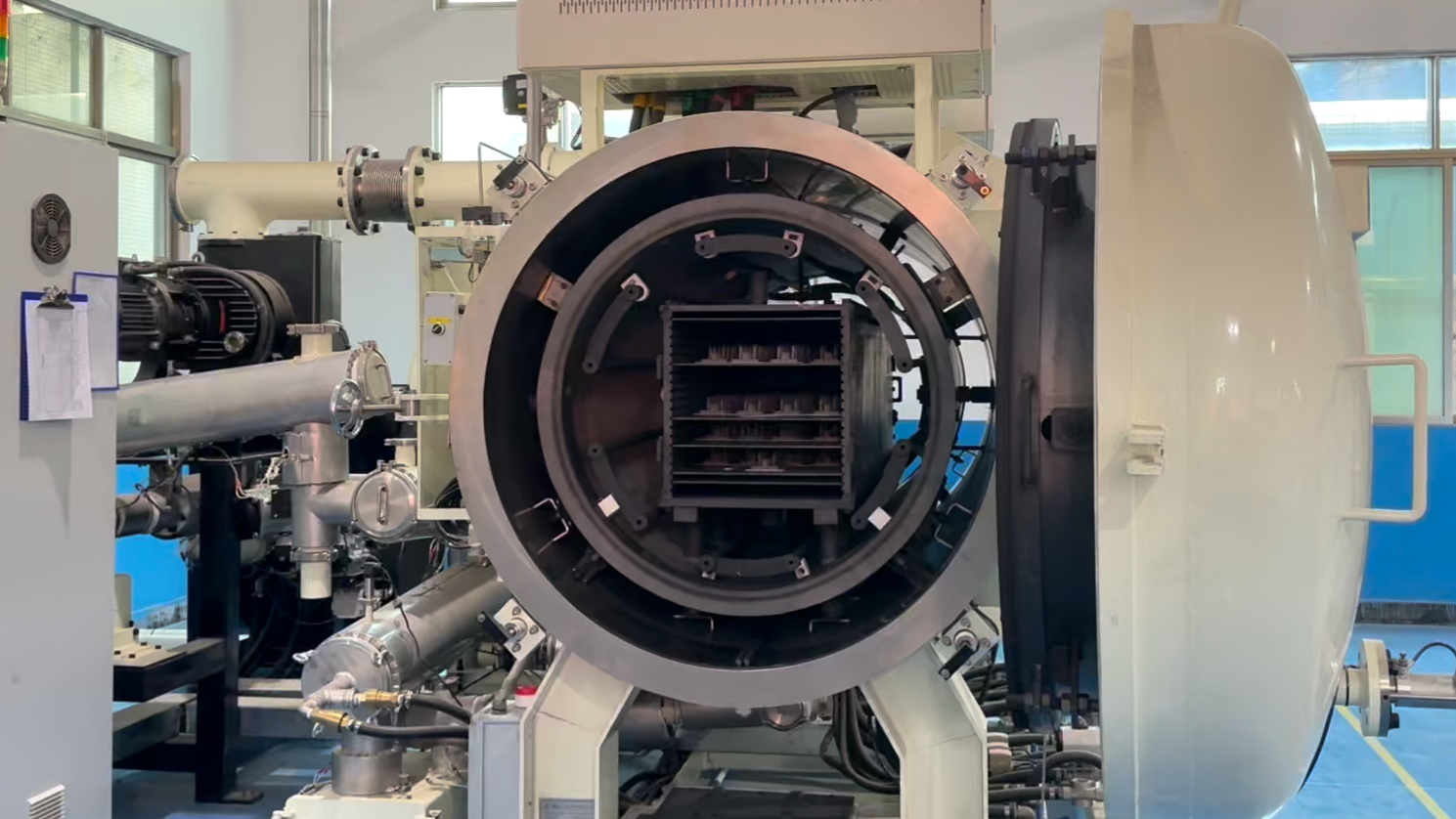
Vuoto ultraelevato (inferiore a 0.001 Pa): specificamente per titanio e acciaio inossidabile, per mantenere un contenuto di ossigeno ≤ 50 ppm, garantendo biocompatibilità e massima duttilità.
-
Indurimento di SMC: a differenza della sinterizzazione PM tradizionale, i componenti SMC sono sottoposti a un ciclo di indurimento termico a bassa temperatura per stabilizzare la resina senza compromettere l'isolamento magnetico.
-
Controllo della microstruttura: le nostre velocità di raffreddamento (ad es. 200°C/h) sono calcolate per prevenire la formazione di fasi fragili nelle leghe di titanio, mantenendo una resistenza a trazione ≥ 1000 MPa.
-
1.4 Finitura di precisione e operazioni secondarie
-
Precisione geometrica: otteniamo tolleranze di planarità di 0.002 mm mediante rettifica automatizzata a doppio disco.
-
Eccellenza superficiale: la rugosità dei fori interni può raggiungere Ra 0.02 μm, soddisfacendo i rigorosi requisiti della norma ISO 10993 per gli impianti chirurgici.
-
Passivazione superficiale: tutti i componenti in titanio vengono sottoposti a passivazione chimica per rinforzare il loro strato naturale di ossido, garantendo una durata a lungo termine in ambienti corrosivi.
Principali vantaggi della metallurgia delle polveri

Confronto: PM vs. metodi tradizionali
| Caratteristica | Metallurgia delle polveri (PM) | Lavorazione meccanica tradizionale | Fusione a cera persa |
|---|---|---|---|
| Scarti di materiale | Molto bassa (< 5%) | Elevata (trucioli di scarto) | Moderata |
| Efficienza energetica | Elevata | Moderata | Bassa |
| Complessità | Elevata (forma netta) | Limitata dal percorso dell'utensile | Molto elevata |
| Controllo della porosità | Sì (autolubrificazione) | No | No |
| Efficienza dei costi | Massimizzata su larga scala | Basso (ad alta intensità di manodopera) | Elevato per unità |
| Precisione (tolleranza) | Fino a 0,002 mm | Variabile | Moderata |
| Versatilità dei materiali | Estrema (metalli, ceramiche) | Limitata | Moderata |
Vantaggi principali della metallurgia delle polveri: oltre il risparmio sui costi
1. Precisione ineguagliata e integrità della superficie
-
Precisione dimensionale: La planarità è controllata fino a 0,002 mm e le tolleranze dei fori sono mantenute rigorosamente entro 0,005 mm.
-
Microrugosità: La rugosità superficiale raggiunge Ra 0,2 μm. Per componenti con fluidodinamica critica o cuscinetti ad aria, otteniamo una rugosità del foro interno fino a Ra 0,02 μm.
2. Innovazione radicale dei materiali e leghe "impossibili"
- Compositi magnetici dolci (SMC): Questi materiali sono alla base dei motori EV ad alta efficienza. Controllando la purezza dei componenti in polvere metallica, otteniamo un'elevata permeabilità magnetica (permeabilità iniziale di 5000 o superiore per gli SMC nanocristallini) e perdite nel ferro estremamente ridotte (10 W/kg o inferiori a 1,0 T/400 Hz), superando di gran lunga le prestazioni del tradizionale acciaio laminato.
-
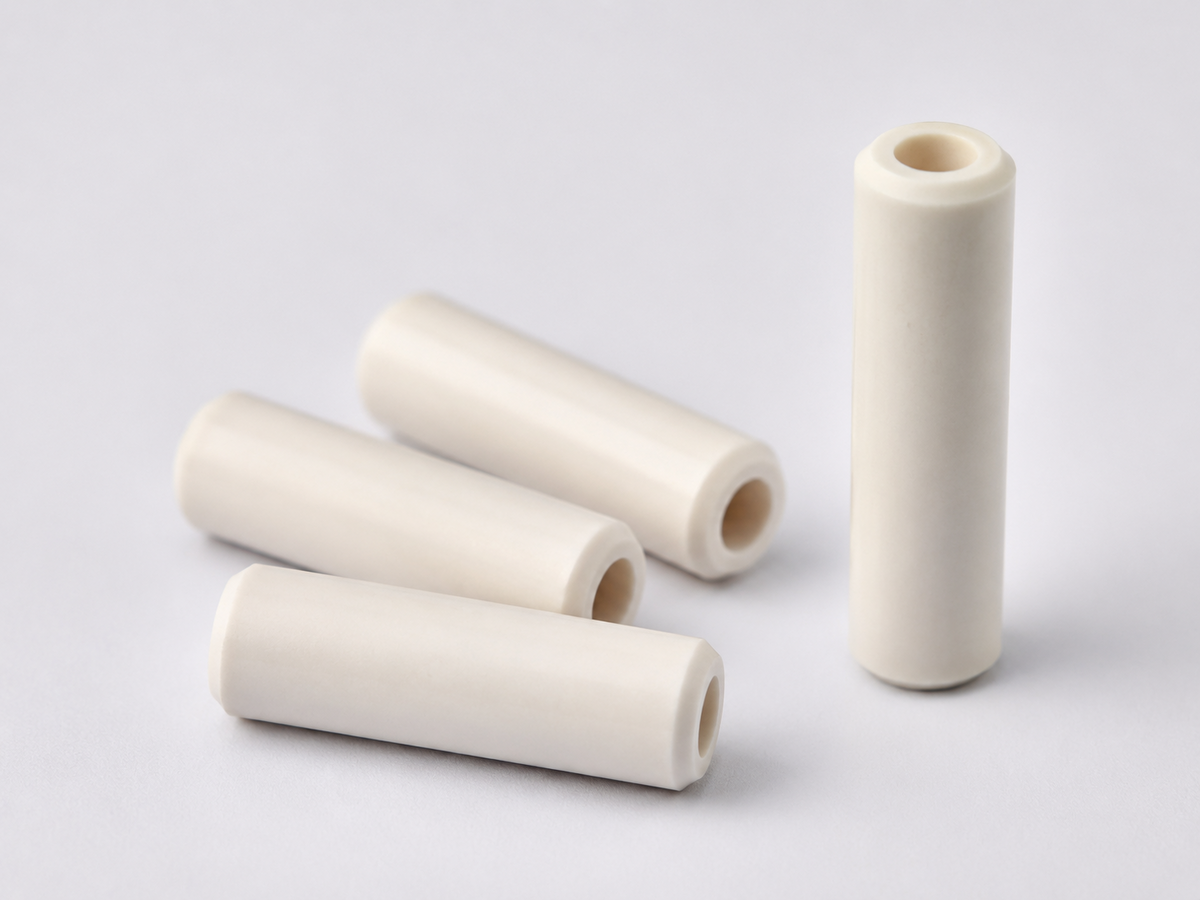
Compositi metallo-ceramici: Miscelando particelle ceramiche (ossido di alluminio o biossido di zirconio) con polveri metalliche, creiamo componenti che possiedono la robustezza strutturale del ferro, ma sono 15 volte più resistenti all'usura.
-
Resistenza avanzata alla corrosione: Possiamo miscelare polveri per ambienti specializzati, come Hastelloy C-276, garantendo stabilità in applicazioni marine estreme o nel trattamento chimico.
3. Sostenibilità economica e ambientale
-
Massima efficienza dei costi su larga scala: una volta perfezionate le attrezzature ad alta precisione, è possibile produrre migliaia di componenti in metallo sinterizzato all'ora con un intervento umano pressoché nullo. Ciò riduce significativamente il costo unitario complessivo e i tempi di produzione.
-
Filosofia a spreco zero: la lavorazione tradizionale trasforma fino al 50% della materia prima in trucioli di scarto. Al contrario, la produzione di metalli in polvere mantiene un tasso di utilizzo dei materiali del 95%. Si tratta di un enorme vantaggio economico quando si lavora con materiali costosi come il titanio o l'Inconel.
-
Risparmio energetico: poiché è un processo near-net-shape, elimina numerose fasi CNC ad alto consumo energetico, riducendo drasticamente l'impronta di carbonio di ogni componente.
4. Porosità funzionale: il vantaggio dell'autolubrificazione
-
Cuscinetti autolubrificanti: controllando con precisione la sinterizzazione nella metallurgia delle polveri, possiamo creare pori interconnessi che vengono successivamente impregnati con oli speciali. Questi componenti in metallo sinterizzato "oil-lite" garantiscono una lubrificazione permanente per gli elettrodomestici e i motori automobilistici.
-
Filtrazione ad alta resistenza: il PM è l'unico metodo per produrre filtri metallici ad alta resistenza, in grado di sopportare le pressioni e le temperature estreme presenti nei sistemi di filtrazione aerospaziali e chimici.
Materiali comuni nella produzione di metalli in polvere
-
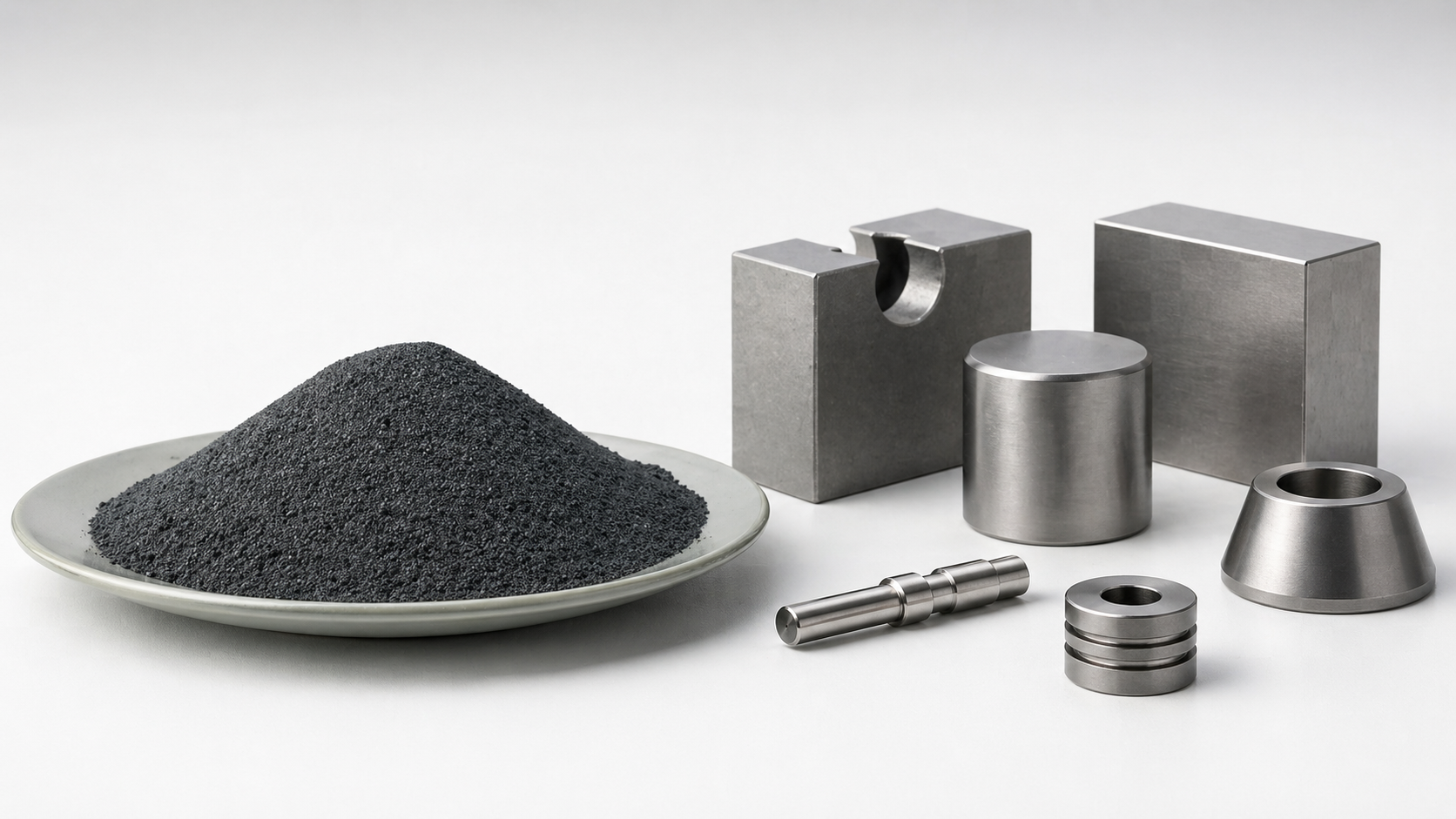
Ferro e acciaio: i materiali più comuni, utilizzati per componenti strutturali di automobili e utensili.
-
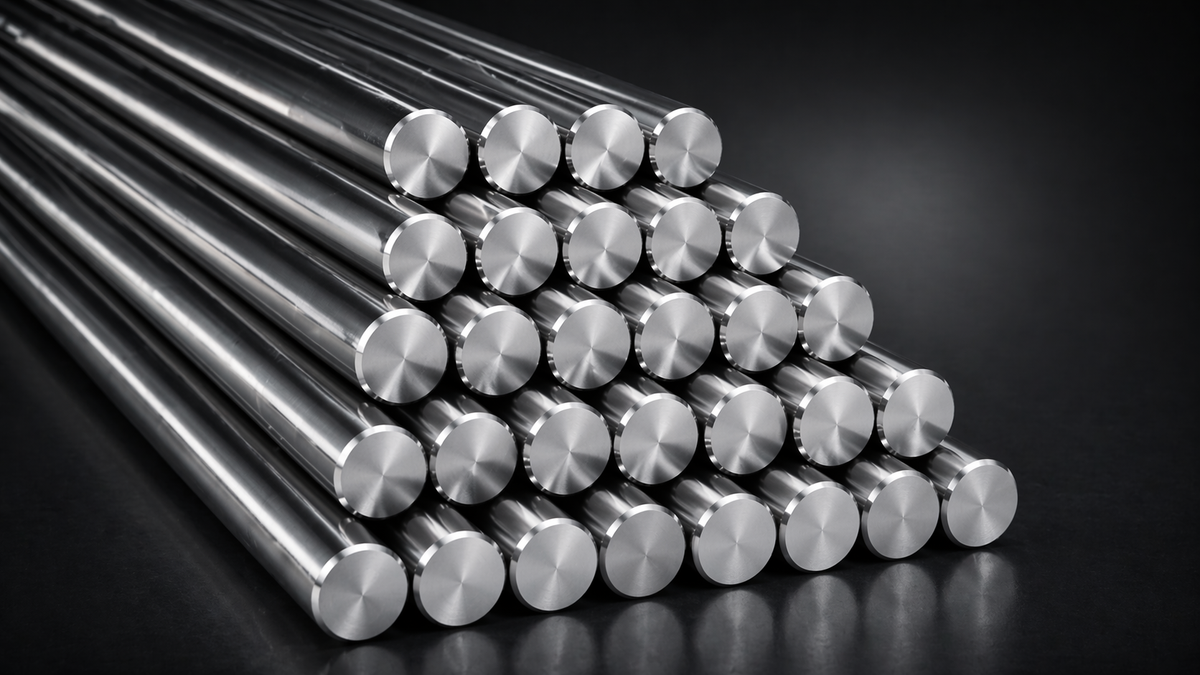
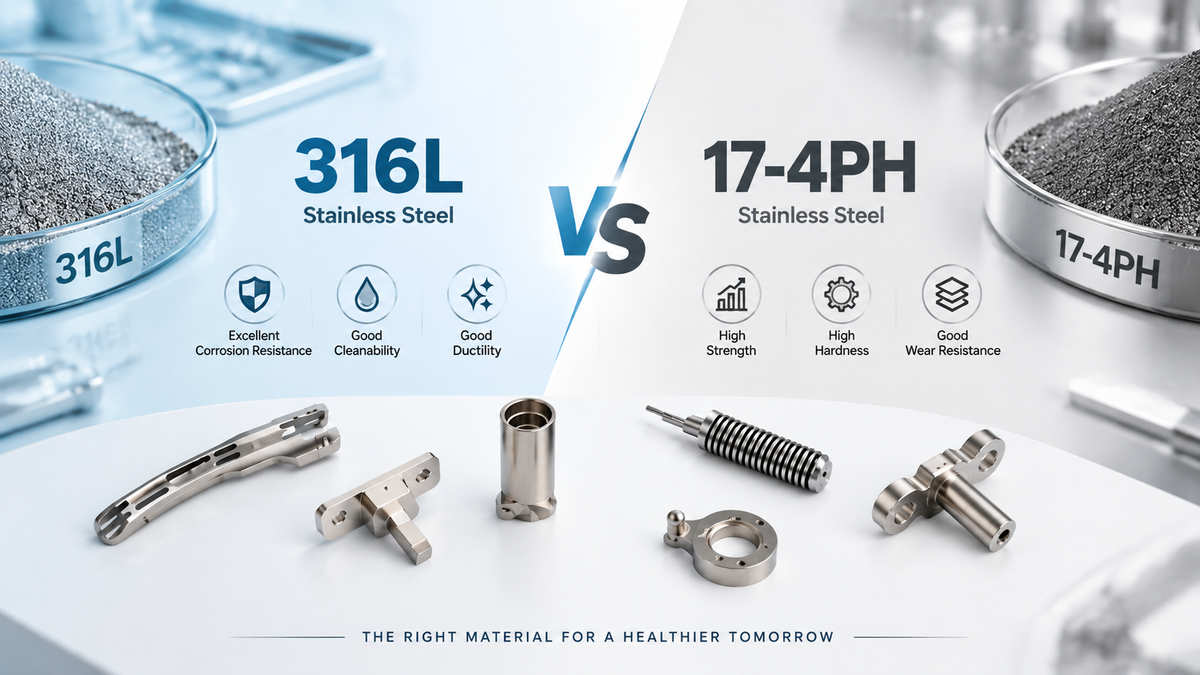
Acciaio inossidabile: utilizzato quando sono richieste resistenza alla corrosione e alta resistenza meccanica (ad esempio, negli strumenti medicali).
-
Leghe a base di rame (bronzo/ottone): essenziali per cuscinetti autolubrificanti e componenti elettrici.
-
Materiali magnetici dolci: utilizzati nei motori elettrici e nei sensori per gestire efficacemente il flusso magnetico.
-
Metalli refrattari: il tungsteno e il molibdeno, che hanno punti di fusione estremamente elevati, vengono lavorati quasi esclusivamente tramite PM.
Tecniche specializzate nel settore PM
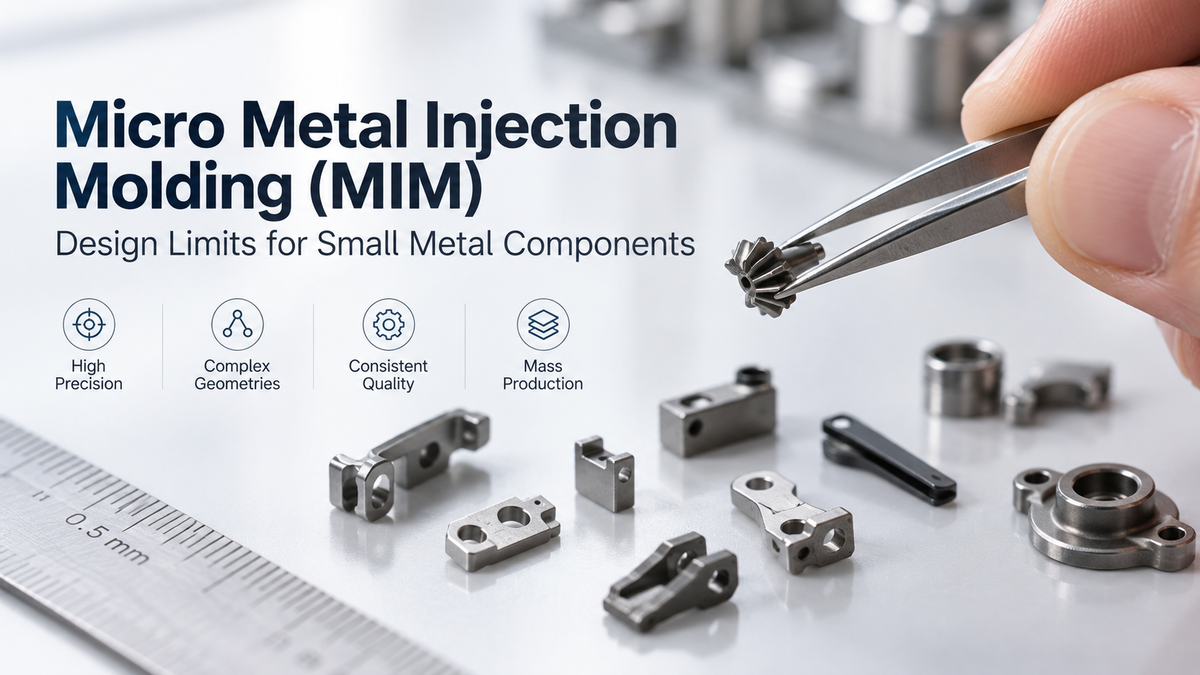
Stampaggio a iniezione dei metalli (MIM)
Produzione additiva (stampa 3D di metalli)
Pressatura isostatica a caldo (HIP)
Applicazioni comuni dei componenti in metallo in polvere
-
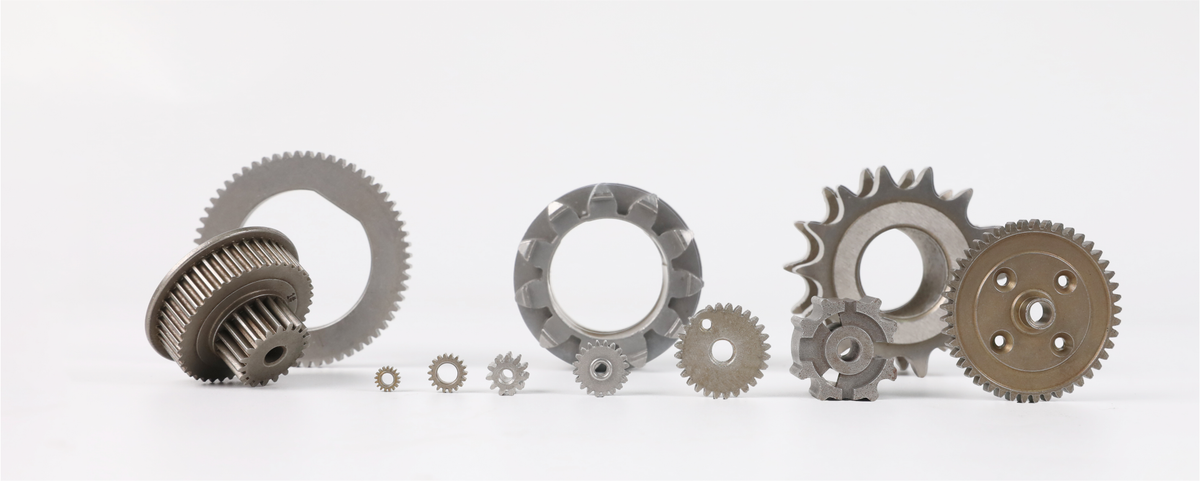
Automobilistico: Bielle, ingranaggi dell'albero a camme, ingranaggi della trasmissione e rotori delle pompe dell'olio. I veicoli moderni contengono oltre 40 libbre di componenti in metallo in polvere.
-
Aerospaziale: Pale di turbine ad alta temperatura e dispositivi di fissaggio strutturali, per i quali il rapporto peso-resistenza è fondamentale.
-
Utensili elettrici: Ingranaggi e carcasse per trapani, seghe e smerigliatrici.
-
Settore medicale: Strumenti chirurgici, impianti ortopedici e attacchi ortodontici.
-
Elettrodomestici: Componenti per lavatrici, frigoriferi e tosaerba.

Progettazione per la produzione di metalli in polvere: migliori pratiche
1. Evitare gli angoli acuti
2. Mantenere uniforme lo spessore delle pareti
3. La regola dell'"espulsione"
Controllo qualità e standard nella metallurgia delle polveri
-
Densità minima: Fondamentale per l'integrità strutturale.
-
Durezza apparente: Resistenza all'usura superficiale.
-
Resistenza alla trazione: La capacità di resistere alle forze di trazione.
Il futuro della produzione di metalli in polvere
-
Produzione ecologica: Poiché la metallurgia delle polveri produce quasi zero scarti e utilizza metalli riciclati, viene considerata uno dei processi di lavorazione dei metalli più ecologici.
-
Veicoli elettrici (EV): Sebbene i veicoli elettrici abbiano meno ingranaggi nel motore, richiedono compositi magnetici dolci specializzati per motori ad alta efficienza, un settore in cui la produzione di componenti in metallo sinterizzato eccelle.
Conclusione
Collabora con XY-GLOBAL: ingegneria di precisione guidata da una visione a lungo termine
Scegliere un partner produttivo significa più che disporre della capacità attuale: significa trovare una base affidabile per le tue future innovazioni. In XY-GLOBAL operiamo con una visione di 101 anni. Puntando oltre il tradizionale traguardo dei "100 anni" di perfezione, adottiamo una filosofia di visione a lungo termine che privilegia la qualità duratura e l’integrità tecnica rispetto ai vantaggi a breve termine.
Stai valutando la produzione di componenti in metallo sinterizzato per il tuo prossimo progetto? Non affrontare da solo questa complessità. Uniamo oltre 15 anni di esperienza intersettoriale a tecnologie ultraprecise per garantire che i tuoi progetti beneficino di un impegno verso l’eccellenza duraturo da oltre un secolo.
Come acceleriamo il tuo successo:
-
Analisi DFM incentrata sull’affidabilità: I nostri ingegneri offrono un’analisi gratuita della geometria del tuo componente, ottimizzandola per il processo di produzione mediante metallurgia delle polveri al fine di garantire stabilità produttiva a lungo termine e prestazioni a difetti zero.
-
Un’eredità di precisione: Dai sistemi di materiali specializzati come SMC o il titanio alla produzione di grandi volumi, sfruttiamo la metrologia avanzata ZZS per soddisfare le tolleranze più rigorose dei settori aerospaziale e medicale: standard costruiti per durare.
-
Efficienza scalabile e sostenibile: Offriamo un percorso fluido ed economicamente vantaggioso verso il mercato, trattando ogni componente come una testimonianza del nostro obiettivo di essere il tuo partner più affidabile per il prossimo secolo e oltre.
Pronto a scoprire la differenza di XY-GLOBAL? Contatta oggi il nostro team tecnico per uno studio di fattibilità completo o un preventivo rapido, e costruiamo una partnership destinata a durare nel tempo.

Condividi:
Componenti sinterizzati: materiali, proprietà, tolleranze e quando scegliere invece il MIM
Metallo MIM svelato: dalle basi tecniche alla scalabilità industriale - come XY-Global aiuta gli innovatori tecnologici a superare i colli di bottiglia della produzione