


Когда инженеры ищут литейные компании, многие из них на самом деле ищут поставщиков, способных производить сложные металлические детали в больших объемах с неизменным качеством, а не традиционное литье в строгом смысле.
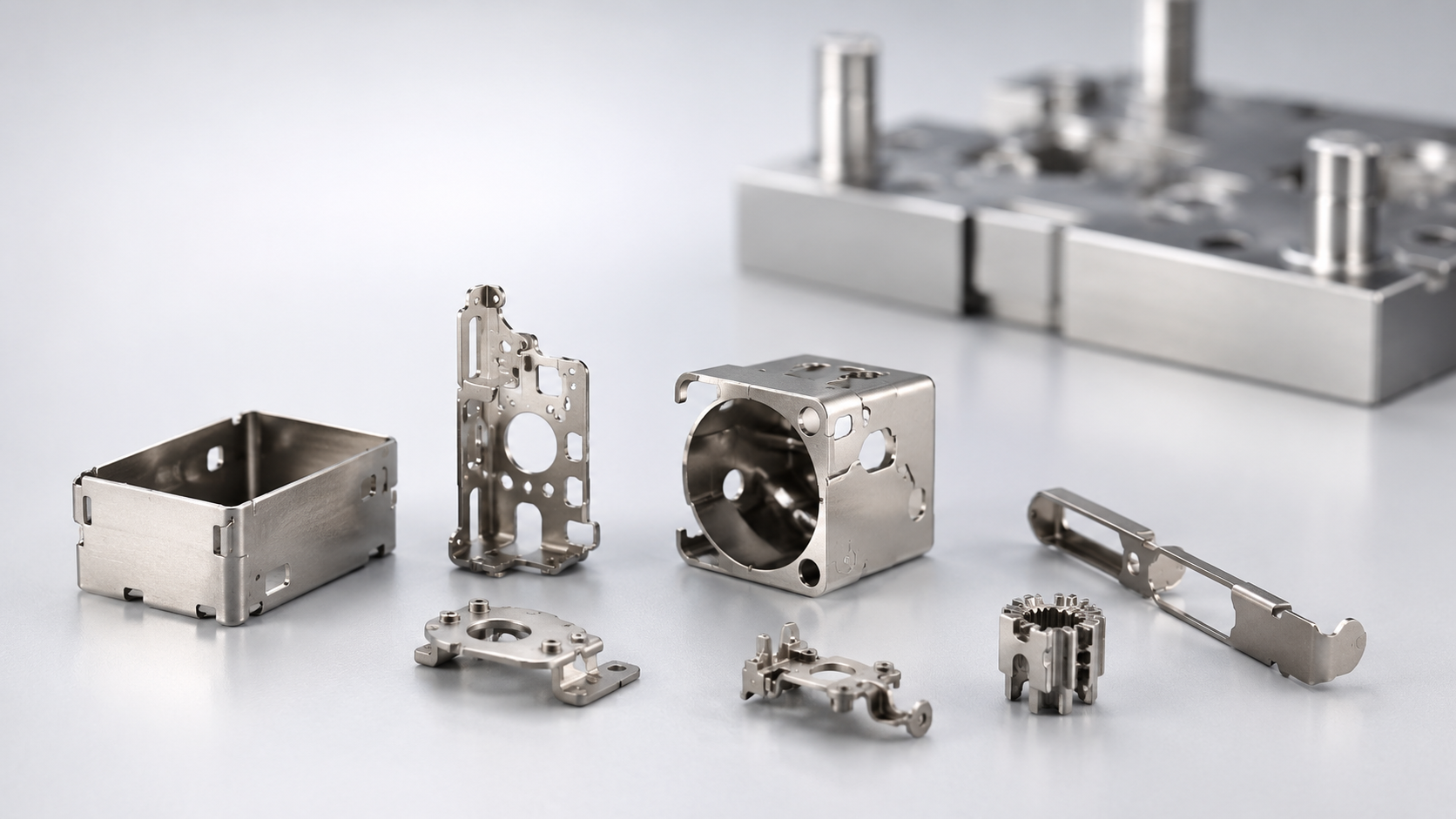
Во многих современных приложениях литье металлов под давлением (MIM) стало предпочтительным решением.
Эта статья объясняет, как литейные компании все чаще используют возможности MIM, начиная с реального производственного случая и расширяя практические критерии принятия решений для покупателей.
Реальный проект: замена традиционного литья на MIM
Европейский производитель медицинского оборудования обратился к нам с просьбой перепроектировать компонент из нержавеющей стали, который изначально поставлялся традиционными литейными компаниями.
Оригинальная деталь имела несколько проблем:
-
Непостоянная толщина стенок
-
Слишком высокая стоимость вторичной обработки
-
Размерные отклонения между партиями
-
Годовой объем: 80 000+ шт.
Компонент имел:
-
Тонкие стенки (0,6–1,2 мм)
-
Внутренние элементы, не поддающиеся обработке
-
Функциональные допуски ≤ ±0,03 мм
Традиционные литейные компании с трудом справлялись с этими требованиями на постоянной основе.

Почему MIM был выбран вместо традиционного литья
Вместо изменения процесса литья, мы предложили литье металлов под давлением.
По сравнению со многими литейными компаниями, MIM предлагает явные преимущества для небольших, сложных деталей, производимых в больших объемах.
Сравнение процессов
| Аспект | Традиционное литье | Процесс MIM |
|---|---|---|
| Минимальная толщина стенки | ~2,5–3,0 мм | 0,3–0,5 мм |
| Повторяемость размеров | Средняя | Высокая |
| Внутренняя геометрия | Ограниченная | Отличная |
| Пост-обработка | Часто требуется | Минимальная |
| Чистота поверхности (Ra) | 3,2–6,3 мкм | 0,8–1,6 мкм |
| Пригодность объема | Низкая–средняя | Средняя–высокая |
Именно поэтому многие передовые литейные компании сейчас интегрируют или переходят на производство MIM.
 Шаг 1: Выбор материала и сырья
Для этого проекта мы выбрали:
-
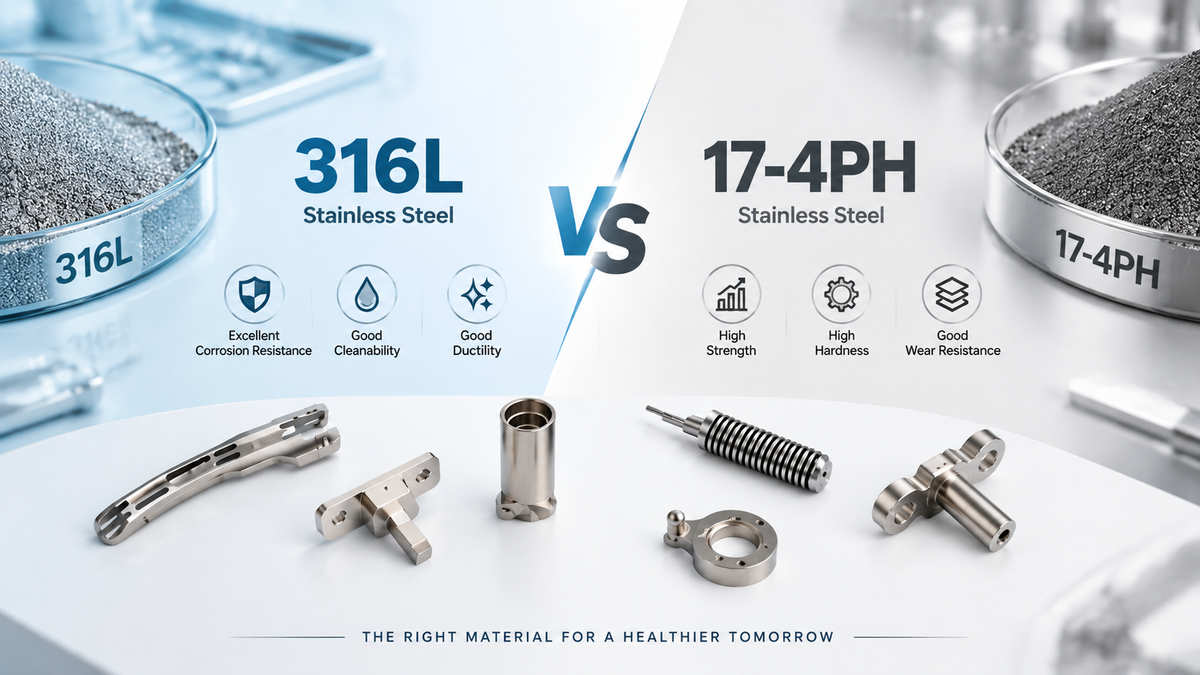
Материал: нержавеющая сталь 17-4PH
-
Целевая плотность: ≥ 96,5%
-
Коэффициент усадки: ~15–18%
-
Контроль допуска спекания: ±0,3%
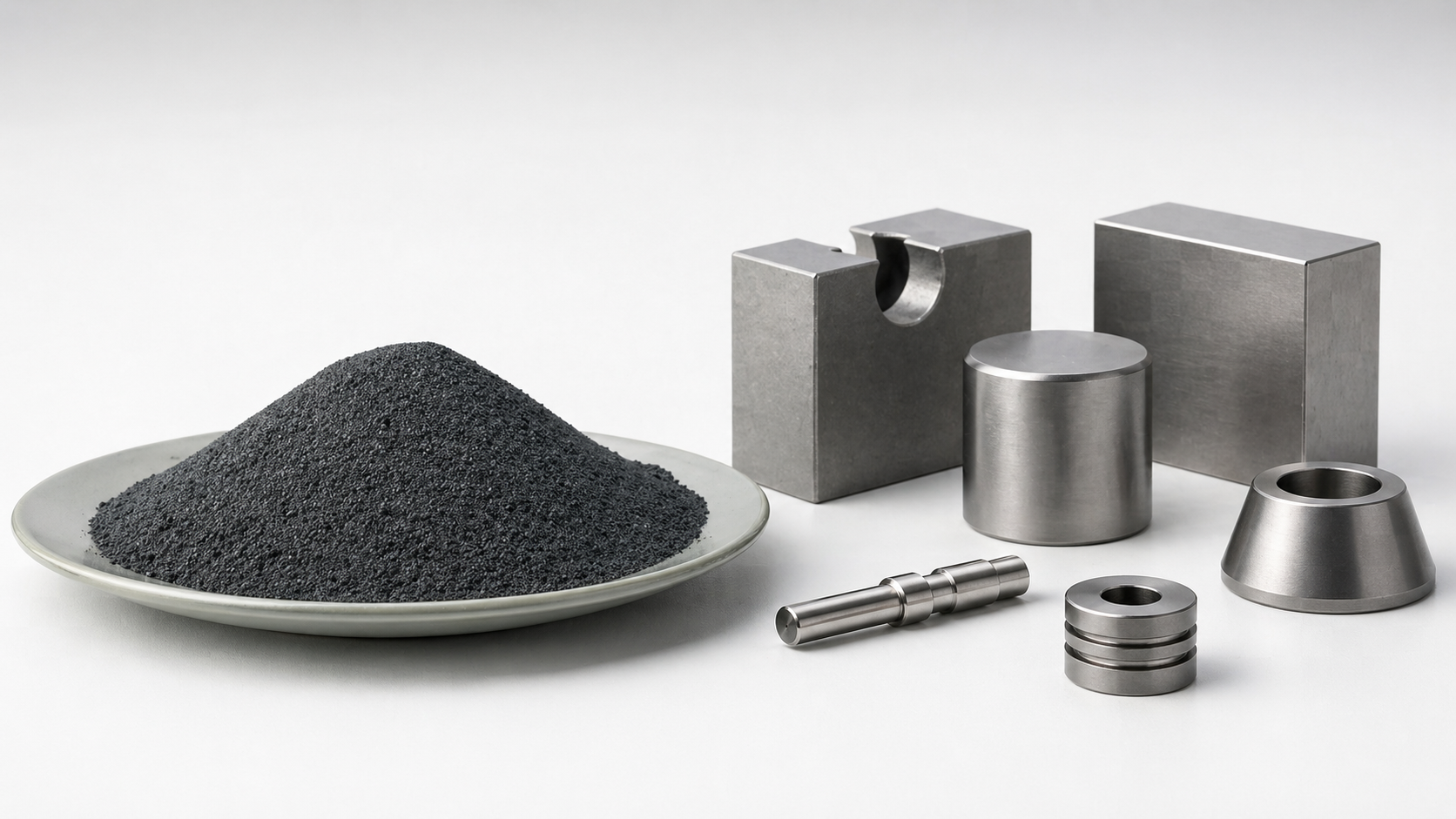
В отличие от обычных литейных компаний, поставщики MIM должны контролировать размер частиц порошка, систему связующего и профиль спекания — все это напрямую влияет на конечные характеристики детали.
Шаг 2: Обзор DFM (проектирование для MIM)
Перед оснасткой мы провели полный обзор DFM, специфичный для MIM:
-
Равномерная толщина стенок (±20%)
-
Скругленные внутренние углы (R ≥ 0,2 мм)
-
Сбалансированное распределение массы
-
Оптимизированное расположение впускного литника для потока порошка
Многие покупатели обращаются в литейные компании с чертежами, не оптимизированными для MIM.
Ранний DFM имеет решающее значение для успеха.
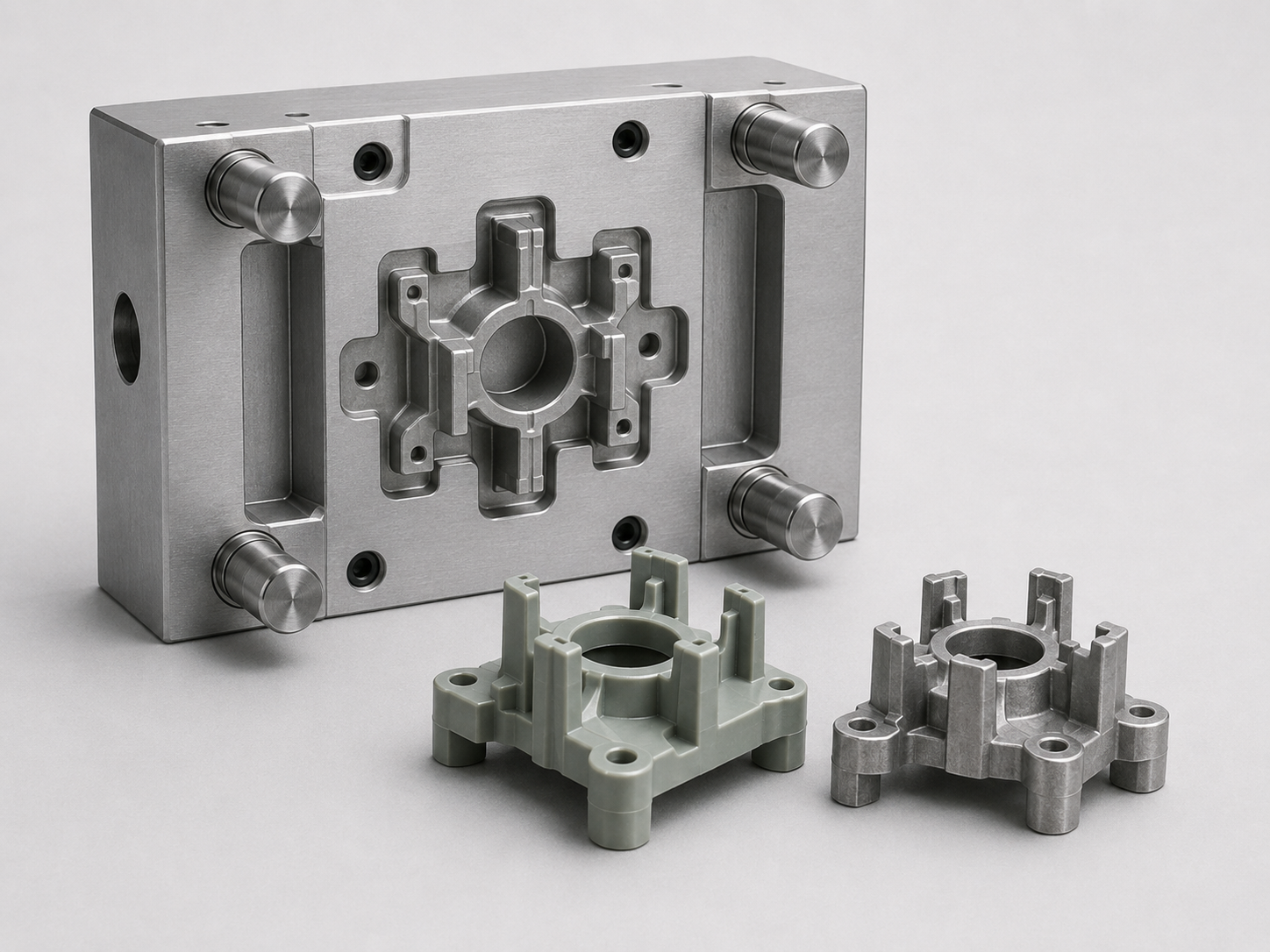
Шаг 3: Оснастка и контроль литья
Оснастка MIM была разработана с учетом:
-
Изотропной усадки
-
Критического выравнивания исходных данных
-
Контроля остатка литника
-
Баланса силы выталкивания
Во время пилотного производства:
-
Исследование размеров 30 штук
-
Измерение КИМ по критически важным характеристикам
-
Отслеживание веса и плотности
Этот уровень контроля отличает надежных поставщиков MIM от обычных литейных компаний.
Шаг 4: Развязывание и управление спеканием
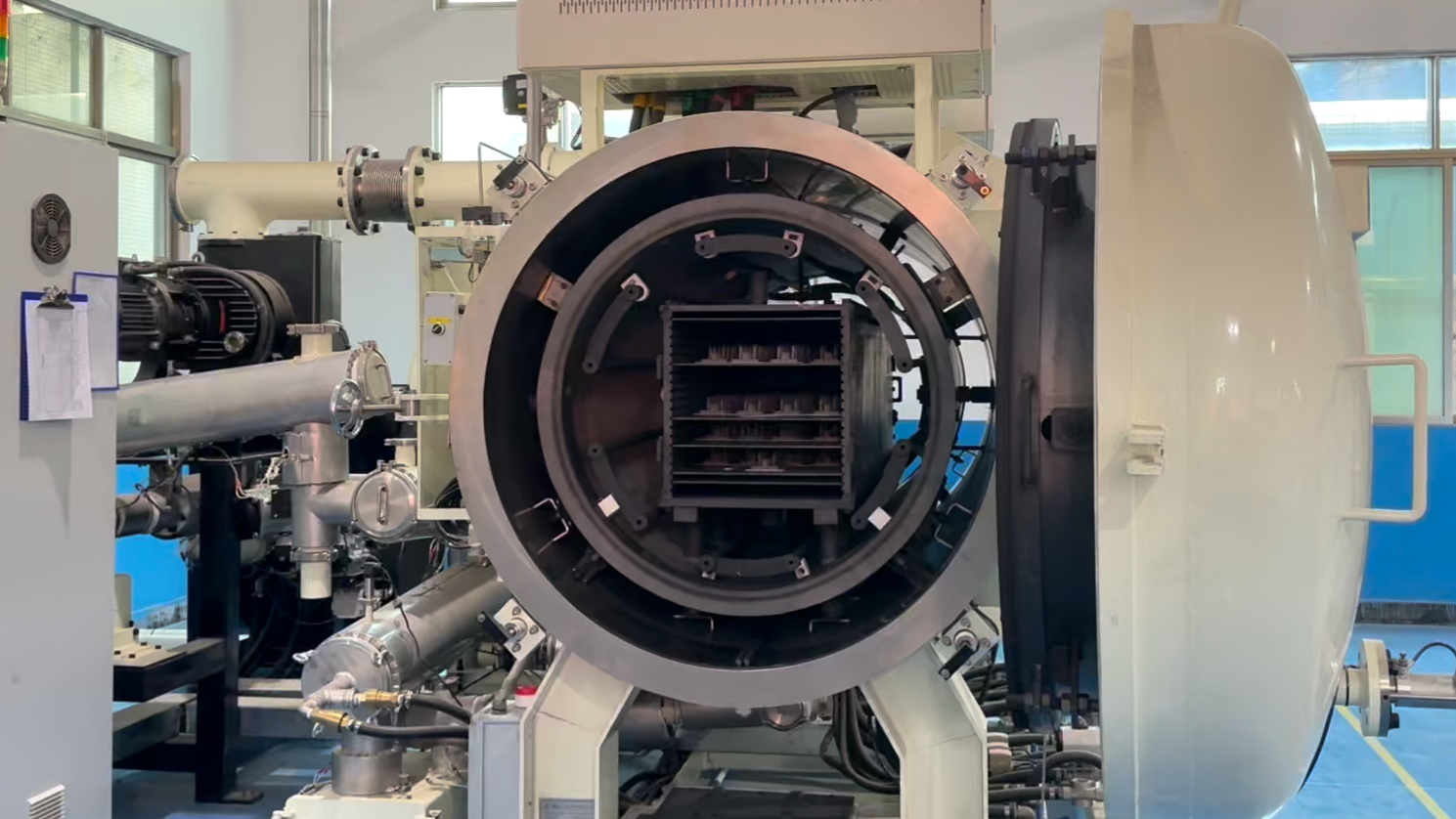
Спекание – это то, чем MIM действительно отличается.
Ключевые контролируемые параметры:
-
Точность температурной кривой (±3 °C)
-
Контроль атмосферы (H₂ / N₂)
-
Стабильность времени спекания
-
Постоянство загрузки печи
Без этого контроля даже опытные литейные компании не могут достичь стабильных результатов MIM.
Результаты производства
После SOP:
-
Размерный CPK ≥ 1,67 по всем CTQ
-
Вторичная обработка уменьшена на 85%
-
Разброс между деталями < ±0,02 мм
-
Стабильный ежемесячный выпуск 10 000+ шт.
Вот почему покупатели все чаще оценивают литейные компании с возможностями MIM, а не только традиционное литье.
Как оценивать литейные компании, предлагающие MIM
При поиске литейных компаний для сложных металлических деталей учитывайте следующие факторы, специфичные для MIM:
Технические возможности
-
Собственное удаление связующего и спекание
-
Опыт порошковой металлургии
-
База данных материалов (нержавеющая сталь, низколегированная сталь, инструментальная сталь)
Контроль процесса
-
Метод прогнозирования усадки
-
Система измерения плотности
-
SPC во время литья и спекания
Обеспечение качества
-
Контроль КИМ
-
Металлографический анализ
-
Проверка механических свойств
Не все литейные компании готовы к этим требованиям.
Распространенные заблуждения
-
«MIM — это просто мелкосерийное литье»
→ MIM — это порошковая металлургия, а не литье. -
«Любой поставщик литья может делать MIM»
→ MIM требует другой оснастки, печей и опыта. -
«Допуск MIM свободный»
→ Правильно контролируемый MIM конкурирует с обработанными деталями.
Понимание этих моментов помогает покупателям выбирать правильные литейные компании с истинными возможностями MIM.

Почему MIM — это будущее для сложных металлических деталей
Поскольку дизайн изделий становится все меньше и сложнее, многие традиционные литейные компании сталкиваются с ограничениями.
MIM позволяет:
-
Массовое производство
-
Детали, близкие к окончательной форме
-
Сложные внутренние элементы
-
Снижение общей стоимости владения
Для медицинских, электронных, автомобильных и промышленных применений MIM все чаще является предпочтительным решением.
Заключительные мысли
Когда покупатели ищут литейные компании, реальная потребность часто заключается в точности, повторяемости и масштабируемости.
Литье металлов под давлением удовлетворяет эти потребности там, где традиционное литье не может.
Работа с литейными компаниями, которые по-настоящему разбираются в MIM — от порошка до спекания — является ключом к долгосрочному успеху производства.

Делиться:
Помимо щипцов: Пакт доверия, заключенный для обеспечения теплоты и точности в медицинском партнерстве
«Китайская скорость» в транснациональном визите: дела говорят громче слов