

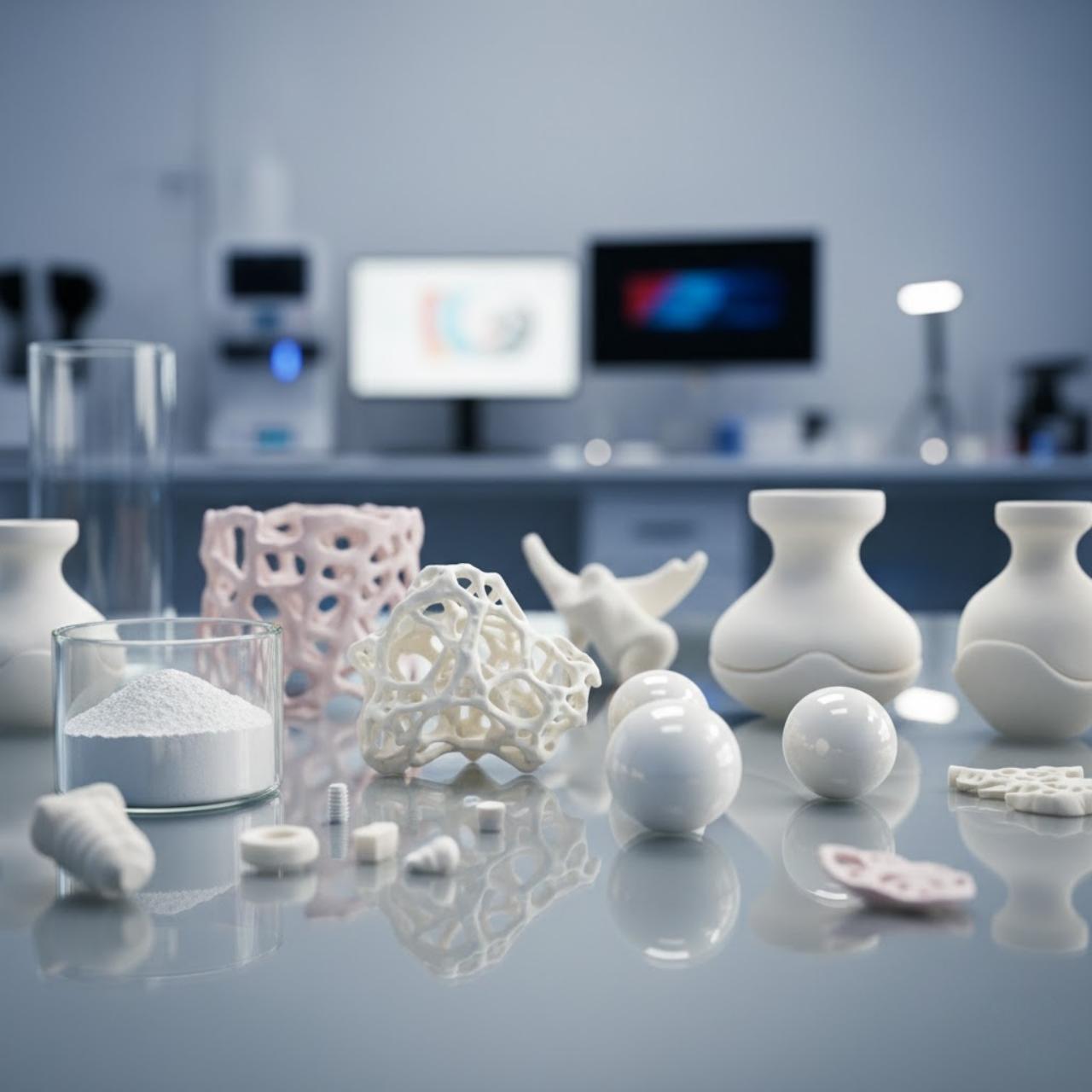
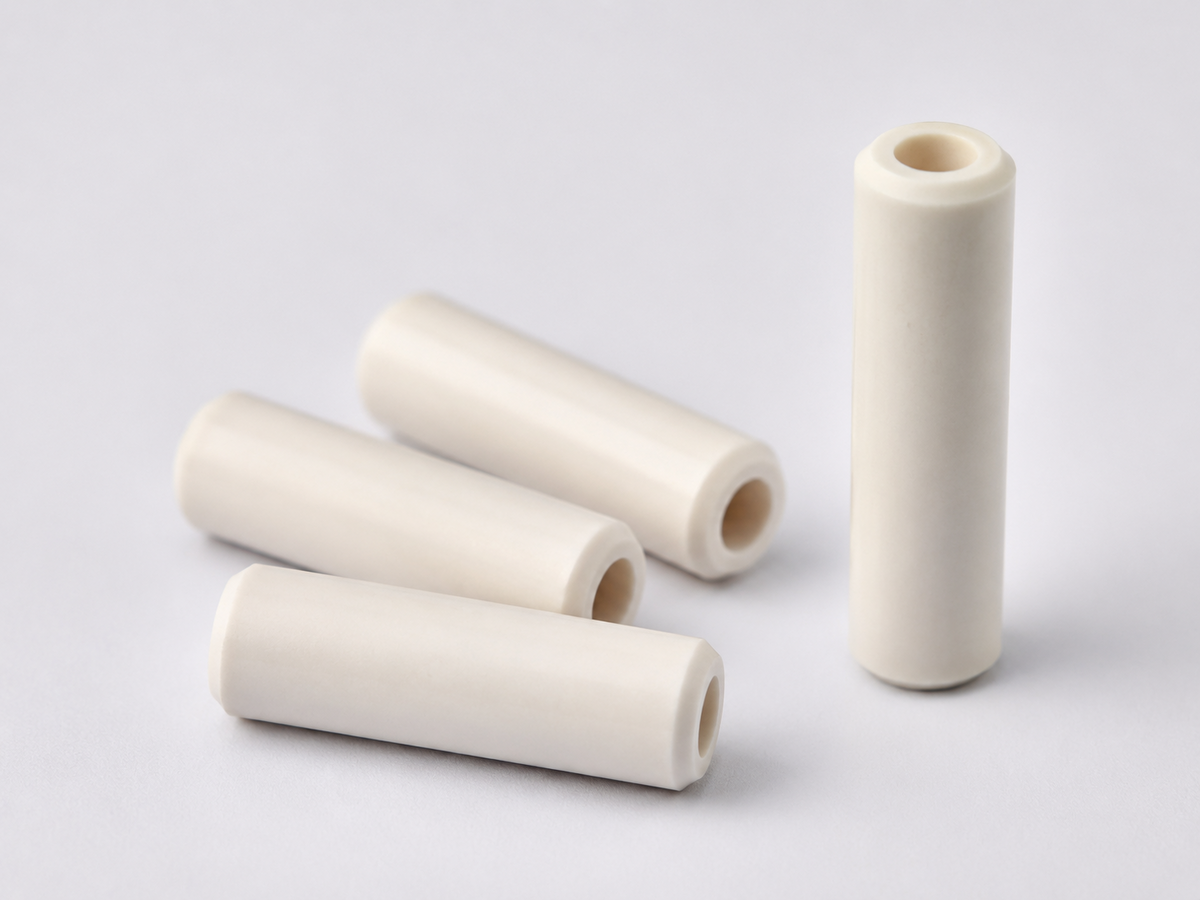
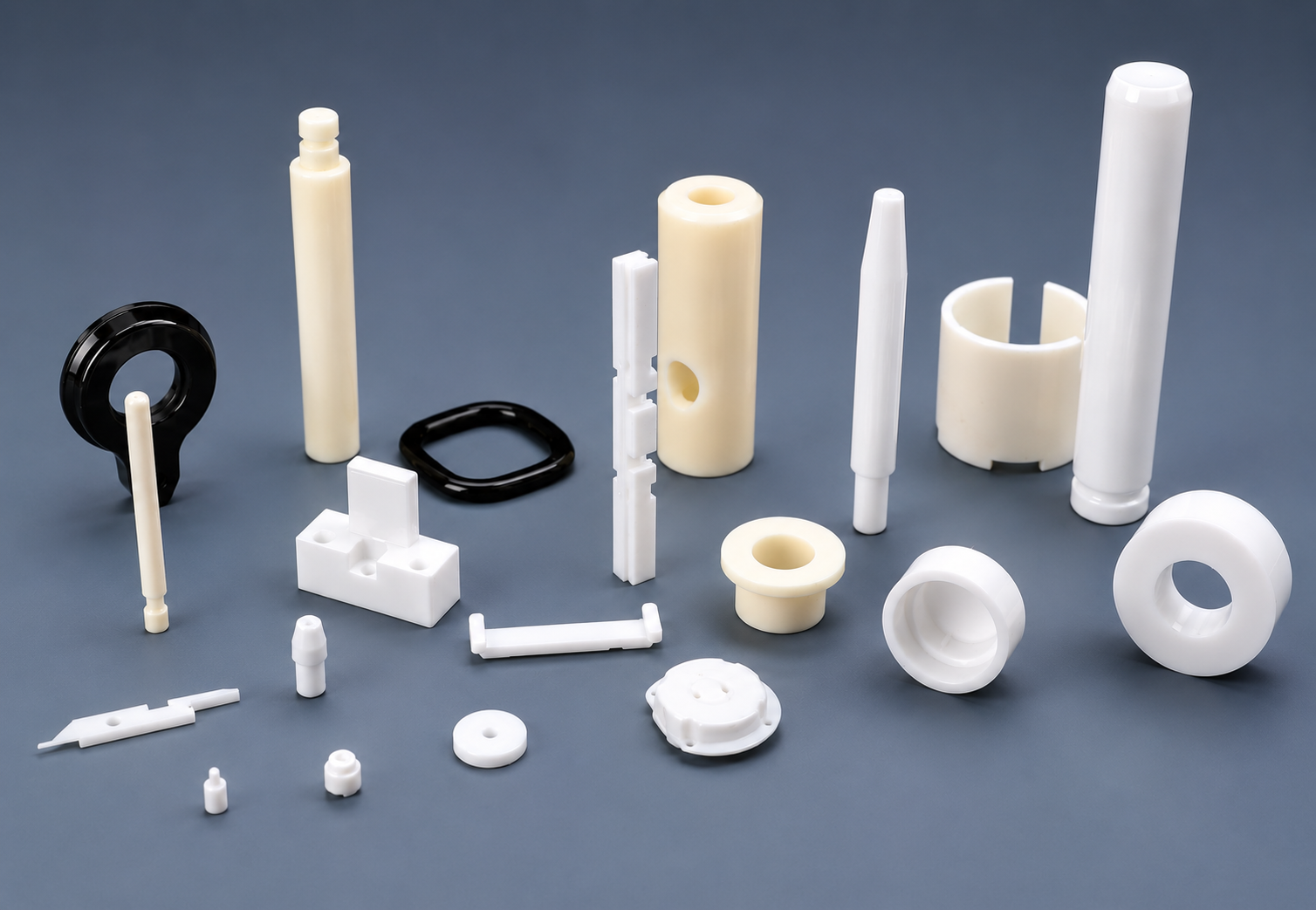
Когда речь идет о хирургических имплантатах, выбор материала — это не просто технический вопрос, это решение, которое определяет качество жизни пациента на десятилетия вперед. В течение многих лет металлы медицинского назначения были стандартом. Однако сейчас происходит значительный сдвиг. Медицинская керамика быстро становится предпочтительным решением для высоконагруженных, высокоточных применений.
Но что делает медицинскую керамику (или биокерамику) превосходящей традиционные титан или нержавеющую сталь? В этой статье мы подробно рассмотрим практические преимущества, клинические характеристики и конкретные области применения, которые делают эти передовые материалы «золотым стандартом» в здравоохранении 21-го века.

1. Критическая проблема: почему металла не всегда достаточно
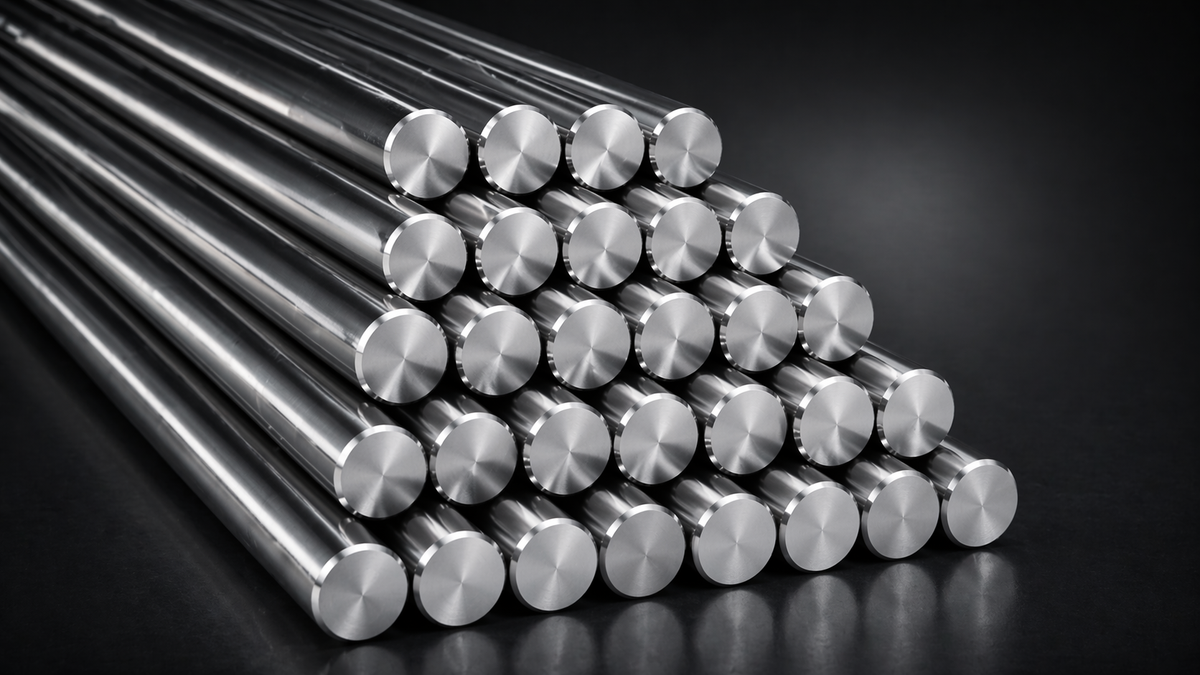
Хотя металлы прочны, они имеют врожденные недостатки при размещении внутри биологической среды человека. Именно здесь медицинская керамика предлагает столь необходимую альтернативу.
Проблема с металлическими имплантатами:
-
Высвобождение ионов и токсичность: Со временем металлические имплантаты могут подвергаться коррозии, высвобождая микроскопические ионы (например, никель или хром) в окружающие ткани, что приводит к воспалению или системной чувствительности.
-
Экранирование напряжений: Металлы часто намного жестче костей. Это «несоответствие жесткости» приводит к тому, что металл принимает на себя всю нагрузку, в результате чего окружающая естественная кость ослабевает и рассасывается.
-
Помехи при визуализации: Металл создает «артефакты» или тени на МРТ и КТ-снимках, что затрудняет для врачей мониторинг заживления.
Медицинская керамика решает эти проблемы, будучи химически инертной и обладая модулем упругости, более совместимым с биологией человека.

2. Улучшенная производительность: медицинская керамика против медицинских металлов
Чтобы понять, почему медицинская керамика завоевывает долю рынка, мы должны взглянуть на данные. Следующая таблица сравнивает механические и биологические характеристики керамических биоматериалов с титаном медицинского назначения.
Таблица сравнения характеристик
| Характеристика | Медицинский титан (класс 5) | Передовая медицинская керамика (ZTA) | Клиническое преимущество керамики |
| Коррозионная стойкость | Умеренная (риск окисления) | Отличная (инертная) | Долгосрочная биостабильность |
| Скорость износа | Выше (риск образования металлической крошки) | Сверхнизкая | Сниженный риск отказа имплантата |
| Биосовместимость | Хорошая | Превосходная | Более быстрая интеграция тканей |
| Эстетика | Непрозрачный/серый | Полупрозрачный/белый | Естественный вид в стоматологических приложениях |
| Совместимость с МРТ | Искажает изображения | Полное отсутствие помех | Более четкий послеоперационный мониторинг |
3. Углубленный анализ: высокорастущие области применения биокерамики
Универсальность медицинской керамики лучше всего проявляется в двух конкретных областях, где требования к производительности являются экстремальными: стоматологические реставрации и ортопедические протезы суставов.
3.1 Стоматологическая революция: диоксид циркония и оксид алюминия
В прошлом «фарфоровая коронка» обычно означала фарфор, прикрепленный к металлическому основанию. Сегодня стоматологическая медицинская керамика полностью устранила необходимость в металле.
-
Диоксид циркония: Известный как «керамическая сталь», диоксид циркония обеспечивает вязкость разрушения, необходимую для моляров, которые выдерживают сильные жевательные нагрузки. Он устраняет «черную линию» у десны, часто наблюдаемую с коронками на металлической основе.
-
Эстетическое превосходство: В отличие от металла, биосовместимая керамика позволяет свету проходить через зуб, имитируя естественный вид эмали.
-
Устойчивость к зубному налету: Исследования показывают, что бактерии менее склонны прилипать к гладким керамическим медицинским компонентам, чем к металлическим поверхностям, что снижает риск заболеваний десен.
3.2 Ортопедия: преимущество «керамика-по-керамике»
Для 45-летнего пациента, которому предстоит замена тазобедренного сустава, цель состоит в том, чтобы избежать «ревизионной операции» (второй замены). Именно здесь медицинская керамика проявляет себя наилучшим образом.
-
Уменьшение продуктов износа: В тазобедренных имплантатах керамический шарик, движущийся в керамической впадине (CoC), практически не образует частиц износа. Это предотвращает «остеолиз» — состояние, при котором иммунная система организма атакует кость в ответ на продукты износа пластика или металла.
-
ZTA (упрочненный цирконием оксид алюминия): Этот композит является вершиной передовой медицинской керамики. Он сочетает твердость оксида алюминия с вязкостью диоксида циркония для предотвращения «хрупкого разрушения», которое было характерно для ранних керамических конструкций.
4. Биоактивная керамика: больше, чем просто структурная поддержка
Одной из самых захватывающих подотраслей медицинской керамики является «биоактивность». В отличие от инертных материалов, которые просто «находятся» в теле, биоактивная керамика взаимодействует с ним.
Гидроксиапатит (HAp) и костная пластика
Гидроксиапатит — это керамический биоматериал, который по химическому составу схож с минералом человеческой кости.
-
Остеокондукция: Он действует как каркас, «обманывая» костные клетки, заставляя их расти по своей поверхности.
-
Технология покрытия: Многие хирурги используют титановые имплантаты, покрытые тонким слоем медицинской керамики. Это обеспечивает структурную прочность металла с превосходной способностью керамики к «сращиванию с костью».
5. Преодоление мифа о «хрупкости»
Наиболее распространенное опасение относительно медицинской керамики заключается в ее потенциальной способности к разрушению. Исторически керамика была хрупкой. Однако современная материаловедение представило трансформационное упрочнение.
Профессиональный совет: Современная медицинская керамика из диоксида циркония претерпевает фазовое превращение, когда начинает образовываться трещина. Материал локально расширяется, чтобы «сжать» трещину, предотвращая ее распространение. Это делает современные имплантаты невероятно надежными для высоконагруженных видов деятельности.
6. Экономическая перспектива: стоимость против долговечности
Хотя начальная стоимость медицинской керамики выше, чем у металла или полиэтилена, долгосрочная ценность (LTV) значительно лучше.
-
Более низкая частота ревизий: Меньшее количество повторных операций означает более низкие долгосрочные затраты для систем здравоохранения.
-
Более быстрое восстановление: Биоактивные покрытия могут сократить время пребывания в больнице за счет ускорения процесса остеоинтеграции.
7. Будущее: 3D-печать медицинской керамики
Следующим рубежом для медицинской керамики является аддитивное производство. Мы уходим от имплантатов «одного размера для всех» к индивидуально разработанным решениям.
-
Имплантаты для конкретного пациента: Использование данных МРТ для 3D-печати керамического костного трансплантата, который идеально подходит для сложного перелома черепа.
-
Контролируемая пористость: 3D-печать позволяет создавать микроскопические каналы внутри биокерамической структуры, что позволяет кровеносным сосудам проходить через имплантат.
8. Заключение: Ясный выбор для будущего
Переход к медицинской керамике обусловлен простым фактом: пациенты хотят имплантаты, которые служат дольше, выглядят лучше и ощущаются более естественно. Устраняя риски коррозии и продуктов износа, передовая медицинская керамика устанавливает новый стандарт безопасности и производительности в операционной.
По мере развития производственных технологий, таких как 3D-печать, мы можем ожидать, что медицинская керамика будет применяться во все большем количестве областей, от имплантатов среднего уха до сложных спинальных каркасов.
Делиться:
Услуги по микрообработке: Полное и исчерпывающее руководство 2026 года по точности, партнерству и инновациям
Холодное изостатическое прессование (ХИП) в действии: от аэрокосмических компонентов до медицинских имплантатов