

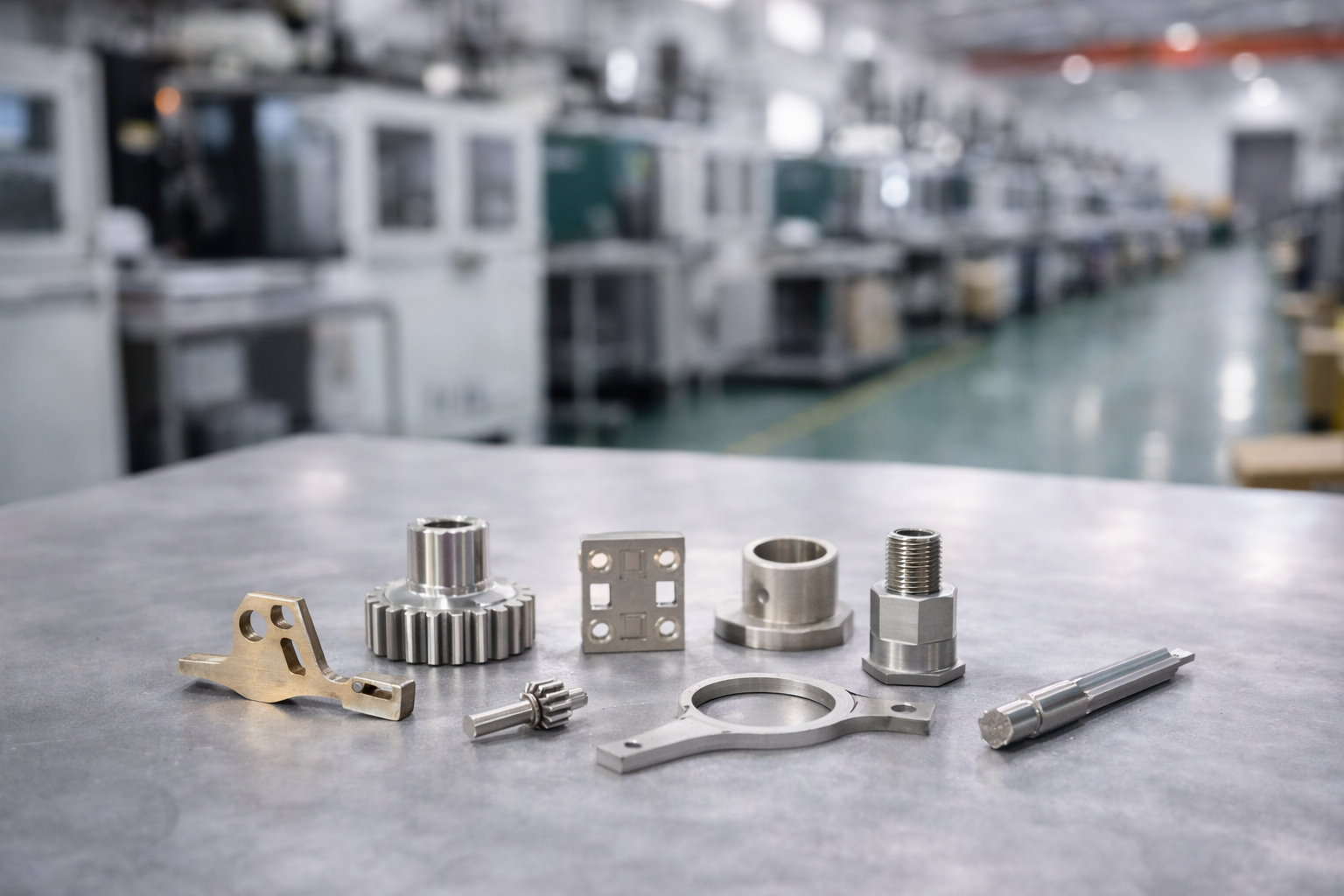
In high‑precision manufacturing today, metal injection molding (MIM) has become a go‑to solution for small, complex metal parts in high volume. It bridges the gap between the precision of CNC machining and the productivity of plastic injection molding, especially for medical devices, consumer electronics, automotive components, and industrial tools.
If you want to know more about MIM technology, let's dive deep into MIM technology step by step: what it is, who idive deep through it: what it is, who it’s for, when it wins over other processes, and how to design for it.

What Is Metal Injection Molding (MIM)?
Metal Injection Molding (MIM) is a manufacturing process that combines the shape flexibility of plastic injection molding with the material strength of metal. Instead of machining a solid block of metal, MIM starts with fine metal powder, turns it into a “plastic‑like” feedstock, then injects it into a mold and finally sinter (bake) it into a dense metal part.
This makes MIM especially powerful for small, complex metal parts that would be very expensive or slow to produce with traditional CNC machining or casting.
The 4‑Step MIM Process
A simple way to understand MIM is to break it down into four main stages:
-
Feedstock Preparation Fine metal powders (typically <20μm) are mixed with a thermoplastic binder to create a “feedstock.” This mixture behaves like plastic during molding, which is why MIM can use ordinary injection molding machines and molds.
-
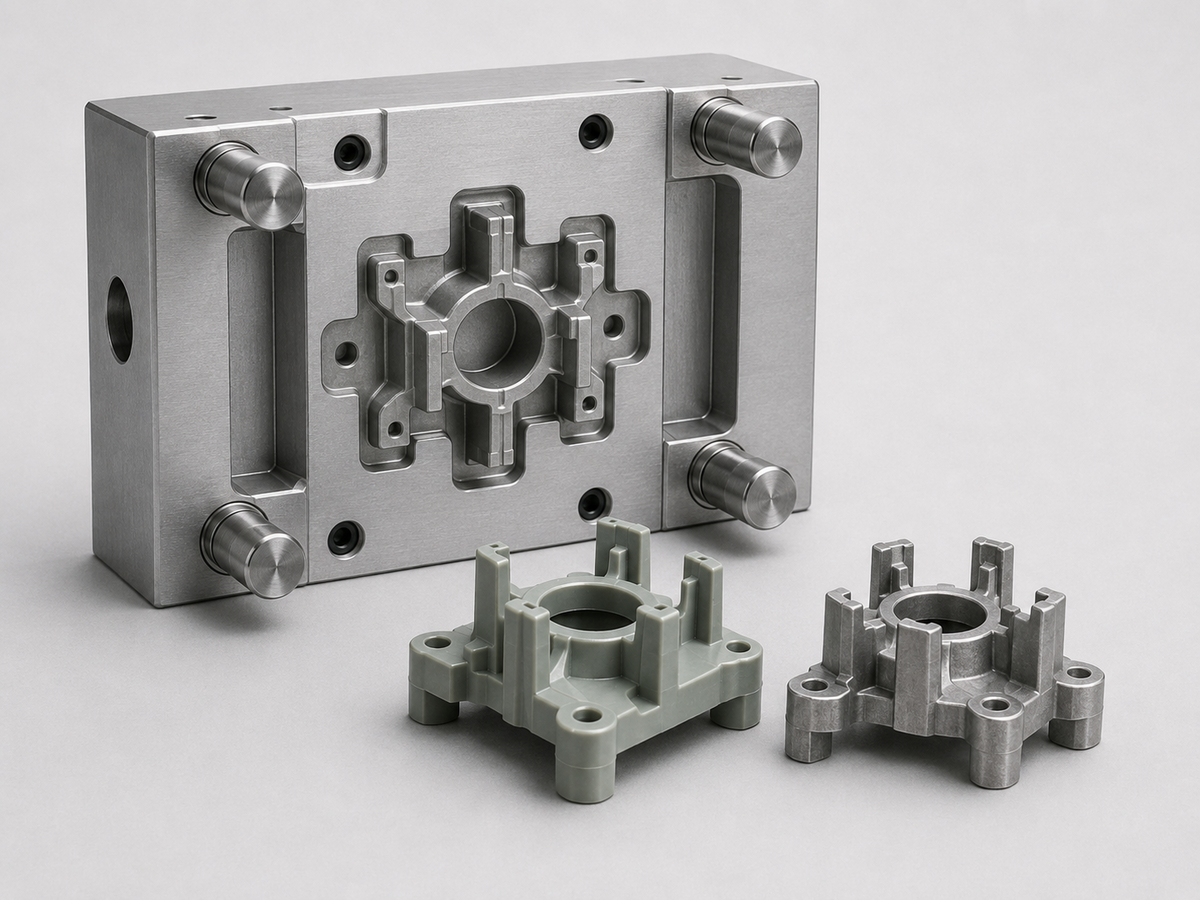
Injection Molding The feedstock is heated and injected into a steel mold cavity. At this stage the part is called a “green part” — it has the same shape as the final product but is about 15–20% larger because it will shrink later.
-
Debinding The binder is carefully removed, usually through thermal or catalytic processes. This step is very sensitive and must be controlled tightly. After debinding, the part is called a “brown part” and is still porous.
-
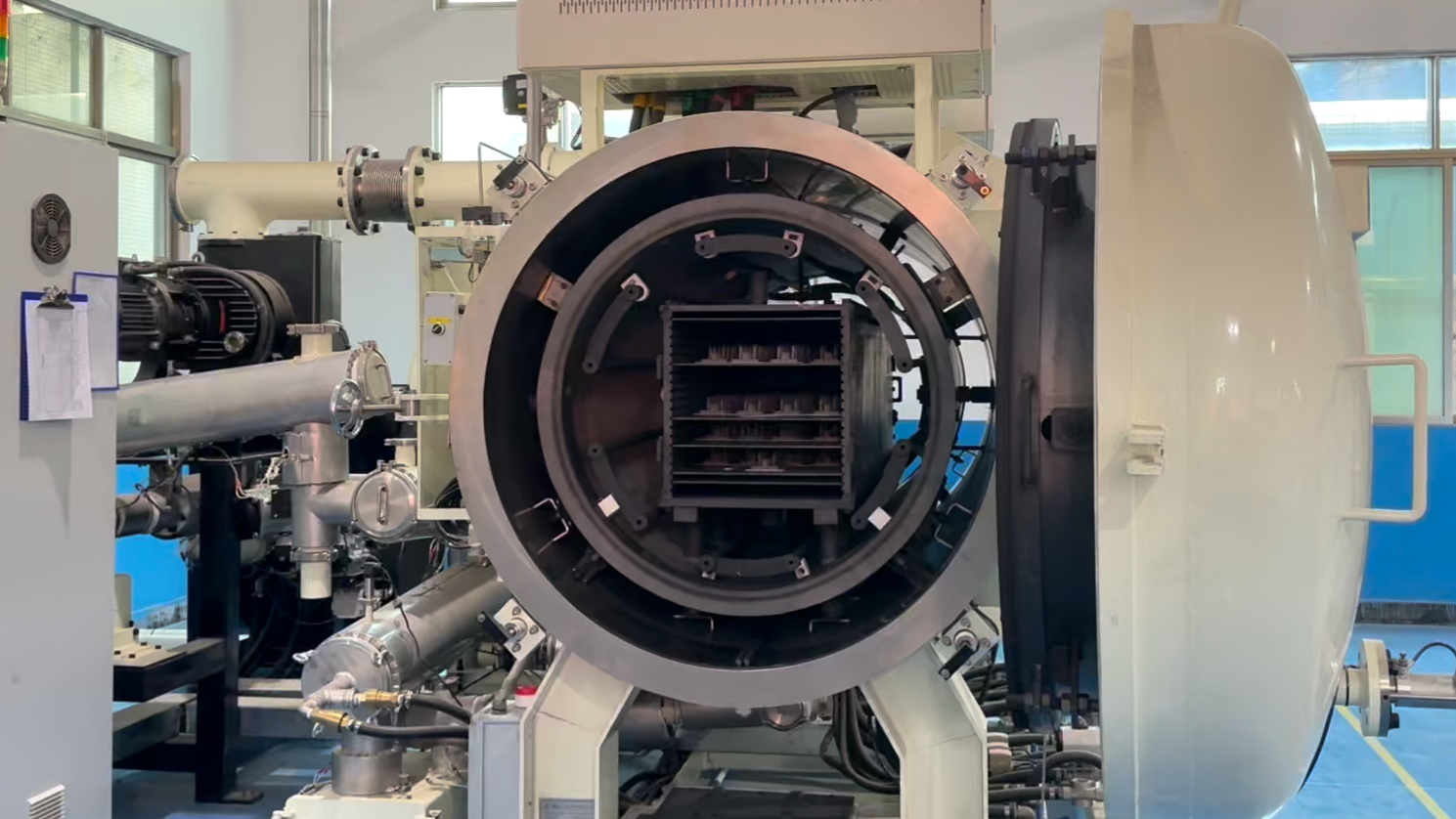
Sintering The brown part is heated in a controlled atmosphere furnace. The metal particles fuse together, the part shrinks to its final size, and the density reaches about 96–98% of theoretical. Once sintered, the part has mechanical properties close to forged or wrought metal.

Compared with traditional manufacturing, MIM can produce geometrically complex, small metal parts with fewer secondary operations and much lower per‑unit cost in high‑volume production.
What Types of Parts Are Good for MIM?
Users who search “MIM technology” are usually wondering: “Can MIM actually make my part?” In practice, MIM works best for:
-
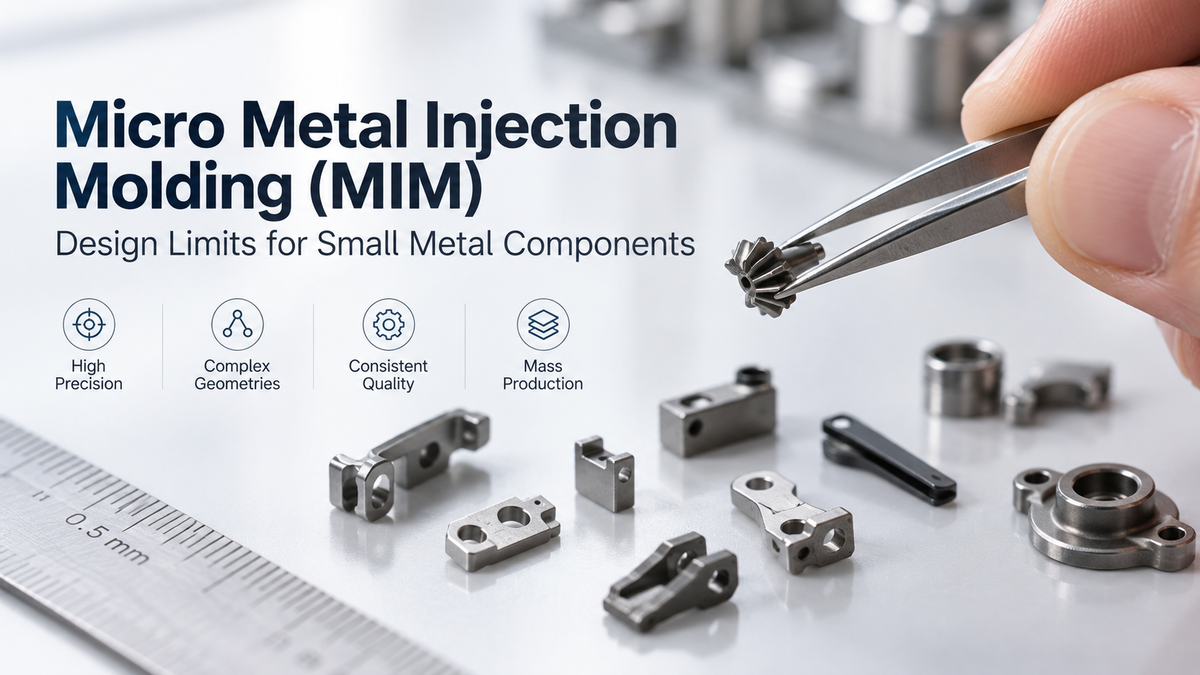
Small metal parts, typically in the 0.1g–50g weight range (this is the “sweet spot”).
-
High‑volume production, usually 5,000 parts per year or more.
-
Complex geometries — internal features, thin walls, undercuts, and multi‑direction shapes that are hard to machine economically.
-
Materials that are hard to machine, such as stainless steel, titanium, or tool steel.
Common application examples include:
-
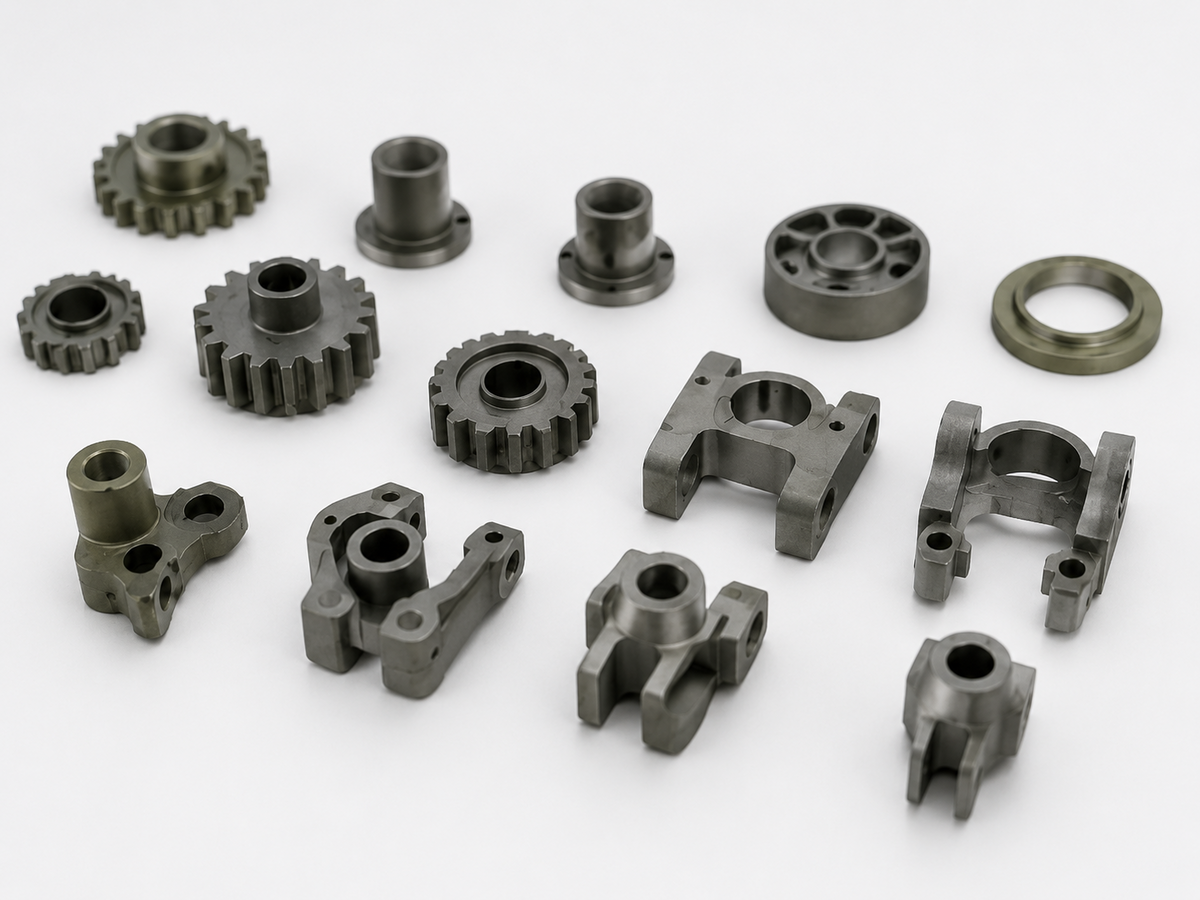
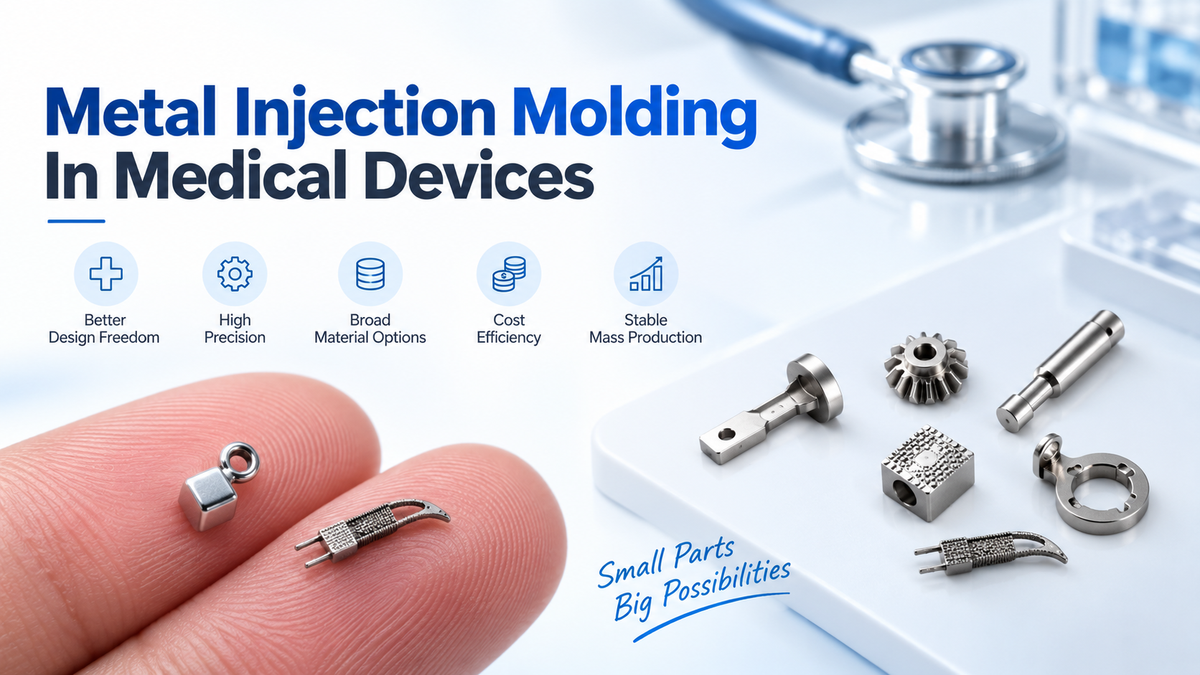
Medical devices: surgical instruments, small implant components, dental tools, and instrument handles.
-
Consumer electronics: smartphone brackets, camera modules, connectors, and small housings.
-
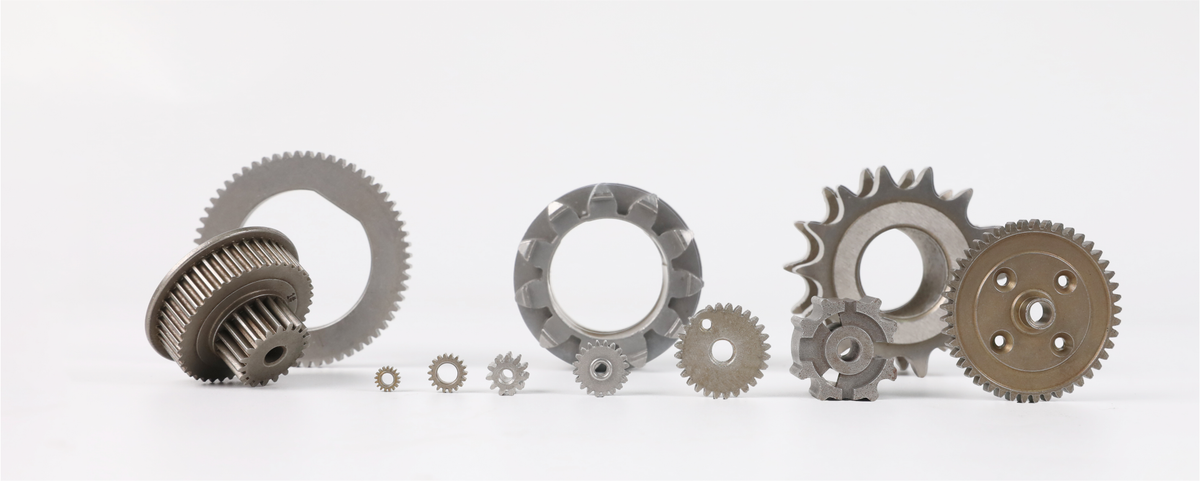
Automotive: small gears, sensor parts, fuel system components, and fasteners.
-
Watches and luxury goods: cases, bezels, clasps, and small decorative parts.
-
Industrial tools: small wear‑resistant inserts, gears, and fasteners.
If your part is smaller than a golf ball, has complex internal or multi‑direction features, and needs high mechanical strength, MIM is very likely a strong candidate.
MIM vs CNC vs Die Casting: Which One Should You Choose?
When people search for “MIM vs CNC”, “MIM vs die casting”, or “which process is better for small metal parts?”, they usually want a clear, practical comparison. Below is a simple table that highlights the main differences.
| Feature | MIM Technology | CNC Machining | Die Casting |
| Geometry complexity | Extremely high | Medium | Medium to high |
| Material range | Stainless steel, Ti, tool steel | Almost all metals | Mostly Al, Zn or other non‑ferrous |
| Dimensional tolerance | ±0.3% to ±0.5% | ±0.005mm (very tight) | ±0.1–0.3mm (varies by alloy) |
| Typical batch size | >5,000 parts/year | 1–500 parts/year | >10,000 parts/year |
| Best‑fit part size | Small, complex (0.1–50g) | Small to large, any geometry | Medium to large, simple to medium shape |
| Surface finish (Ra) | 0.8–1.6 μm | 0.4–3.2 μm | 1.6–3.2 μm |
From this table, you can see that MIM excels in high‑volume, small, complex metal parts, while CNC is better for low‑volume or very tight‑tolerance parts, and casting is better for larger, simpler components.
When MIM Wins
Use MIM when:
-
Your design is small, intricate, and needs high strength.
-
You plan high‑volume production (5,000+ units/year).
-
You’re using stainless steel, titanium, or tool steels that are expensive or hard to machine.
-
You want to reduce cost per part compared with CNC machining.
When CNC Is Better
CNC machining is usually the better choice if:
-
You only need small batches or prototypes (1–500 pcs).
-
Your part has very tight tolerances or special material requirements.
-
You expect frequent design changes and want to avoid mold investment.
When Casting Makes Sense
Casting (die casting or investment casting) is often better if:
-
Your parts are larger or medium‑sized.
-
The geometry is relatively simple.
-
You’re working with non‑ferrous metals like aluminum or zinc.
Design for MIM: Key Design Rules (DFM)
If you’re designing for metal injection molding, you have to follow good Design for Manufacturability (DFM) rules. Otherwise, you risk warping, cracking, or poor surface quality during sintering, which can increase scrap rates and cost.
Wall Thickness and Uniformity
Try to keep wall thickness as uniform as possible. A typical practical range is 1.0–3.0mm. Thick sections can lead to sink marks or internal voids because the center cools more slowly. Very thin walls (<0.5mm) may not fill properly during injection or can become fragile after sintering.
Draft Angles and Fillets
Add draft angles (at least 0.5°–1.0°) so the green part can be easily ejected from the mold. Avoid sharp corners. Instead, use fillets and radii to improve material flow and reduce stress concentration. These simple changes can dramatically improve part quality and reduce the risk of cracking.
Weight and Size Limits
MIM is optimized for small parts, not large castings. The sweet spot for weight is 0.1g–50g. Parts up to about 200–250g are possible, but for larger components, CNC machining or casting often becomes more cost‑effective because of the higher feedstock and tooling cost.
Designing within these ranges not only improves manufacturability but also gives you a better chance of achieving lower cost per part and stable quality in high‑volume production.
What Materials Can Be Made by MIM?
A big reason people search for “MIM technology” is because they work with hard‑to‑machine metals like titanium or stainless steel. MIM is especially attractive for these mim materials because it avoids long machining cycles and expensive tool wear.
Common MIM materials include:
-
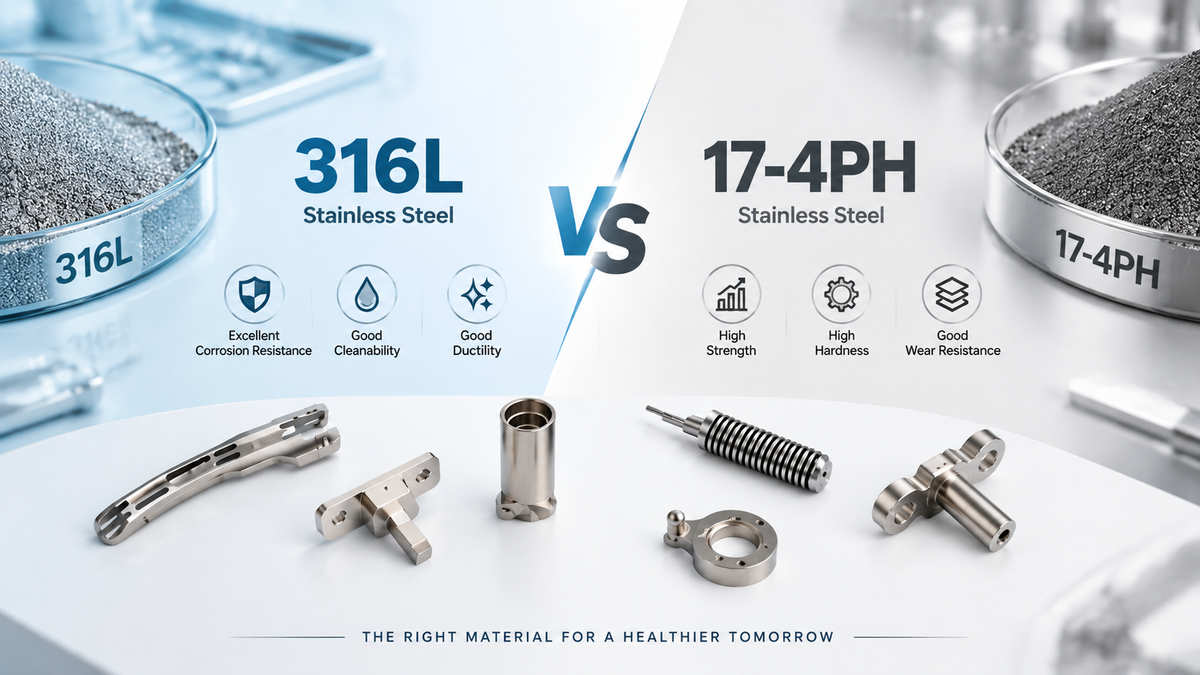
Stainless steel 316L – Excellent corrosion resistance, widely used for medical devices, watch cases, and consumer electronics.
-
17‑4PH stainless steel – High strength, good for surgical instruments, gears, and high‑stress components.
-
Titanium alloys (Ti‑6Al‑4V) – Lightweight and biocompatible, ideal for medical implants and aerospace fasteners.
-
Low alloy steels – Used for high‑strength structural components in automotive, tools, and industrial equipment.
-
Tungsten heavy alloys – High density, used for balance weights, vibration dampers, and radiation shielding.
If your part is made from one of these materials and is small, complex, and needed in high volume, MIM is very likely a strong candidate.
When Is MIM Cheaper Than CNC?
A very common question in search engines is: “MIM vs CNC: which is cheaper?” The answer depends mainly on volume and part complexity.
Upfront Tooling Cost
MIM requires steel molds, which usually cost between $3,000–$10,000, depending on size and complexity. CNC machining has no mold cost, but the machining time per part can be high, especially for complex geometries.
Break‑Even Point
For low‑volume production (under 2,000 pcs/year), CNC is usually cheaper because you don’t have to pay for molds. For high‑volume production (5,000+ pcs/year), the cost per unit of MIM drops quickly due to fast cycle times (about 15–30 seconds per shot). In many cases, MIM can reduce cost per part by 30–60% compared with CNC machining in high‑volume scenarios.
So, if you’re planning long‑run production of small metal parts, MIM is often the most cost‑effective solution, especially for complex stainless steel or titanium components.
Common Problems in MIM and How to Fix Them
Even if your design is good, MIM has some unique challenges. Here are the most common issues and how to avoid or solve them.
Controlling Shrinkage
MIM parts shrink about 15–20% during sintering. Because of this, mold cavities must be made larger than the final part, and designers must use scaling factors and simulation software to predict the final dimensions accurately. Good suppliers use precise scaling, stable sintering conditions, and tight process control to keep final tolerances within ±0.3%–0.5%.
Surface Finish and Post‑Processing
MIM naturally produces a good “as‑sintered” surface with Ra 0.8–1.6 μm. For aesthetic consumer products like watches or smartphone parts, extra finishing is often used:
-
Polishing to create smooth, shiny surfaces.
-
PVD coating to add color, hardness, and corrosion resistance.
-
Anodizing or plating for special finishes or branding.
These steps can improve both appearance and functional performance without changing the underlying geometry.
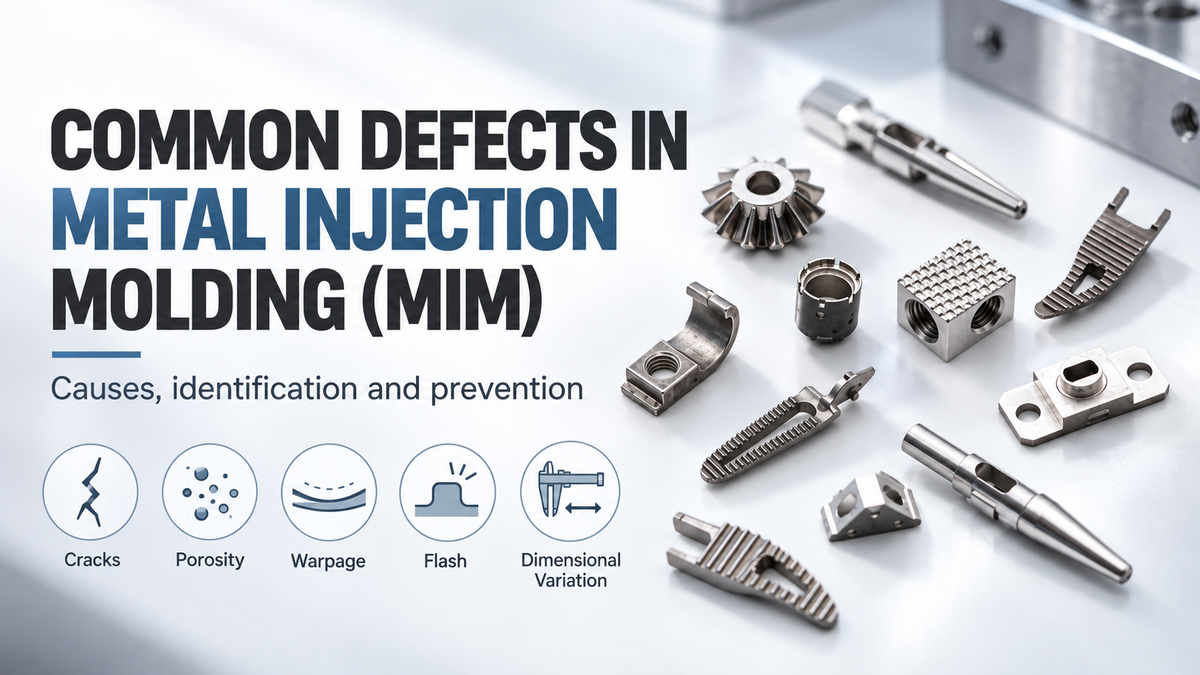
Warping and Distortion
Warping usually happens when there are uneven wall thicknesses, sharp corners, or poor binder removal. Good design (DFM), controlled debinding, and stable sintering conditions help minimize distortion. Regular process monitoring and part inspection are key to keeping yields high and scrap low.
Is MIM Technology Right for Your Part?
If you’re still asking “Is MIM right for me?”, here is a quick checklist to help you decide:
-
Your part is small — typically in the 0.1g–50g range.
-
The geometry is complex — with internal features, thin walls, or undercuts.
-
You need high mechanical strength and good dimensional accuracy.
-
You plan high‑volume production (usually 5,000+ units per year).
-
You’re using stainless steel, titanium, or tool steel.
If most of these points are true, MIM is very likely the best option for your application in 2026 and beyond.
How to Get Started with MIM
If you’re interested in MIM technology for small metal parts, here are the next steps you can take:
-
Send your CAD model to a MIM supplier for a quick review.
-
Ask for a cost comparison between MIM and CNC for your target volume.
-
Request DFM feedback — good suppliers will suggest small design changes that improve yield and reduce cost.
-
Order samples or prototypes before committing to full‑scale production.
Starting with a simple conversation and a few samples can help you understand whether MIM really fits your project — and how much you can save in the long run.
Partner with XY-GLOBAL: MIM Technology Excels
At XY-GLOBAL, backed by 15 years of MIM expertise and certified with ISO 9001 & ISO 13485, we deliver one-stop MIM service—from design and prototyping to mass production. Enjoy 0 MOQ flexibility, 3-day prototypes, and 7-day samples, plus up to 50+material options like stainless steel, titanium, and ceramics with tolerances down to ±0.001mm. Our advanced steel molding ensures high-precision medical micro parts, smooth finishes, and reliable quality, all faster and more cost-effective than industry standards.
Contact XY-GLOBAL today for a free MIM quote and see how we turn your precision parts vision into reality in record time!
Share:
2026 Top 10 Metal Injection Molding Companies: Global Guide
Ceramic Injection Molding Materials : How to Choose the Right Material