

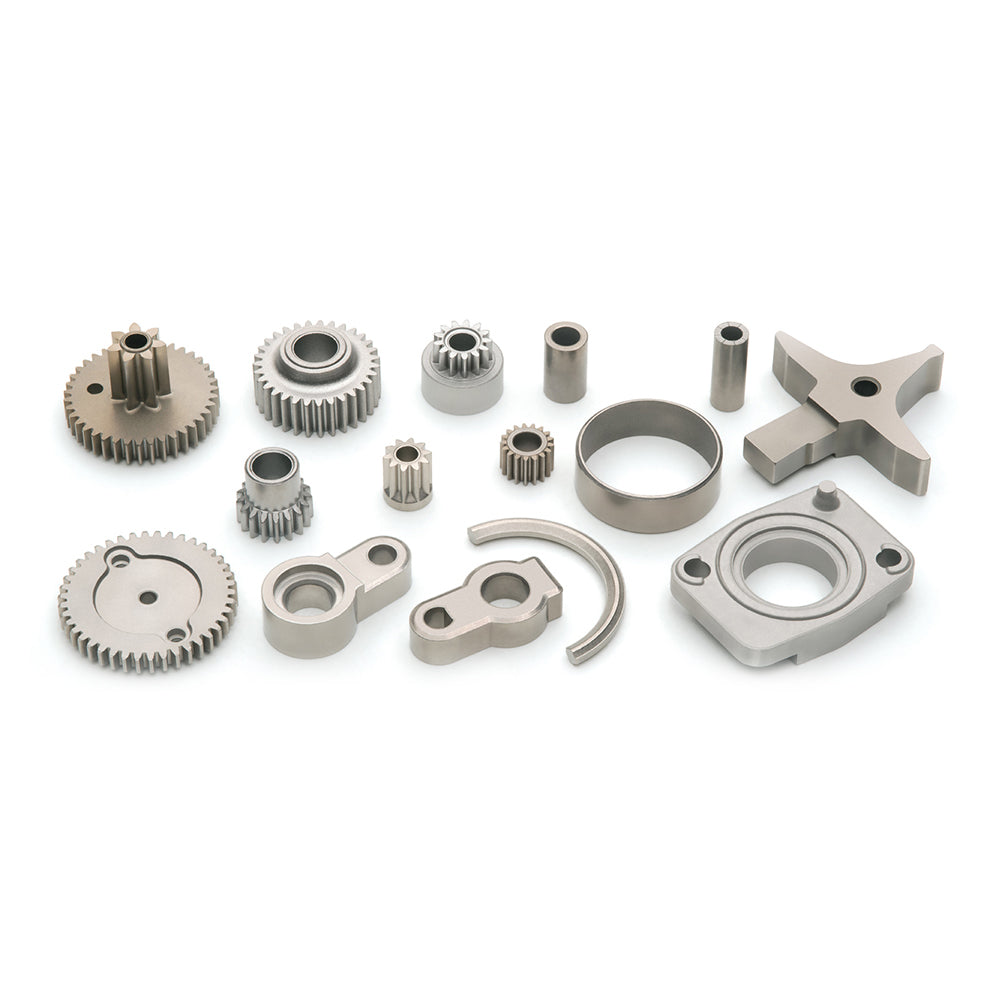
Quando una scintilla di innovazione si accende, la sfida definitiva per le imprese tecnologiche è colmare il divario tra «concetto» e «prodotto». La precisione, la scalabilità e l'efficienza dei costi dei componenti metallici complessi spesso formano un abisso che inghiotte le idee ambiziose prima che escano dal laboratorio. MIM (stampaggio a iniezione dei metalli) funge da ponte su questo abisso, sfruttando la precisione della forma quasi finita per sbloccare il potenziale illimitato della fabbricazione di metalli complessi.

In XY-Global, crediamo che un produttore di eccellenza debba essere sia un «paracadute» per la mitigazione dei rischi sia un «acceleratore» della crescita. Guidati dalla nostra missione di trasformare 99 startup tecnologiche in unicorni e dalla nostra visione di essere un partner affidabile per 101 anni, analizziamo in profondità il settore MIM. Con una precisione a livello di micron e una dedizione secolare, proteggiamo le imprese nelle fasi iniziali più vulnerabili. Questa guida illustra il nucleo tecnico, i sistemi di materiali e i criteri di selezione del metallo MIM, consentendo agli innovatori di passare senza soluzione di continuità dall'ispirazione alla produzione di massa.
I. Che cos'è il metallo MIM? Essenza e valore dello stampaggio a iniezione dei metalli
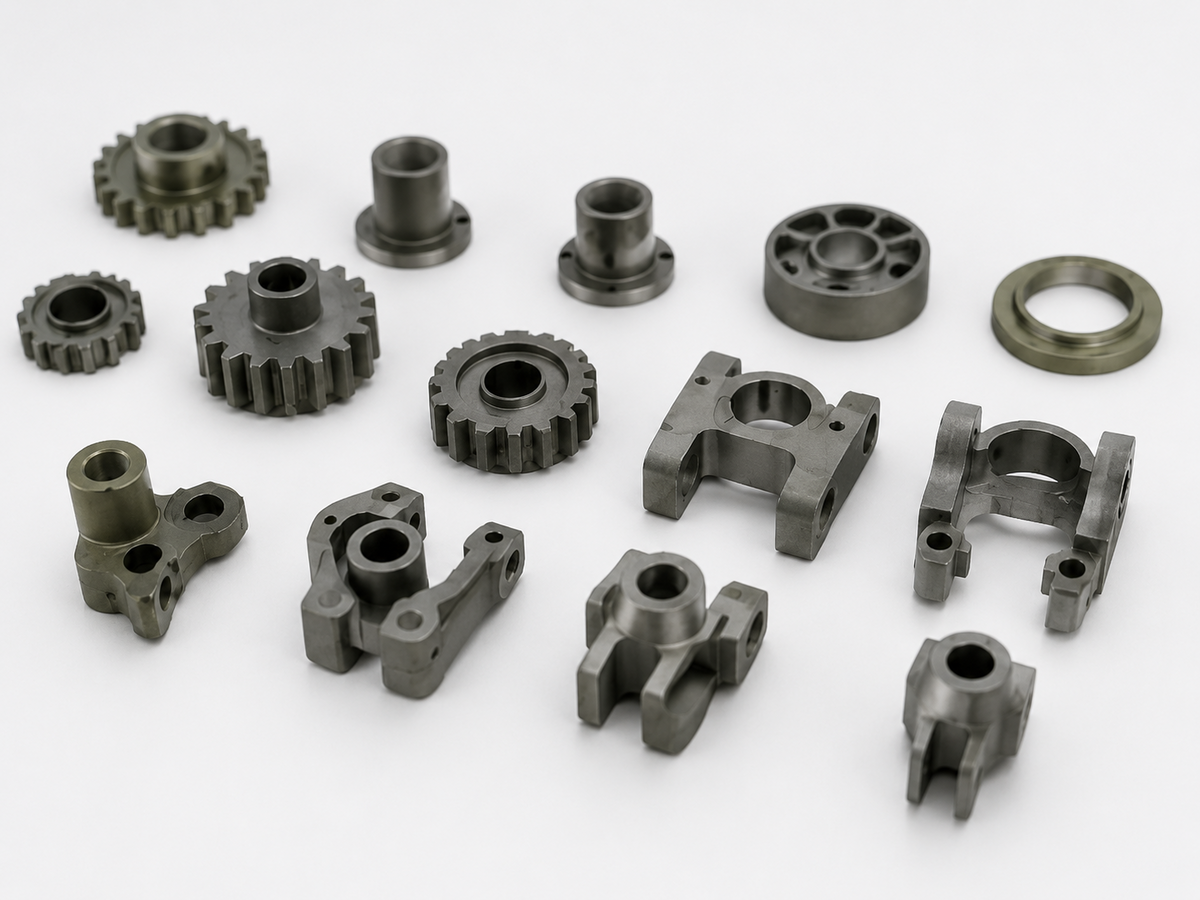
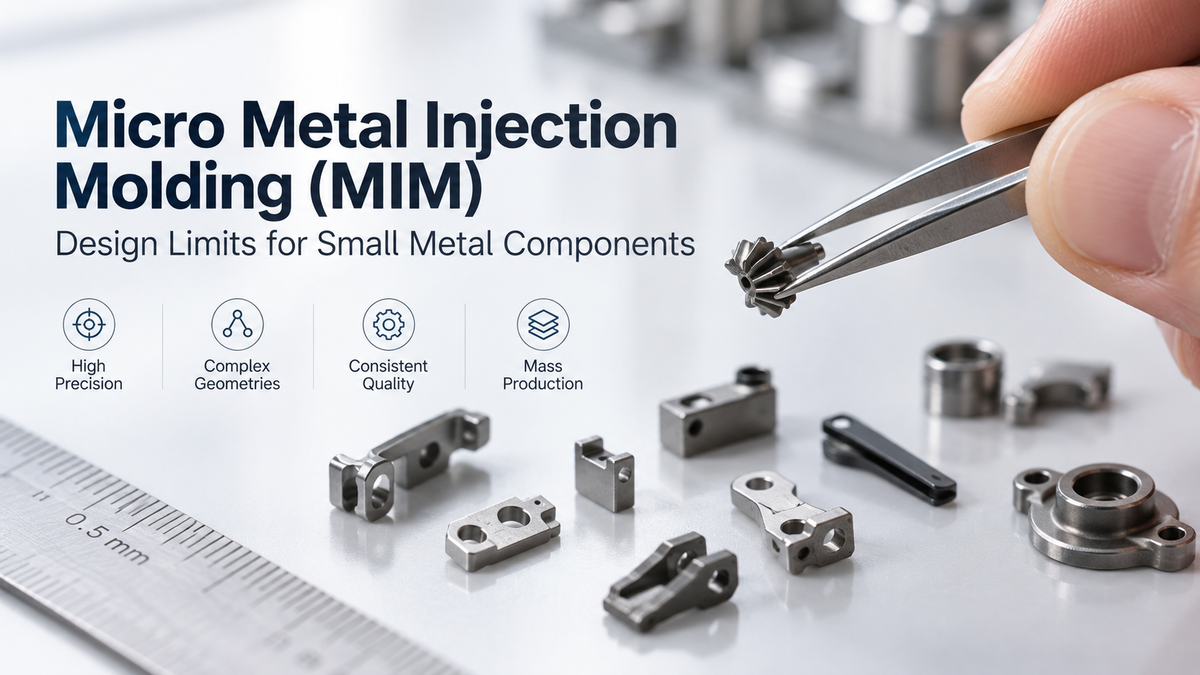
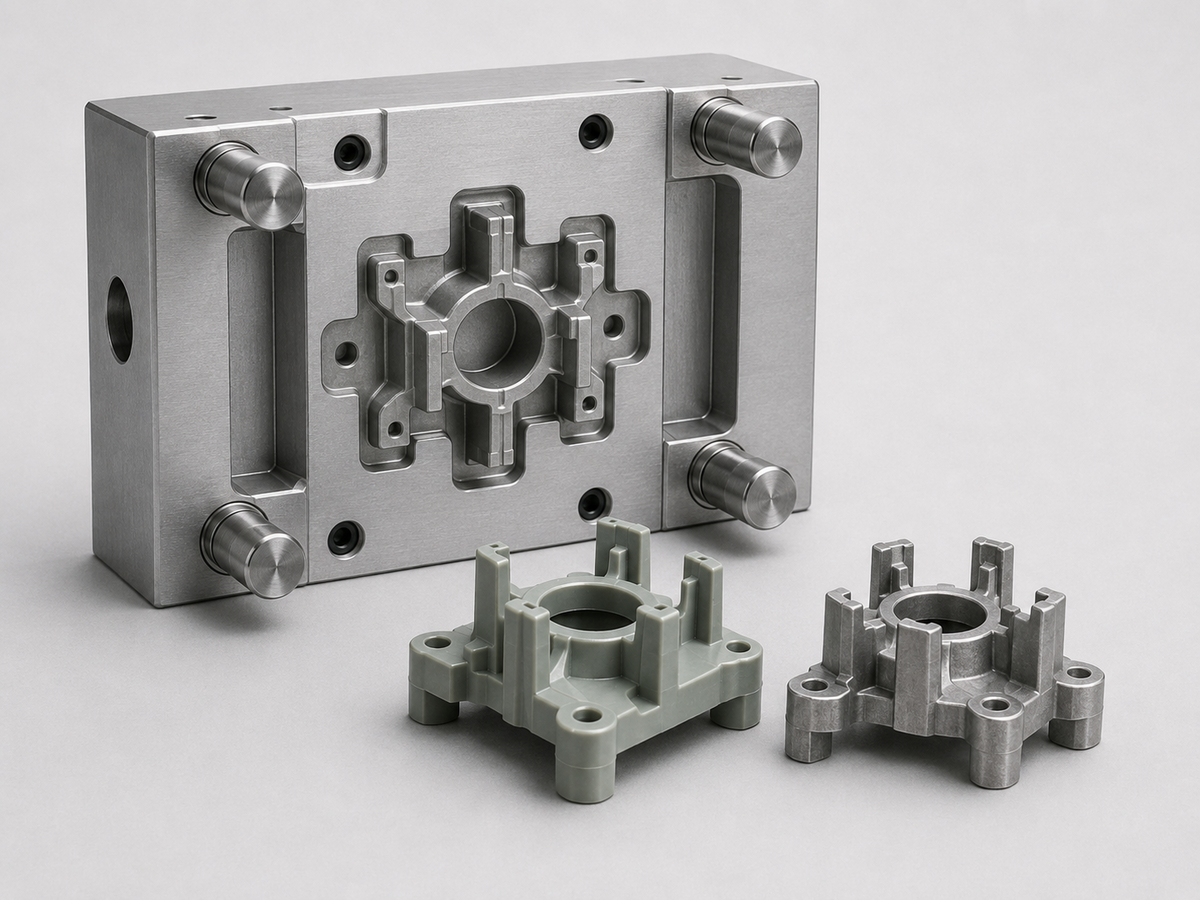
Metallo MIM (stampaggio a iniezione dei metalli) integra lo stampaggio a iniezione delle materie plastiche con la metallurgia delle polveri. Miscelando la polvere metallica con un legante per formare il feedstock, quindi mediante stampaggio a iniezione, rimozione del legante e sinterizzazione, produce componenti metallici ad alta densità e precisione, con forme complesse. In quanto tecnologia fondamentale per la produzione di metalli di precisione, il metallo MIM si allinea perfettamente alla tendenza alla «miniaturizzazione, precisione e integrazione» dei prodotti tecnologici, fungendo da elemento chiave per abilitare funzionalità tecnologiche avanzate.
1.1 Definizione tecnica e caratteristiche principali del metallo MIM
Dal punto di vista tecnico, il MIM è un processo di formatura quasi a forma finita. Il suo vantaggio principale consiste nella realizzazione in un unico passaggio di componenti metallici complessi, che richiedono lavorazioni successive minime o nulle. Rispetto ai processi tradizionali di lavorazione dei metalli (lavorazione meccanica, forgiatura, fusione), lo stampaggio a iniezione dei metalli offre vantaggi distintivi:
-
Elevata precisione e formatura complessa: lavorazione di componenti con cavità intricate, superfici curve e dettagli fini (precisione dimensionale: ±0,1%~±0,3%), in grado di soddisfare i requisiti dei componenti fondamentali delle tecnologie avanzate;
-
Ampia compatibilità dei materiali: funziona con acciaio inossidabile, lega di titanio, lega di alluminio, lega di rame e metallo duro, coprendo le diverse esigenze dei settori tecnologici;
-
Produzione di massa stabile: consente una produzione di massa automatizzata, controllando le variazioni dimensionali tra i lotti e riducendo i rischi per la qualità su larga scala;
-
Elevato utilizzo del materiale: la formatura quasi netta riduce al minimo gli sprechi (utilizzo ≥95%), abbattendo significativamente i costi rispetto alla lavorazione meccanica tradizionale (utilizzo del 30%~50%).
1.2 Differenze principali: MIM Metal e lavorazione tradizionale dei metalli
La tabella seguente evidenzia i vantaggi tecnici del MIM Metal confrontandolo con i processi tradizionali di lavorazione dei metalli:
|
Parametro di confronto
|
Stampaggio a iniezione di metallo
|
Lavorazione meccanica tradizionale
|
Processo di fusione
|
Processo di forgiatura
|
|
Capacità di lavorazione di strutture complesse
|
Elevata, consente la lavorazione di cavità interne complesse e dettagli minuti
|
Limitata, le strutture complesse richiedono l’unione di più processi
|
Media, le strutture complesse sono soggette a difetti
|
Limitata, adatta principalmente a strutture semplici a blocco e cilindriche
|
|
Precisione dimensionale
|
Elevata (±0,1%~±0,3%)
|
Elevata (±0,01%~±0,1%), ma dipende da molteplici processi di finitura
|
Bassa (±1%~±5%), richiede una successiva finitura
|
Media (±0,5%~±2%), richiede una successiva finitura
|
|
Tasso di utilizzo del materiale
|
≥95%
|
30%~50%
|
70%~80%
|
60%~70%
|
|
Efficienza della produzione di massa
|
Elevata, consente la produzione di massa automatizzata
|
Bassa, lavorazione a processo singolo, dipendente dalla programmazione manuale/CNC
|
Medio-alta, adatta alla produzione di massa ma con elevati costi degli stampi
|
Media, la produzione di massa richiede attrezzature di forgiatura dedicate
|
|
Fase del prodotto applicabile
|
Ricerca e sviluppo iniziale, test pilota, produzione di massa
|
Campioni di ricerca e sviluppo, personalizzazione in piccoli lotti
|
Produzione di massa (prodotti maturi)
|
Produzione di massa medio-grande (prodotti con elevati requisiti di resistenza)
|
Il confronto dimostra perfettamente che l’equilibrio del MIM Metal tra lavorazioni complesse, efficienza e convenienza economica risponde pienamente alle esigenze dell’intero ciclo delle startup, dalla ricerca e sviluppo alla produzione di massa, rendendolo un abilitatore produttivo fondamentale per l’innovazione. Guidata dalla filosofia complementare dei nostri «99 Unicorns», XY-Global individua i punti critici della transizione di processo delle startup e, sfruttando il Metal Injection Molding (MIM), costruisce un sistema di servizi completo, dalla fase di campionatura alla produzione di massa. Diamo priorità al supporto mirato dei team capaci di cambiare il mondo rispetto alla scala, evitando lacune tecniche nell’iterazione dei processi e incarnando il nostro valore di «moderazione e selezione».
II. Approfondimento tecnico: processo chiave e punti di controllo principali del MIM Metal
Il processo MIM può sembrare semplice, ma ogni fase richiede precisione: piccole variazioni nei parametri, nei rapporti dei materiali o nell'accuratezza delle apparecchiature possono compromettere la produzione. Per le startup, questa incertezza mette a rischio il successo dell'innovazione. Mantenendo il nostro impegno per la "fiducia centenaria", XY-Global integra il principio del "fare quel passo in più" in ogni processo, implementando uno rigoroso controllo qualità a ciclo completo per mitigare i rischi e garantire la costanza dei lotti. Di seguito analizziamo in dettaglio il processo fondamentale del Metal Injection Molding MIM e i relativi punti di controllo chiave, evidenziando come proteggiamo le innovazioni con una maestria secolare.

2.1 Processo fondamentale: dalla materia prima all'ispezione finale
-
Preparazione della materia prima: la base della tecnologia MIM, che prevede la miscelazione uniforme di polvere metallica (preferibilmente polvere sferica da 10~45μm) e legante (a base di paraffina, poliolefine o solubile in acqua). Le proprietà della polvere influiscono direttamente sulla densità e sulle prestazioni del prodotto. In XY-Global personalizziamo le formule dei leganti per i diversi materiali, così da garantire la costanza della materia prima e prevenire i difetti all'origine, in linea con la nostra dedizione a "fare quel passo in più".
-
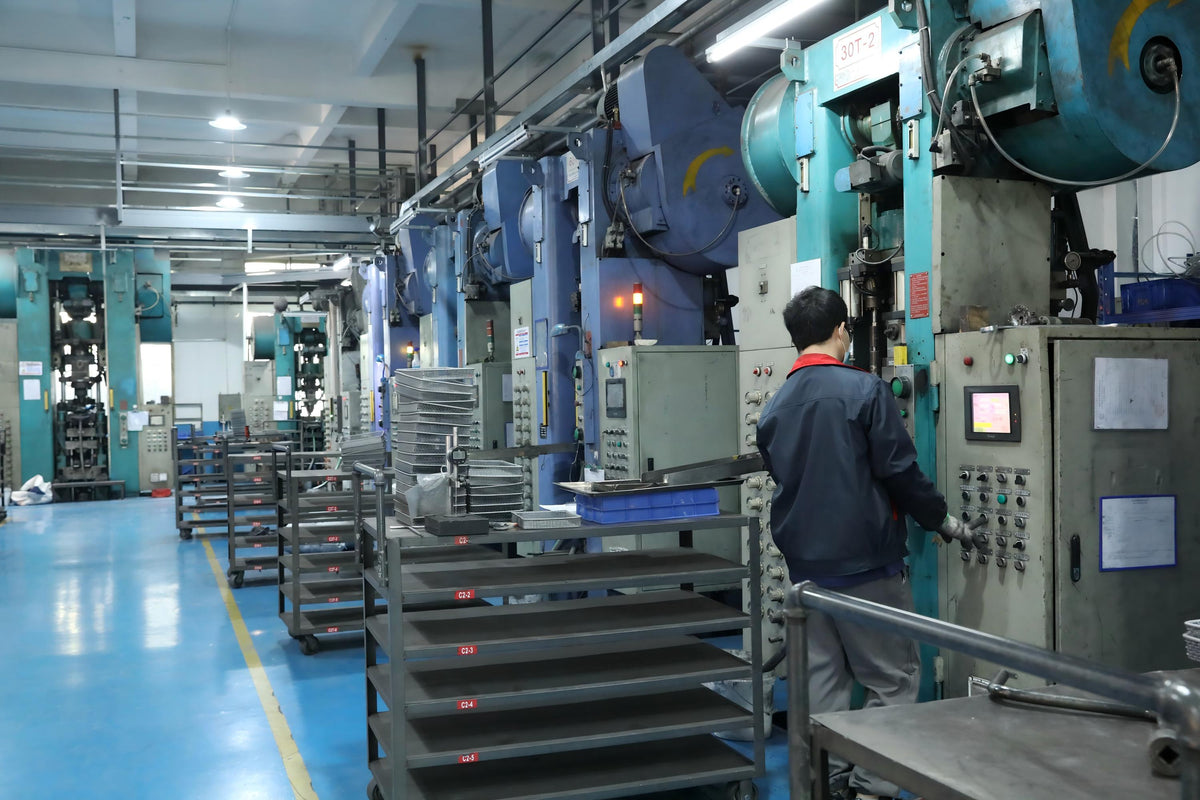
Stampaggio a iniezione: la materia prima viene iniettata in stampi di precisione (tolleranza ±0.005mm) a 130~200℃ e 50~200MPa, quindi raffreddata per formare i "pezzi verdi". Utilizziamo controlli automatizzati per temperatura, pressione e velocità, così da garantire l'uniformità dimensionale.
-
Rimozione del legante: il legante viene rimosso dai pezzi verdi (con metodi termici, a solvente o catalitici) per formare i "pezzi marroni". Selezioniamo i metodi ottimali di rimozione del legante in base alla struttura e ai materiali del prodotto, controllando temperatura e durata per evitare crepe o deformazioni, fattori critici per la resistenza del prodotto finale.
-
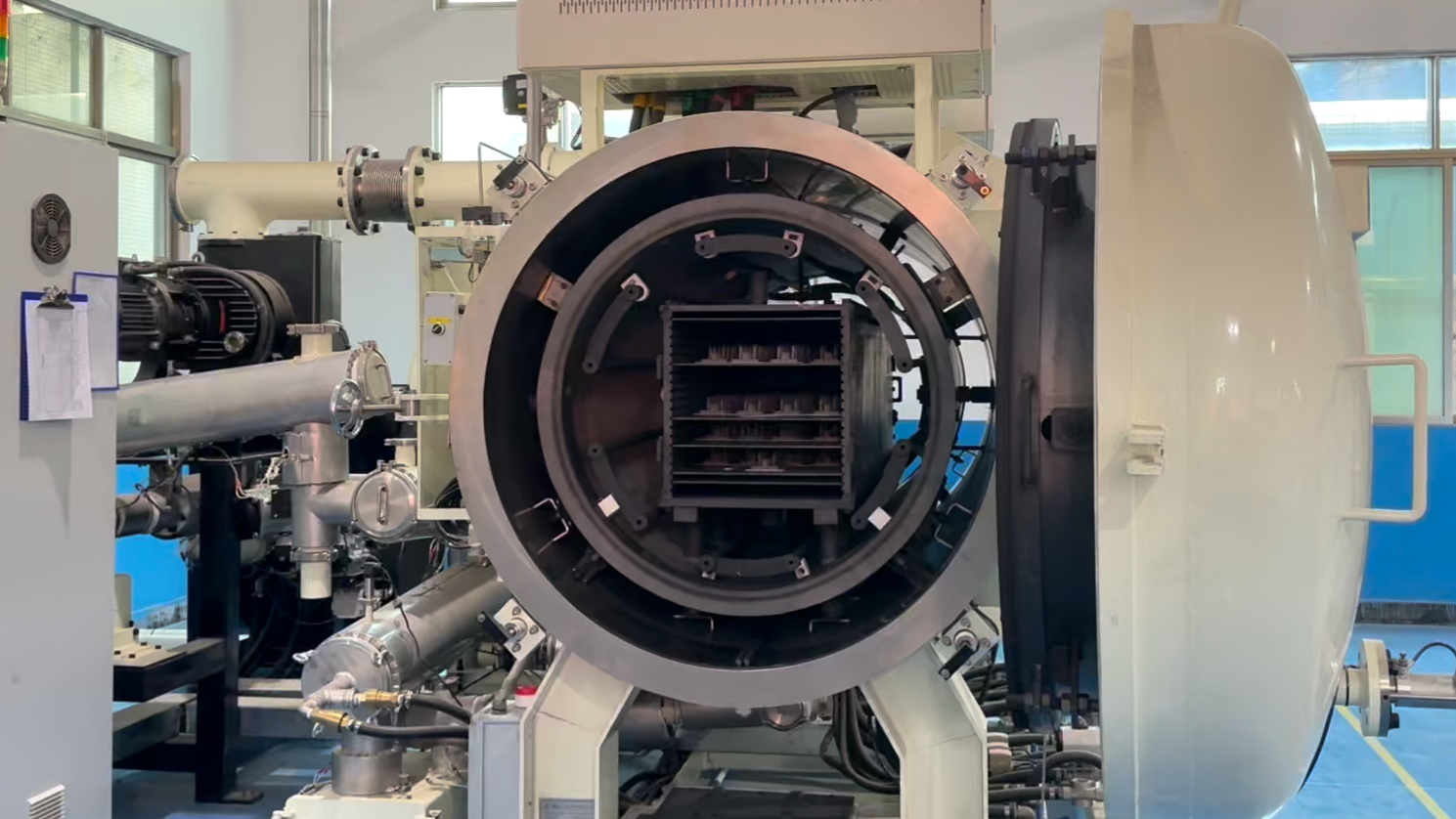
Sinterizzazione: i pezzi marroni vengono riscaldati al 70%~90% del punto di fusione del metallo in un'atmosfera protettiva o sotto vuoto, consentendo la densificazione della polvere fino a ottenere prodotti finiti ad alta densità. Utilizziamo forni di sinterizzazione ad alta precisione (fluttuazione della temperatura ±5℃) per garantire una densità ≥95% e soddisfare i requisiti delle proprietà meccaniche.
-
Post-lavorazione e ispezione: le operazioni opzionali di finitura, trattamento termico o finitura superficiale (galvanoplastica, verniciatura a spruzzo) vengono eseguite secondo necessità. Il nostro sistema di ispezione a ciclo completo garantisce la qualità, mantenendo il nostro impegno a "non scendere a compromessi sulla qualità a breve termine".
2.2 Punti di controllo chiave: fattori che determinano la qualità del metallo MIM
Quattro fattori fondamentali determinano la qualità del metallo MIM, elemento centrale della pratica di "fiducia centenaria" di XY-Global. Comprendiamo che la stabilità della qualità è fondamentale per la credibilità sul mercato delle startup, quindi perfezioniamo ogni punto di controllo con una gestione standardizzata e precisa, per gettare solide basi per prodotti innovativi:
-
Proprietà delle polveri metalliche: dimensione delle particelle, morfologia, purezza e fluidità influiscono sulla formabilità del feedstock e sulla densità del prodotto. XY-Global si approvvigiona di polveri globali di alta qualità e attua rigorosi controlli in accettazione.
-
Formula del legante e miscelazione: rapporti inadeguati o una miscelazione non uniforme causano difetti. Il nostro team professionale di ricerca e sviluppo personalizza i leganti e utilizza miscelatori bivite per garantire l'uniformità.
-
Precisione dello stampo e parametri di iniezione: una precisione insufficiente dello stampo o oscillazioni dei parametri influiscono sulle dimensioni e sulla densità. XY-Global investe molto nella ricerca e sviluppo degli stampi e nell'aggiornamento delle apparecchiature per garantire la stabilità.
-
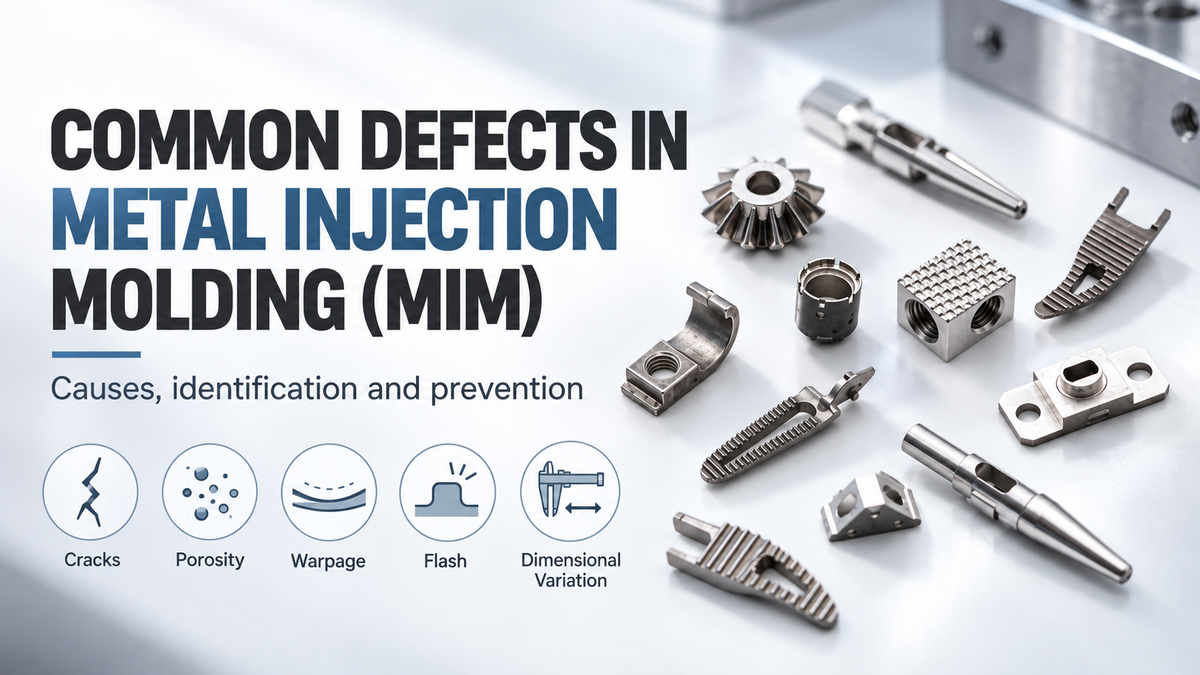
Compatibilità della rimozione del legante e della sinterizzazione: una rimozione incompleta del legante o parametri di sinterizzazione inadeguati causano pori, crepe o deformazioni. Il nostro database dei processi garantisce un preciso abbinamento dei parametri per materiali e strutture diversi.
III. Sistemi di materiali: metalli compatibili con il MIM e guida alla selezione
I materiali sono la spina dorsale delle prestazioni dello stampaggio a iniezione dei metalli. La sua ampia compatibilità con i materiali consente di ottenere proprietà meccaniche diverse, adatte alle svariate esigenze dell'innovazione tecnologica. Per le startup, scegliere il materiale giusto garantisce la funzionalità e consente di controllare i costi di R&S e della produzione di massa: un passaggio fondamentale per il successo dell'innovazione. In linea con la nostra missione "99 Unicorns", XY-Global offre un supporto completo, dalla selezione dei materiali allo sviluppo personalizzato. Di seguito è riportata una panoramica concisa dei materiali MIM comuni, delle loro proprietà e delle linee guida per la selezione basate sulla nostra esperienza di servizio.
3.1 Materiali MIM comuni e caratteristiche prestazionali
|
Tipo di materiale
|
Materiali rappresentativi
|
Caratteristiche prestazionali principali
|
Scenari applicativi
|
|
Acciaio inossidabile
|
316L, 304, 430L
|
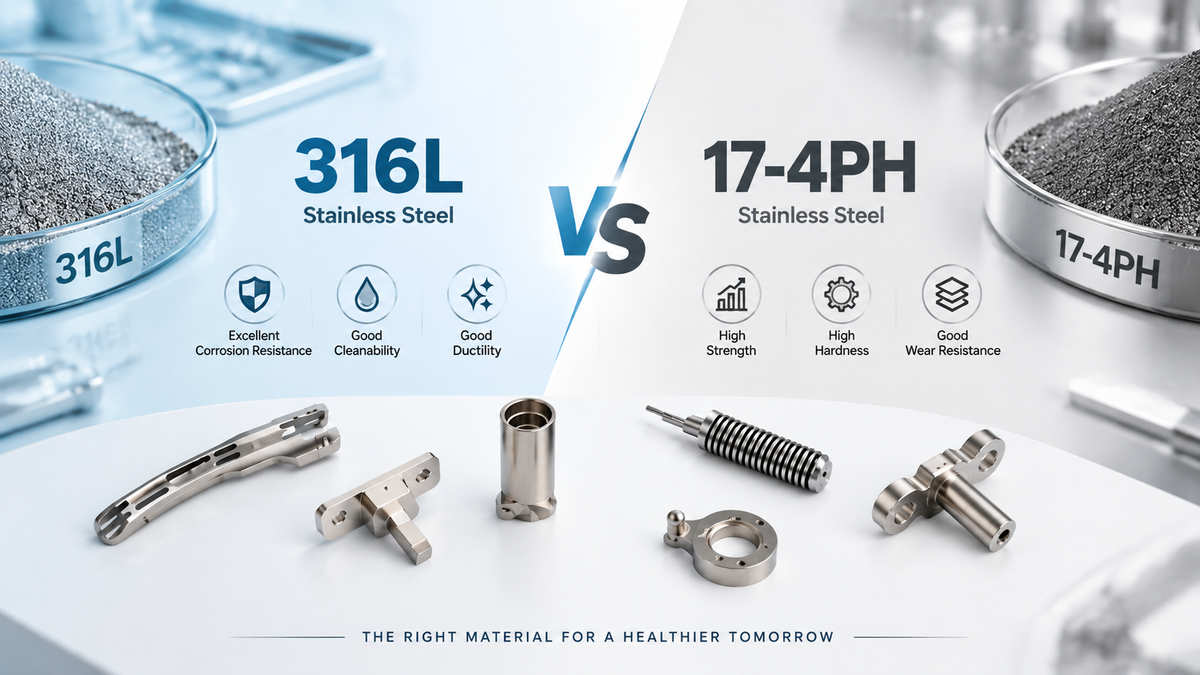
Resistenza alla corrosione, resistenza all'ossidazione, proprietà meccaniche equilibrate, buona lavorabilità
|
Elettronica di consumo, dispositivi medici, parti automobilistiche, apparecchiature industriali
|
|
Lega di titanio
|
Ti-6Al-4V, titanio puro
|
Elevata resistenza, bassa densità, buona biocompatibilità, resistenza alla corrosione
|
Dispositivi medici (impianti), settore aerospaziale, attrezzature sportive di alta gamma
|
|
Lega di alluminio
|
Serie Al-Si, serie Al-Mg
|
Leggerezza, buona conducibilità termica, buona conducibilità elettrica, basso costo
|
Elettronica di consumo (componenti per la dissipazione del calore), parti automobilistiche, apparecchiature di comunicazione
|
|
Lega di rame
|
Cu-Ni-Si, ottone, bronzo
|
Elevata conducibilità elettrica, elevata conducibilità termica, buona resistenza all'usura
|
Connettori elettronici, componenti per la dissipazione del calore, strumenti di precisione
|
|
Carburo cementato
|
Serie WC-Co
|
Elevata durezza, elevata resistenza all'usura, elevata resistenza alle alte temperature
|
Utensili da taglio, stampi, componenti resistenti all'usura
|
3.2 Principi fondamentali per la selezione dei materiali MIM
Nella scelta dei materiali per la tecnologia MIM, le startup dovrebbero considerare la funzione del prodotto, l'ambiente di utilizzo e i costi. I tre principi fondamentali di XY-Global semplificano una scelta accurata:
-
La funzione prima di tutto: scegliere i materiali in base ai requisiti fondamentali (ad esempio, acciaio inossidabile o lega di titanio per la resistenza alla corrosione, lega di alluminio per la leggerezza, lega di rame per la conducibilità). Gli impianti medicali, ad esempio, utilizzano Ti-6Al-4V biocompatibile.
-
Adattamento all'ambiente: selezionare i materiali in base alle condizioni operative (ad esempio, carburo cementato o superlega per le alte temperature, acciaio inossidabile per ambienti umidi o acidi e alcalini).
-
Equilibrio dei costi: ottimizzare i costi senza compromettere le prestazioni. In base al budget, raccomandiamo alternative convenienti (ad esempio, l'acciaio inossidabile al posto della lega di titanio quando possibile).
In particolare, diamo priorità al «promuovere l'innovazione tecnologica» offrendo un supporto esclusivo di ricerca e sviluppo dei materiali per le esigenze personalizzate delle startup. Per i prodotti innovativi che richiedono materiali speciali, il nostro team di ricerca e sviluppo collabora dall'inizio alla fine, dalla progettazione della formulazione all'adattamento del processo, superando le barriere tecniche. Questa «ricerca e sviluppo affiancata» incarna il nostro ruolo di «acceleratore»: non siamo semplici utilizzatori di materiali, ma partner dell'innovazione, che alimentano la crescita di 99 unicorni tecnologici attraverso svolte tecnologiche nel campo dei materiali.
IV. Applicazioni: settori chiave e prodotti valorizzati dal metallo MIM
L'ambito di applicazione del metallo MIM si amplia con i progressi tecnologici: dall'innovazione leggera dell'elettronica di consumo alle funzioni salvavita dei dispositivi medici, dall'elettrificazione automobilistica alla precisione aerospaziale. In linea con la nostra missione «99 Unicorns», XY-Global si concentra sui settori chiave, convogliando la propria esperienza nel MIM verso aree di innovazione ad alto valore per promuovere svolte nel mercato. Di seguito sono riportati quattro settori chiave, con evidenza del valore del MIM e delle pratiche di servizio di XY-Global.
4.1 Elettronica di consumo: miniaturizzazione e precisione
Il MIM è ampiamente utilizzato nell'elettronica di consumo, dove le tendenze verso prodotti «sottili, leggeri, compatti e ad alte prestazioni» alimentano la domanda di componenti di precisione. La sua capacità integrata di realizzare forme complesse soddisfa le esigenze della progettazione dei prodotti. Le applicazioni tipiche includono:
-
Dispositivi mobili: staffe per fotocamere, telai intermedi, pulsanti, vassoi SIM, connettori RF, rotori per motori;
-
Dispositivi indossabili: custodie per smartwatch, connettori per cinturini, alloggiamenti per auricolari, involucri per sensori;
-
Altri componenti elettronici: cerniere per laptop, ingranaggi per stampanti, componenti RF per router.
Ci impegniamo a collaborare con i nostri clienti del settore dell'elettronica di consumo durante l'intero percorso di crescita. Ad esempio, forniamo roadmap di produzione personalizzate progettate per guidarli nella delicata transizione dai "test su piccoli lotti" alla "produzione di massa globale". Sfruttando la tecnologia degli stampi rapidi, riduciamo significativamente le barriere iniziali alla ricerca e sviluppo. Nei nostri flussi di lavoro MIM ottimizzati, è comune ottenere un aumento dell'efficienza produttiva del 50% e una riduzione dei costi unitari fino al 30%, facilitando una transizione rapida e fluida dal prototipo al mercato. Questo modello "on demand" riflette perfettamente la nostra filosofia di "moderazione e selezione", dedicando le nostre risorse di precisione per sostenere i veri innovatori
4.2 Dispositivi medici: soddisfare elevati standard di affidabilità e biocompatibilità
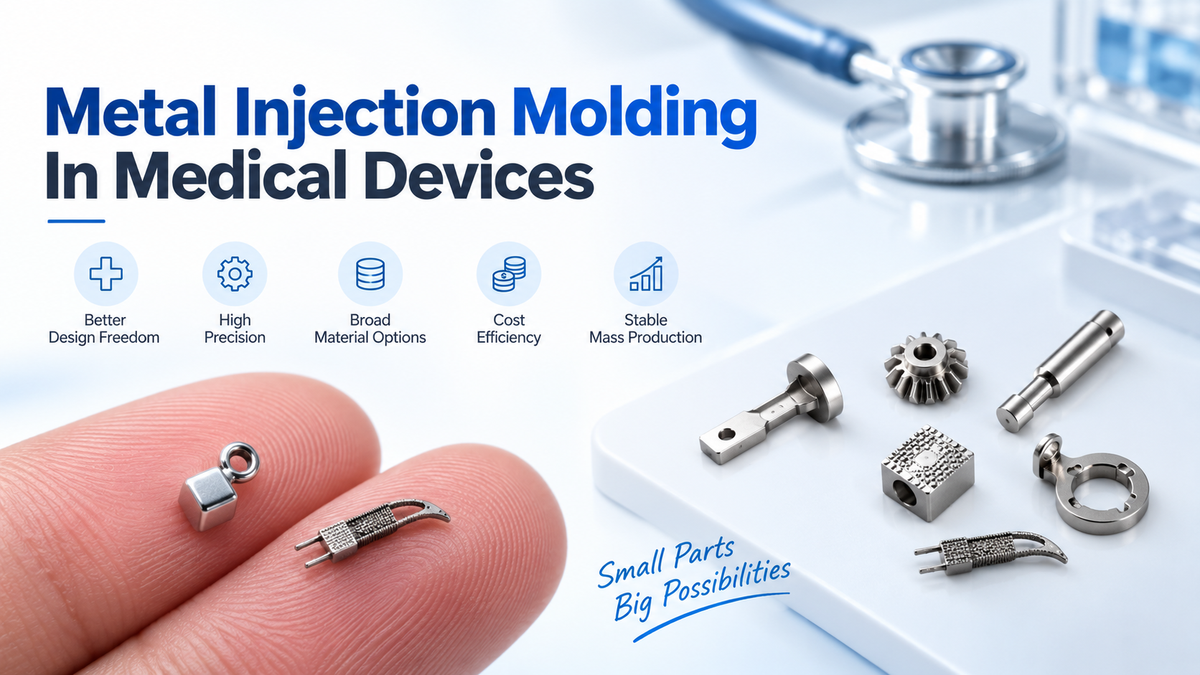
I dispositivi medici richiedono precisione, affidabilità e biocompatibilità estreme: standard che il MIM Metal soddisfa, rendendolo una tecnologia di produzione fondamentale. Le applicazioni tipiche includono:
-
Impiantabili: articolazioni artificiali, viti ossee, stent, impianti dentali (principalmente in lega di titanio biocompatibile);
-
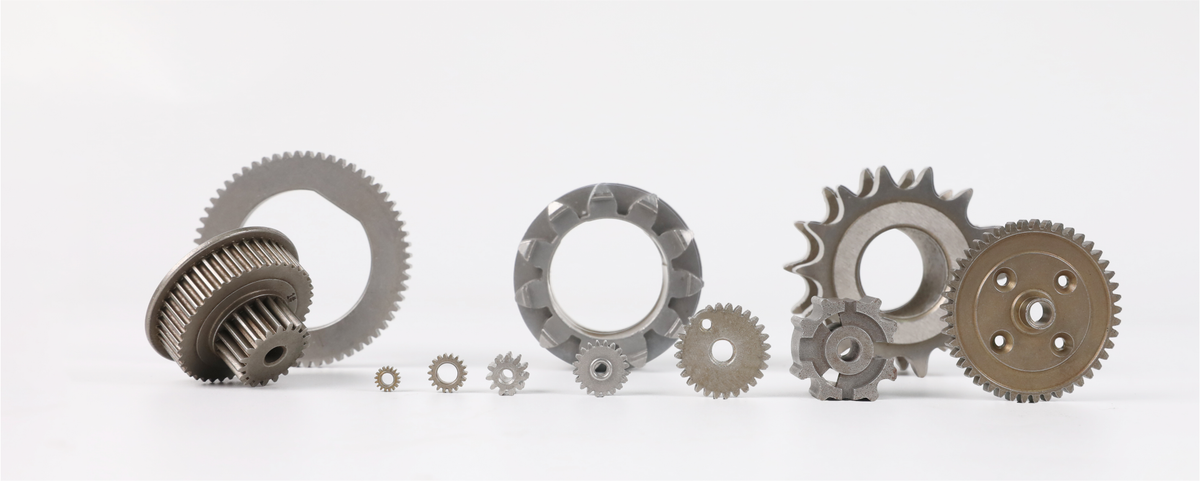
Apparecchiature medicali: strumenti chirurgici, componenti per endoscopi, ingranaggi, alloggiamenti per sensori;
-
Diagnostica: componenti per TAC, sonde per misuratori della glicemia, componenti per analizzatori biochimici.
L'innovazione medica è fondamentale per la vita e richiede una qualità priva di difetti. Fedele alla nostra filosofia di "fiducia da 101 anni", XY-Global aderisce agli standard ISO 13485 e ISO 9001:2015, sottoponendo ogni lotto MIM a rigorosi test di biocompatibilità e sterilizzazione. Ad esempio, abbiamo utilizzato Ti-6Al-4V biocompatibile per produrre viti ossee personalizzate con precisione delle filettature a livello micrometrico. Ottimizzando il processo di sinterizzazione, abbiamo garantito la piena conformità agli standard meccanici globali, aprendo la strada al successo degli studi clinici. Questa dedizione alla qualità rappresenta la nostra garanzia centenaria di affidabilità, riducendo i costi decisionali per gli innovatori del settore medico.
4.3 Settore automobilistico: promuovere le tendenze verso leggerezza e alte prestazioni
L'elettrificazione, l'intelligenza e la leggerezza del settore automobilistico alimentano la domanda di componenti metallici avanzati. Il MIM Metal consente di realizzare componenti integrati e leggeri con prestazioni migliorate. Le applicazioni tipiche includono:
-
Veicoli a nuova energia: staffe per batterie, rotori di motori, componenti di precisione per ECU;
-
Veicoli tradizionali: guide delle valvole del motore, iniettori del carburante, ingranaggi della trasmissione, componenti dei freni;
-
ADAS: supporti per radar, alloggiamenti per telecamere, componenti per sensori di guida autonoma.
Le startup automobilistiche affrontano spesso la sfida di una "rapida innovazione e una produzione di massa debole". In qualità di "acceleratore", forniamo soluzioni MIM leggere e personalizzate, rispettando la nostra filosofia di "accompagnare la crescita".
4.4 Aerospaziale e difesa: soddisfare requisiti di elevata affidabilità e resistenza alle alte temperature
I settori aerospaziale e della difesa richiedono affidabilità estrema, resistenza alle alte temperature e alla corrosione: requisiti che il metallo MIM soddisfa grazie alla lavorazione di superleghe e leghe di titanio. Le applicazioni tipiche includono:
-
Aerospaziale: pale di motori, componenti dei sistemi di alimentazione, componenti di navigazione, strutture per UAV;
-
Difesa: componenti di precisione per missili, componenti radar, componenti per armi da fuoco.
L’innovazione aerospaziale non tollera alcun difetto di qualità. Guidata dalla nostra filosofia della "fiducia lunga 101 anni", XY-Global sta perfezionando strategicamente un sistema di gestione della qualità di livello aeronautico, pronta a fornire componenti MIM ad alta affidabilità che superano le barriere tecniche. Comprendiamo che le startup aerospaziali hanno bisogno di più che semplici componenti: hanno bisogno di un partner resiliente e a lungo termine per la catena di fornitura, con cui co-innovare il futuro.
V. Sfide delle startup nella scelta del MIM e soluzioni di XY-Global
Per le startup innovative, scegliere il metallo MIM significa selezionare un partner per la crescita. L’adeguatezza tecnologica, il controllo dei costi, la stabilità della produzione di massa e il supporto a lungo termine per la R&D determinano direttamente il successo dell’innovazione. Consapevoli della fragilità e dell’incertezza delle startup, noi di XY-Global costruiamo un sistema di soluzioni completo, dall’inizio alla fine, basato sulla nostra missione "99 Unicorns" e sulla visione di una "fiducia lunga 101 anni", affrontando i punti critici principali come "partner affidabile". Di seguito sono riportate le principali sfide e le nostre soluzioni personalizzate:
5.1 Sfida 1: il MIM è adatto alle esigenze dell’innovazione di prodotto?
I prodotti delle startup presentano spesso design innovativi che vanno oltre la produzione tradizionale. Come verificare la compatibilità con la tecnologia MIM?
La nostra soluzione: valutazioni gratuite della fattibilità tecnica. Fornite disegni 3D e requisiti funzionali e il nostro team fornirà una valutazione entro 24 ore, con ottimizzazioni progettuali. Per le innovazioni complesse, produciamo campioni per la convalida. Ad esempio, abbiamo aiutato una startup a realizzare un micro-sensore complesso e miniaturizzato tramite MIM, rendendo possibile una produzione di massa altrimenti irrealizzabile con i metodi tradizionali.
5.2 Sfida 2: controllo dei costi di R&D e della produzione di massa
I vincoli di finanziamento nelle fasi iniziali rendono il controllo dei costi una priorità per le startup.
La nostra soluzione: ottimizzazione graduale dei costi. ① Fase di ricerca e sviluppo: il campionamento a basso costo con stampi rapidi riduce i costi iniziali; il nostro database dei processi accelera l’ottimizzazione dei parametri e abbrevia i cicli. ② Fase di produzione di massa: le apparecchiature automatizzate aumentano l’efficienza; i rapporti ottimizzati dei materiali riducono gli sprechi; una definizione dei prezzi progressiva si adatta alle dimensioni della produzione. Offriamo inoltre consulenza gratuita per la riduzione dei costi (sostituzione dei materiali, semplificazione della struttura) per tagliare i costi senza compromettere le prestazioni, riflettendo la nostra visione di lungo periodo basata sul "non perseguire guadagni a breve termine" e permettendo alle startup di concentrarsi sull’innovazione.
5.3 Sfida 3: garantire la stabilità e la qualità della produzione di massa
Il passaggio dai campioni alla produzione di massa comporta difficoltà nel mantenere la stabilità della qualità.
La nostra soluzione: la qualità è alla base della nostra filosofia della "fiducia di 101 anni". Il nostro sistema di qualità a ciclo completo copre le materie prime (rigorose ispezioni dei fornitori globali), i processi (monitoraggio automatizzato in tempo reale dei parametri) e i prodotti finiti (test multidimensionali: dimensionali, meccanici e metallografici). Un team qualità dedicato, attivo 24 ore su 24 e 7 giorni su 7, risolve rapidamente i problemi. Garantiamo la coerenza tra i lotti: la nostra garanzia reputazionale riduce i costi di fiducia nel mercato per le startup.
5.4 Sfida 4: garantire un supporto a lungo termine alla ricerca e sviluppo
L’iterazione continua del prodotto richiede un supporto costante alla ricerca e sviluppo da parte dei fornitori.
La nostra soluzione: l’innovazione prospera grazie al supporto a lungo termine. Assegniamo team tecnici dedicati a ogni startup, offrendo un accompagnamento individuale durante ogni iterazione, con ottimizzazione della struttura, aggiornamenti dei materiali e miglioramenti dei processi. Il nostro centro di ricerca e sviluppo è all’avanguardia nello sviluppo di nuovi materiali e processi, fornendo soluzioni lungimiranti. Crediamo che i veri partner sostengano le startup nei momenti di difficoltà: questo è il fulcro della nostra missione dei "99 unicorni", con cui alimentiamo l’innovazione grazie alla nostra competenza tecnica.
VI. Conclusione: metallo MIM—potenzia la tua innovazione con la precisione MIM e una fiducia secolare
Il valore fondamentale del metallo MIM risiede nella capacità di favorire l’innovazione tecnologica, trasformando l’ispirazione in realtà. La missione di XY-Global è rendere questo supporto stabile, preciso e concreto. Ogni fase MIM richiede "impegno extra", ogni scelta dei materiali "profonda riflessione", ogni applicazione "adattamento su misura"—in linea con la nostra visione di lungo periodo fondata sulla "fiducia di 101 anni" e permettendoci di realizzare la nostra missione dei "99 unicorni" attraverso la tecnologia MIM.
In qualità di "paracadute e booster dell’innovazione", XY-Global è più di un fornitore MIM: è un partner per la crescita delle startup. Proiettati verso il futuro, saremo sempre pronti ad aiutarti a superare le barriere produttive, trasformando ogni ispirazione in una forza capace di cambiare il mondo.
La tua prossima svolta è ancora in attesa del partner produttivo giusto che la trasformi in realtà? Perché accontentarsi di un fornitore quando con noi puoi avere un "Booster" per la tua visione? Costruiamo insieme la tua eredità di 101 anni, partendo da un singolo componente di precisione.
Condividi:
La guida definitiva alla produzione di metallo in polvere: processo, vantaggi e applicazioni
Perché la ceramica medicale è importante: spiegazione delle ceramiche tecniche, della lavorazione meccanica di precisione e dello stampaggio a iniezione