

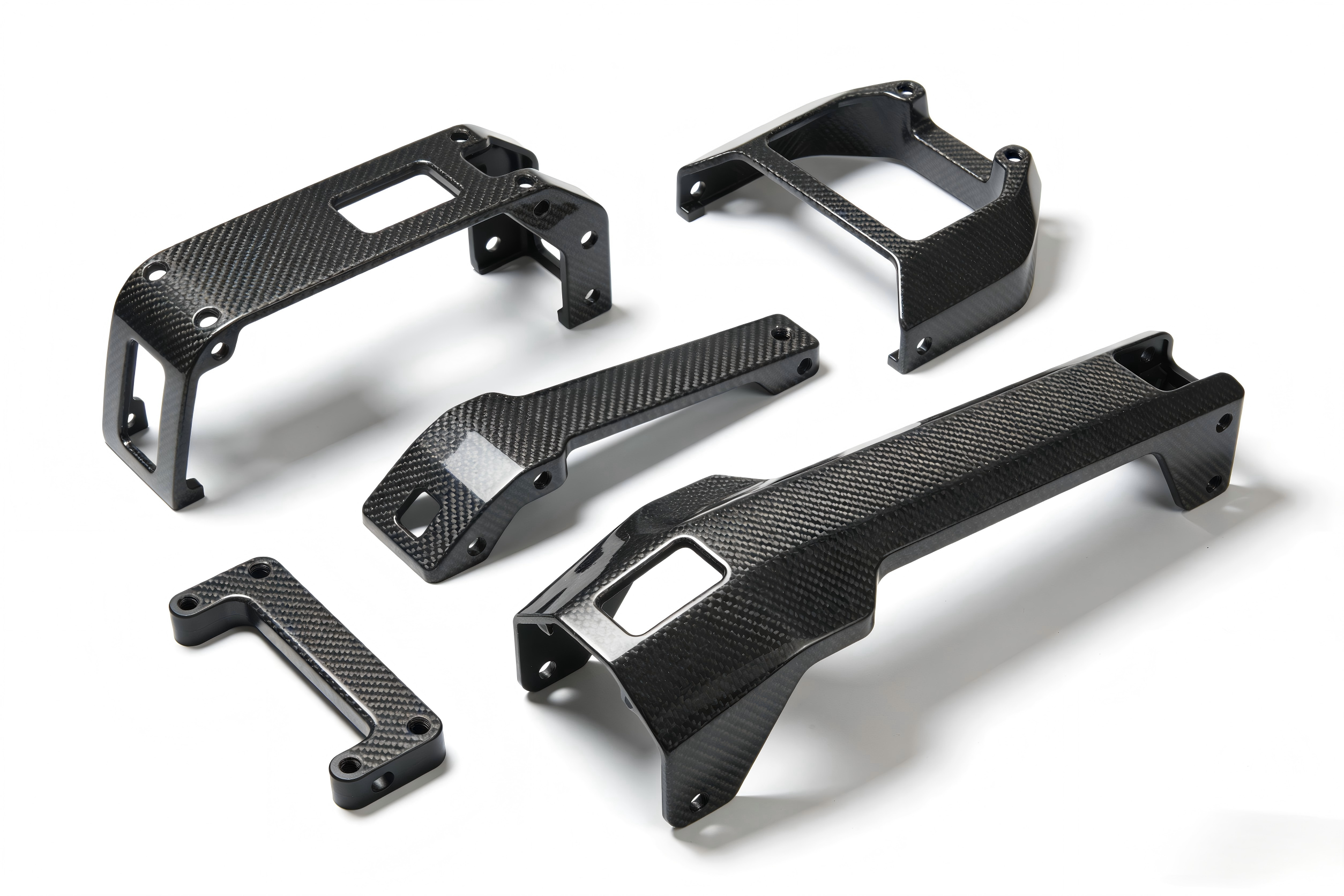
Con l'evoluzione di settori come quello aerospaziale, automobilistico e dell'elettronica di fascia alta, la ricerca di materiali che combinino proprietà ultraleggere e resistenza eccezionale ha raggiunto un punto di svolta cruciale. Lo stampaggio a iniezione della fibra di carbonio (noto anche come stampaggio a iniezione del CFRP) è emerso come la soluzione definitiva, colmando il divario tra le prestazioni meccaniche del metallo e la flessibilità progettuale delle materie plastiche.
Presso XY-GLOBAL, non ci limitiamo a "stampare" i componenti: ne progettiamo le prestazioni. Siamo specializzati nella trasformazione di questi materiali avanzati in componenti ad alta precisione. Che stiate valutando materie plastiche rinforzate con fibra di carbonio per ridurre il peso o cercando un partner produttivo in grado di rispettare tolleranze a livello micrometrico, questa guida completa offre la profondità tecnica e gli approfondimenti di settore di cui avete bisogno.

1. Che cos'è lo stampaggio a iniezione della fibra di carbonio?
Lo stampaggio a iniezione della fibra di carbonio è un processo di produzione avanzato in cui resine termoplastiche, come PEEK, PA66 (nylon) o PPS, vengono rinforzate con fibre di carbonio e iniettate ad alta pressione in uno stampo progettato con precisione.
A differenza dei compositi tradizionali realizzati con laminazione manuale e utilizzati per le carrozzerie delle vetture di Formula 1, questo processo di stampaggio a iniezione è progettato per la produzione di massa. Consente di creare migliaia di componenti identici e ad alte prestazioni, con geometrie 3D complesse che sarebbe impossibile ottenere esclusivamente tramite lavorazioni CNC o fusione.
Tipi di rinforzo e relativo impatto
Le prestazioni del componente finale dipendono fortemente dalla lunghezza e dalla concentrazione delle fibre:
-
Fibra di carbonio corta (SCF): Ha in genere una lunghezza compresa tra 0,2 mm e 0,4 mm. È eccellente per migliorare la rigidità e garantire una finitura superficiale liscia. È la scelta più comune per gli alloggiamenti elettronici dalle geometrie complesse.
-
Fibra di carbonio lunga (LCF): Le fibre mantengono una lunghezza compresa tra 5 mm e 12 mm all'interno del pellet. La LCF offre una resistenza superiore agli urti e un migliore assorbimento dell'energia. Lo "scheletro" interno formato dalle fibre lunghe fa sì che il componente si comporti più come il metallo, rendendolo ideale per le staffe strutturali automobilistiche.
2. Perché gli ingegneri stanno cambiando: i vantaggi del CFRP
Il passaggio verso i polimeri rinforzati con fibra di carbonio (CFRP) è determinato dalle loro proprietà fisiche uniche, superiori a quelle delle resine tradizionali non rinforzate e di molti metalli:
-
Eccezionale rapporto resistenza/peso: i componenti in CFRP possono offrire la resistenza dell'alluminio 6061, pur essendo dal 40% al 50% più leggeri. Questo è fondamentale per aumentare l'autonomia dei veicoli elettrici e migliorare l'efficienza del carburante nel settore aerospaziale.
-
Stabilità dimensionale: le fibre di carbonio hanno un coefficiente di dilatazione termica (CTE) prossimo allo zero. Negli assemblaggi di alta precisione, ciò significa che i componenti mantengono la precisione dimensionale anche in presenza di variazioni estreme della temperatura.
-
Conducibilità elettrica e schermatura: a differenza delle plastiche standard, i materiali caricati con carbonio sono intrinsecamente conduttivi e forniscono una schermatura critica contro le interferenze elettromagnetiche (EMI) e le interferenze a radiofrequenza (RFI) per le telecomunicazioni 5G e i dispositivi elettronici medicali sensibili.
-
Resistenza chimica e alla corrosione: il CFRP è immune all'ossidazione e alla corrosione galvanica che spesso colpiscono i componenti in magnesio e alluminio negli ambienti salini o industriali aggressivi.

3. Punti di forza produttivi di XY-GLOBAL: precisione e integrazione di più processi
Presso XY-GLOBAL, non ci limitiamo a "stampare" i componenti; ne progettiamo le prestazioni. Il nostro stabilimento è progettato per gestire gli aspetti più impegnativi dello stampaggio di precisione della fibra di carbonio.
Planarità estrema e controllo della deformazione
Uno dei principali "punti critici" di questo settore è la deformazione. Poiché le fibre di carbonio si allineano al flusso della plastica (anisotropia), causano un ritiro non uniforme durante il raffreddamento.
-
Gestione dinamica della temperatura dello stampo: utilizziamo la tecnologia RHCM (stampaggio a ciclo termico rapido). Riscaldando rapidamente lo stampo prima dell'iniezione e raffreddandolo con precisione subito dopo, riduciamo significativamente le tensioni interne.
-
Planarità di precisione: grazie a un raffreddamento ottimizzato e a un'avanzata compensazione della pressione, possiamo mantenere tolleranze di planarità entro ±0.05mm sulle superfici di accoppiamento critiche, un requisito spesso presente nei telai ottici e per telecomunicazioni di alta gamma.
Attrezzaggio di precisione a livello micrometrico
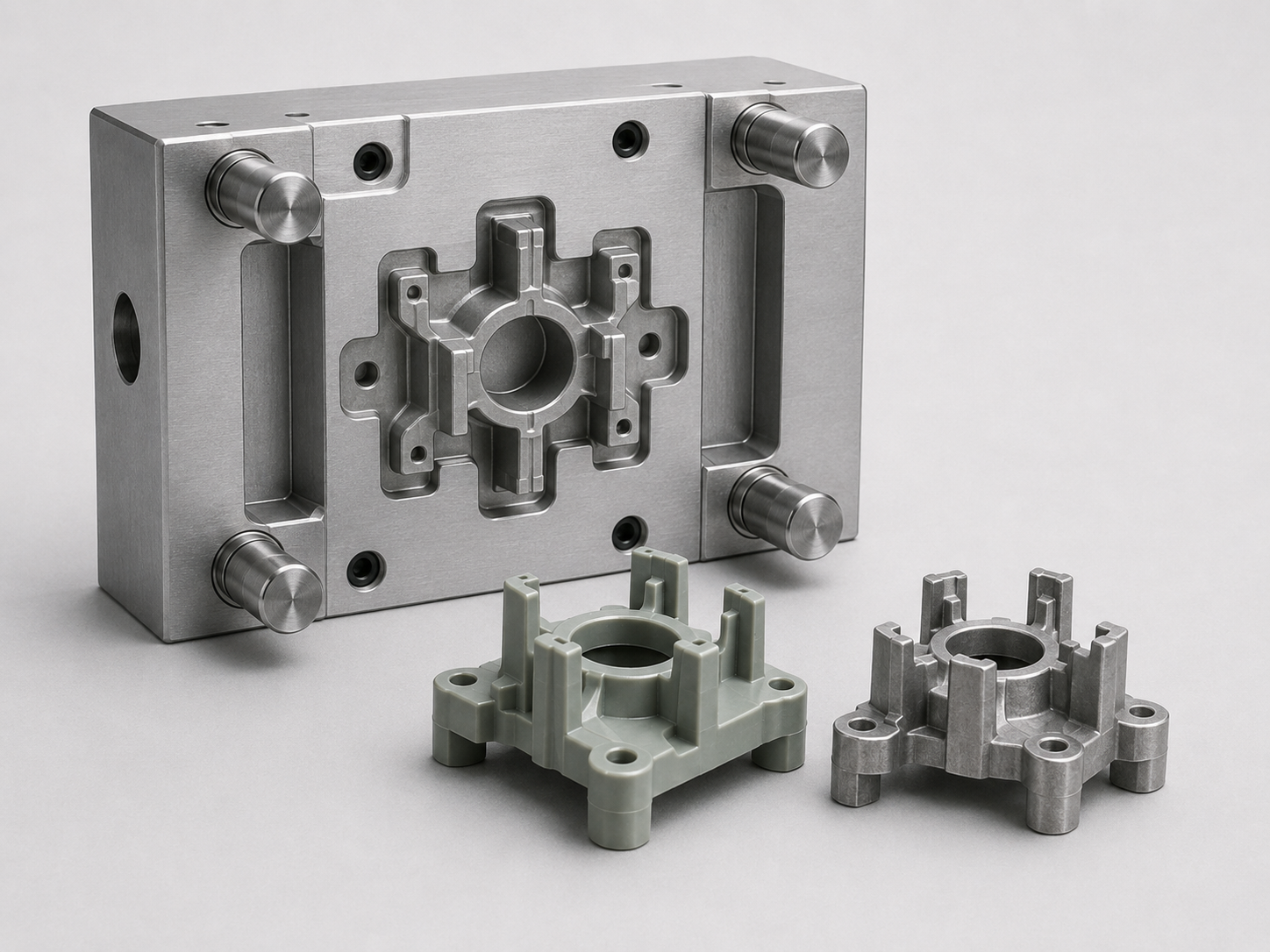
Sfruttando la nostra esperienza nella lavorazione CNC ad alta precisione, la nostra divisione di costruzione stampi produce cavità con tolleranze fino a ±0.01mm. Utilizziamo acciai temprati di alta qualità (come H13 o S7) trattati con rivestimenti PVD per resistere alla natura altamente abrasiva delle fibre di carbonio, garantendo che lo stampo mantenga la propria precisione per centinaia di migliaia di cicli.
Sinergia tra processi: il vantaggio di XY-GLOBAL
XY-GLOBAL è un fornitore "one-stop". Spesso combiniamo più tecnologie per risolvere problemi ingegneristici complessi:
-
Sovrastampaggio e inserti: possiamo iniettare direttamente compositi in fibra di carbonio su inserti in alluminio pressofuso o in acciaio inossidabile. Ciò consente di ottenere pezzi con la resistenza delle filettature del metallo dove necessario e le proprietà di leggerezza del CFRP altrove.
-
Integrazione post-lavorazione: per le caratteristiche che richiedono un accoppiamento di grado H7 o tolleranze estremamente ristrette che lo stampaggio non può garantire, eseguiamo una lavorazione CNC a 5 assi secondaria sui pezzi stampati.
-
Finitura superficiale: eliminiamo i problemi estetici delle "fibre fluttuanti" comuni nei processi di stampaggio più economici, offrendo una finitura lucida e di alta qualità per i prodotti destinati ai consumatori.
4. Specifiche tecniche: confronto delle prestazioni dei materiali
Per agevolare le vostre attività di approvvigionamento e di analisi ingegneristica, la tabella seguente confronta i materiali standard con le materie plastiche rinforzate con fibra di carbonio che lavoriamo presso XY-GLOBAL.
| Proprietà | PA66 standard (non caricato) | PA66 con 30% di fibra di carbonio | Alluminio pressofuso (A380) |
| Resistenza a trazione | ~80 MPa | ~260 MPa | ~310 MPa |
| Modulo a trazione | ~3.0 GPa | ~20.0 GPa | ~71.0 GPa |
| Densità | 1.14 g/cm³ | 1.29 g/cm³ | 2.71 g/cm³ |
| Riduzione del peso | Riferimento | 52% più leggero | 0% |
| Controllo della planarità | Moderato | Elevata | Molto elevata |
| Resistenza alla corrosione | Eccellente | Eccellente | Moderato |
5. Guida alla progettazione tecnica per lo stampaggio della fibra di carbonio
Per gli ingegneri che desiderano ottimizzare i propri progetti per il processo di stampaggio a iniezione della fibra di carbonio, considerate questi fattori critici analizzati dal nostro team DFM (Design for Manufacturing):
A. Ottimizzazione dello spessore della parete
I pezzi in fibra di carbonio sono sensibili alle variazioni di spessore. Puntate a uno spessore uniforme della parete compreso tra 1,5 mm e 3,5 mm. Variazioni improvvise dello spessore possono causare discontinuità nell'orientamento delle fibre, generando punti deboli strutturali.
B. Progettazione strategica di nervature e bossoli
Per aumentare la rigidità senza aggiungere peso, utilizzate le nervature. Una nervatura ben progettata dovrebbe rappresentare dal 50% al 70% dello spessore della parete principale. Ciò previene i "segni di ritiro" (depressioni estetiche) sulle superfici funzionali del pezzo.
C. Posizionamento del punto di iniezione e orientamento delle fibre
Il punto di iniezione è il punto in cui il materiale fuso entra nello stampo. Nello stampaggio a iniezione della fibra di carbonio, la posizione del punto di iniezione determina la "trama" finale del pezzo. Le fibre si allineano nella direzione del flusso. I nostri ingegneri utilizzano la simulazione Moldflow per garantire che le fibre siano orientate nella direzione della massima sollecitazione prevista.
D. Raggi e raccordi
Gli angoli netti di 90 gradi creano concentrazioni di tensione e fanno "ammassare" o rompere le fibre. Un raggio minimo di 0.5mm favorisce lo scorrimento regolare delle fibre di carbonio, garantendo una densità uniforme del materiale lungo tutta la geometria.
Nel settore aerospaziale, automobilistico e dell'elettronica di fascia alta, caratterizzato da requisiti elevati, la domanda di materiali ultra-leggeri e al contempo eccezionalmente resistenti non è mai stata così alta. Lo stampaggio a iniezione della fibra di carbonio (noto anche come stampaggio a iniezione di CFRP) è emerso come la soluzione definitiva, colmando il divario tra le prestazioni meccaniche dei metalli e la flessibilità progettuale dei materiali plastici.
6. Superare le difficoltà tecniche nella produzione di CFRP
La lavorazione della fibra di carbonio è significativamente più difficile rispetto a quella del normale ABS o polipropilene. Ecco come XY-GLOBAL affronta le tre principali difficoltà:
-
Gestione dell'usura abrasiva: la fibra di carbonio è incredibilmente abrasiva: può "levigare" uno stampo standard in acciaio. Utilizziamo acciai temprati speciali ad alto contenuto di cromo per garantire una lunga durata dello stampo e dimensioni costanti dei pezzi.
-
Debolezza delle linee di giunzione: nel punto in cui due fronti di flusso si incontrano (una linea di giunzione), spesso le fibre non si incrociano, creando un punto debole strutturale. I nostri ingegneri utilizzano il Sequential Valve Gating per controllare il flusso e spostare le linee di giunzione in aree non critiche.
-
Controllo dell'umidità: materiali come il PA66 sono igroscopici. Utilizziamo essiccatori industriali a essiccante per garantire che il contenuto di umidità della resina sia inferiore allo 0.02% prima dello stampaggio, prevenendo difetti di "splay" e il degrado strutturale.
7. Applicazioni: soluzioni specifiche per il settore
I nostri servizi di stampaggio a iniezione della fibra di carbonio sono utilizzati in diversi settori in cui le prestazioni sono imprescindibili:
-
Aerospaziale: staffe strutturali, componenti dei sedili e telai interni della cabina.
-
Automotive: coperture del motore, scatole dei pedali, palette del cambio e involucri leggeri per batterie di veicoli elettrici.
-
Settore medicale: strumenti chirurgici trasparenti ai raggi X, tutori ortopedici e componenti protesici leggeri.
-
Elettronica di consumo: scocche per laptop di fascia alta, bracci stabilizzatori per fotocamere (gimbal) e telai per visori VR/AR.
-
Telecomunicazioni: componenti per stazioni base 5G che richiedono elevata stabilità termica e schermatura EMI.
8. Conclusione: collabora con XY-GLOBAL per un'ingegneria di precisione
La stampaggio a iniezione della fibra di carbonio di successo richiede più di una semplice macchina: richiede una profonda integrazione tra scienza dei materiali, ingegneria degli stampi e metrologia di precisione.
XY-GLOBAL offre un percorso lineare dal prototipo iniziale alla produzione di massa ad alto volume. Il nostro impegno verso gli standard ISO 9001 e ISO 13485 garantisce che ogni componente che spediamo soddisfi gli esatti requisiti di precisione, planarità e resistenza specificati. Siamo specializzati nella conversione da metallo a plastica, aiutandoti a ridurre costi e peso senza sacrificare le prestazioni.
Pronto a valorizzare il tuo prodotto con la fibra di carbonio?
Contatta oggi stesso il team di ingegneria di XY-GLOBAL per ricevere gratuitamente un rapporto DFM completo e un preventivo. Lascia che ti mostriamo come la nostra competenza in molteplici processi possa dare vita ai tuoi progetti più complessi.
Condividi:
La guida definitiva agli ingranaggi in metallo sinterizzato: eccellenza ingegneristica attraverso la coerenza produttiva
Componenti metallici sinterizzati di precisione: la guida definitiva all'ingegneria, al controllo qualità e alla collaborazione con i clienti