


Presso XY-GLOBAL, riconosciamo che produrre un componente metallico sinterizzato è solo metà del nostro lavoro. L'altra metà consiste nell'ascoltare. La nostra filosofia ingegneristica si basa su un ciclo di feedback in cui la valutazione del cliente guida la nostra innovazione tecnica. Non ci limitiamo a fornire componenti; offriamo una collaborazione produttiva che evolve in base alle vostre esigenze e alla vostra prospettiva sulle nostre prestazioni.

1. Comprendere i componenti metallici sinterizzati: la scienza della fusione
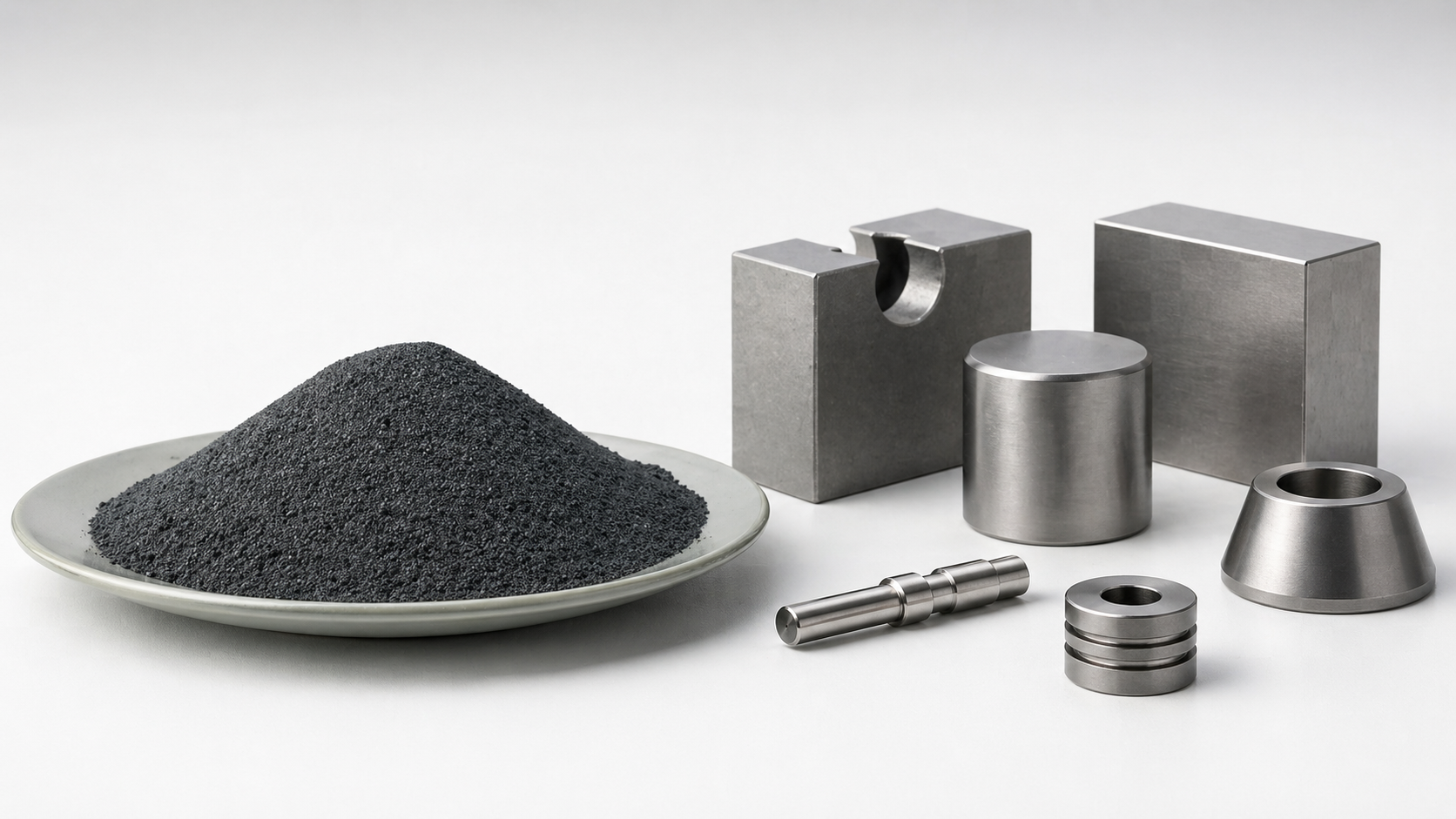
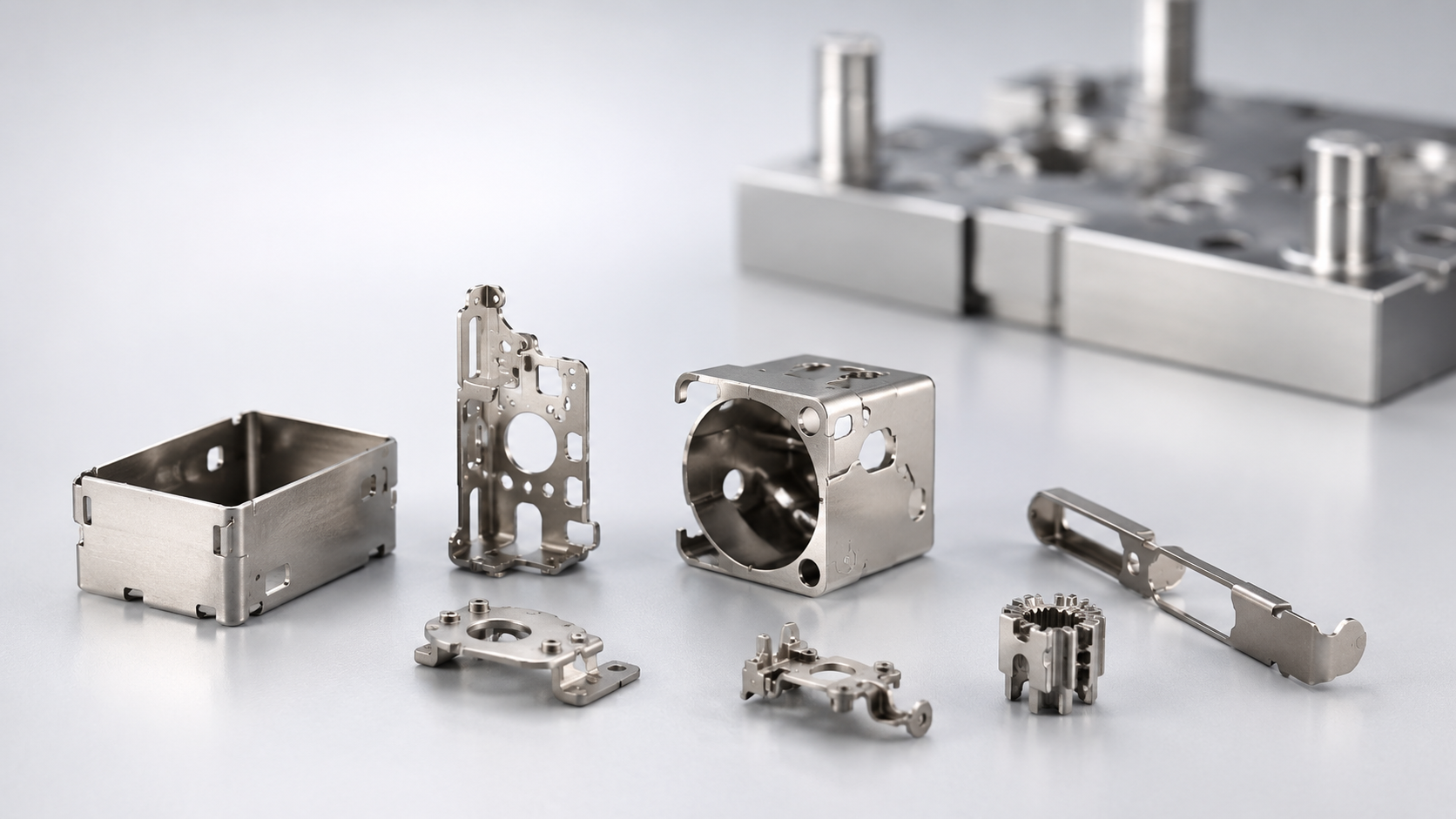
Per capire perché i componenti metallici sinterizzati siano così importanti, bisogna osservare il livello atomico. A differenza della fusione (in cui il metallo viene fuso) o della lavorazione CNC (in cui il metallo viene asportato), la sinterizzazione utilizza calore e pressione per legare le particelle senza fonderle completamente.
Il processo PM in più fasi
-
Miscelazione delle polveri: Misceliamo polveri elementari o prelegate con lubrificanti solidi. Sulla base dei feedback dei clienti sulla durata nel tempo in condizioni ambientali, possiamo introdurre additivi specializzati per migliorare la resistenza alla corrosione.
-
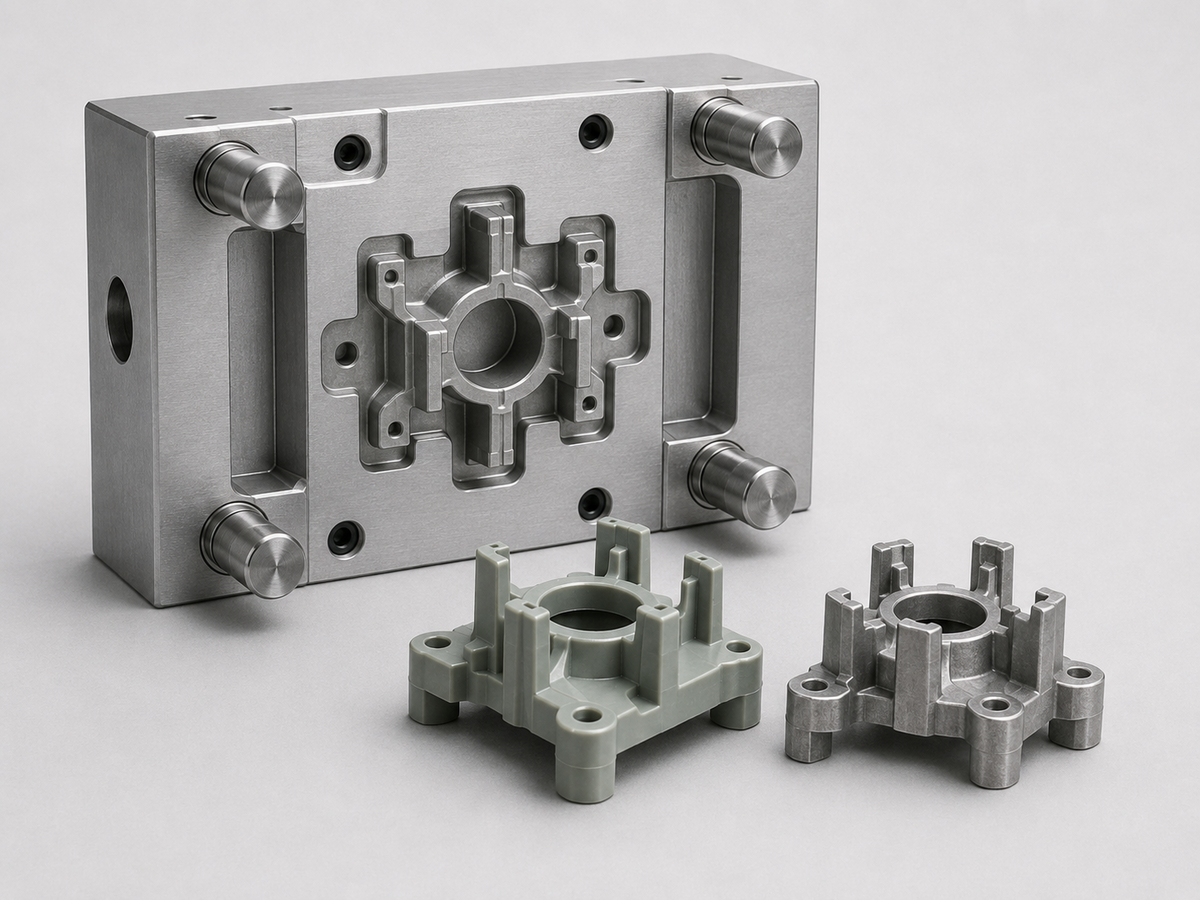
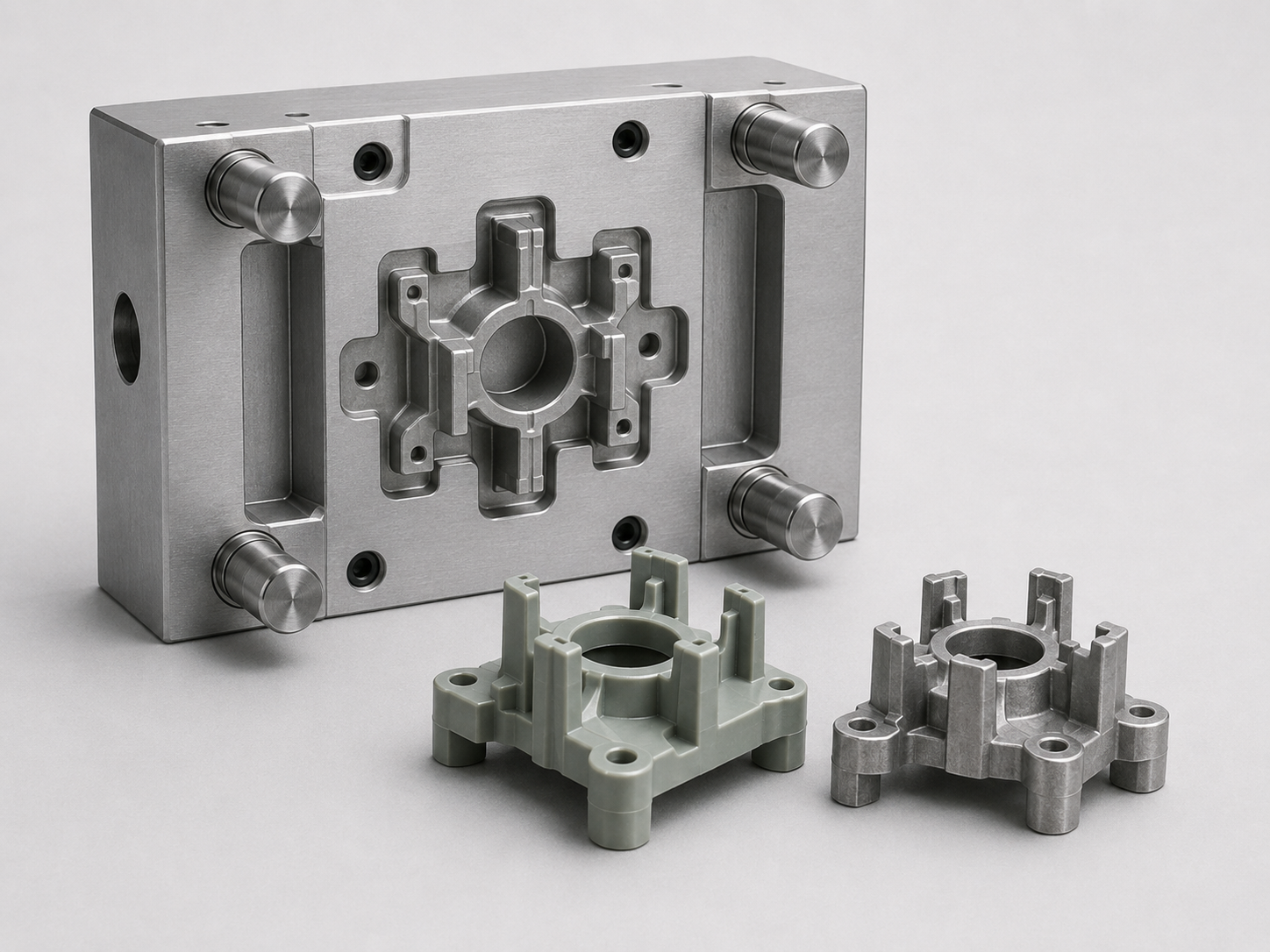
Compattazione: Utilizzando matrici ad alta precisione, la polvere viene pressata formando un "pezzo pressato". Questa fase definisce la geometria e la densità iniziale.
-
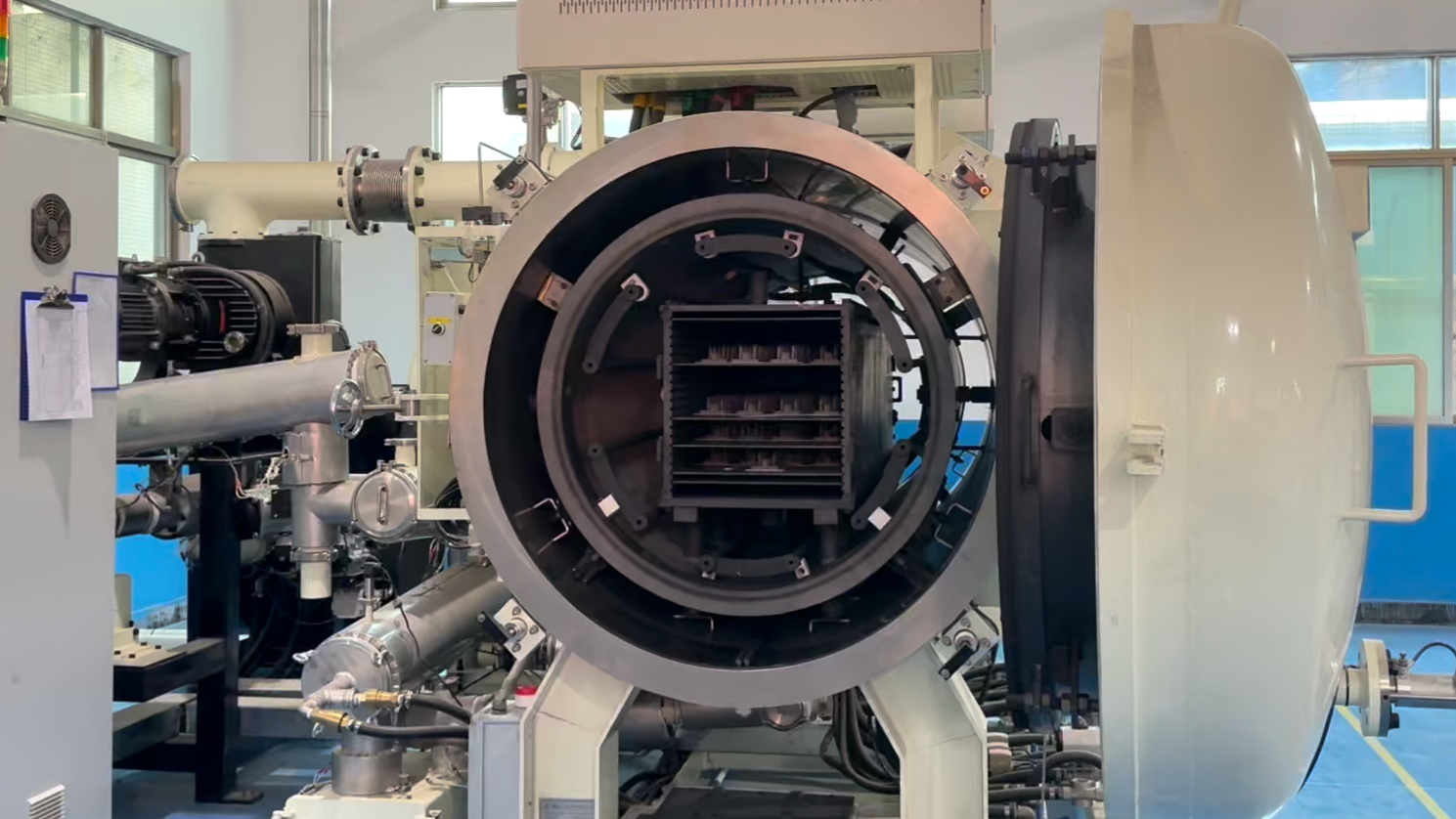
Sinterizzazione: I pezzi pressati attraversano un forno ad atmosfera controllata. A temperature appena inferiori al punto di fusione, avviene la diffusione atomica, trasformando il compatto di polvere fragile in un componente metallico sinterizzato ad alta resistenza.
-
Calibratura/Coniatura: Per i componenti che richiedono tolleranze estremamente ridotte, eseguiamo un'operazione di pressatura secondaria per garantire dimensioni finali perfette.
2. Approfondimento tecnico: raggiungere la massima densità e precisione
Uno degli argomenti più frequenti nei nostri rapporti di valutazione dei clienti è l'equilibrio tra densità e costo. Nel mondo dei componenti metallici sinterizzati, la densità è il singolo indicatore più importante delle prestazioni meccaniche.
A. La correlazione tra densità e resistenza
Le proprietà meccaniche (resistenza alla trazione, energia d'urto e durata a fatica) di un componente metallico sinterizzato sono direttamente proporzionali alla sua densità.
-
Bassa densità (6.2 - 6.8 g/cm³): Ideale per cuscinetti autolubrificanti e filtri.
-
Densità media (6.8 - 7.2 g/cm³): Il "punto ideale" per la maggior parte dei componenti strutturali per il settore automobilistico e degli elettrodomestici.
-
Alta densità (>7.2 g/cm³): Ottenuta tramite doppia pressatura o sinterizzazione ad alta temperatura, raggiungendo una resistenza paragonabile a quella dell'acciaio lavorato.
B. Padronanza della precisione dimensionale
Una domanda comune tra gli ingegneri è: "La sinterizzazione può mantenere le stesse tolleranze della lavorazione CNC?" La risposta è un deciso "Sì", se il processo è gestito dal partner giusto.
In XY-GLOBAL raggiungiamo ±0.05mm su molte dimensioni lineari direttamente dal forno. Se il tuo progetto richiede una precisione a livello micrometrico, integriamo la nostra capacità interna di lavorazione CNC per rifinire le caratteristiche critiche, garantendo che il componente sinterizzato si inserisca perfettamente nel tuo assieme.
3. Perché i clienti scelgono XY-GLOBAL: il potere del feedback
Qual è la percezione che il cliente ha di "noi"? Attraverso anni di raccolta del feedback dei clienti, abbiamo imparato che le specifiche tecniche sono date per scontate, ma la comunicazione è apprezzata.
"Una partnership, non solo un ordine di acquisto"
Uno dei nostri clienti del settore automobilistico di livello Tier 1 ha osservato recentemente nella sua revisione annuale: "Ciò che distingue XY-GLOBAL non sono solo i componenti metallici sinterizzati; è la loro disponibilità ad adattare il processo sulla base dei nostri dati sul campo."
Come utilizziamo il tuo feedback
-
Risoluzione proattiva dei problemi: Se un cliente segnala un problema di accoppiamento durante l'assemblaggio, non ci limitiamo a controllare i nostri registri del controllo qualità. Inviamo il nostro team di ingegneria a esaminare il DFM (progettazione per la produzione) e a suggerire modifiche allo stampo.
-
Dati sulla qualità trasparenti: Ogni lotto di componenti metallici sinterizzati è accompagnato da una certificazione del materiale e da un profilo di densità. Crediamo che la trasparenza sia il modo più rapido per costruire la "fiducia" che i nostri clienti apprezzano maggiormente.
4. Selezione e confronto dei materiali
La scelta della lega giusta per le tue parti metalliche sinterizzate è fondamentale. Usa la tabella seguente come guida preliminare per il tuo processo di selezione:
| Grado del materiale | Densità (g/cm³) | Resistenza alla trazione (MPa) | Caso d'uso ideale |
| Ferro sinterizzato (puro) | 6.6 - 7.0 | 150 - 200 | Nuclei magnetici, distanziali per carichi ridotti |
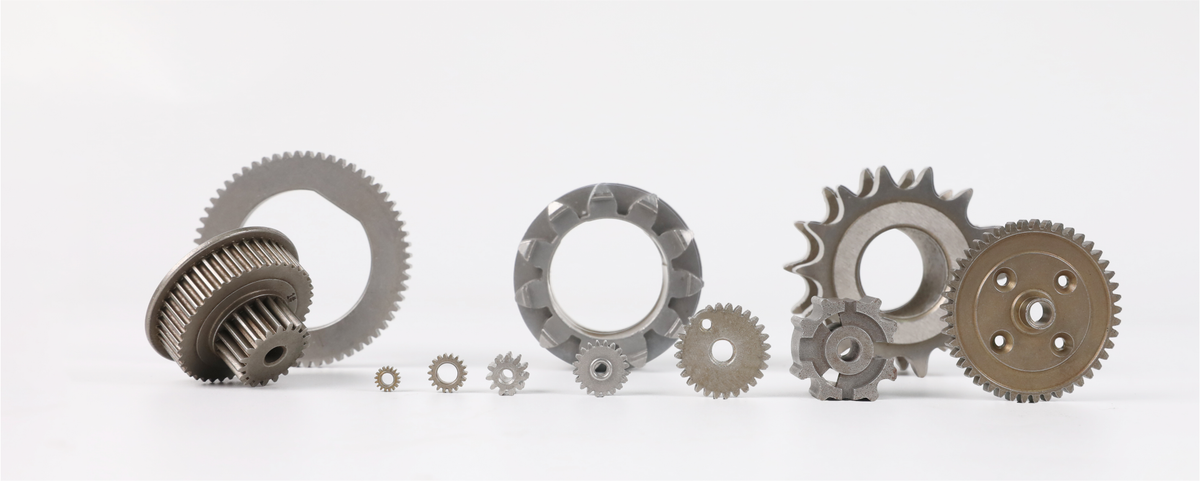
| Acciaio sinterizzato (Fe-Cu-C) | 6.8 - 7.2 | 400 - 550 | Più comuni: ingranaggi, pignoni, camme |
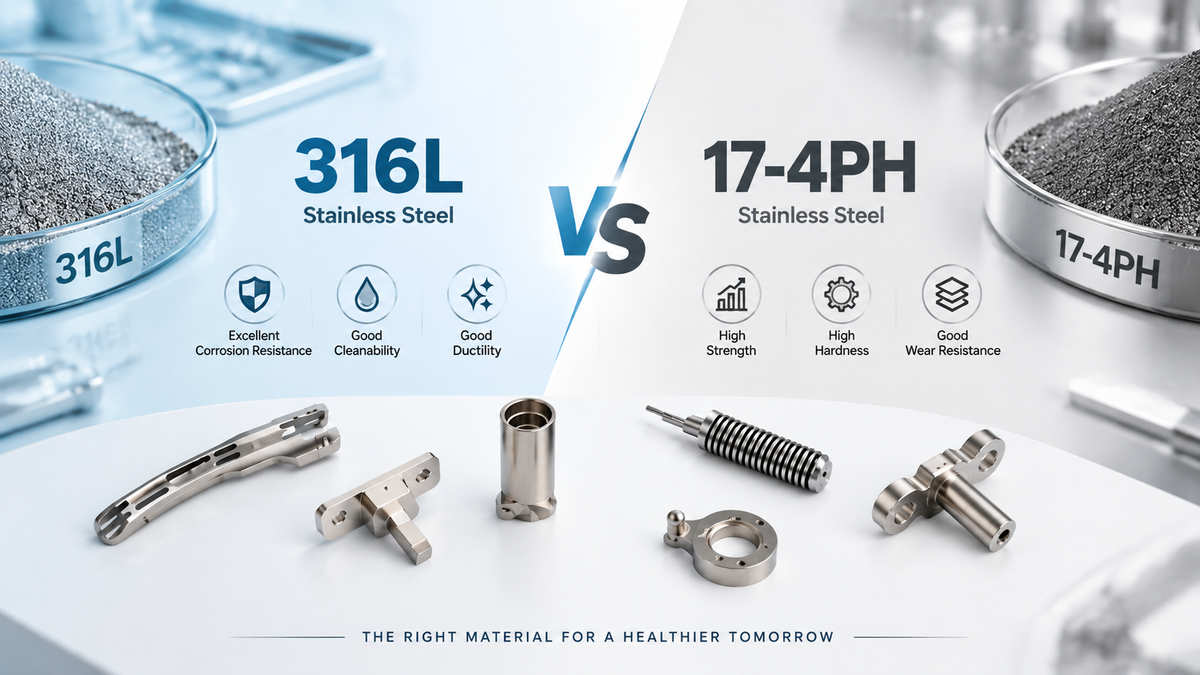
| Acciaio inossidabile (316L) | 6.5 - 6.9 | 450 - 520 | Strumenti medicali, componenti per applicazioni navali |
| Bronzo sinterizzato | 6.4 - 6.8 | 100 - 150 | Boccole/cuscinetti autolubrificanti |
5. Superare le sfide della progettazione complessa
La progettazione di parti metalliche sinterizzate richiede un approccio specifico. Le regole standard della lavorazione meccanica non sono sempre applicabili.
-
Evitare gli spigoli vivi: Gli spigoli vivi causano concentrazioni di tensione e uno scarso flusso della polvere. Consigliamo un raggio minimo di 0,25 mm per garantire l'integrità strutturale.
-
Spessore delle pareti: Per prevenire deformazioni durante il ciclo nel forno di sinterizzazione, consigliamo di mantenere gli spessori delle pareti superiori a 1,5 mm.
-
Angoli di sformo: A differenza della fusione, gli stampi per la sinterizzazione di solito richiedono uno sformo minimo, ma una leggera rastremazione può prolungare significativamente la durata dell'utensile e migliorare la costanza dei pezzi.
Caso di studio: riduzione del rumore nei gruppi di ingranaggi
Un cliente del settore degli elettrodomestici di alta gamma ha fornito un feedback indicando che i suoi ingranaggi metallici erano troppo rumorosi. Gli ingegneri di XY-GLOBAL hanno proposto una soluzione in metallo sinterizzato con microporosità controllata per l'impregnazione con olio. Il risultato? Una riduzione di 30 decibel e un cliente che ci ha considerati innovatori strategici anziché semplici fornitori.
6. Il vantaggio economico: risparmio sui costi con la sinterizzazione
Per la produzione in grandi volumi, le parti metalliche sinterizzate offrono un ROI imbattibile.
-
Quasi zero sprechi: A differenza della lavorazione CNC, in cui fino al 60% della materia prima può trasformarsi in trucioli di scarto, la sinterizzazione utilizza il 98% della polvere metallica.
-
Assemblaggi consolidati: Spesso possiamo combinare tre componenti lavorati in un unico componente sinterizzato, riducendo la distinta base (BOM) e la manodopera di assemblaggio.
-
Efficienza energetica: La sinterizzazione è una scelta sostenibile. L'energia utilizzata per ogni chilogrammo di componente finito è significativamente inferiore a quella necessaria per la fusione e la colata tradizionali.
7. Garanzia della qualità: misurare l'eccellenza
In XY-GLOBAL, la "Qualità" non è un reparto, è una cultura. I nostri punteggi di valutazione dei clienti rimangono elevati perché investiamo nella metrologia avanzata:
-
Macchine di misura a coordinate digitali (CMM): Per verificare profili 3D complessi.
-
Prova di densità (metodo di Archimede): Per garantire che ogni componente soddisfi i requisiti strutturali.
-
Prova di durezza (Rockwell e Vickers): Per confermare che il trattamento termico sia andato a buon fine.
-
Prova in nebbia salina: Per i componenti in acciaio inossidabile sinterizzato destinati all'uso offshore o medicale.
8. Conclusione: la tua visione, la nostra precisione
La produzione di componenti metallici sinterizzati è un'intricata danza di calore, pressione e chimica. Ma al cuore di questo processo tecnico c'è un semplice obiettivo umano: la soddisfazione del cliente.
Integrando il feedback dei clienti in ogni fase della nostra produzione, dal primo schizzo DFM al controllo QC finale, XY-GLOBAL garantisce che la "tua" prospettiva sia sempre la nostra massima priorità. Siamo orgogliosi del nostro Net Promoter Score (NPS) pari a 85, che riteniamo la valutazione definitiva del nostro impegno verso l'eccellenza.
Pronto a ottimizzare la tua catena di approvvigionamento?
Non accontentarti di un produttore che si limita a parlare. Collabora con uno che sa ascoltare. Contatta XY-GLOBAL oggi stesso per discutere delle tue esigenze relative ai componenti metallici sinterizzati e scopri un livello di precisione e collaborazione che i nostri clienti apprezzano enormemente.

Condividi:
Stampaggio a iniezione di fibra di carbonio di precisione: padronanza della planarità e della resistenza per componenti ad alte prestazioni
Servizi di microlavorazione: la guida definitiva completa 2026 a precisione, collaborazione e innovazione